What Happens to Your Body on a High-Protein Diet
Discover the science-backed effects of high-protein diets on weight loss, muscle, digestion, kidneys, heart health, and more for optimal results.
A
high-protein diet
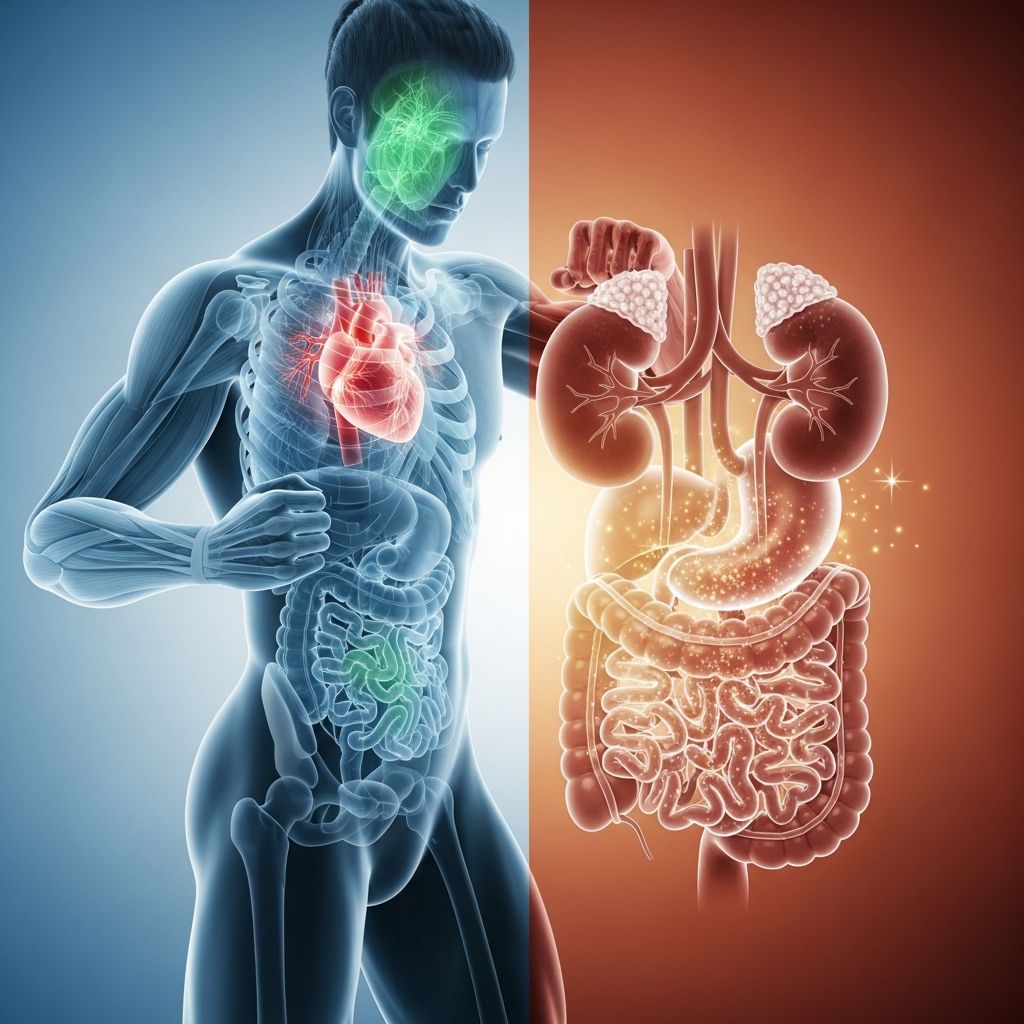
typically involves consuming 25-30% or more of daily calories from protein sources like meat, eggs, dairy, fish, and plant-based options such as legumes and nuts. This approach has surged in popularity for its potential to aid weight loss, build muscle, and improve satiety. Clinical trials show that high-protein diets (HPD) exceeding the recommended dietary allowance (RDA) of 0.8g/kg body weight can reduce body weight and fat mass while preserving fat-free mass, even on standard-calorie diets. However, effects extend beyond weight management, influencing digestion, kidney function, bone health, heart health, and more. This article breaks down the physiological changes, benefits, risks, and expert recommendations.High-Protein Diets Promote Weight Loss and Satiety
The cornerstone benefit of a high-protein diet is enhanced
weight loss
through increased satiety and energy expenditure. Proteins digest slowly, triggering hormones like GLP-1, CCK, and PYY that suppress appetite, while reducing ghrelin, the hunger hormone. Studies confirm HPD users eat fewer calories ad libitum due to prolonged fullness.In 6-12 month trials, participants on HPD lost significantly more weight (-3.7kg) and fat mass (-3.3kg) compared to high-carb groups, with low dropout rates under controlled conditions. Mechanisms include elevated diet-induced thermogenesis (DIT)—protein’s DIT is 20-30% of calories vs. 5-10% for carbs/fats—boosting daily energy burn by 142 kcal/day and preserving resting energy expenditure (REE) by protecting lean mass.
- Increased satiety: Higher amino acid levels, gluconeogenesis, and ketogenesis signal fullness.
- Preserved metabolism: Prevents REE drop during calorie deficits, aiding long-term weight maintenance.
- Body composition: Reduces fat while maintaining muscle, ideal for athletes and dieters.
You Build and Preserve Muscle Mass
Protein is essential for
muscle protein synthesis (MPS)
, the process repairing and building muscle fibers post-exercise. On HPD, amino acids like leucine activate mTOR pathways, enhancing MPS rates. Resistance training amplifies this, with studies showing 1.6-2.2g/kg protein daily optimizes gains in young adults.During weight loss, HPD prevents muscle catabolism; meta-analyses report higher fat-free mass retention vs. standard-protein diets. Older adults benefit too, countering sarcopenia with 1.2-1.6g/kg intake spread across meals. However, excess beyond needs (~2.2g/kg) offers no extra benefit and may strain resources.
| Population | Optimal Protein (g/kg/day) | Benefits |
|---|---|---|
| Athletes | 1.6-2.2 | Muscle hypertrophy, recovery |
| Weight loss | 1.2-1.6 | Lean mass preservation |
| Elderly | 1.2-1.6 | Combats muscle loss |
Effects on Digestion and Gut Health
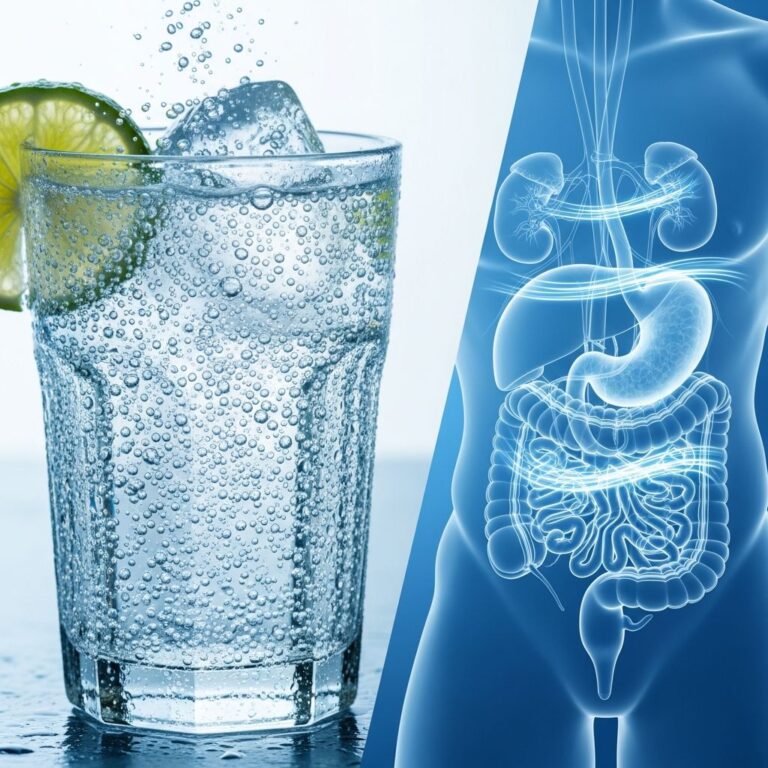
High protein can slow gastric emptying, promoting fullness but potentially causing
constipation
if fiber is low. Red meats and dairy may exacerbate bloating or IBS symptoms due to FODMAPs. Plant proteins with fiber mitigate this.Long-term, excessive animal protein alters gut microbiota, reducing diversity linked to inflammation. Balance with veggies, whole grains (25-30g fiber/day) is key. Probiotics and hydration aid transit time.
- Pros: Stabilizes blood sugar, reduces overeating.
- Cons: Risk of GI discomfort without fiber.
Potential Kidney Strain and Concerns
Healthy kidneys filter protein byproducts like urea efficiently, but HPD increases glomerular filtration rate (GFR) by 20-30%, raising concerns for those with pre-existing kidney disease. Clinical evidence shows no harm in healthy adults even at 2.8g/kg for 12 weeks, but long-term data (>1 year) is limited. CKD patients should limit to 0.8g/kg.
Related Stories



Monitor via blood tests (creatinine, eGFR); stay hydrated to flush metabolites. A 2023 review confirms safety for most but advises caution in at-risk groups.
Impact on Bone Health
Debate surrounds protein’s acid load potentially leaching calcium from bones. However, recent meta-analyses show HPD with adequate calcium/vitamin D supports bone mineral density (BMD), especially in older women. Protein enhances IGF-1, aiding bone formation. Aim for 1,200mg calcium/day.
- Acid-base balance: Alkaline foods (fruits/veggies) neutralize effects.
- Net benefit: Higher intake correlates with lower fracture risk.
Heart Health Implications
Lean proteins (fish, poultry, legumes) improve lipid profiles, raising HDL and lowering triglycerides. But high saturated fat from red/processed meats elevates LDL cholesterol and CVD risk. Choose omega-3-rich sources; limit processed meats per AHA guidelines.
Trials show neutral or positive effects on blood pressure via weight loss and ACE inhibition from bioactive peptides.
Effects on Blood Sugar and Diabetes Management
HPD stabilizes
glycemic control
by slowing carb absorption and boosting glucagon. RCTs report improved HbA1c (-0.4%) in type 2 diabetics vs. high-carb diets. Insulin sensitivity rises with muscle preservation. Pair with low-GI carbs for best results.Liver Function and Metabolism
Protein metabolism burdens the liver mildly via gluconeogenesis, but healthy livers adapt. NAFLD patients may benefit from fat loss, though excessive animal protein could worsen steatosis. Monitor ALT/AST levels.
Hair, Skin, and Nail Health
Amino acids like keratin-building cysteine support
stronger hair/nails
and collagen for skin elasticity. Biotin, zinc from protein foods enhance glow. Deficiencies arise only if overall calories are low.Mood, Energy Levels, and Cognitive Effects
Tryptophan in protein boosts serotonin, stabilizing mood. Steady energy from satiety prevents crashes. Ketogenesis during HPD may induce ‘keto fog’ initially, resolving with adaptation.
Who Should Avoid or Modify High-Protein Diets?
- Kidney disease patients (consult nephrologist).
- Those with gout (purines in meats).
- Pregnant/nursing women (balance nutrients).
- Vegetarians: Ensure complete proteins via combos.
How Much Protein Do You Really Need?
RDA: 0.8g/kg; active individuals: 1.2-2.0g/kg. Distribute 20-40g/meal for MPS. Track via apps; sources: chicken (53g/172g), eggs (6g each), lentils (18g/cup).
Frequently Asked Questions (FAQs)
Is a high-protein diet safe for healthy adults?
Yes, clinical trials up to 12 months show no adverse effects at 25-30% calories from protein in healthy people.
Can high-protein diets cause kidney damage?
No evidence in healthy kidneys; avoid if CKD present. Hydration is crucial.
Will I lose muscle on a high-protein diet?
Opposite: It preserves and builds muscle, especially with exercise.
How does protein affect weight loss?
Increases satiety, DIT, and REE, leading to 3-4kg more loss vs. standard diets.
Best protein sources for HPD?
Lean meats, fish, eggs, Greek yogurt, tofu, quinoa—prioritize variety and fiber.
Consult a doctor before major changes, especially with conditions. Sustainable HPD with whole foods yields best outcomes.
References
- Clinical Evidence and Mechanisms of High-Protein Diet-Induced Weight Loss — Oh R, et al. Journal of Obesity & Metabolic Syndrome. 2020-10-29. https://pmc.ncbi.nlm.nih.gov/articles/PMC7539343/
- Dietary Protein and Changes in the Risk of Type 2 Diabetes — US National Library of Medicine (NIH). 2024. https://pubmed.ncbi.nlm.nih.gov/
- High-Protein Diets and Kidney Health — National Kidney Foundation (.gov). 2025-01. https://www.kidney.org/
- Protein Intake and Bone Health — WHO Nutrition Guidelines. 2023. https://www.who.int/
- Effects of High-Protein Intake on Cardiovascular Risk — American Heart Association. 2024-06. https://www.heart.org/
Similar Articles








Read full bio of medha deb