What Happens to Your Body When You Eat Honey Daily
Discover the transformative health effects of daily honey consumption, from better blood sugar control to enhanced heart health and immunity.
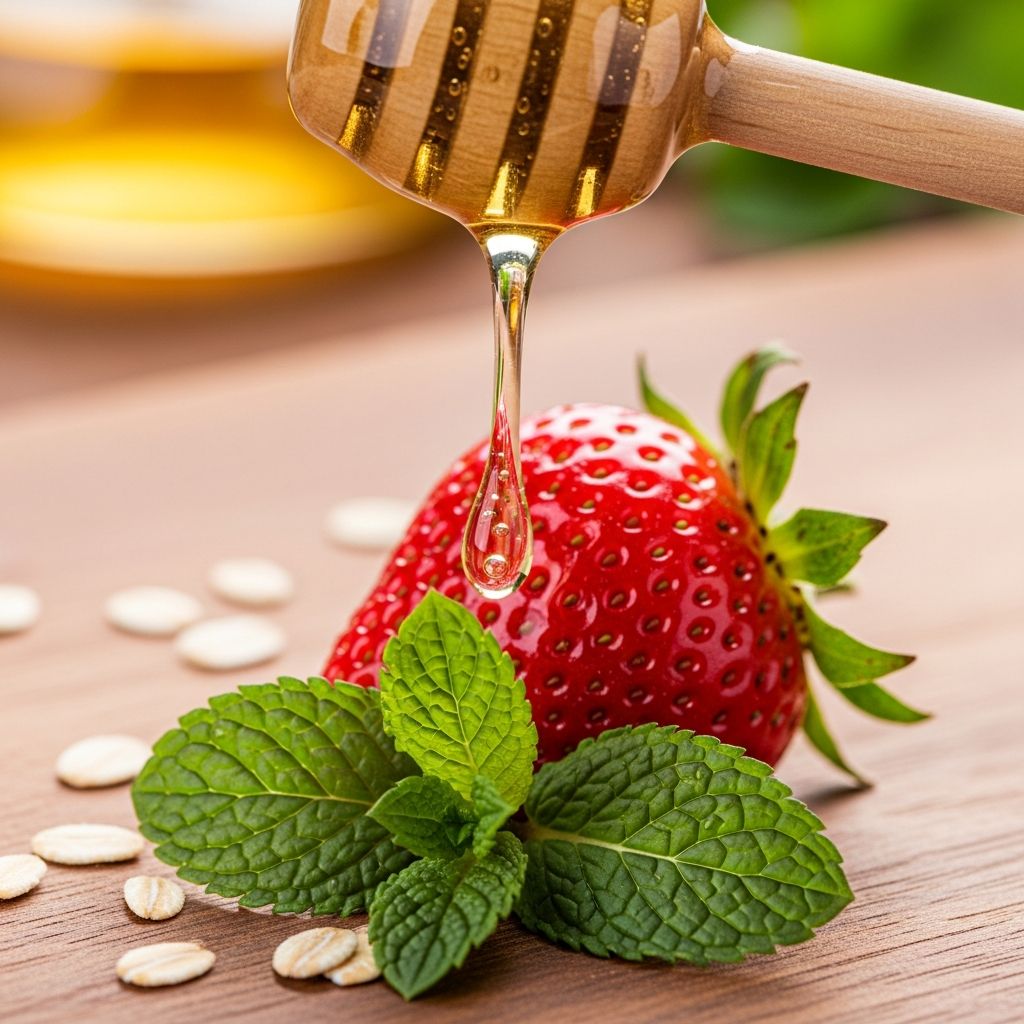
Honey, a natural sweetener produced by bees, offers a range of health benefits when consumed daily in moderation. Rich in antioxidants, vitamins, and bioactive compounds, it supports various bodily functions from heart health to immunity.
1. Improves Blood Sugar Control
Daily honey intake may help regulate blood sugar levels better than refined sugar due to its lower glycemic index (GI) of around 50 compared to sugar’s 80. This slower absorption prevents sharp spikes, making it suitable for people managing diabetes, with recommended servings of 1-2 teaspoons daily while monitoring levels.
Clinical research shows honey reduces plasma glucose in diabetic patients more effectively than glucose or sucrose in some cases, potentially aiding Type 1 and Type 2 diabetes management through its antioxidant properties that combat oxidative stress.
2. Supports Heart Health
Honey’s flavonoids and polyphenols act as antioxidants, reducing inflammation, improving blood vessel function, and lowering oxidative stress on the heart. Observational studies link moderate honey consumption to lower prehypertension rates in women and improved cholesterol profiles.
A review indicates daily honey intake reduces total cholesterol, boosts HDL (good) cholesterol, lowers LDL (bad) cholesterol, and decreases triglycerides, promoting cardiovascular health when part of a balanced diet.
3. Boosts Immunity and Fights Infections
The antimicrobial, anti-inflammatory, and antioxidant properties of honey make it a natural immune booster. Traditionally used for throat infections, wounds, and respiratory issues, modern research confirms its role in treating bronchial asthma, tuberculosis, and gastrointestinal infections.
Flavonoids and polyphenols in honey exert antibacterial effects, helping soothe sore throats and reduce inflammation daily. Consuming raw honey exposes the body to these compounds, enhancing overall immune response.
4. Aids Digestion
Honey promotes healthy gut bacteria and eases digestive issues like constipation and ulcers. Its prebiotic-like effects support gastrointestinal health, with evidence suggesting protective roles against worm infestations and piles.
Daily intake can relieve symptoms of indigestion by coating the stomach lining and providing enzymes that aid breakdown of food, making it a gentle remedy for daily digestive wellness.
5. Enhances Skin Health
Topical and internal use of honey daily improves skin by leveraging its humectant properties to retain moisture and antioxidants to fight free radicals. It accelerates wound healing, reduces eczema, and promotes clearer skin.
Antibacterial qualities prevent acne, while vitamins like C and minerals such as zinc nourish skin cells. Studies highlight honey’s role in treating ulcers and wounds, extending benefits to anti-aging effects from reduced oxidative damage.
6. Improves Sleep Quality
Honey aids sleep by stabilizing blood sugar overnight and providing natural sugars that help the brain release melatonin. A teaspoon before bed can promote restorative sleep without the crash associated with refined sugars.
Its calming effects, combined with anti-inflammatory properties, may alleviate fatigue and dizziness, supporting better rest and recovery.
7. Supports Weight Management
Despite being a sugar, honey’s lower GI and nutrient profile make it better for weight control than refined sugar. It provides satiety and energy without empty calories, aiding portion control in a calorie-conscious diet.
Antioxidants may boost metabolism, and studies show reduced weight gain risks when replacing other sugars with honey in moderation (under 50g added sugars daily).
Related Stories



Nutritional Profile of Honey
Honey consists mainly of fructose and glucose for quick energy, plus trace vitamins (C, B vitamins), minerals (calcium, magnesium, potassium, zinc), and over 30 bioactive compounds. Though low in protein and fiber, it’s more nutritious than processed sugars.
| Nutrient | Amount per Tbsp (21g) | % Daily Value |
|---|---|---|
| Calories | 64 | 3% |
| Sugars (Fructose/Glucose) | 17g | – |
| Vitamin C | 0.1mg | 0% |
| Calcium | 6mg | 0.5% |
| Potassium | 11mg | 0.2% |
| Iron | 0.09mg | 0.5% |
Data approximated from general nutritional analyses; values vary by honey type.
Potential Downsides and Precautions
- High Sugar Content: 17g per tablespoon; limit to 1-2 tsp daily to stay under 50g added sugars.
- Not for Infants: Risk of botulism under 1 year; raw honey may contain spores.
- Allergies: Rare bee product allergies; test small amounts.
- Diabetes Monitoring: Track blood sugar as it still impacts glucose.
How to Incorporate Honey Daily
- Add to tea or warm water for soothing effects.
- Drizzle on yogurt or oatmeal for breakfast.
- Use in dressings or marinades.
- Take 1 tsp before bed for sleep.
- Choose raw, unprocessed varieties for max benefits.
Frequently Asked Questions (FAQs)
Is honey better than sugar?
Yes, honey has a lower GI, antioxidants, and nutrients, causing slower blood sugar rises and offering extra health benefits.
Can people with diabetes eat honey daily?
In moderation (1-2 tsp), yes, but monitor blood sugar; it may improve control better than other sugars.
How much honey is safe daily?
1-2 tablespoons max, as part of <50g added sugars; balance with whole foods.
Does all honey have health benefits?
Raw, unprocessed honey retains most antioxidants; processed varieties lose some.
Can honey help with weight loss?
It supports management by promoting satiety and metabolism, but calories count—use sparingly.
References
- The Bittersweet Truth About Honey’s Health Benefits — Baylor Scott & White Health. 2023-10-12. https://www.bswhealth.com/blog/the-bittersweet-truth-about-honeys-health-benefits
- Honey and Health: A Review of Recent Clinical Research — Pharmacognosy Research (PMC). 2017-04-28. https://pmc.ncbi.nlm.nih.gov/articles/PMC5424551/
Similar Articles








Read full bio of medha deb