What Happens to Gut Health When You Eat Fermented Foods
Discover how fermented foods like yogurt, kimchi, and kefir transform your gut microbiome, boost immunity, and support overall wellness.
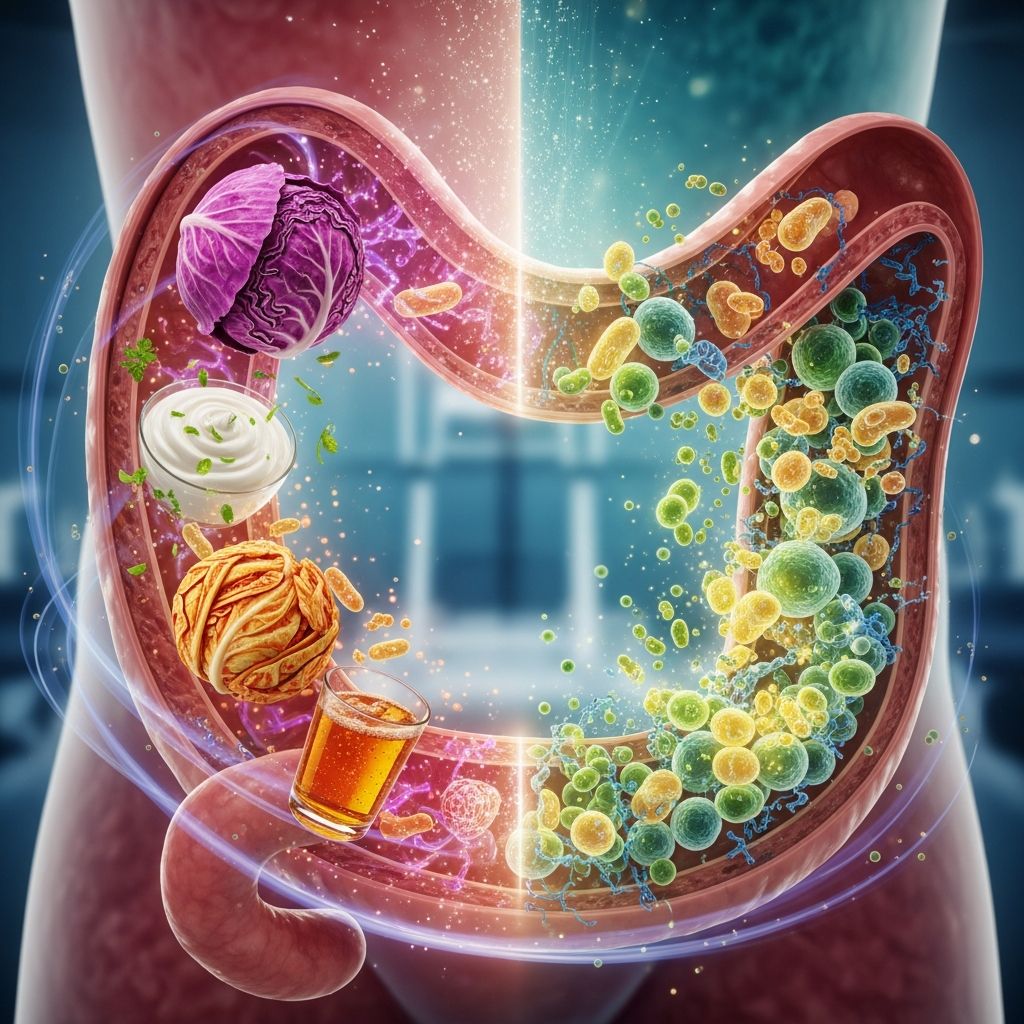
Fermented foods have been a dietary staple for millennia, offering flavors and preservation benefits while harboring live microorganisms that interact with the human gut. Recent research reveals their profound impact on the gut microbiome, potentially enhancing diversity, aiding digestion, and supporting immune function. This article delves into the mechanisms, benefits, and practical ways to incorporate these foods for optimal gut health.
What Are Fermented Foods?
Fermented foods undergo a natural process where bacteria, yeasts, or molds break down sugars into acids, gases, or alcohol, preserving the food and producing probiotics. Unlike pickled foods preserved in vinegar, true fermented items like sauerkraut, kimchi, and yogurt contain live beneficial bacteria that survive digestion to reach the gut.
Common examples include:
- Yogurt and kefir: Dairy-based ferments rich in Lactobacillus and Bifidobacterium strains.
- Sauerkraut and kimchi: Vegetables lacto-fermented with salt, providing diverse lactic acid bacteria.
- Miso and tempeh: Soy ferments offering unique fungal and bacterial profiles.
- Kombucha: Tea fermented with a symbiotic culture of bacteria and yeast (SCOBY).
- Kvass and sourdough: Grain or bread ferments that enhance nutrient bioavailability.
These foods host distinct microbial populations that, once ingested, can transiently or persistently colonize the gut, influencing the resident microbiome.
How Fermented Foods Benefit Gut Health
The gut microbiome comprises trillions of microorganisms that regulate digestion, immunity, and even mood. Fermented foods introduce live microbes and bioactive compounds like short-chain fatty acids (SCFAs), peptides, and vitamins, fostering a balanced ecosystem.
Increase Microbiome Diversity
A diverse gut microbiome correlates with better health outcomes. Studies show regular consumption of fermented foods significantly boosts microbial diversity, introducing strains like Lactobacillus that compete with pathogens and produce anti-inflammatory metabolites. For instance, a 2021 Stanford study found participants eating fermented foods for 10 weeks had increased alpha diversity, a marker of microbial richness, compared to high-fiber diet groups.
Improve Digestion and Reduce Bloating
Probiotics from fermented foods enhance gut motility and break down complex carbohydrates, alleviating issues like irritable bowel syndrome (IBS) symptoms. Lactose-intolerant individuals often tolerate fermented dairy due to bacterial pre-digestion of lactose.
- Enhanced enzyme production aids nutrient absorption.
- SCFAs like butyrate nourish colon cells, strengthening the gut barrier.
- Reduction in gas-producing bacteria minimizes bloating.
Boost Immune Function
About 70% of the immune system resides in the gut. Fermented foods modulate immune responses by promoting regulatory T-cells and reducing pro-inflammatory cytokines. Research indicates they lower inflammation markers, potentially decreasing chronic disease risk.
Support Mental Health via Gut-Brain Axis
The gut-brain axis links microbiome changes to mood regulation. Fermented food consumption is associated with lower stress and anxiety levels, as microbes influence neurotransmitter production like serotonin.
Key Fermented Foods and Their Gut Benefits
| Fermented Food | Key Microbes | Gut Health Benefits |
|---|---|---|
| Yogurt | Lactobacillus bulgaricus, Streptococcus thermophilus | Improves lactose digestion, enhances barrier function |
| Kefir | Lactobacillus kefiranofaciens, yeasts | Higher probiotic diversity, anti-pathogenic effects |
| Kimchi | Leuconostoc mesenteroides, Weissella koreensis | Increases diversity, reduces inflammation |
| Sauerkraut | Lactobacillus plantarum | Supports digestion, vitamin K2 production |
| Miso | Aspergillus oryzae, Lactobacillus | Antioxidant effects, gut motility aid |
This table highlights how specific ferments target different aspects of gut health, allowing tailored dietary choices.
How Much Fermented Food Should You Eat?
Start small to avoid digestive discomfort: 1-2 tablespoons daily, building to 1-2 servings (e.g., ½ cup yogurt or kimchi). Aim for variety to maximize microbial exposure. A practical guideline:
- Beginners: 1 serving/day (e.g., yogurt with breakfast).
- Regular: 2-3 servings/day across meals.
- Combine with fiber: Prebiotics from plants feed incoming probiotics.
Listen to your body; excessive intake may cause temporary gas as the microbiome adjusts.
Potential Downsides and Precautions
While beneficial, fermented foods aren’t for everyone:
- Histamine sensitivity: Aged ferments like sauerkraut may trigger headaches.
- High sodium: Kimchi and miso; opt for low-salt versions.
- Immunocompromised: Consult a doctor due to live microbes.
- Quality matters: Choose refrigerated, unpasteurized products for live cultures.
Recipes and Tips to Incorporate Fermented Foods
Simple Miso Dressing
Ingredients: 2 tbsp miso paste, 1 tbsp rice vinegar, 1 tsp sesame oil, 1 tsp honey, water to thin.
Mix and drizzle over salads or veggies. Adds umami and probiotics without cooking.
Kefir Smoothie Bowl
Blend 1 cup kefir, berries, banana, and spinach. Top with granola for a gut-friendly breakfast.
Kimchi Fried Rice
Stir-fry rice with veggies, add kimchi at the end to preserve probiotics. Heat gently.
Pro tip: Add ferments post-cooking to retain live bacteria.
Scientific Evidence: What Studies Show
Peer-reviewed research confirms fermented foods’ efficacy. A Nutrients review details how ingested microbes survive GI transit, altering gut composition short- and long-term. UMass research emphasizes selecting salt-fermented over vinegar-pickled for probiotics.
- 10-week trials show sustained diversity gains.
- Metagenomic analysis resolves strain-level impacts.
Frequently Asked Questions (FAQs)
What happens to your gut when you eat fermented foods?
Your gut microbiome gains diversity as live probiotics colonize, producing SCFAs that nourish cells, improve barrier integrity, and modulate immunity.
Are all fermented foods good for gut health?
No; only those with live cultures (refrigerated, unpasteurized). Vinegar pickles lack probiotics.
How long does it take to see gut health benefits?
Noticeable changes in 2-4 weeks with consistent intake, though diversity increases within days.
Can fermented foods help with IBS?
Yes, many report reduced bloating and pain; strains like L. plantarum target IBS symptoms.
Is kombucha as beneficial as yogurt?
It provides some probiotics but lower viable counts; pair with dairy ferments for best results.
Conclusion: Make Fermented Foods a Daily Habit
Incorporating fermented foods supports a resilient gut microbiome, paving the way for holistic health. With diverse options and easy recipes, they’re accessible for all. Start today for lasting benefits.
References
- Fermented Foods, Health and the Gut Microbiome — Nutrients (MDPI), Authors: Leeuwendaal NK et al. 2022-04-06. https://pubmed.ncbi.nlm.nih.gov/35406140/
- Fermented Foods for Gut Health — UMass Chan Medical School, Nutrition Blog. 2019-06-01. https://www.umassmed.edu/nutrition/blog/blog-posts/2019/6/fermented-foods-for-gut-health/
Similar Articles





Read full bio of medha deb