What Happens to Your Body on a Detox Diet
Uncover the truth about detox diets: Do they really cleanse your body or just lead to temporary weight loss and potential risks?

Detox diets, often marketed as quick fixes for toxin removal, weight loss, and renewed vitality, promise dramatic transformations but deliver mixed results according to scientific evidence. These regimens typically involve severe calorie restriction, juice fasting, or elimination of major food groups, leading to short-term changes like rapid weight loss primarily from water and glycogen depletion rather than fat or toxins.
What Is a Detox Diet?
Detox diets, also known as cleanses, aim to flush “toxins” from the body through restrictive eating patterns such as fasting, juice-only plans, or diets heavy in fruits, vegetables, and herbal teas while avoiding processed foods, meat, dairy, gluten, caffeine, and alcohol. Proponents claim they rid the body of accumulated harmful substances, boost energy, improve digestion, and promote glowing skin, but clinical evidence is scarce, with most benefits attributed to calorie reduction and healthier food choices rather than true detoxification.
Common formats include:
- Juice cleanses: 3–7 days of only fresh fruit and vegetable juices, providing vitamins but minimal protein and fiber.
- Raw food diets: Uncooked fruits, vegetables, nuts, and seeds to “rest” the digestive system.
- Elimination diets: Cutting out allergens like dairy, gluten, and sugar for 1–4 weeks.
- Wellnessup-style plans: Organic plant-based meals like shakes, juices, salads, and nut bars in a structured 14-day cycle, as studied in overweight women.
While these may incorporate nutrient-dense foods, they often fall short on calories (500–1,200 daily) and essential macronutrients, mimicking fasting more than balanced nutrition.
Timeline: What Happens Hour by Hour—and Day by Day
Day 1: The Initial Shift
Your body enters a state of adjustment as glycogen stores in the liver and muscles deplete without adequate carbs, leading to water loss and an immediate 2–5 pound drop on the scale—mostly not fat. Blood sugar dips, causing hunger, irritability, headaches, and fatigue, often mistaken for “toxin release.” Meanwhile, increased fiber from juices or veggies may cause bloating, gas, or loose stools as the gut adapts.
- Hydration surge: High water and juice intake flushes the system, improving short-term alertness.
- Energy crash: Low calories trigger cortisol release, heightening stress.
Days 2–3: Peak Discomfort
Ketosis may begin as fat becomes the primary fuel source, producing ketones that some perceive as mental clarity but others experience as bad breath, nausea, or dizziness. Digestive rest from solid foods can ease bloating for some, but nutrient gaps emerge: low protein leads to muscle breakdown, while insufficient electrolytes risk cramps or heart palpitations.
In a 4-week study of the Wellnessup diet (WD), participants reported initial tolerability, but control groups on calorie-restricted or regular diets showed similar early adaptations without extreme restrictions.
Days 4–7: Adaptation or Breaking Point
Many report a “detox high”—euphoria from endorphins and stabilized blood sugar—but this masks underlying issues like slowed metabolism (down 15–20% from calorie deficit) and weakened immunity from vitamin deficiencies. Weight loss plateaus as the body conserves energy, and hair, skin, or nail improvements are anecdotal, likely from hydration rather than toxin removal.
Related Stories



Weeks 2–4: Sustained Effects and Risks
Extended detoxes like the WD trial showed reduced BMI, waist circumference, and toxic trace elements (Ni, Rh, Sn, Ga) in hair samples, comparable to calorie-restricted diets, indicating benefits from caloric control and plant nutrients rather than unique detox mechanisms. However, fatigue, cold intolerance, and menstrual irregularities signal thyroid and hormonal disruptions.
4 Things That Happen to Your Body
- Rapid—but Temporary—Weight Loss: Average 1–2 pounds daily initially from glycogen and water; fat loss minimal without sustained deficit. WD group lost similar body fat to calorie-restricted controls.
- Improved Digestion (Short-Term): Fiber boost aids regularity, but laxative effects can lead to dependency.
- Perceived Energy Boost: Eliminating sugar/processed foods stabilizes mood, but true energy from nutrients is lacking.
- Potential Nutrient Deficiencies: Low B12, iron, calcium, and protein risk anemia, bone loss, and muscle wasting.
Detox diets are usually rich in:
- Vegetables (e.g., leafy greens, cruciferous veggies for antioxidants)
- Fruits (berries, citrus for vitamins C and flavonoids)
- Herbal teas (dandelion, ginger for mild diuretic effects)
- Fresh juices (beet, carrot for nitrates and beta-carotene)
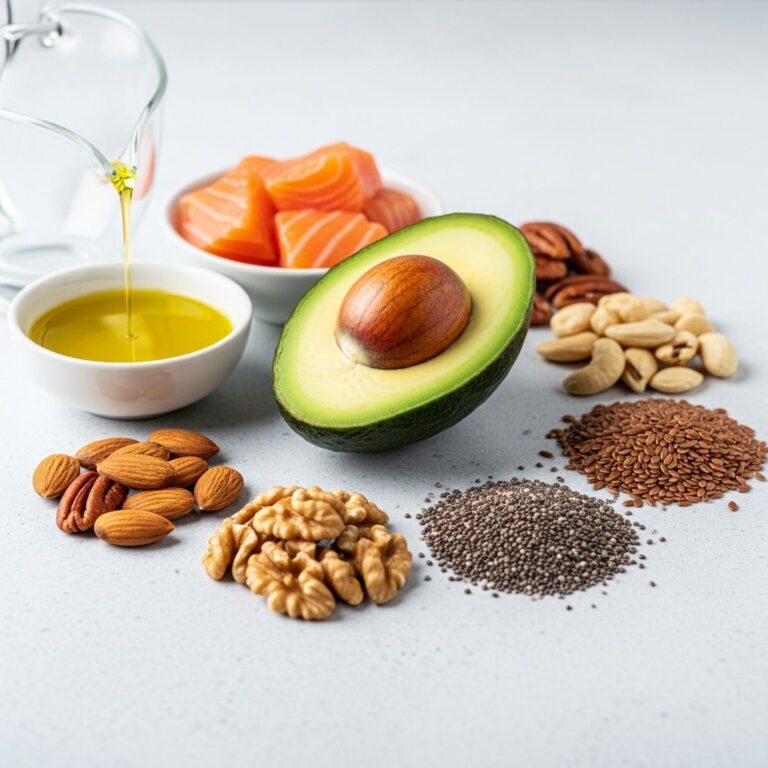
- Nuts/seeds (in moderation for healthy fats and fiber)
Potential Downsides and Side Effects
While brief detoxes pose little harm, prolonged use risks:
| Side Effect | Cause | Duration/Risk |
|---|---|---|
| Headaches/Fatigue | Caffeine withdrawal, low blood sugar | Days 1–3; resolves but recurs if extended |
| Muscle Loss | Protein deficiency | Weeks; up to 25% of weight loss |
| Metabolic Slowdown | Adaptive thermogenesis | Persistent; hinders future weight loss |
| Rebound Weight Gain | Yo-yo dieting | 100% regain common within months |
Groups like pregnant women, those with eating disorders, or chronic conditions should avoid them entirely.
What the Experts Have to Say
“The liver and kidneys effectively remove most toxins without special diets.” — Air Force Medical Service nutritionists.
Peer-reviewed research confirms: A pilot study on WD showed toxin reduction but no superiority over standard calorie restriction for fat loss or safety. Nutritionists advocate whole-food diets over fads.
A Better Way to “Detox”
Support your body’s natural detox organs (liver, kidneys, skin, lungs) daily:
- Eat fiber-rich foods: 25–30g daily from whole grains, beans, produce.
- Stay hydrated: 8–10 cups water; herbal teas optional.
- Limit junk: Reduce alcohol, sugar, processed meats.
- Exercise regularly: Sweating aids minor toxin elimination.
- Sleep well: 7–9 hours for repair.
A balanced diet—fruits, veggies, lean proteins, healthy fats—outperforms any cleanse long-term.
Frequently Asked Questions (FAQs)
What is the most effective detox diet?
No diet truly “detoxes” beyond natural organ function; effective plans emphasize whole foods and calorie balance, like the studied WD.
Do detox diets help you lose weight?
Short-term yes, via restriction, but unsustainable; WD reduced BMI similarly to controls without excess risk.
Are detox diets safe?
Brief ones for healthy adults: yes; extended or extreme: no, due to deficiencies.
How long should a detox diet last?
1–3 days max; longer risks harm. Focus on lifelong habits.
Can detox diets improve skin or energy?
Possibly short-term from hydration/nutrients, but evidence anecdotal.
References
- Effect of toxic trace element detoxification, body fat reduction… — NIH/PMC. 2020-06-15. https://pmc.ncbi.nlm.nih.gov/articles/PMC7310262/
- Detox Diets: Do They Work? — Air Force Medical Service. 2018-07-20. https://www.airforcemedicine.af.mil/News/Display/Article/582532/detox-diets-do-they-work/
- Detox Diets: Do They Work? Are They Healthy? — WebMD. 2023-11-01. https://www.webmd.com/diet/detox-diets
- Detox Diets — Health Well (EANI). 2022-05-10. https://healthwell.eani.org.uk/healthtopic/healthy-diet/detox-diets
- Do cleanses or detox diets work—and are they safe? — HPRC (Uniformed Services University). 2024-03-15. https://www.hprc-online.org/nutrition/fighting-weight-strategies/do-cleanses-or-detox-diets-work-and-are-they-safe
Similar Articles








Read full bio of Sneha Tete