What Happens to Your Body When You Don’t Eat Enough Fiber
Discover the surprising health consequences of low fiber intake and how it impacts digestion, heart health, blood sugar, and more.
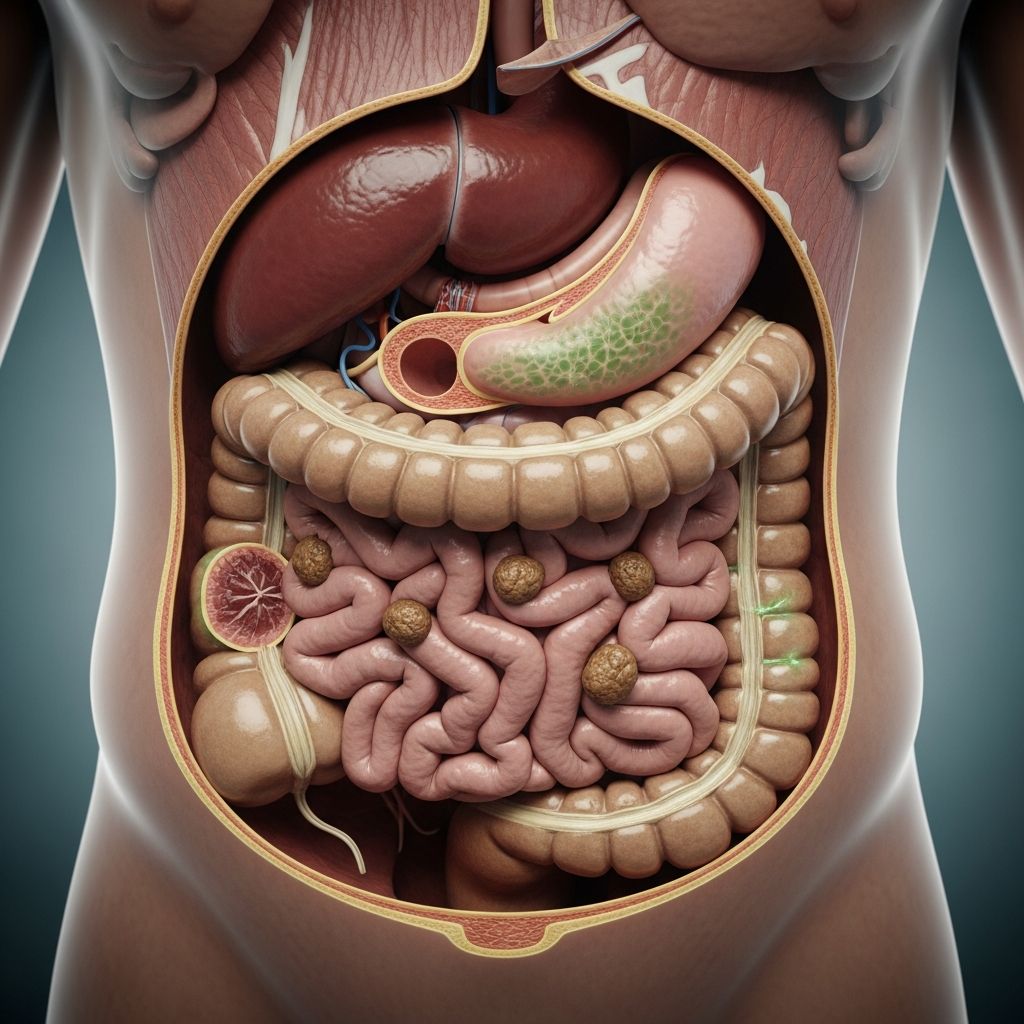
Fiber is an essential nutrient that plays a starring role in keeping your digestive system running smoothly, supporting heart health, regulating blood sugar, and even aiding weight management. Yet, despite its importance, most adults fall short of the recommended daily intake. According to the 2020–2025 Dietary Guidelines for Americans, women should aim for 25 grams of fiber per day and men for 38 grams—but the average intake hovers around just 15 grams.
This shortfall isn’t harmless. A low-fiber diet can trigger a cascade of health issues affecting nearly every system in your body. In this comprehensive guide, we’ll break down exactly what happens when you skimp on fiber, backed by scientific evidence, and provide actionable tips to fiber-proof your diet.
How Much Fiber Do You Actually Need?
Before diving into the consequences, let’s clarify the fiber benchmarks. The Dietary Guidelines for Americans recommend:
- Women ages 19–30: 28 grams/day
- Women ages 31–50: 25 grams/day
- Women ages 51+: 22 grams/day
- Men ages 19–30: 34 grams/day
- Men ages 31–50: 31 grams/day
- Men ages 51+: 28 grams/day
Children and teens have lower targets based on age and calorie needs. Soluble fiber (found in oats, beans, apples) dissolves in water to form a gel-like substance, while insoluble fiber (in wheat bran, vegetables) adds bulk to stool. Both types are crucial for optimal health.
1. You Become Constipated
The most immediate and noticeable effect of low fiber intake is constipation. Fiber absorbs water in your gut, softening stool and increasing its bulk, which stimulates the intestines to move waste along efficiently. Without enough fiber, stools become hard, dry, and difficult to pass.
A 2016 meta-analysis in Alimentary Pharmacology & Therapeutics found that increasing fiber intake significantly relieves constipation symptoms, reducing straining and improving bowel frequency. Conversely, low-fiber diets correlate with chronic constipation affecting up to 16% of adults.
Symptoms include:
- Infrequent bowel movements (fewer than 3 per week)
- Hard, lumpy stools
- Straining during bowel movements
- Sense of incomplete evacuation
Over time, chronic constipation can lead to hemorrhoids, anal fissures, and even diverticular disease, where small pouches form in the colon wall.
2. Your ‘Good’ Cholesterol Drops and ‘Bad’ Cholesterol Rises
Soluble fiber acts like a cholesterol sponge. It binds to bile acids in the intestines (made from cholesterol) and escorts them out of the body, forcing the liver to use more circulating cholesterol to produce new bile. This process lowers LDL (“bad”) cholesterol and can modestly raise HDL (“good”) cholesterol.
The American Heart Association endorses fiber’s heart-protective effects. A low-fiber diet disrupts this mechanism, allowing LDL levels to climb and increasing atherosclerosis risk—the buildup of plaques in arteries that can lead to heart attacks and strokes.
Related Stories



| Fiber Source | Soluble Fiber (g per serving) | LDL Reduction Potential |
|---|---|---|
| Oats (1/2 cup dry) | 2g | 5–10% |
| Black beans (1/2 cup cooked) | 3.5g | 7–12% |
| Apple (medium) | 1g | 3–5% |
3. Blood Sugar Spikes Become the Norm
Fiber slows the absorption of sugar, preventing sharp blood glucose spikes and crashes. Soluble fiber forms a viscous gel in the small intestine that delays gastric emptying and carbohydrate digestion. Without it, refined carbs and sugars flood your bloodstream rapidly.
This is particularly problematic for diabetes management. A 2014 study in The BMJ showed high-fiber diets reduce type 2 diabetes risk by 15–30%. Low fiber exacerbates insulin resistance, promotes inflammation, and accelerates prediabetes progression to full-blown diabetes.
Pro tip: Pair carbs with fiber sources—think apple slices with peanut butter instead of juice, or lentil soup over white rice.
4. You Miss Out on Fiber’s Prebiotic Superpowers
Your gut microbiome—the trillions of bacteria living in your colon—thrives on fermentable fibers (prebiotics). These “feed” beneficial bacteria like Bifidobacteria and Lactobacilli, which produce short-chain fatty acids (SCFAs) such as butyrate.
SCFAs fuel colon cells, reduce inflammation, and strengthen the gut barrier. Low fiber starves these good bugs, allowing harmful pathogens to overgrow. The result? Dysbiosis linked to IBS, IBD, obesity, anxiety, and even colon cancer.
Research from the National Institutes of Health (2020) confirms that higher fiber intake correlates with greater microbial diversity and SCFA production.
5. You’re More Likely to Pack on Pounds
Fiber promotes satiety through multiple mechanisms: it expands in your stomach, slows digestion, and requires more chewing. Studies consistently show high-fiber diets aid weight loss and maintenance.
A 2005 meta-analysis in the Annals of Internal Medicine found that for every 14g increase in daily fiber, body weight drops by 1.9 pounds over 3.8 months. Low-fiber eating patterns—think processed foods, white bread, sugary cereals—lack this fullness factor, leading to overeating and weight gain.
6. Your Colon Cancer Risk Climbs
Dietary fiber may protect against colorectal cancer through several pathways: diluting potential carcinogens in stool, speeding transit time to limit toxin exposure, and producing protective SCFAs. The World Health Organization lists low fiber as a key risk factor.
A 2017 World Cancer Research Fund report estimates that 30g/day fiber intake could prevent 25% of colorectal cancers in high-income countries.
7. You Might Experience More Fatigue and Mood Swings
Emerging research links the gut-brain axis to mental health. Low fiber disrupts microbiome balance, reducing serotonin production (95% is made in the gut) and increasing inflammation that crosses the blood-brain barrier.
Blood sugar instability from low fiber also triggers energy crashes and irritability. Stable glucose from high-fiber meals supports steady mood and focus throughout the day.
8. Diverticular Disease Risk Increases
Diverticula are small pouches that can form in the colon wall, especially where fiber is scarce and stool is hard. A high-fiber diet keeps pressure low in the colon by bulking and softening stool.
The National Institute of Diabetes and Digestive and Kidney Diseases recommends 25–30g fiber daily to prevent diverticulosis complications like bleeding or infection.
9 Simple Ways to Boost Your Fiber Intake
- Start breakfast with oats or bran cereals (8–12g per serving)
- Snack on fruits with edible skins—apples, pears, berries
- Swap refined grains for whole grains—brown rice, quinoa, whole-wheat pasta
- Double up on beans and lentils in soups, salads, tacos (7–15g per ½ cup)
- Eat the rainbow of vegetables—broccoli, Brussels sprouts, carrots
- Add chia or flaxseeds to smoothies, yogurt (10g per 2 tbsp)
- Choose popcorn as a whole-grain snack (3.5g per 3 cups)
- Make hummus or bean dips your go-to
- Increase gradually and drink plenty of water to avoid bloating
Frequently Asked Questions (FAQs)
Can too much fiber be harmful?
Excessive fiber (over 70g/day) without adequate water can cause bloating, gas, or blockages, especially if increased suddenly. Build up gradually.
Does fiber cancel out calories?
Fiber has negligible calories since it’s not digested, but it doesn’t “erase” other food calories. It aids weight control through satiety.
Are fiber supplements as good as food?
Whole foods provide vitamins, minerals, and diverse fibers supplements lack. Use supplements only as adjuncts to diet.
Does cooking reduce fiber content?
Minimal impact—cooking may make some fibers more digestible. Raw and cooked both count toward your daily goal.
References
- Dietary Guidelines for Americans, 2020-2025 — U.S. Department of Agriculture and HHS. 2020-12-01. https://www.dietaryguidelines.gov/sites/default/files/2020-12/Dietary_Guidelines_for_Americans_2020-2025.pdf
- Effects of dietary fiber on constipation — Christodoulides et al., Alimentary Pharmacology & Therapeutics. 2016-02-15. https://pubmed.ncbi.nlm.nih.gov/26791849/
- Dietary Fats and Cardiovascular Disease — American Heart Association. 2021-08-01. https://www.ahajournals.org/doi/10.1161/CIR.0000000000000743
- Carbohydrate quality and risk of type 2 diabetes — Jenkins et al., The BMJ. 2014-06-24. https://pubmed.ncbi.nlm.nih.gov/24901089/
- Dietary fibre and colorectal cancer — World Cancer Research Fund. 2017-10-01. https://pubmed.ncbi.nlm.nih.gov/28731292/
- Diverticular Disease — National Institute of Diabetes and Digestive and Kidney Diseases. 2023-05-15. https://www.niddk.nih.gov/health-information/digestive-diseases/diverticulosis-diverticulitis
Word count: 1,728
Similar Articles








Read full bio of Sneha Tete