What Happens to Your Body When You Don’t Eat Enough Protein
Discover the hidden effects of protein deficiency on your muscles, mood, immunity, and more—and how to fix it with simple dietary changes.

Protein is a cornerstone of health, forming the building blocks for muscles, enzymes, hormones, and immune cells. The recommended dietary allowance (RDA) for adults is 0.8 grams per kilogram of body weight daily, roughly 46-56 grams for most people, or 10-15% of total energy intake. Falling short disrupts vital functions, leading to widespread effects. This article examines seven key consequences of inadequate protein, drawing from clinical evidence, plus tips to prevent deficiency.
1. You Lose Muscle Mass
Your body relies on protein-derived amino acids to maintain and repair muscle tissue. Without enough, it breaks down existing muscle for amino acids, causing atrophy—especially during weight loss or aging. This sarcopenia reduces strength, making workouts feel harder and daily tasks exhausting.
Clinical trials show low-protein diets (<0.8 g/kg/day) accelerate lean mass loss compared to higher intakes, which preserve fat-free mass (FFM) via elevated satiety hormones and resting energy expenditure (REE). Older adults are particularly vulnerable; protein needs rise to 1.0-1.2 g/kg/day due to anabolic resistance, yet many consume less amid reduced appetite.
- Muscle breakdown: Catabolism increases, dropping strength by up to 20-30% in deficient states.
- Weight loss sabotage: On GLP-1 meds or calorie deficits, aim for 1+ g/kg to retain muscle.
- Aging impact: Sarcopenia risk doubles without adequate protein, impairing mobility.
2. Your Hair and Nails Become Brittle
Keratin, a tough protein, comprises 90% of hair and nails. Insufficient intake weakens these structures, causing thinning, breakage, and slow growth. Signs include dry, brittle strands and ridges or white spots on nails.
Amino acids like cysteine and methionine are essential for keratin synthesis; deficiency impairs this, as every cell depends on proteins. Studies link low protein to hair loss (telogen effluvium) and nail fragility, reversible with intake boosts.
| Sign | Cause | Fix |
|---|---|---|
| Brittle hair | Keratin shortage | Eggs, nuts (rich in sulfur aminos) |
| Weak nails | Reduced matrix protein | Lean meats, dairy |
| Thinning | Amino acid deficit | 30g+ protein/meal |
3. You Experience Constant Fatigue and Weakness
Protein aids energy production, blood sugar regulation, and red blood cell formation. Deficiency triggers fatigue, even post-rest, as muscles weaken and anemia risks rise. Everyday activities like climbing stairs feel daunting.
Amino acids fuel neurotransmitter synthesis (e.g., dopamine for energy); low levels cause sluggishness. Low protein elevates hunger hormones like ghrelin while suppressing satiety signals (GLP-1, PYY), worsening energy dips.
- Fatigue from poor glucose control and low hemoglobin.
- Weakness via muscle catabolism.
- Brain fog from depleted serotonin/norepinephrine precursors.
4. Your Immune System Weakens
Antibodies and immune cells are proteins; deficiency impairs their production, leading to frequent illnesses, slow recovery, and infections. Protein supports cytokine signaling and white blood cell function.
Research shows low intake reduces immune response, increasing hospitalization risks in older adults. High-protein diets boost immunity via amino acid availability for T-cell proliferation.
Related Stories



5. You Notice Swelling (Edema)
Severe deficiency causes hypoalbuminemia—low blood albumin (a protein maintaining fluid balance)—resulting in edema, especially in legs, feet, and abdomen (kwashiorkor). Rare in developed nations but signals critical malnutrition.
Albumin prevents fluid leakage from vessels; levels drop below 3.5 g/dL with chronic low protein, mimicking heart/kidney issues. Differentiate via blood tests.
6. Your Mood and Mental Clarity Suffer
Amino acids like tryptophan produce serotonin and norepinephrine for mood regulation. Deficiency risks depression, anxiety, and brain fog. Low protein disrupts neurotransmitter balance, heightening emotional volatility.
Studies correlate inadequate intake with mood disorders; boosting to RDA restores precursors. Older adults face amplified risks from absorption declines.
7. Wound Healing Slows
Protein builds collagen for tissue repair. Deficiency delays healing, increases infection risk, and prolongs recovery. Post-surgery or injury, needs double.
Amino acids (arginine, glutamine) fuel fibroblasts; low levels halve collagen deposition rates.
How Much Protein Do You Actually Need?
RDA: 0.8 g/kg (sedentary adults). Active/older: 1.2-2.0 g/kg. Distribute 20-40g/meal for optimal synthesis. Vegans: Combine sources (rice+beans).
| Group | Daily Protein (g/kg) | Example (70kg person) |
|---|---|---|
| Sedentary adult | 0.8 | 56g |
| Athlete | 1.6-2.0 | 112-140g |
| Older adult | 1.2 | 84g |
| Weight loss | 1.2-1.6 | 84-112g |
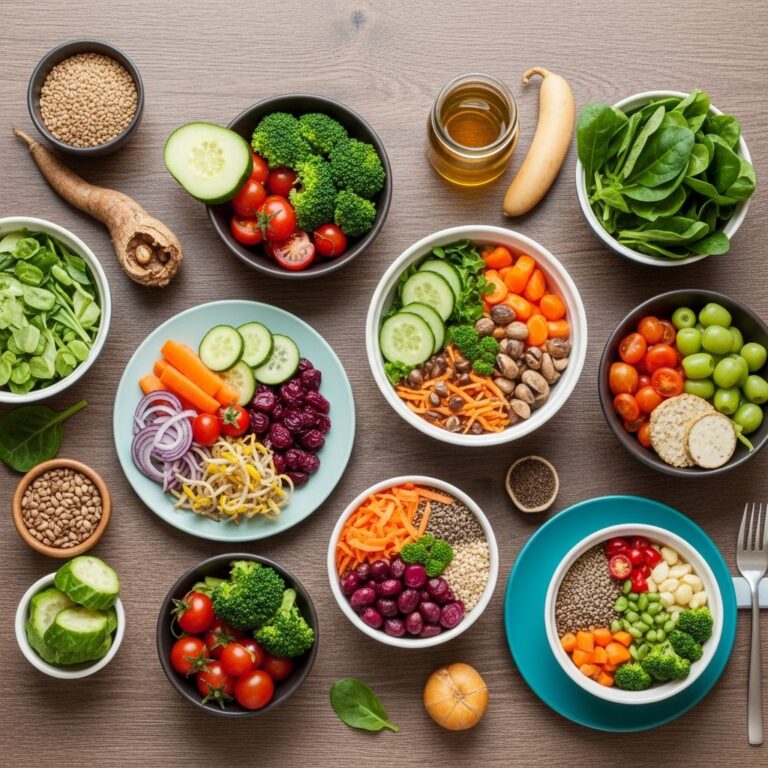
9 Easy Ways to Eat More Protein
- Start with eggs: 6g each; scramble with spinach.
- Greek yogurt: 20g/cup; top with nuts.
- Lean meats/fish: Chicken (53g/6oz), salmon (34g/6oz).
- Beans/lentils: 18g/cup cooked.
- Nuts/seeds: Almonds (6g/oz).
- Cottage cheese: 25g/cup.
- Tofu/quinoa: Plant-powered options.
- Protein shakes: Post-workout boost.
- Snack smart: Jerky, edamame, cheese sticks.
Prioritize protein at every meal: Fill ¼-½ plate. Track via apps.
Frequently Asked Questions (FAQs)
Can protein deficiency cause sleep issues?
No strong evidence links low protein directly to poor sleep, though fatigue may indirectly affect rest.
How do I know if I’m protein deficient?
Signs: Muscle loss, brittle hair/nails, fatigue, swelling, frequent sickness. Consult a doctor for blood tests (albumin, prealbumin).
Is protein deficiency common?
Rare severely, but suboptimal intake affects 10-30% of older adults and dieters.
Vegetarians at risk?
Possible if not combining sources; aim for diverse plants + fortified foods.
Bottom Line
Inadequate protein silently erodes health via muscle loss, weakened immunity, and more. Aim for RDA+ via whole foods; consult pros for personalized needs. Replenish to thrive.
References
- Clinical Evidence and Mechanisms of High-Protein Diet-Induced Weight Loss — PMC/NCBI. 2020-10-15. https://pmc.ncbi.nlm.nih.gov/articles/PMC7539343/
- Protein Deficiency Symptoms: Signs of Not Eating Enough Protein — WeightWatchers. 2024-01-10. https://www.weightwatchers.com/us/blog/food-nutrition/protein-deficiency-signs
- 8 Signs of Protein Deficiency in Older Adults — National Council on Aging (NCOA). 2024-05-20. https://www.ncoa.org/article/8-signs-of-protein-deficiency-in-older-adults/
- Low-Protein Diet: A Complete Guide — Healthline. 2023-11-05. https://www.healthline.com/nutrition/low-protein-diet
Similar Articles








Read full bio of medha deb