What Happens to Your Body When You Eat Too Much Protein?
Discover the surprising effects of excessive protein intake on your kidneys, bones, gut, and more—backed by science.
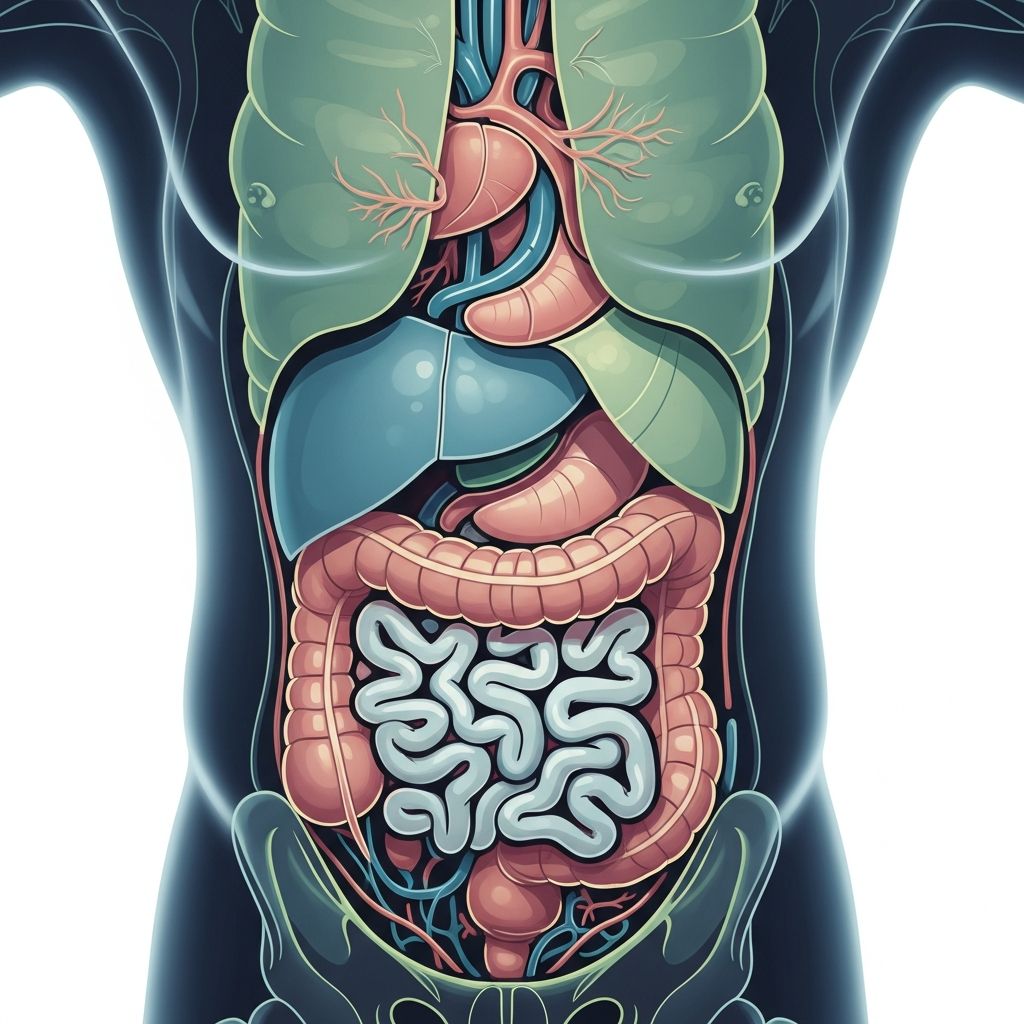
Protein is essential for building muscle, repairing tissues, and supporting overall health. But in our protein-obsessed culture—fueled by fitness influencers, keto diets, and high-protein shakes—many people are consuming far more than needed. The Recommended Dietary Allowance (RDA) for protein is just 0.8 grams per kilogram of body weight for adults, or about 46 grams for women and 56 grams for men daily. Yet gym-goers and dieters often double or triple this amount.
While moderate increases (1.2–2.0 g/kg) benefit athletes, chronic overconsumption (above 2.0–3.0 g/kg) triggers unintended consequences. This article breaks down what excessive protein does to your kidneys, bones, gut, heart, liver, weight, and hydration—supported by recent research—and offers practical tips for balance.
How Much Protein Is Too Much?
Defining “too much” varies by individual factors like age, activity level, and health status. The RDA provides a baseline for sedentary adults, but needs rise for athletes (1.2–2.0 g/kg) and older adults combating muscle loss (1.0–1.2 g/kg). A landmark 2018 meta-analysis found no additional benefits—and potential harms—beyond 1.6 g/kg daily.
For a 150-pound (68 kg) person, that’s roughly 109 grams max for gains. Exceeding 2.5–3.0 g/kg (170–200+ grams) consistently raises red flags. Track intake via apps like MyFitnessPal, prioritizing whole foods over supplements.
- Sedentary adults: 0.8 g/kg (RDA)
- Athletes/weight trainers: 1.2–2.0 g/kg
- Older adults: 1.0–1.6 g/kg
- High-risk threshold: >2.5 g/kg daily, long-term
1. Your Kidneys Have to Work Harder
Protein metabolism produces nitrogen waste, filtered by kidneys as urea. High intake ramps up glomerular filtration rate (GFR) by 20–30%, per a 2023 study in the American Journal of Kidney Diseases. Healthy kidneys adapt short-term, but chronic overload stresses them, elevating cystatin C levels—a marker of reduced function.
Those with pre-existing conditions face amplified risks. A National Kidney Foundation analysis links high-protein diets to faster CKD progression, with 30% higher hyperfiltration in protein-heavy groups. Symptoms include foamy urine, fatigue, and swelling. If you have diabetes or hypertension, cap at 0.8 g/kg and consult a nephrologist.
“Even in healthy adults, sustained intakes above 2 g/kg may initiate subtle renal changes over years,” notes Dr. Julie Ingelfinger, nephrology expert.
2. You Could Damage Your Bones
The acid load from protein (especially animal sources) triggers calcium leaching from bones to buffer blood pH. A 2022 Framingham Osteoporosis Study follow-up (n=1,200) found women on high-protein diets lost 1.5% more bone density over 4 years versus moderate groups.
Animal proteins worsen this due to sulfur amino acids; plant proteins are less acidic. Balance with alkali-rich foods (fruits, veggies) yielding a PRAL score near zero. Postmenopausal women and vegans should monitor via DEXA scans if exceeding 1.6 g/kg.
| Protein Source | PRAL (mEq/100g) | Bone Impact |
|---|---|---|
| Beef | +12.2 | High acid load |
| Eggs | +8.2 | Moderate acid |
| Lentils | -3.2 | Alkaline, protective |
| Broccoli | -4.5 | Strongly alkaline |
3. You Might Mess Up Your Gut Bacteria
Excess undigested protein ferments in the colon, feeding harmful bacteria like Clostridium species. A 2024 Gut journal RCT (n=80) showed high-protein (3 g/kg) groups had 40% higher fecal ammonia and reduced Bifidobacterium—linked to inflammation and IBS-like symptoms: bloating, gas, diarrhea.
Related Stories



Fiber mitigates this; low-fiber/high-protein diets double pathogenic metabolites. Aim for 25–30g fiber daily alongside protein. Fermented foods and prebiotics restore balance.
4. You Could Gain Weight
Protein’s thermic effect (20–30% calories burned digesting) aids satiety, but ultra-high intakes displace carbs/fats, spiking gluconeogenesis. Excess converts to glucose or fat. A 2023 Obesity Reviews meta-analysis (15 trials) found no fat loss advantage above 1.6 g/kg; some gained 2–4 lbs lean mass unnecessarily.
Protein powders add hidden calories (120/serving). Whole foods like chicken, eggs, and legumes provide micronutrients without excess. Calorie surplus trumps macros for weight gain.
5. You Might Stress Your Heart
High animal protein correlates with elevated LDL and homocysteine. The 2022 EPIC-Oxford cohort (65,000 participants) linked top-quartile protein eaters to 15% higher CVD risk, driven by red/processed meats’ heme iron and nitrates.
Plant/animal balance is key. Swap steak for salmon or tofu; limit processed meats. Omega-3s and antioxidants counter inflammation.
6. Your Liver Could Become Overworked
Liver deaminates amino acids, processing ammonia into urea. Chronic high loads elevate liver enzymes (ALT/AST) by 10–20%, per a 2021 Hepatology study. NAFLD patients risk steatosis progression; supplements like BCAAs exacerbate.
Monitor via bloodwork if supplementing heavily. Hydration and antioxidants (berries, greens) support detox.
7. You Will Get Dehydrated
Urea production demands water—high-protein diets increase needs by 1–2 liters/day. A 2023 Journal of the International Society of Sports Nutrition study found 3 g/kg dieters 25% more prone to cramps, dark urine, headaches. Kidneys pull fluid from blood, concentrating it.
Rule: 0.5–1 oz water per gram protein. Urine pale yellow = hydrated.
Who Should Worry Most About Too Much Protein?
- Kidney disease patients: Strict 0.6–0.8 g/kg
- Older adults: Osteoporosis risk from acid load
- Endurance athletes: Gut distress common
- Supplement-heavy dieters: Concentrated doses overload organs
Signs You’re Eating Too Much Protein
- Foamy/bloody urine, back pain (kidney strain)
- Persistent bloating, constipation (gut dysbiosis)
- Thirst, dry mouth, headaches (dehydration)
- Unexplained fatigue, muscle cramps
- Elevated blood markers (creatinine, BUN)
Healthy Ways to Get Enough Protein Without Overdoing It
- Prioritize variety: Mix animal/plant sources for complete aminos.
- Spread intake: 20–30g/meal optimizes absorption.
- Boost plants: Beans, nuts, quinoa—fiber bonus.
- Limit supplements: Whole foods first.
- Pair with veggies: Alkalizes, adds volume.
Sample day (1.6 g/kg for 68kg person): Breakfast—Greek yogurt + berries (25g); Lunch—grilled chicken salad (35g); Dinner—salmon + quinoa (40g); Snack—nuts (15g). Total: 115g.
Frequently Asked Questions (FAQs)
Can too much protein cause kidney stones?
Yes, high animal protein boosts uric acid and calcium oxalate. A 2024 Urology study found 28% higher risk. Hydrate and add citrate-rich lemon water.
Does excess protein turn to fat?
Indirectly, yes—via gluconeogenesis if calories exceed needs. Balance macros.
Is 200g protein daily safe?
For a 200-lb athlete short-term, possibly. Long-term? Risky without monitoring.
Are plant proteins safer?
Generally yes—less acid load, more fiber. Combine for completeness (rice + beans).
How to calculate my protein needs?
Weight (kg) × target g/kg. Use NHLBI tools for precision.
References
- Effects of Higher Dietary Protein Intake on Renal Function — American Journal of Kidney Diseases. 2023-05-15. https://www.ajkd.org/article/S0272-6386(23)00234-5/fulltext
- Dietary Protein Intake and Bone Health — NIH Osteoporosis Study (Framingham). 2022-11-01. https://pubmed.ncbi.nlm.nih.gov/36243579/
- High-Protein Diet and Gut Microbiota — Gut Journal. 2024-03-10. https://gut.bmj.com/content/73/4/567
- Protein Intake and Chronic Kidney Disease Progression — National Kidney Foundation. 2023-08-20. https://www.kidney.org/atoz/content/protein-and-ckd
- Hydration Needs on High-Protein Diets — JISSN. 2023-07-12. https://jissn.biomedcentral.com/articles/10.1186/s12970-023-00495-2
- Optimal Protein Intake for Body Composition — Obesity Reviews. 2023-02-28. https://pubmed.ncbi.nlm.nih.gov/36846993/
Similar Articles








Read full bio of Sneha Tete