What Happens to Your Body with Insulin Resistance
Understand insulin resistance effects on your body, from high blood sugar to risks of type 2 diabetes and heart disease, plus prevention strategies.
What Happens to Your Body When You Have Insulin Resistance
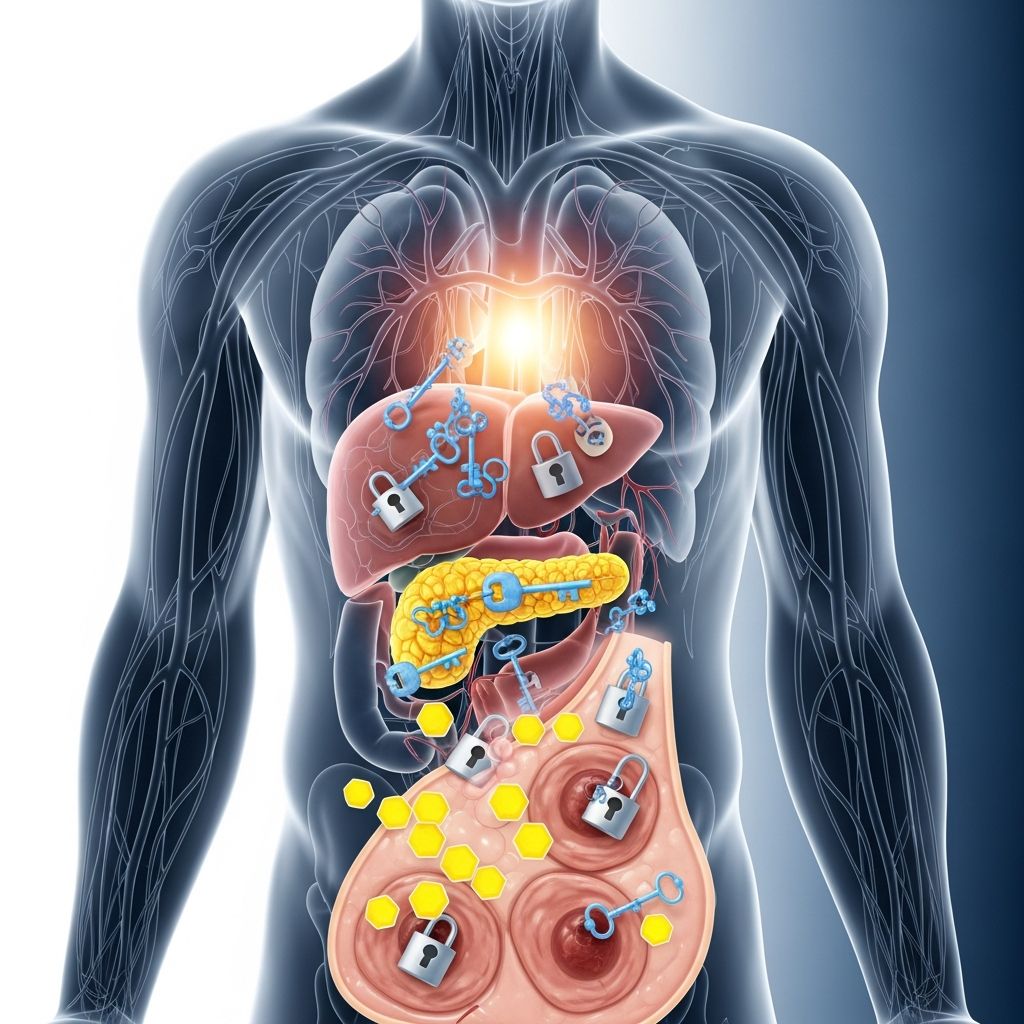
Insulin resistance occurs when cells in muscles, fat, and liver fail to respond properly to insulin, impairing glucose uptake and causing blood sugar buildup. This leads to hyperinsulinemia as the pancreas overproduces insulin, potentially progressing to prediabetes and type 2 diabetes if unmanaged.
What Is Insulin Resistance?
Insulin, a hormone from the pancreas, regulates blood sugar by enabling cells to absorb glucose for energy or storage. In insulin resistance, cells resist this signal, leaving glucose in the bloodstream. The pancreas compensates by secreting more insulin (hyperinsulinemia), but sustained resistance elevates blood glucose (hyperglycemia), a hallmark of prediabetes.
This condition affects anyone, not just those with diabetes, and can be temporary (e.g., from steroids) or chronic. Excess belly fat and inactivity are primary drivers, though genetics, hormones, and lifestyle play roles. Globally, poor diets high in sugars and sedentary habits exacerbate it, even in underweight individuals.
Symptoms of Insulin Resistance
Early insulin resistance often lacks symptoms, remaining silent for years until prediabetes or type 2 diabetes emerges. When noticeable, signs include:
- High blood sugar levels
- Fatigue and energy crashes
- Increased hunger and cravings
- Dark skin patches (acanthosis nigricans), especially neck, armpits, groin
- Weight gain, particularly abdominal
- Frequent infections or slow healing
These stem from chronic hyperglycemia straining the body. Underweight patients with insulin resistance may show subtle differences, like irregular eating patterns, but share core metabolic disruptions.
Causes and Risk Factors
Key contributors include:
- Obesity: Excess visceral fat releases inflammatory cytokines (e.g., TNF-alpha, interleukins) blocking insulin receptors.
- Inactivity: Sedentary lifestyles impair glucose tolerance in both obese and underweight people.
- Poor diet: High intake of simple sugars, saturated fats, processed foods, and sugary drinks promotes resistance.
- Hormonal issues: Conditions like PCOS, Cushing’s syndrome disrupt insulin signaling.
- Genetics: Rare mutations in insulin receptors or GLUT proteins; family history increases risk.
- Age and ethnicity: Risk rises after 45; higher in certain groups.
Underweight individuals with resistance often have distinct habits, like emotional eating or low fruit/vegetable intake, differing from obese counterparts.
How Insulin Resistance Affects Your Body
Insulin resistance triggers systemic changes across organs:
Pancreas Strain
The pancreas overworks to produce excess insulin, leading to beta-cell exhaustion and reduced output over time, paving way for type 2 diabetes.
High Blood Sugar (Hyperglycemia)
Elevated glucose damages vessels, nerves, and organs via oxidative stress and inflammation.
Hyperinsulinemia Effects
Excess insulin promotes fat storage, hunger, and cell growth, worsening obesity and raising cancer risks.
Metabolic Syndrome
Often clusters with high blood pressure, dyslipidemia, central obesity—increasing heart disease risk fivefold.
Non-Alcoholic Fatty Liver Disease (NAFLD)
Hyperinsulinemia drives liver fat buildup, progressing to inflammation (NASH) or cirrhosis.
Polycystic Ovary Syndrome (PCOS)
In women, resistance disrupts ovulation, causing irregular periods, excess androgens, infertility.
Cardiovascular Risks
Promotes atherosclerosis via inflammation, high triglycerides, low HDL, hypertension.
Other Impacts
Skin changes (acanthosis), neuropathy, kidney strain, cognitive fog from poor brain glucose use. Inflammation in adipocytes initiates cascade, blocking receptors.
Diagnosis
Providers use blood tests:
- Fasting glucose: 100-125 mg/dL indicates prediabetes.
- A1C: 5.7-6.4% suggests resistance.
- HOMA-IR: Calculates resistance from fasting insulin/glucose.
- Oral glucose tolerance test: Measures post-sugar response.
Assess habits via questionnaires for underweight/obese differences.
Treatment and Management
Lifestyle is cornerstone; medications treat comorbidities.
Diet Strategies
Focus low-GI foods to steady blood sugar:
| Foods to Limit | Foods to Emphasize |
|---|---|
| High-GI: Soda, candy, white bread, potatoes, fruit juices | Low-GI: Leafy greens, berries, nuts, legumes, whole grains, non-starchy veggies |
| Processed meats, full-fat dairy, fried foods | Lean proteins (fish, poultry 2-3x/week), olive oil, fatty fish |
Mediterranean, DASH, plant-based diets recommended; limit red meat to once weekly, prioritize steaming/baking. Increase fruits/veggies (underweight more likely compliant), adequate water. Avoid intuitive/emotional eating pitfalls.
Exercise
Aerobic (walking, swimming) + resistance training improves sensitivity; aim 150 min/week moderate activity. Obese benefit from resistance focus.
Weight Management
5-10% loss reverses resistance.
Medications
Metformin for prediabetes; statins for lipids, antihypertensives as needed.
Lifestyle Changes
Sleep 7-9 hours, manage stress, quit smoking. Long-term adherence key.
Prevention
Maintain healthy weight, exercise regularly, eat balanced diet low in processed foods/sugars. Even underweight/underactive individuals need education on habits. Early intervention prevents progression.
Frequently Asked Questions
Can insulin resistance be reversed?
Yes, lifestyle changes like diet, exercise, weight loss often reverse it, especially early.
Who is at risk for insulin resistance?
Anyone with obesity, inactivity, poor diet, family history, or hormonal disorders; not limited to overweight.
Does insulin resistance cause weight gain?
Yes, hyperinsulinemia promotes fat storage, creating a cycle.
How does diet affect insulin resistance?
Low-GI, Mediterranean-style diets improve sensitivity; high-sugar/processed foods worsen it.
Is insulin resistance the same as diabetes?
No, it’s a precursor; unmanaged, it leads to type 2 diabetes.
References
- Eating and Lifestyle Habits in Underweight Patients with Insulin Resistance — National Center for Biotechnology Information (PMC). 2023-04-28. https://pmc.ncbi.nlm.nih.gov/articles/PMC10122527/
- Insulin Resistance: What It Is, Causes, Symptoms & Treatment — Cleveland Clinic. 2023-08-23. https://my.clevelandclinic.org/health/diseases/22206-insulin-resistance
Similar Articles



Read full bio of medha deb