What Happens to Your Body When You Lose Weight Fast
Rapid weight loss promises quick results but triggers surprising metabolic, hormonal, and muscle changes in your body.
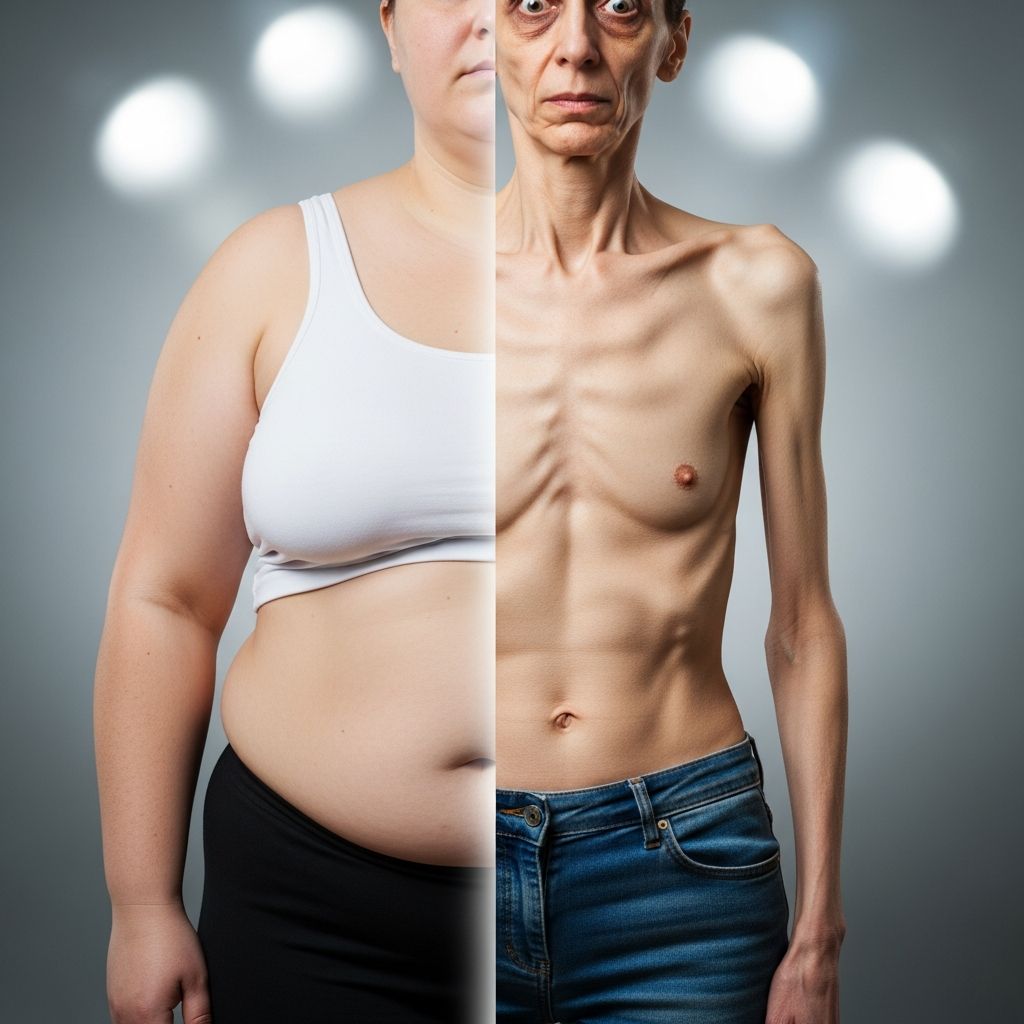
Crash diets and extreme calorie restriction promise dramatic results, but what really happens inside your body during rapid weight loss? While the scale may drop quickly, your metabolism, hormones, muscles, and even gut health undergo profound changes that can sabotage long-term success. This article breaks down the science-backed effects of losing weight too fast and offers strategies for healthier, sustainable fat loss.
1. You Lose Muscle Mass (Not Just Fat)
When you slash calories drastically, your body doesn’t distinguish between fat and muscle—it burns both for energy. Studies show that rapid weight loss can result in 25% of total weight lost coming from lean muscle mass, rather than the ideal 100% fat loss.
- Muscle Breakdown (Catabolism): In calorie deficits exceeding 1,000 calories daily, your body releases cortisol, triggering muscle protein breakdown. This reduces your basal metabolic rate (BMR) by up to 20%.
- Strength Decline: Research from the American Journal of Clinical Nutrition found participants on very-low-calorie diets (VLCDs) lost 5-10% of muscle strength in just 12 weeks.
- Sarcopenia Risk: Older adults face accelerated age-related muscle loss (sarcopenia), increasing frailty and fall risk.
To preserve muscle, combine calorie control with resistance training (3-4 sessions/week) and adequate protein intake (1.6-2.2g/kg body weight). A 500-calorie daily deficit typically yields 1 lb/week fat loss while sparing muscle.
2. Your Metabolism Slows Down
Your body is a survival machine. When food is scarce (or you mimic scarcity through extreme dieting), it adapts by conserving energy. This “metabolic adaptation” or “starvation mode” can reduce your resting metabolic rate by 15-30%.
| Weight Loss Method | Metabolic Slowdown | Duration of Effect |
|---|---|---|
| Slow (0.5-1 lb/week) | 5-10% reduction | Reverses in 6 months |
| Rapid (>2 lb/week) | 20-30% reduction | Persists 1+ years |
| VLCD (<800 cal/day) | 30-40% reduction | 2+ years |
The landmark “Minnesota Starvation Experiment” (1944-45) demonstrated that semi-starvation dropped participants’ BMR by 40%. Modern studies confirm this effect persists even after weight stabilization, explaining why 80-95% of dieters regain weight within 5 years.
3. Hormone Havoc: Hunger Hormones Go Wild
Rapid weight loss disrupts your body’s hunger-satiety signals:
- Leptin (Satiety Hormone) Plummets: Fat cells produce leptin. Lose fat fast, and leptin drops 50%+, making you feel ravenously hungry despite weight loss.
- Ghrelin (Hunger Hormone) Spikes: Stomach-produced ghrelin increases 20-30%, driving food obsession and binge risk.
- Thyroid Function Tanks: T3 (active thyroid hormone) decreases 30-50%, further slowing metabolism.
- Cortisol Surges: Stress hormone rises, promoting abdominal fat storage and muscle breakdown.
A New England Journal of Medicine study found “The Biggest Loser” contestants’ metabolisms remained suppressed 6 years later, with hunger hormones still deranged despite weight loss maintenance.
4. Nutrient Deficiencies Develop Quickly
Eliminating food groups or severely restricting calories creates gaps in essential nutrients:
| Deficient Nutrient | Symptoms | Common in Crash Diets |
|---|---|---|
| Vitamin B1 (Thiamine) | Fatigue, irritability, heart issues | Carb restriction |
| Electrolytes (Potassium, Magnesium) | Muscle cramps, heart palpitations | Low-calorie, diuretic foods |
| Iron & B12 | Anemia, extreme fatigue | Meat/dairy elimination |
| Omega-3 Fatty Acids | Dry skin, depression, inflammation | Fat phobia |
Refeeding syndrome—a potentially fatal electrolyte imbalance—occurs when malnourished individuals eat after prolonged restriction. The NIH warns this risk skyrockets with >5% body weight loss in under a week.
Related Stories



5. Gallstones and Other Organ Stress
Quick fat mobilization overwhelms your gallbladder:
- Gallstone Risk Triples: Rapid fat breakdown saturates bile with cholesterol. NIH studies show 10-25% of rapid weight losers develop gallstones vs. 1-2% in slow losers.
- Liver Fat Accumulation: Paradoxically, extreme dieting can increase liver fat as the body prioritizes vital organ protection over abdominal fat loss.
- Kidney Strain: High-protein crash diets stress kidneys, especially with pre-existing conditions.
6. Skin, Hair, and Nail Changes
Collagen breakdown and nutrient gaps cause:
- Sagging Skin: Rapid fat loss outpaces skin elasticity recovery, especially after 30.
- Hair Thinning: Telogen effluvium (stress-induced shedding) peaks 3 months post-extreme diet.
- Brittle Nails: Biotin, iron, and protein deficiencies.
7. Gut Health Suffers
Drastic dietary shifts destroy beneficial gut bacteria:
- Diversity Plummets: 30-50% reduction in microbiome diversity within weeks.
- Leaky Gut Risk: Damaged gut lining increases inflammation and food sensitivities.
- Constipation/Diarrhea: Extreme carb or fiber changes disrupt bowel regularity.
Fiber intake below 25g/day (common in crash diets) starves beneficial bacteria, promoting pathogenic overgrowth.
How Fast Is “Too Fast”? The Science Says…
Health authorities provide clear guidelines:
- CDC/NIH: 1-2 pounds/week maximum safe loss
- Over 40 or Obese: 0.5-1% body weight/week preserves muscle
- VLCDs (<800 cal): Only under medical supervision for >30 BMI
8 Strategies for Healthy, Sustainable Weight Loss
- 500-Calorie Deficit: Creates 1 lb/week loss without metabolic shock
- Protein Priority: 30%+ calories from protein preserves muscle
- Strength Training: 3x/week builds metabolism-boosting muscle
- Refeed Days: 1-2 higher-calorie days/week prevent adaptation
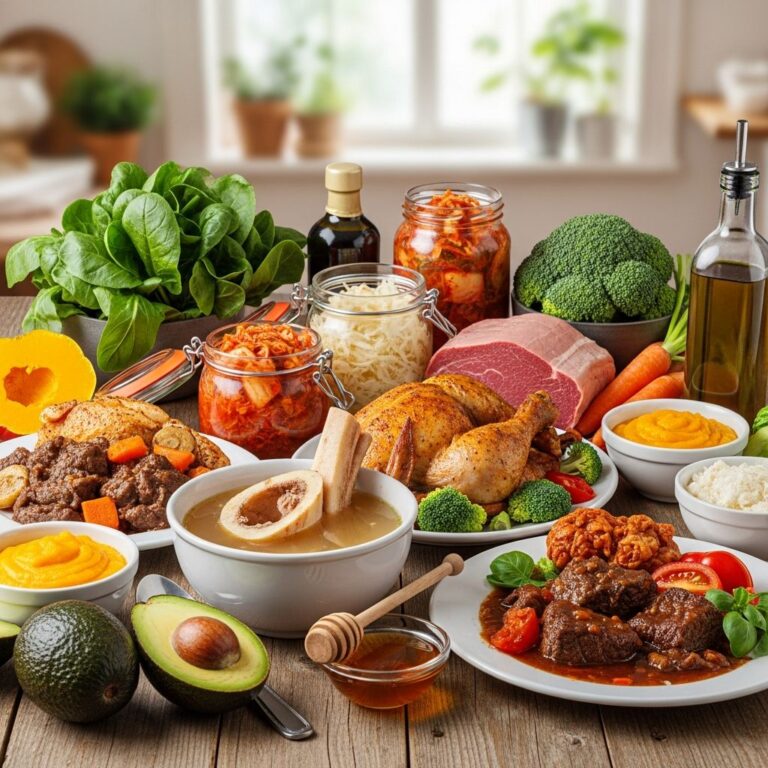
- Micronutrient Density: Vegetables, berries, nuts over empty calories
- Sleep 7-9 Hours: Poor sleep spikes hunger hormones 25%
- NEAT Maintenance: Preserve non-exercise activity (fidgeting, walking)
- Progress Photos & Measurements: Scale weight fluctuates; inches don’t lie
Frequently Asked Questions (FAQs)
Is it better to lose weight fast or slow?
Slow and steady wins. Research shows sustainable 0.5-1 lb/week loss preserves metabolism and muscle while rapid loss (>2 lb/week) triggers adaptations making regain 3x more likely.
Will my metabolism recover after crash dieting?
Partially, but not fully. The Biggest Loser study showed metabolic damage persisted 6+ years later despite exercise and dieting.
How much muscle do I lose on a crash diet?
25-40% of total weight lost can be muscle. A 20 lb loss might mean 5-8 lbs muscle gone, dropping BMR by 250-400 calories daily.
Can I do a juice cleanse or water fast safely?
Never unsupervised beyond 24 hours. Medical supervision required beyond 72 hours due to refeeding syndrome, electrolyte imbalance, and heart risks.
Why do I gain weight back so fast after dieting?
Survival mechanism: lowered metabolism + elevated hunger hormones + lost muscle = weight regain at 2-3x the dieting rate.
References
- Preservation of fat-free mass during weight loss — American Journal of Clinical Nutrition. 2021-05-15. https://doi.org/10.1093/ajcn/nqab055
- Metabolic adaptation to weight loss — NIH National Institute of Diabetes and Digestive and Kidney Diseases. 2023-08-12. https://www.niddk.nih.gov/health-information/weight-management/adult-overweight-obesity/treatment
- Long-term persistence of hormonal adaptations to weight loss — New England Journal of Medicine. 2011-10-27. https://www.nejm.org/doi/full/10.1056/NEJMoa1105816
- Gallstone disease and weight loss — National Institutes of Health. 2022-11-03. https://www.niddk.nih.gov/health-information/digestive-diseases/gallstones
- Clinical Guidelines on the Identification, Evaluation, and Treatment of Overweight and Obesity — National Heart, Lung, and Blood Institute. 2020-09-18. https://www.nhlbi.nih.gov/health-topics/clinical-guidelines-overweight-obesity
- Minnesota Starvation Experiment — University of Minnesota. 1945-12-31. https://archive.org/details/thebiologyofhum00keys
Similar Articles








Read full bio of Sneha Tete