What Happens to Your Body When You Stop Eating Meat
Discover the short- and long-term effects of quitting meat on digestion, energy, heart health, and more, backed by science.
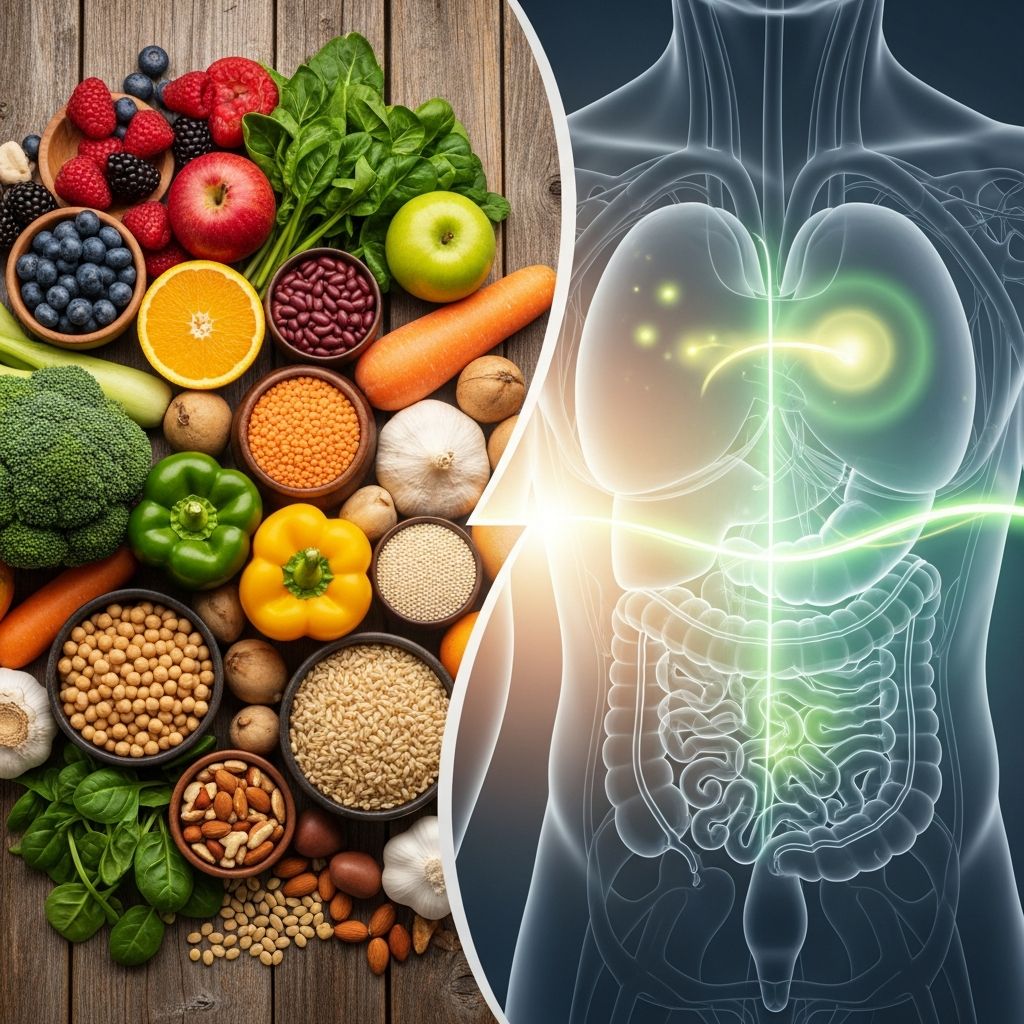
Eliminating meat from your diet triggers a cascade of physiological changes, from improved digestion and heart health to potential nutrient shortfalls. These shifts vary by individual factors like overall diet quality and prior health status.
You Might Lose Weight
Quitting meat often leads to weight loss due to reduced calorie intake from high-fat animal products. Plant-based diets emphasize fiber-rich foods like vegetables, fruits, and legumes, promoting satiety and lowering overall energy consumption. Studies show vegetarians and vegans typically have lower BMIs than meat-eaters.
In large cohort studies, higher red meat intake correlates with increased body weight and obesity risk, partly from saturated fats and processed meats. Swapping meat for plant proteins can enhance weight management over time.
- Fiber boost: Meat lacks fiber; plants provide it, aiding fullness and gut motility.
- Calorie density: Lean meats are calorie-dense; alternatives like beans are not.
- Sustained loss: Long-term plant-based adherents maintain lower weights, per observational data.
Your Digestion Could Improve
Without meat’s heaviness, digestion lightens up quickly. High-fiber plant foods increase stool bulk and frequency, reducing constipation. Initial bloating or gas may occur as gut bacteria adapt to fermentable fibers.
Red meat slows gastric emptying; its absence speeds transit time. Cohort analyses link high meat diets to diverticulitis and gut issues, while plant-heavy eating supports microbiome diversity.
| Effect | Timeline | Cause |
|---|---|---|
| Less bloating long-term | 2-4 weeks | Gut adaptation |
| Increased bowel movements | 1-2 weeks | Fiber surge |
| Reduced reflux | Immediate | Lower fat intake |
Your Heart Health May Get a Boost
Meat cessation slashes saturated fat and cholesterol intake, key culprits in atherosclerosis. Red meat consumption elevates cardiovascular disease (CVD) mortality risk; one daily serving of unprocessed red meat raises total mortality by 13%, processed by 20%.
Plant diets lower LDL cholesterol, blood pressure, and inflammation. Substituting fish, nuts, or legumes for red meat cuts CVD risk significantly. Harvard research reinforces that reducing red meat aids planetary and personal heart health.
- Cholesterol drop: 10-15% LDL reduction in weeks.
- Blood pressure: Improved via potassium-rich plants.
- Mortality benefit: Lower CVD deaths in low-meat cohorts.
You Could Have More Energy—Eventually
Early fatigue may hit from carb adjustments or B12 dips, but steady energy follows as blood sugar stabilizes from complex carbs. Meat-free diets avoid post-meal slumps from heavy proteins.
Though some studies note low-meat risks for energy in development phases, adults often report sustained vitality from antioxidants and steady glucose.
Your Skin Might Clear Up
Ditching dairy and meat reduces acne triggers like hormones and IGF-1. Plant antioxidants combat inflammation, improving complexion. Observational data links high meat to skin issues via oxidative stress.
You May Notice Changes in Body Odor
Less meat means milder sweat and breath odors, as plants produce fewer sulfur compounds. Ammonia from meat digestion diminishes.
Related Stories



Your Muscles Could Change
Protein needs met via plants (tofu, lentils) maintain muscle if intake is adequate. Older adults risk sarcopenia without planning; complete proteins from combos suffice.
- Adequate protein: 1.6g/kg body weight possible plant-based.
- Strength retention: Resistance training preserves mass.
You Might Need to Watch Certain Nutrients
Key risks: B12 (only in animals), iron (heme form absorbed best), zinc, omega-3s. Deficiency signs include fatigue, anemia. Supplements or fortified foods essential.
| Nutrient | Meat Source | Plant Alternative | Risk if Unsupplemented |
|---|---|---|---|
| Vitamin B12 | Abundant | None reliable | Anemia, neuropathy |
| Iron | Heme (high absorb) | Non-heme (pair w/ Vit C) | Fatigue |
| Zinc | Bioavailable | Phytates inhibit | Immunity drop |
| Omega-3 DHA/EPA | Fish/meat | Algae supplements | Brain health |
Burden of Proof analyses find weak links for unprocessed red meat to diseases but stress monitoring nutrients.
Your Risk of Chronic Diseases Could Drop
Lower red meat ties to reduced cancer, diabetes, CVD mortality. Pooled HRs show elevated risks with meat; plants offer protective effects via fiber, phytonutrients.
It Might Affect Your Menstrual Cycle
Low calories or fats in abrupt shifts can disrupt cycles; balanced plant diets support regularity via phytoestrogens.
Your Bones Could Benefit—or Not
Plants provide calcium, vitamin D alternatives; high sodium in processed meats harms bones, but adequate intake needed to avoid osteoporosis risk.
You Could Sleep Better
Less meat eases digestion at night; tryptophan from plants aids serotonin.
Your Immune System Might Strengthen
Antioxidants bolster defenses; but B12/zinc gaps weaken it.
Long-Term Effects of a Meat-Free Diet
Sustained benefits: longevity, lower inflammation. Risks mitigated with planning. Evolutionary omnivory suggests balance; evidence favors moderation.
Frequently Asked Questions (FAQs)
Is quitting meat healthy for everyone?
Not universally; nutrient monitoring crucial, especially for athletes, pregnant individuals.
How soon do changes occur?
Digestion: days; cholesterol: weeks; weight: months.
Can I get enough protein without meat?
Yes, via diverse plants; aim for variety.
Does stopping meat reverse heart disease?
It lowers risk factors significantly.
What if I crave meat?
Transition gradually; use umami plants like mushrooms.
References
- Red Meat Consumption and Mortality: Cohort Studies — Pan A, Sun Q, Bernstein AM, et al. NIH. 2012-03-13. https://pmc.ncbi.nlm.nih.gov/articles/PMC3712342/
- Health effects associated with consumption of unprocessed red meat: a Burden of Proof study — Lescinsky H, Afshin A, et al. Institute for Health Metrics and Evaluation. 2022-10-10. https://www.healthdata.org/research-analysis/library/health-effects-associated-consumption-unprocessed-red-meat-burden-proof
- Reducing meat consumption good for personal and planetary health — Harvard T.H. Chan School of Public Health. Accessed 2026. https://hsph.harvard.edu/news/meat-consumption-health-environment/
- The impact of meat consumption on our health — FEFAC. Accessed 2026. https://fefac.eu/newsroom/news/the-impact-of-meat-consumption-on-our-health/
Similar Articles








Read full bio of Sneha Tete