What Happens to Your Body When You Take Mushroom Supplements
Discover the science-backed effects of mushroom supplements on immunity, brain health, heart function and more from expert insights.
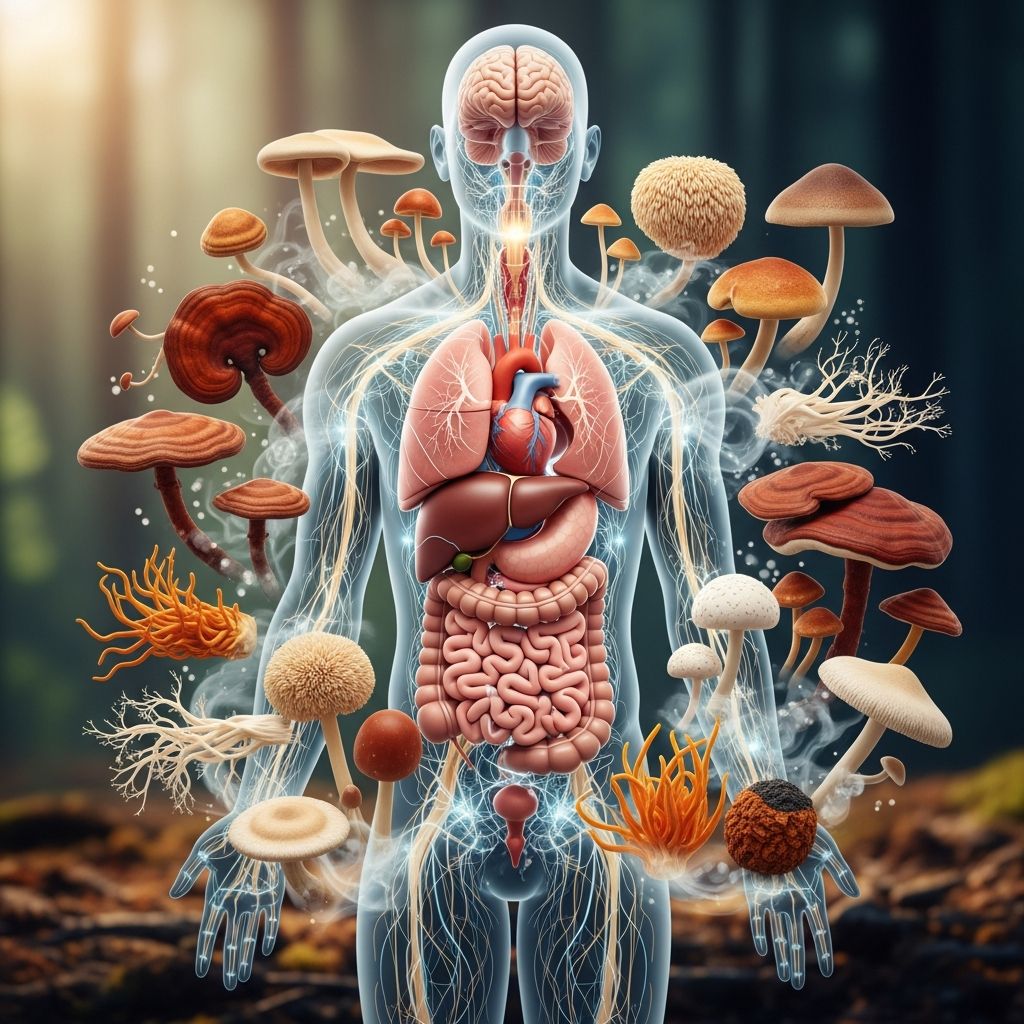
Mushroom supplements derived from functional fungi like reishi, lion’s mane, cordyceps and turkey tail are surging in popularity for their potential to support immunity, cognition and stress resilience. These adaptogenic mushrooms contain bioactive compounds such as beta-glucans, polysaccharides and ergothioneine that may influence multiple body systems.
While whole mushrooms offer nutritional benefits including B vitamins, selenium and vitamin D precursors, supplements concentrate these compounds for therapeutic effects. Human studies show promising results for immune modulation and metabolic health, though more large-scale trials are needed.
What Are Mushroom Supplements?
Mushroom supplements are concentrated extracts or powders from the fruiting bodies or mycelium of medicinal fungi. Unlike culinary mushrooms, functional varieties like ganoderma lucidum (reishi), hericium erinaceus (lion’s mane) and cordyceps sinensis target specific health outcomes.
Common forms include capsules, tinctures, powders and gummies. Extracts standardize for polysaccharides (30-50%) or triterpenes, key to their bioactivity. Mycelium-based products grow on grain, potentially diluting pure mushroom compounds compared to fruiting body extracts.
- Reishi: Supports immune balance and stress reduction via triterpenes.
- Lion’s Mane: Promotes nerve growth factor for brain health.
- Cordyceps: Enhances energy and oxygen utilization.
- Turkey Tail: Rich in PSK/PSP for immune support.
- Chaga: Antioxidant powerhouse with betulinic acid.
Harvard’s Nutrition Source notes mushrooms provide fiber, B vitamins and ergothioneine—a unique antioxidant humans can’t synthesize. Supplements amplify these for targeted benefits.
Potential Health Benefits of Mushroom Supplements
1. They May Strengthen Your Immune System
Polysaccharides like beta-glucans in mushrooms activate natural killer (NK) cells, macrophages and T-cells. A review of human trials found reishi supplementation increased NK cell activity in cancer patients and reduced chemotherapy side effects like fatigue and nausea.
In one study, 61 breast cancer patients taking reishi reported fewer symptoms (appetite loss, hair loss) versus controls. Turkey tail’s polysaccharide-K (PSK) is approved in Japan as an adjunct cancer therapy, improving survival rates.
Cedars-Sinai highlights ergothioneine and glutathione in mushrooms shield immune cells from oxidative damage. Daily supplementation (1-3g) may enhance vaccine response and cold/flu resistance.
2. They Could Boost Brain Function and Mood
Lion’s mane contains hericenones and erinacines that stimulate brain-derived neurotrophic factor (BDNF) and nerve growth factor (NGF), supporting neuron repair. A trial of older adults taking 3g lion’s mane daily showed improved cognitive scores after 12 weeks.
Mushrooms’ B vitamins (B6, folate, niacin) aid neurotransmitter synthesis. Consuming equivalent to 2 cups weekly halves mild cognitive impairment risk. Reishi reduces anxiety via modulation of the HPA axis, lowering cortisol.
Ergothioneine crosses the blood-brain barrier, protecting against neurodegeneration in Alzheimer’s and Parkinson’s models.
3. They Might Improve Heart Health
Reishi triterpenes lower LDL cholesterol and blood pressure. In a 12-week study of 170 coronary patients, 5.4g daily reduced abnormal EKGs, hypertension and lipids versus placebo.
Mushrooms provide potassium and fiber to support vascular function. Beta-glucans reduce inflammation markers like CRP. Cordyceps enhances endothelial function, improving blood flow.
4. They May Help Manage Blood Sugar
Maitake and reishi improve insulin sensitivity. A 12-week trial in type 2 diabetics found 5.4g reishi lowered HbA1c significantly. Polysaccharides inhibit alpha-glucosidase, slowing carb absorption.
5. They Could Aid Weight Management
Related Stories



In a 60-day study of 57 women, 900mg agaricus blazei reduced BMI, waist circumference and inflammation. Mushrooms’ low-calorie, high-fiber profile promotes satiety.
6. They Might Fight Fatigue and Boost Energy
Cordyceps increases ATP production and VO2 max. Studies show improved exercise performance in older adults. Reishi combats chronic fatigue in clinical settings.
How to Take Mushroom Supplements Safely
Start with 500-1000mg daily, ideally fruiting body extracts standardized to 30% polysaccharides. Cycle 4-8 weeks on, 1-2 weeks off to prevent tolerance. Take with food for absorption; pair with black pepper or fat for bioavailability.
| Mushroom | Dosage | Best Time | Form |
|---|---|---|---|
| Reishi | 1-3g | Evening | Capsule/Tea |
| Lion’s Mane | 1-3g | Morning | Powder/Capsule |
| Cordyceps | 1-2g | Pre-workout | Tincture |
| Turkey Tail | 2-3g | Anytime | Extract |
Consult a doctor if pregnant, nursing or on medications (e.g., blood thinners, immunosuppressants).
Side Effects and Precautions
Most tolerate mushrooms well, but high doses may cause digestive upset, dry mouth or rashes. Reishi can interact with anticoagulants; those with mushroom allergies should avoid.
Quality varies—choose third-party tested products (USP, NSF). Mycelium on grain may contain less actives than fruiting bodies. Long-term safety data is limited; no major adverse events in trials up to 12 weeks.
What Happens If You Take Them Long-Term?
Trials up to 5 years show sustained immune benefits without toxicity. Mushrooms support microbiome diversity via prebiotic beta-glucans. Monitor liver enzymes if high-risk.
Cedars-Sinai dietitians advocate “food first”: Add fresh shiitake, maitake to meals for synergistic benefits.
Should You Take a Mushroom Supplement?
Yes, if: Seeking immune, cognitive or stress support with a healthy lifestyle.
No, if: Allergic, pregnant or expecting quick fixes—benefits accrue over weeks.
R.D.s recommend blends (reishi + lion’s mane) for comprehensive effects. Prioritize diet: 1-2 cups mushrooms weekly.
Frequently Asked Questions (FAQs)
Are mushroom supplements safe for daily use?
Yes, at recommended doses (1-3g), with no serious side effects in human trials up to 12 weeks. Long-term data supports safety.
Do mushroom supplements really work?
Evidence shows immune and cognitive benefits in human studies, though results vary. They’re adjuncts, not cures.
Fruiting body vs. mycelium—which is better?
Fruiting bodies have higher polysaccharides; mycelium may include grain fillers. Opt for fruiting body extracts.
Can children take mushroom supplements?
Limited data; consult pediatrician. Some studies used in HIV+ children safely.
How long until I feel effects?
1-4 weeks for energy/immunity; 8-12 weeks for cognition.
References
- Three Popular Medicinal Mushroom Supplements: A Review of Human Clinical Trials — BYU ScholarsArchive. 2016. https://scholarsarchive.byu.edu/cgi/viewcontent.cgi?article=2619&context=facpub
- Mushrooms as future generation healthy foods — PubMed Central/NIH. 2022-11-28. https://pmc.ncbi.nlm.nih.gov/articles/PMC9763630/
- Five Health Benefits of Mushrooms — Cedars-Sinai. 2023. https://www.cedars-sinai.org/stories-and-insights/healthy-living/five-health-benefits-of-mushrooms
- Mushrooms — Harvard T.H. Chan School of Public Health Nutrition Source. 2023. https://nutritionsource.hsph.harvard.edu/food-features/mushrooms/
Similar Articles








Read full bio of Sneha Tete