What Happens to Your Gut When You Take Probiotics and Prebiotics Together
Discover the synergistic effects of probiotics and prebiotics on gut health, digestion, immunity, and overall well-being.
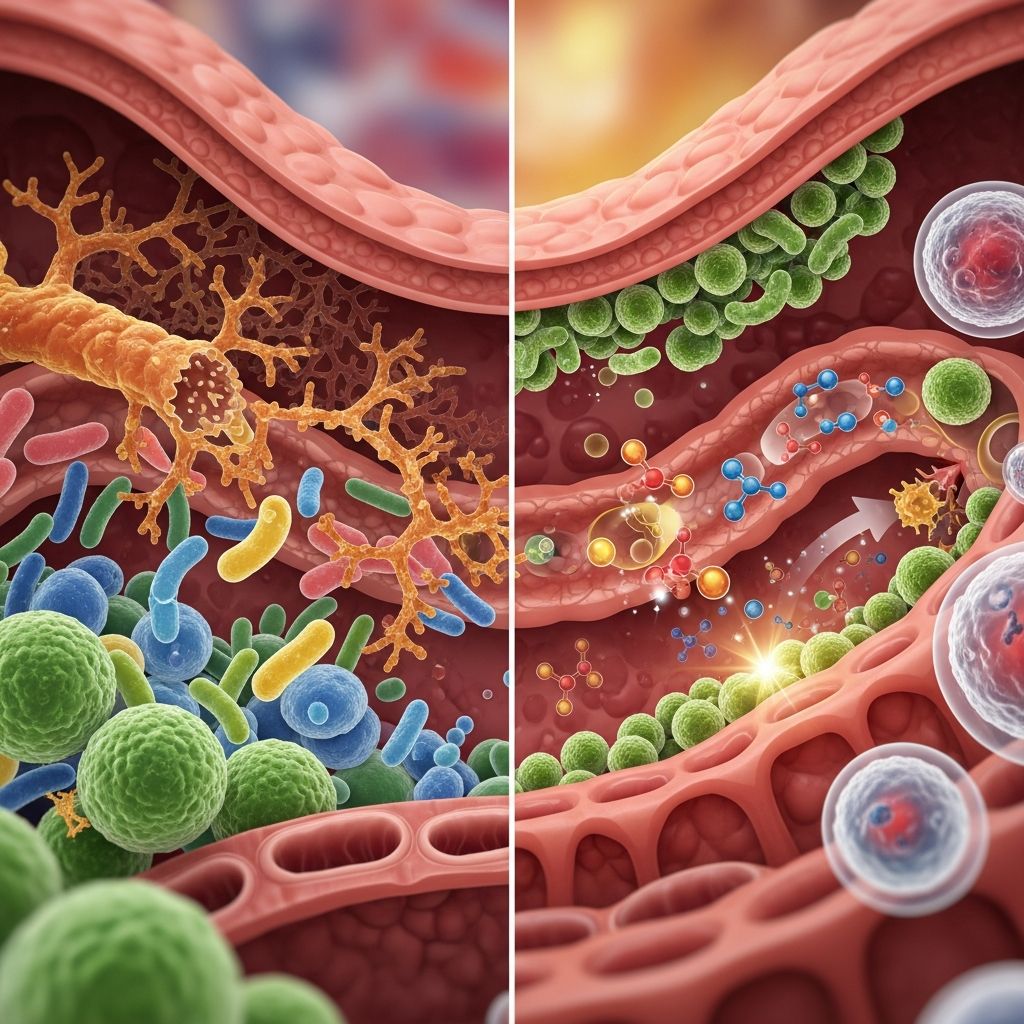
Probiotics are live beneficial microorganisms that populate the gut, while prebiotics are non-digestible fibers that nourish them. When combined, they form synbiotics, enhancing gut microbiota balance, digestion, and immune function more effectively than either alone.
What Are Probiotics?
Probiotics are live bacteria and yeasts beneficial for health, especially digestive health, found in fermented foods like yogurt, kefir, sauerkraut, and kimchi, or supplements containing strains such as Lactobacillus and Bifidobacterium. They introduce healthy microbes to restore gut flora disrupted by antibiotics, poor diet, or illness.
These microbes compete with harmful bacteria, produce antimicrobial compounds, and strengthen the intestinal barrier to prevent pathogens from entering the bloodstream. Common strains help break down food, synthesize vitamins, and produce lactase for lactose digestion.
What Are Prebiotics?
Prebiotics are non-digestible carbohydrates like inulin, fructooligosaccharides (FOS), and galactooligosaccharides (GOS) found in foods such as garlic, onions, bananas, oats, and asparagus. They selectively feed beneficial gut bacteria, promoting their growth while inhibiting harmful ones.
By fermenting in the large intestine, prebiotics produce short-chain fatty acids (SCFAs) that lower gut pH, improving mineral absorption like calcium and magnesium for bone health. They also maintain the gut’s mucosal layer, supporting barrier function against toxins.
Probiotics vs. Prebiotics: Key Differences
| Aspect | Probiotics | Prebiotics |
|---|---|---|
| Definition | Live beneficial microbes | Non-digestible fibers that feed good bacteria |
| Sources | Yogurt, kefir, supplements | Garlic, onions, bananas, whole grains |
| Mechanism | Add new healthy bacteria | Stimulate growth of existing good bacteria |
| Primary Benefit | Restore balance post-disruption | Enhance mineral absorption, reduce constipation |
This table highlights their complementary roles: probiotics as ‘plants’ and prebiotics as ‘fertilizer’ for a thriving gut microbiome.
What Happens When You Take Them Together? (Synbiotics)
Combining probiotics and prebiotics creates synbiotics, defined since 1995 as mixtures where prebiotics selectively enhance probiotic survival and activity in the gut. This synergy improves probiotic colonization in the gastrointestinal tract, leading to superior effects on microbiota balance.
Synbiotics boost SCFA production, enhance gut barrier integrity, and reduce pathogenic bacteria like Enterobacteriaceae. They offer comprehensive support for digestive disorders such as IBS and IBD by restoring and maintaining microbiome health.
7 Key Benefits for Your Gut and Beyond
- Balances Gut Microbiota: Probiotics restore balance; prebiotics promote beneficial bacteria growth, reducing harmful ones for optimal diversity.
- Improves Digestion: Enhances food breakdown, nutrient absorption, and bowel regularity, alleviating constipation and IBS symptoms.
- Boosts Immunity: Over 70% of immune cells reside in the gut; synbiotics strengthen defenses, produce antimicrobials, and fortify the gut barrier.
- Enhances Nutrient Absorption: Prebiotics increase calcium and magnesium uptake via acidic gut environment; probiotics aid vitamin synthesis.
- Reduces Inflammation: Balances good/bad bacteria ratio, lowering inflammation linked to chronic diseases.
- Supports Mental Health: Gut-brain axis benefits may ease anxiety/depression symptoms via microbiome modulation.
- Promotes Metabolic Health: Improves hormonal balance, aids weight management, and metabolic function.
Related Stories



Best Food Sources of Probiotics and Prebiotics
Probiotic-Rich Foods
- Yogurt with live cultures
- Kefir
- Sauerkraut
- Kimchi
- Miso
- Kombucha
Prebiotic-Rich Foods
- Garlic and onions
- Bananas (slightly green)
- Oats and barley
- Asparagus
- Chicory root
- Apples
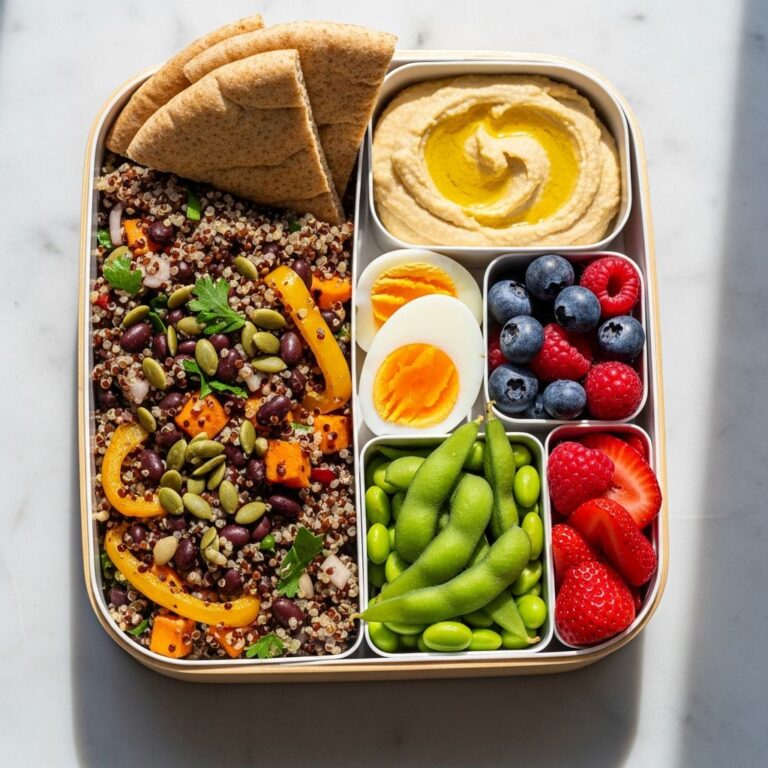
Incorporate both daily: top yogurt (probiotic) with bananas and oats (prebiotic) for natural synbiotics.
Should You Take Probiotic and Prebiotic Supplements?
Supplements are useful if diet lacks these nutrients, especially post-antibiotics or for IBS/IBD. Look for products with proven strains (10-20 billion CFUs) and prebiotics like FOS matching the probiotics. Synbiotic supplements maximize viability through the harsh gut environment. Consult a doctor before starting, particularly if immunocompromised.
Potential Side Effects and Precautions
Generally safe, but initial side effects include bloating, gas, or diarrhea as microbiota adjusts, resolving in 1-2 weeks. Rare risks for vulnerable groups: infections from live bacteria. Prebiotics may cause digestive discomfort if ramped up too quickly. Start low, increase gradually, and choose third-party tested products.
Frequently Asked Questions (FAQs)
Can you take probiotics and prebiotics at the same time?
Yes, taking them together enhances benefits via synbiotic effects, improving probiotic survival.
What’s the best time to take probiotics and prebiotics?
Probiotics on an empty stomach; prebiotics with meals. Consistency matters more than exact timing.
How long does it take to see gut health improvements?
Effects may appear in days for digestion, weeks for microbiota balance; long-term use sustains benefits.
Are synbiotics better than probiotics or prebiotics alone?
Yes, research shows synergistic improvements in survival, colonization, and health outcomes.
Expert Tips for Optimizing Gut Health
- Diversify diet with fermented and fiber-rich foods.
- Stay hydrated to aid fiber fermentation.
- Exercise regularly to support microbiota diversity.
- Limit processed sugars that feed bad bacteria.
- Manage stress, as it disrupts gut balance.
A healthy gut underpins immunity, mood, and metabolism. Synbiotics provide a powerful, evidence-based strategy.
References
- How Do Probiotics and Prebiotics Impact Your Digestive System? — Northlake Gastro. 2023. https://www.northlakegastro.com/how-do-probiotics-and-prebiotics-impact-your-digestive-system
- How probiotics and prebiotics affect gut health. — HealthPartners. 2024. https://www.healthpartners.com/blog/prebiotic-and-probiotic/
- Impact of Probiotics and Prebiotics on Gut Microbiome. — PubMed (NCBI). 2024-10-15. https://pubmed.ncbi.nlm.nih.gov/39649015/
- Gut Health Miracle: The Amazing Benefits of Probiotics and Prebiotics. — Jaffrey Kazimd. 2023. https://jaffreykazimd.com/probiotics-prebiotics-benefits
- Effects of Probiotics, Prebiotics, and Synbiotics on Human Health. — PMC (NCBI). 2017-09-12. https://pmc.ncbi.nlm.nih.gov/articles/PMC5622781/
- Probiotics and prebiotics: What you should know. — Mayo Clinic. 2025. https://www.mayoclinic.org/healthy-lifestyle/nutrition-and-healthy-eating/expert-answers/probiotics/faq-20058065
Similar Articles








Read full bio of medha deb