What Happens When You Die: The Physical Process
Understanding the biological and physiological changes that occur during and after death.
What Happens When You Die: Understanding the Dying Process
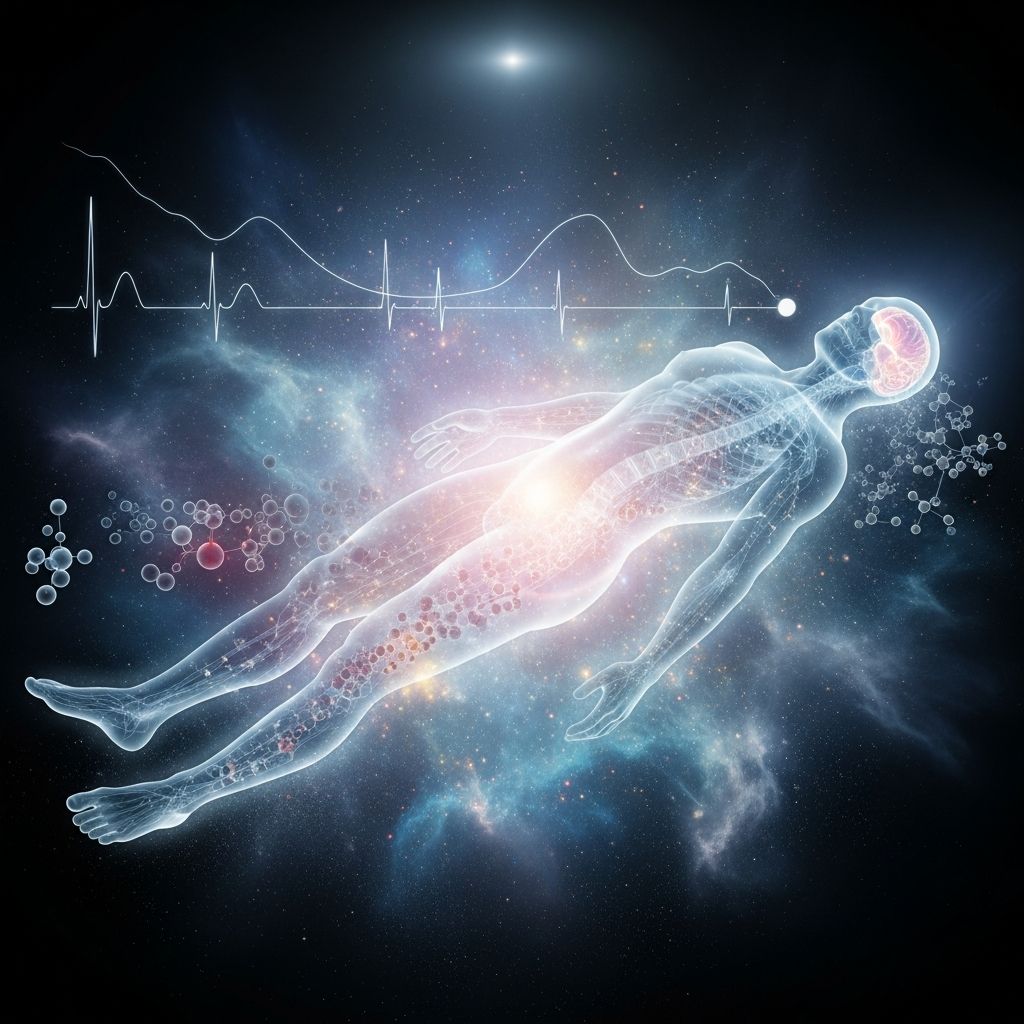
Death is an inevitable part of the human experience, yet it remains one of the most misunderstood biological processes. Understanding what happens when you die—from the moment your heart stops beating to the cellular changes that follow—can help demystify this natural process and provide comfort to those facing end-of-life decisions. The dying process involves several distinct phases, each with recognizable physical signs and changes that healthcare providers have documented extensively through medical research and clinical observation.
The Different Types of Death
Medical professionals recognize several ways to define death, each occurring at different times and involving different organ systems. These distinctions are important for medical and legal purposes, and they help explain what happens to your body during the final moments of life.
Clinical Death vs. Biological Death
Clinical death occurs when the heart stops beating and blood circulation ceases. At this moment, vital organs stop receiving oxygen-rich blood, marking the point where medical resuscitation efforts often focus. However, clinical death is not permanent—it can potentially be reversed with immediate and effective cardiopulmonary resuscitation (CPR) or other emergency interventions.
Biological death, also known as irreversible death, occurs when the brain and vital organs have been without oxygen long enough that resuscitation is no longer possible. This process typically begins minutes after clinical death, though the exact timeline varies depending on temperature, the person’s age, and other physiological factors. Once biological death occurs, the body’s cells begin to break down in an irreversible process.
Brain Death
Brain death represents the irreversible cessation of all brain function, including the brainstem. When someone is declared brain dead, they are legally and medically considered dead, even though their heart may continue to beat with mechanical support. Brain death occurs when the brain has suffered severe, irreversible damage from trauma, stroke, or lack of oxygen. Healthcare providers perform rigorous tests to confirm brain death, including checking for reflexes, response to stimuli, and the ability to breathe without mechanical support.
The Dying Process: What Happens in the Hours and Days Before Death
The dying process doesn’t begin at the moment of death—it often begins hours, days, or even weeks before. Understanding these changes can help family members recognize what’s happening and prepare for the end of life.
Changes in Consciousness and Awareness
As death approaches, a person often becomes less aware of their surroundings. They may seem confused, restless, or unresponsive. This decreased consciousness is a normal part of the dying process and reflects changes in brain activity and metabolism. Some people experience moments of clarity alternating with periods of confusion, sometimes called “terminal lucidity.” The exact cause of these consciousness changes isn’t fully understood, but they likely result from metabolic changes and reduced oxygen flow to the brain.
Changes in Breathing Patterns
One of the most noticeable changes as death approaches is altered breathing. A person may breathe irregularly, with periods of rapid breathing followed by periods of slow breathing or even temporary pauses in breathing altogether. This pattern is called Cheyne-Stokes respiration. Some people develop a rattling sound in their breathing as secretions accumulate in their airways. While this sound, sometimes called a “death rattle,” can be distressing to hear, the dying person typically doesn’t experience discomfort from it.
Related Stories



Cardiovascular Changes
The heart works less efficiently as death approaches. Blood pressure drops, and the heart rate may become irregular. The skin often becomes pale, cool, and may develop a bluish or purplish discoloration, especially in the extremities. This occurs because less oxygen-rich blood is circulating through the body. Some people develop mottled skin, a blotchy appearance caused by irregular blood circulation.
Temperature Fluctuations
A dying person may experience fever or, conversely, feel extremely cold. Their body temperature regulation becomes erratic as the nervous system struggles to maintain normal functions. They may alternate between feeling hot and cold, or they may accumulate blankets while claiming to be chilled.
Loss of Appetite and Thirst
As the body slows down, the need for food and water decreases naturally. A dying person may refuse to eat or drink, which is a normal part of the process. Forcing food or fluids can actually cause discomfort and increase the risk of aspiration. Providing ice chips, moistening the lips, and offering small sips of water can provide comfort without forcing nutrition.
What Happens at the Moment of Death
The actual moment of death—when the heart stops and breathing ceases—is often peaceful, especially if the person has been receiving adequate pain management and comfort care. Healthcare providers can often predict when death is imminent, though the exact timing remains unpredictable.
The Final Moments
In the final minutes before death, a person may take a few final deep breaths, sometimes called “agonal breathing.” The heart rate slows and becomes increasingly irregular until it stops completely. Bodily functions cease in a cascade: breathing stops, the heart stops beating, blood circulation halts, and brain activity ceases. These events typically occur within moments of each other, though the exact sequence can vary.
Immediate Post-Mortem Changes
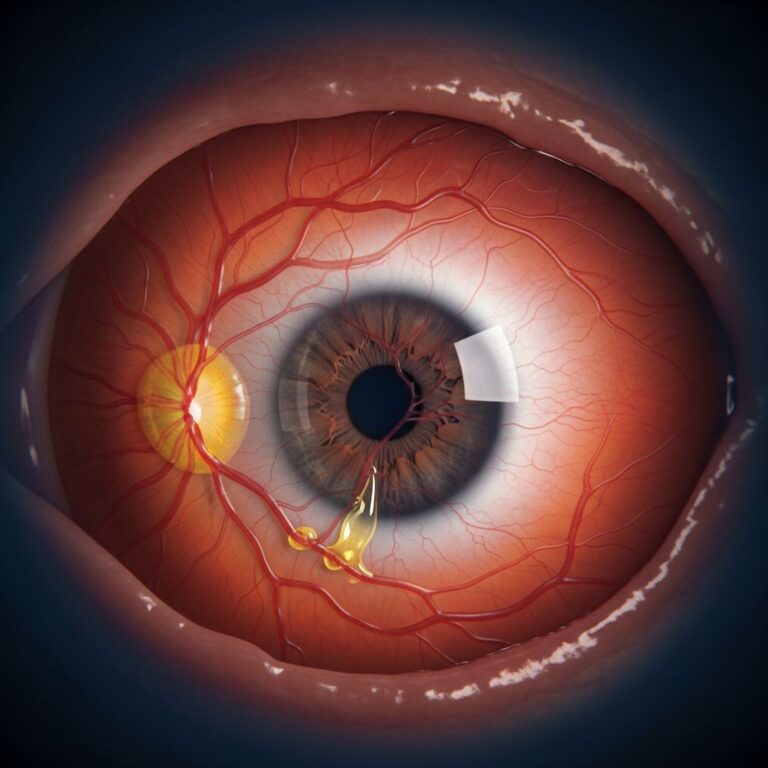
Within minutes after clinical death, several physical changes occur. The pupils of the eyes become fixed and dilated. The body begins to cool in a process called “algor mortis.” Muscle rigidity, known as rigor mortis, typically begins a few hours after death and can last for several days. The skin may develop a purplish-red discoloration where blood has settled, called “livor mortis” or “lividity.”
The Role of Hospice and Palliative Care
Modern approaches to end-of-life care have evolved significantly over recent decades. The establishment of hospice and palliative care has transformed how society approaches death, focusing on comfort, dignity, and quality of life in the final stages. Hospice care typically begins when a person has a prognosis of six months or less to live and focuses on symptom management rather than curative treatment. Palliative care can begin earlier in serious illness and works alongside curative treatment to manage pain and improve quality of life.
Healthcare providers trained in end-of-life care help manage common symptoms during the dying process, including pain, difficulty breathing, anxiety, and nausea. They provide support not only to the dying person but also to family members and loved ones. The goal is to ensure that the dying process is as comfortable and meaningful as possible.
Cellular and Tissue Changes After Death
After clinical death, the body undergoes a series of cellular changes. Without oxygen and blood circulation, cells cannot produce the energy they need to survive. Different types of cells die at different rates. Brain cells begin to die within minutes without oxygen, while other cells can survive for hours.
Decomposition Process
As cells die and break down, decomposition begins. Bacteria normally present in the body begin to break down tissues in a process that can accelerate or slow depending on environmental factors like temperature, humidity, and access to oxygen. This is why bodies are typically preserved through refrigeration or embalming to slow the decomposition process.
Understanding Grief and Loss
While the biological process of dying is important to understand, the emotional and psychological aftermath is equally significant. Grief is the natural response to loss, and it typically involves recognizable stages. The five commonly described phases of grief—denial, anger, bargaining, depression, and acceptance—don’t always occur in order, and people may move between them or skip some entirely. Grief is a highly individual process, and there is no “right” way to grieve.
Understanding what happens when you die can help people feel more prepared and less fearful about the end of life. It can also help family members recognize normal dying process changes and avoid unnecessary medical interventions that might prolong suffering rather than extend meaningful life.
Medical Examinations After Death
In some cases, an autopsy may be performed after death. An autopsy is a medical examination of the body to determine the cause of death and understand what diseases or conditions were present. There are two types: clinical autopsies, which are performed to better understand a person’s medical condition and improve medical knowledge, and forensic autopsies, which are performed in cases involving criminal investigation or suspicious circumstances.
Frequently Asked Questions About Death
Q: How long does the dying process typically last?
A: The dying process varies greatly from person to person. Some people experience active dying (the final hours or days before death) for just a few hours, while others may have noticeable changes over weeks. Generally, the active dying phase lasts from hours to a few days.
Q: Is it normal for a dying person to be unresponsive?
A: Yes, decreased responsiveness is a normal part of the dying process. As the brain function diminishes and metabolism slows, people typically become less aware of their surroundings. Even if someone appears unresponsive, hearing is often one of the last senses to go, so talking to them can still be comforting.
Q: What is the Lazarus effect?
A: The Lazarus effect is a rare phenomenon in which a person declared clinically dead suddenly shows signs of life, such as a return of heart rate or spontaneous movement. This can occur due to delayed return of blood circulation after CPR ends. While it can provide brief hope, most people don’t survive long after this occurs.
Q: Can I be present when someone dies?
A: Yes, many people choose to be present at the bedside of a dying loved one. Healthcare providers can usually accommodate this wish, and being present can be meaningful for both the dying person and their loved ones. Healthcare providers can guide you about what to expect.
Q: What should I do if I want to plan for my end-of-life care?
A: You can discuss your preferences with your healthcare provider and create advance directives that specify what kind of medical care you want or don’t want at the end of life. These conversations and documents help ensure your wishes are honored.
Q: Is it normal to feel afraid of death?
A: Yes, it’s completely normal to have feelings about death, whether fear, anxiety, acceptance, or a combination of emotions. Speaking with counselors, spiritual advisors, or support groups can help you process these feelings. Many people find that understanding the dying process and making plans for end-of-life care reduces their anxiety.
References
- Evolution of the Care of the Dying Patient — National Institutes of Health, National Center for Biotechnology Information. 2018. https://pmc.ncbi.nlm.nih.gov/articles/PMC6179468/
- What Is the Lazarus Effect? — Cleveland Clinic. 2024. https://my.clevelandclinic.org/health/articles/24876-lazarus-effect
- Surgeon and Institutional Experience Drive Reduced Mortality After Cardiac Reoperations — Cleveland Clinic. 2024. https://consultqd.clevelandclinic.org/surgeon-and-institutional-experience-drive-reduced-mortality-after-cardiac-reoperations
- Cell Death: Causes, Apoptosis, Autophagy & Necrosis — Cleveland Clinic. 2023. https://my.clevelandclinic.org/health/articles/cell-death
- What Are the Stages of Grief? — Cleveland Clinic. 2024. https://health.clevelandclinic.org/5-stages-of-grief
- What Is Grief? Types, Symptoms & How To Cope — Cleveland Clinic. 2024. https://my.clevelandclinic.org/health/diseases/24787-grief
- Autopsy: What It Is & Why It’s Done — Cleveland Clinic. 2023. https://my.clevelandclinic.org/health/diagnostics/autopsy
Similar Articles








Read full bio of medha deb