What Happens When You Take Turmeric Regularly
Discover the science-backed benefits of daily turmeric intake, from reducing inflammation to supporting heart and brain health.
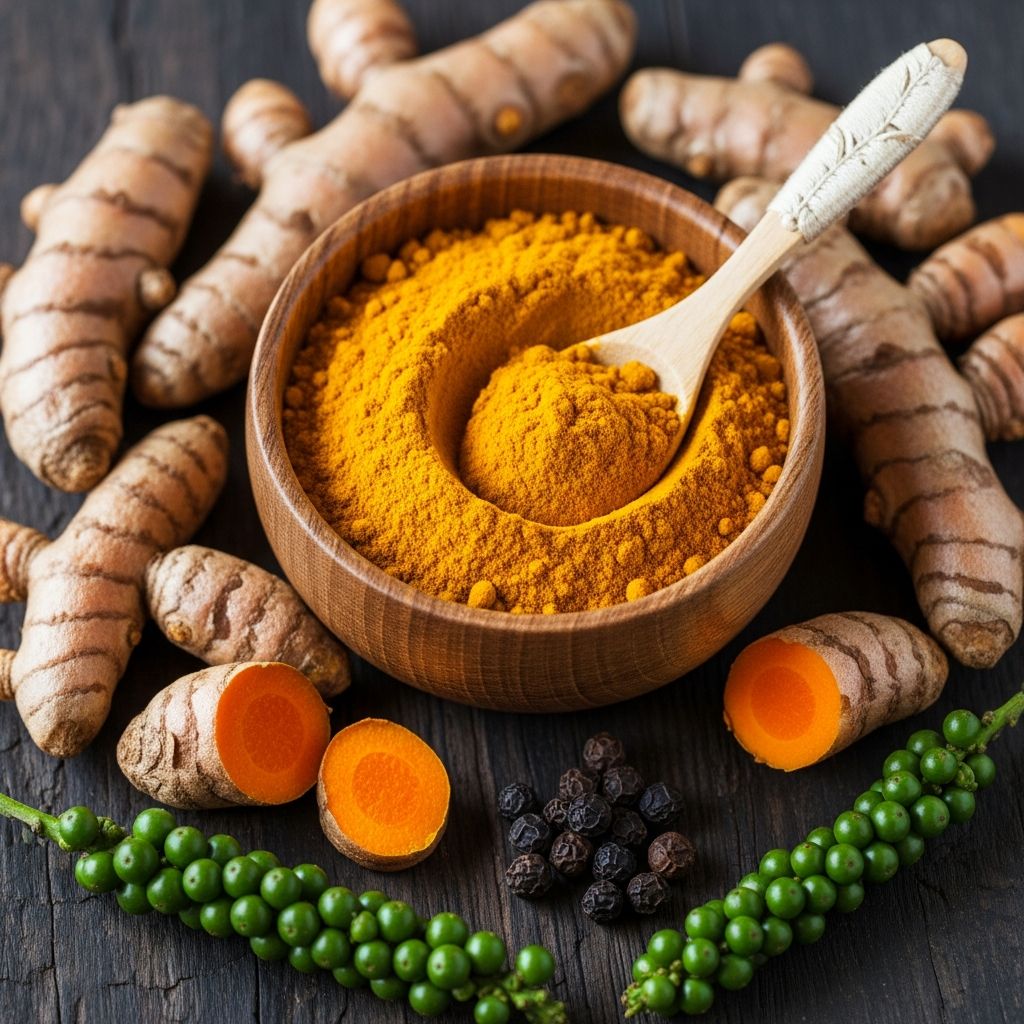
Turmeric, the golden spice long revered in traditional medicine, owes its power to curcumin, a compound with potent anti-inflammatory and antioxidant effects. Regular intake may transform your health, but results depend on dosage, absorption, and individual factors.
What Is Turmeric?
Turmeric (Curcuma longa) is a bright yellow rhizome from the ginger family, native to India and Southeast Asia. It’s been a staple in Ayurvedic and Traditional Chinese Medicine for over 4,000 years, used for wound healing, digestion, and inflammation. The root contains up to 5% curcuminoids, primarily
curcumin
, the bioactive compound driving most researched benefits.In cooking, turmeric flavors curries, soups, and golden milk. As a supplement, it’s concentrated for therapeutic doses. However, curcumin’s poor bioavailability—only about 1% absorbs without enhancers—necessitates pairing with black pepper (piperine boosts uptake by 2,000%) or fats.
9 Potential Benefits of Taking Turmeric Regularly
Daily turmeric (500–2,000 mg curcumin) may yield cumulative effects over weeks to months. Benefits stem from curcumin’s ability to block inflammatory pathways like NF-kB and neutralize free radicals. Here’s what research shows:
1. Reduces Inflammation
Chronic inflammation fuels diseases like arthritis and heart disease. Curcumin matches ibuprofen’s potency in trials, suppressing pro-inflammatory cytokines. A 2016 study found 2g curcumin daily prolonged ulcerative colitis remission when added to meds. Regular use may ease systemic inflammation, improving overall vitality.
2. Eases Joint Pain and Arthritis Symptoms
Osteoarthritis affects millions; turmeric rivals NSAIDs for knee pain relief. Meta-analyses confirm curcumin (1g/day) reduces pain and improves function, comparable to diclofenac but safer long-term. Athletes report less soreness and faster recovery.
3. Fights Oxidative Stress and Free Radicals
Free radicals damage cells, accelerating aging and disease. Turmeric boosts antioxidant enzymes like superoxide dismutase, outperforming vitamin E in some studies. A 2007 trial showed it neutralizes radicals, protecting skin, brain, and organs. Daily intake enhances your body’s defense.
4. Supports Heart Health
Curcumin improves endothelial function, reduces LDL oxidation, and lowers triglycerides. Post-bypass patients taking 4g/day had 65% fewer heart attacks. It may prevent plaque buildup, guarding against cardiovascular disease.
5. Boosts Brain Health and Memory
Curcumin crosses the blood-brain barrier, increasing BDNF (brain-derived neurotrophic factor) for neuron growth. An 18-month study: 180mg/day improved memory in non-demented adults. It may delay Alzheimer’s by clearing amyloid plaques and fighting oxidative stress.
6. Improves Mood and Fights Depression
Depression links to inflammation and low BDNF/serotonin. Curcumin (1g/day) rivals fluoxetine, boosting neurotransmitters. A meta-analysis confirmed adjunct benefits for major depression. Regular use may stabilize mood over 8–12 weeks.
7. Aids Digestion and Gut Health
Turmeric stimulates bile, eases IBS, and reduces gut inflammation. Trials show it lowers NAFLD enzymes (ALT/AST) and improves lipid profiles. Add to soups for colitis relief.
8. May Help Prevent Certain Cancers
Curcumin inhibits cancer cell growth and metastasis in lab studies, especially digestive cancers. Human trials show promise as adjunct therapy, inducing apoptosis. More research needed for prevention claims.
9. Supports Metabolic Health
Related Stories



For metabolic syndrome, curcumin lowers blood sugar, BP, and triglycerides. In prediabetes, 9 months curbed diabetes onset. It stabilizes blood sugar via anti-inflammatory effects.
How to Take Turmeric for Best Results
Dosage: Culinary: 1–3g root powder/day. Supplements: 500–2,000mg curcumin (with piperine/fat). Start low, divide doses.
- Forms: Powder, capsules, extracts (95% curcuminoids), gummies.
- Enhancers: Black pepper, oils, liposomes for 20–50x absorption.
- Timing: With meals; consistent daily use maximizes benefits.
| Form | Curcumin Content | Best For |
|---|---|---|
| Powder | 3% | Cooking/Daily use |
| Standard Supplement | 500mg | General health |
| Enhanced (w/Piperine) | 500–1,000mg | Therapeutic |
| Liposomal | Up to 2,000mg | High absorption |
Turmeric Side Effects and Risks
Safe up to 8g/day short-term; mild GI upset common at high doses. Risks:
- Interactions: Blood thinners (increases bleeding), diabetes meds (hypoglycemia), statins.
- Contraindications: Gallbladder issues, pregnancy (>3g risky), iron deficiency (blocks absorption), surgery (stop 2 weeks prior).
- Overdose: >10g may cause nausea/diarrhea.
Consult a doctor if on meds or pregnant. Quality matters—choose third-party tested supplements.
Who Should Not Take Turmeric?
- Pregnant/nursing (limited data)
- Gallbladder/kidney disease
- Bleeding disorders
- Iron deficiency anemia
- Pre-surgery patients
Final Takeaway: Is Daily Turmeric Worth It?
Regular turmeric offers compelling, evidence-based benefits for inflammation, joints, heart, brain, and gut—especially enhanced formulations. While not a cure-all, it’s a safe, natural adjunct for many. Track effects over 4–8 weeks; pair with lifestyle changes for synergy.
Frequently Asked Questions (FAQs)
Is it safe to take turmeric every day?
Yes, up to 3g root or 2g curcumin daily for most adults, with food and piperine. Monitor for GI issues.
How long does it take for turmeric to work?
Anti-inflammatory effects in 1–4 weeks; brain/mood benefits in 8–18 months.
Can turmeric help with weight loss?
May aid via metabolic improvements, but not a direct fat-burner.
What’s the best time to take turmeric?
With fatty meals, morning/evening split.
Does turmeric interact with medications?
Yes, notably blood thinners and diabetes drugs—consult your doctor.
References
- 10 Benefits of Turmeric — Alliance Orthopedics. 2023. https://allianceortho.com/10-benefits-of-turmeric/
- Turmeric Health Benefits and Side Effects — Cleveland Clinic. 2024-05-30. https://health.clevelandclinic.org/turmeric-health-benefits
- Role of Turmeric and Curcumin in Prevention and Treatment — PMC (NCBI). 2023-04-05. https://pmc.ncbi.nlm.nih.gov/articles/PMC10111629/
- 10 Evidence-Based Health Benefits of Turmeric — Healthline. 2024. https://www.healthline.com/nutrition/top-10-evidence-based-health-benefits-of-turmeric
- 7 Health Benefits of Turmeric — GoodRx. 2024. https://www.goodrx.com/well-being/diet-nutrition/turmeric-benefits
- Health Benefits of Turmeric — WebMD. 2024. https://www.webmd.com/diet/ss/slideshow-turmeric
- Turmeric: Health Benefits Revealed — NASM Blog. 2023. https://blog.nasm.org/uncategorized/turmeric-health-benefits-revealed
Similar Articles








Read full bio of medha deb