Insomnia: 4 Symptoms And Why You Feel Tired But Not Sleepy
Insomnia sufferers describe the exhausting reality of being perpetually tired yet unable to fall asleep, revealing its profound daily impact.
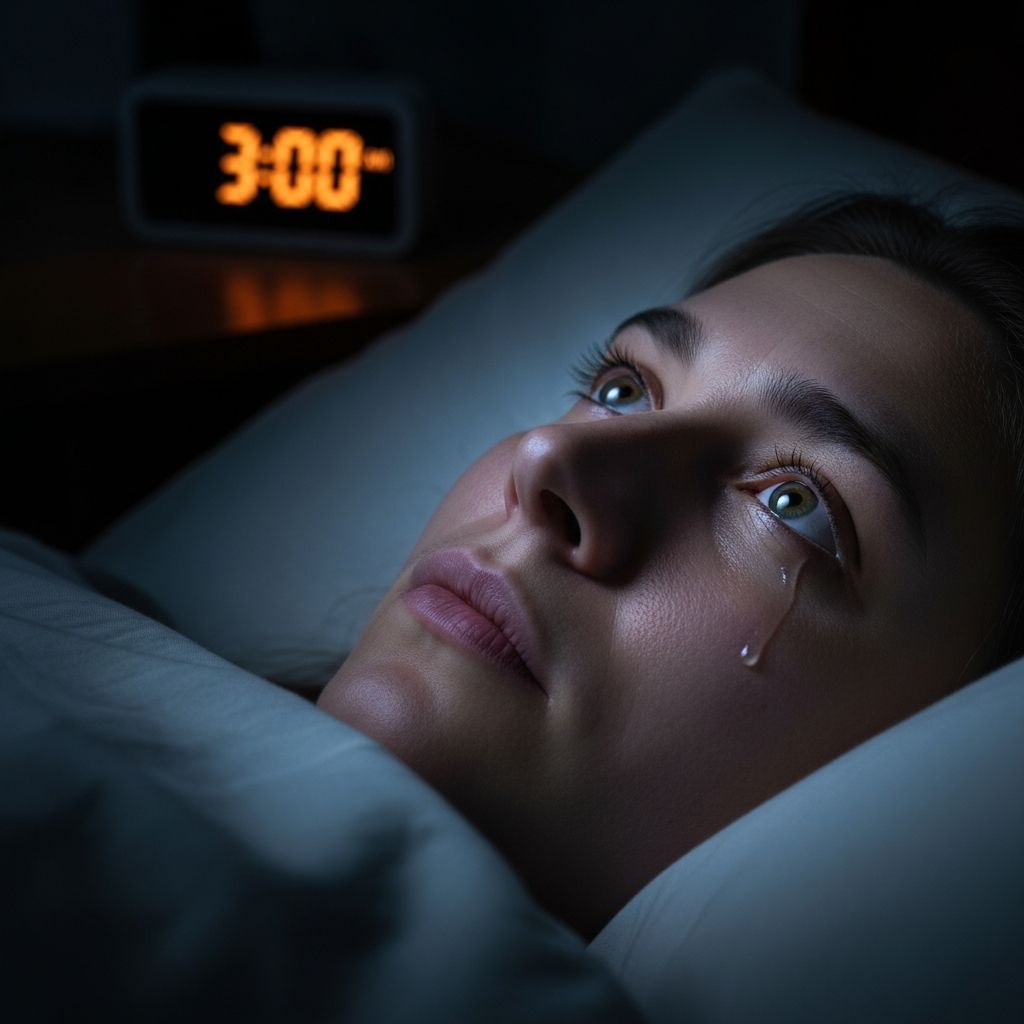
Insomnia isn’t just trouble falling asleep; it’s a relentless cycle of exhaustion where your body craves rest, but your mind refuses to shut down. People with insomnia often describe feeling bone-tired during the day yet wired at night, unable to drift off despite desperate need. This paradox stems from physiological hyperarousal, a state where the body’s stress systems remain activated, preventing restorative sleep.
Unlike simple fatigue, insomnia with objective short sleep duration—confirmed by polysomnography (PSG)—links to heightened risks of cardiometabolic issues like hypertension and diabetes, as well as cognitive impairments. Affecting up to 10% of adults chronically, it disrupts daily life through irritability, poor concentration, and mood instability.
Insomnia Symptoms: The Nighttime Battle
At its core, insomnia involves dissatisfaction with sleep quantity or quality, occurring at least three nights weekly for three months, despite ample opportunity. Key symptoms include:
- Difficulty initiating sleep: Lying awake for hours, mind racing with worries or random thoughts.
- Difficulty maintaining sleep: Frequent awakenings, unable to return to sleep.
- Early morning awakenings: Waking too soon, feeling unrefreshed.
- Non-restorative sleep: Waking feeling as tired as before bed.
Personal stories echo this: “It’s like my brain is a computer that won’t go into sleep mode,” one sufferer shared, highlighting the frustration of physical tiredness without the drowsiness that signals sleep readiness.
The Daytime Toll: Tired But Wired
Daytime effects amplify the misery. Insomniacs report profound fatigue, yet not the overwhelming sleepiness others feel after sleepless nights. Instead, there’s hyperarousal—restlessness, anxiety, and an inability to relax. Common complaints include:
- Chronic daytime lethargy and low energy.
- Mood swings, irritability, and heightened anxiety.
- Impaired concentration, memory lapses, and slower processing speed.
- Reduced performance at work or school, straining relationships.
Research confirms this: Insomnia with short sleep (<6 hours objectively) impairs executive functions like attention-switching and visual memory, independent of subjective complaints. One individual described it as “foggy-headed all day, like wading through molasses, but at night, I’m alert as ever.”
Health Risks: Beyond Fatigue
Insomnia’s dangers extend far beyond discomfort. Physiologically, it activates stress systems, elevating cortisol and leading to hyperarousal. Longitudinal studies show insomnia with short sleep raises hypertension odds (OR=3.75), diabetes risk, and mortality.
| Risk Factor | Association with Insomnia (Short Sleep) | Source |
|---|---|---|
| Hypertension | High risk; precedes onset | |
| Diabetes | Significant morbidity | |
| Cognitive Impairment | Deficits in attention, memory | |
| Mortality | Increased overall risk | |
| Mental Health | Anxiety, depression comorbidity |
Unlike poor sleepers who may remit, chronic insomnia persists, especially with objective short duration, signaling genetic vulnerability. It also heightens obesity risk in some, though non-obese insomniacs show lower incidence.
Types of Insomnia: Acute vs. Chronic
Related Stories



Insomnia manifests acutely (days to weeks) or chronically (3+ months). Acute often ties to stress; chronic embeds deeper.
- Primary Insomnia: Standalone, like psychophysiological (anxiety about sleep) or idiopathic (lifelong).
- Secondary: Due to medical issues, mental health (e.g., depression), drugs, or poor hygiene.
- Paradoxical: Underestimating sleep; feeling awake while partially asleep.
Objective measures distinguish severity: Short sleep phenotype predicts persistence and complications.
Living with Insomnia: Real Stories
Accounts reveal the emotional weight. “Every night is a war,” says one, describing clock-watching dread. Another: “I’m exhausted but my thoughts race—plans, regrets, everything.” Daytime brings social withdrawal, as energy crashes mid-conversation. Families notice irritability; work suffers from errors. These narratives underscore insomnia’s isolation, where others dismiss it as “just overtired.”
Women report higher prevalence, linked to hormonal shifts; shift workers face circadian misalignment exacerbating symptoms.
Treatments and Management Strategies
Effective interventions target roots. First-line: Cognitive Behavioral Therapy for Insomnia (CBT-I), restructuring sleep thoughts and habits.
- Sleep Hygiene: Consistent schedule, no screens pre-bed, caffeine cut-off.
- Stimulus Control: Bed for sleep/sex only; out if awake 20 minutes.
- Relaxation Techniques: Progressive muscle relaxation, mindfulness.
- Medications: Short-term hypnotics or melatonin; avoid long-term.
For short-sleep phenotype, addressing hyperarousal via stress management is key. Tracking via sleep diary aids diagnosis.
Prevention and When to Seek Help
Prevent by prioritizing 7-9 hours nightly, managing stress early. Seek help if symptoms persist 3+ months, impair function, or link to health issues. PSG confirms objective short sleep, guiding targeted therapy.
Frequently Asked Questions (FAQs)
What does insomnia feel like?
It’s exhaustion without drowsiness—tired body, alert mind; racing thoughts at night, foggy days.
Is insomnia just being tired?
No; tiredness leads to sleepiness, but insomniacs stay wired due to hyperarousal.
How is insomnia diagnosed?
Via DSM-5 criteria: sleep dissatisfaction 3x/week for 3 months, daytime impairment.
Can insomnia cause serious health problems?
Yes, especially short-sleep type: hypertension, diabetes, cognitive decline, mortality risk.
Does insomnia go away on its own?
Acute may; chronic persists without intervention, depending on cause.
What’s the best treatment for insomnia?
CBT-I outperforms meds long-term; combine with hygiene.
References
- Insomnia and Its Impact on Physical and Mental Health — Vgontzas AN et al. PMC. 2012-02-15. https://pmc.ncbi.nlm.nih.gov/articles/PMC3972485/
- Insomnia: Causes, symptoms, and treatments — Medical News Today. 2023-10-01. https://www.medicalnewstoday.com/articles/9155
- Insomnia: Symptoms, Causes, and Treatments — Sleep Foundation. 2025-01-10. https://www.sleepfoundation.org/insomnia
Similar Articles








Read full bio of medha deb