What Is A Bidet? 6 Health Benefits You Should Know
Discover bidets: the hygienic, eco-friendly alternative to toilet paper that's transforming personal cleanliness and health.
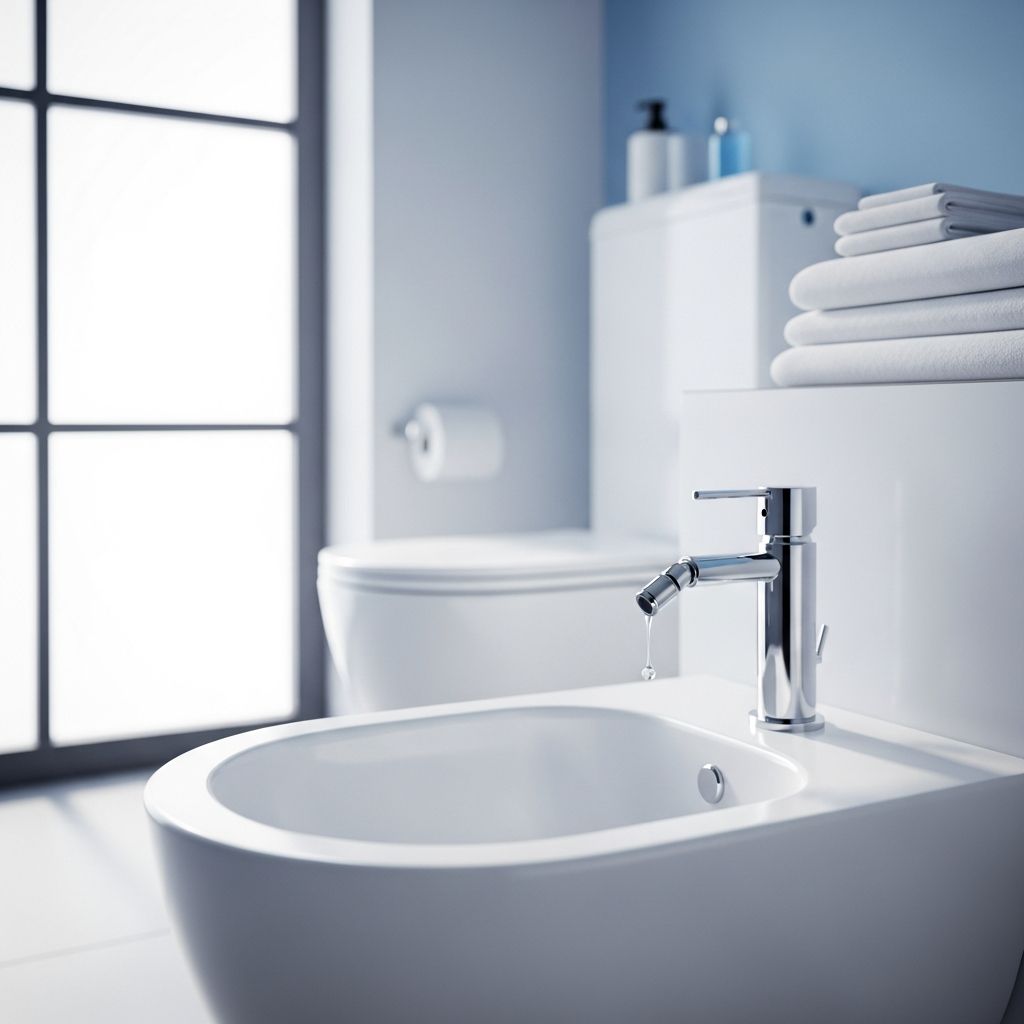
A
bidet
is a bathroom fixture designed for washing the genitalia, perineum, buttocks, and anus using a stream of water, offering a superior alternative to toilet paper for personal hygiene. Originating in France in the early 18th century, bidets have evolved from standalone porcelain bowls to modern attachments and smart toilet seats integrated with advanced features like heated seats and air dryers.What Does a Bidet Do?
Bidets provide a gentle, thorough rinse that removes fecal matter and bacteria more effectively than wiping, reducing skin irritation and infection risk. Unlike toilet paper, which can smear residue and harbor microbes, bidets use adjustable water pressure to cleanse hard-to-reach areas, leaving users feeling fresher. Studies confirm bidet users have 7-10 times fewer bacteria on their hands post-use compared to toilet paper users.
This hands-free cleaning minimizes direct contact with waste, promoting better overall bathroom hygiene. Medical experts like Cleveland Clinic’s Christine Lee, MD, endorse well-maintained bidets for “superior hygiene care,” noting their ability to prevent germ spread. Colorectal surgeons emphasize that while toilet paper appears clean macroscopically, it fails microscopically, whereas water rinsing achieves true cleanliness.
Types of Bidets
Bidets come in various forms to suit different needs and budgets. Here’s a breakdown:
- Standalone Bidet: A separate fixture resembling a low sink, requiring its own plumbing. Common in Europe, it offers luxury but demands space and installation.
- Bidet Seat: Replaces your toilet seat with a bidet function, adding sprays, heaters, and dryers. Electric models provide customization like oscillation and massage modes.
- Bidet Attachment: Non-electric add-ons that clip onto existing toilets, using faucet water pressure for basic spraying. Affordable and easy to install.
- Handheld Bidet Sprayer: A flexible hose with a spray nozzle, similar to a kitchen sprayer, ideal for precise control and dual-purpose use like rinsing laundry.
- Smart Toilet Bidets: All-in-one units with bidet functions, deodorizers, night lights, and app controls, popular in Japan and increasingly in the U.S.
Choosing depends on lifestyle: attachments suit renters, while full seats benefit households with chronic conditions.
Health Benefits of Bidets
Bidets offer multifaceted health advantages, backed by research and expert consensus.
Superior Hygiene and Reduced Bacteria
The primary benefit is unmatched cleanliness. A 2022 Japanese study found bidet users had significantly fewer microbes on gloved hands after defecation (p < 0.00001), confirming in vivo what in vitro tests showed: bidets drastically cut fecal contamination. Experts note toilet paper’s abrasiveness can cause swelling, itching, or burning from trapped bacteria, while bidets rinse effectively without friction.
Relief for Hemorrhoids and Anal Fissures
For the 12% of Americans seeking hemorrhoid care annually, bidets eliminate harsh wiping that exacerbates swelling and bleeding. Warm water sprays match sitz baths in reducing anorectal pressure, aiding healing. Post-surgery, they keep sites clean sans straining, crucial as anesthesia slows bowels.
Constipation and Digestive Aid
With 2.5 million U.S. doctor visits for constipation yearly, bidets’ pulse, enema, and oscillation modes stimulate bowels gently, easing passage without laxatives. This is vital for aging adults, post-op patients, or those with IBS, Crohn’s, or diverticulitis.
Benefits for Women and Men
Women gain UTI prevention by thoroughly cleansing the urethra and vulva, outperforming front-to-back wiping—crucial as women face higher UTI risks. During menstruation or postpartum, bidets maintain freshness without disrupting vaginal microbiomes, avoiding risks like yeast infections or PID from douches. Men benefit from effective post-urination and bowel cleaning, especially with GI issues, using soothing water over paper.
Related Stories



Colon Cancer and Chronic Conditions
For colon cancer patients battling diarrhea, incontinence, or constipation from treatment, bidets provide gentle relief, recommended by Fight Colorectal Cancer for quality-of-life improvements. They support independence for disabled users.
Skin Health and Dermatologist Endorsement
Dermatologists advocate bidets for preserving skin barriers, reducing irritation from paper’s chemicals and fibers. They’re gentler on sensitive skin, preventing conditions like contact dermatitis.
How to Use a Bidet
Using a bidet is intuitive: Position over the nozzle (front for feminine wash, rear for posterior), activate the spray via button or lever, adjust pressure, pat dry with toilet paper or use the air dryer, then wash hands. Electric models offer presets like “ladies” or “enema.” Always clean the nozzle post-use to prevent buildup.
Bidet Installation
Most attachments install in 10-30 minutes with basic tools: Turn off water, connect to T-valve on supply line, mount, and test. Electric seats require outlet access and may need professional plumbing for bidet-specific lines. Costs range from $30 (basic) to $1,000+ (premium). Renters favor no-drill attachments.
Bidets vs. Toilet Paper
| Aspect | Bidet | Toilet Paper |
|---|---|---|
| Hygiene | 7-10x fewer bacteria; thorough rinse | Smeared residue; microscopic uncleanliness |
| Skin Impact | Gentle, no abrasion; heals irritation | Irritation, itching, potential tears |
| Health Conditions | Relieves hemorrhoids, constipation | Worsens straining, bleeding |
| Environment | Low water use; cuts paper waste | Deforestation, high waste |
| Cost Long-Term | One-time; saves paper ($50+/year) | Recurring; 50 rolls/household/year |
Bidets outperform in hygiene and sustainability, with studies validating bacterial reduction.
Are Bidets Sanitary?
Yes, when maintained: Retractable, self-cleaning nozzles with filters prevent cross-contamination. Regular wiping with alcohol and filter changes ensure sterility, outperforming paper’s bacterial retention. No evidence of increased infection risk; bidets curb spread like norovirus.
Environmental Benefits
Bidets slash toilet paper use—U.S. households average 141 rolls/year—conserving trees and reducing landfill waste. Low-flow models use 1/8 gallon per use vs. paper’s manufacturing footprint.
Frequently Asked Questions (FAQs)
What is a bidet toilet?
A bidet toilet integrates washing functions into the seat or bowl, often with sprays, dryers, and heaters for automated cleaning.
Do bidets prevent hemorrhoids?
They alleviate symptoms by reducing wiping irritation and aiding bowel movements, though not a cure.
Can men use bidets?
Absolutely; they excel at post-urination and anal cleaning, preventing irritation.
Are bidets good for seniors?
Yes, easing mobility-limited hygiene and constipation relief.
How much water does a bidet use?
Typically 1/8 gallon per session, far less than paper production equivalents.
Do bidets cause infections?
No; proper maintenance ensures they’re hygienic, reducing bacteria vs. paper.
Bidets represent a shift toward healthier, sustainable hygiene, substantiated by global studies and expert endorsements. Their rise, fueled by post-pandemic cleanliness focus, promises widespread adoption.
References
- Experts: Bidets have 10x fewer bacteria than toilet paper, study finds — The Jerusalem Post. 2022. https://www.jpost.com/health-and-wellness/article-858800
- 7 Bidet Benefits to Revolutionize Your Health — ManyBidets. Accessed 2025. https://www.manybidets.com/blog/7-ways-bidets-revolutionize-health/
- Bidets for every body: improving personal hygiene for all genders — Brondell Healthy Living Blog. Accessed 2025. https://www.brondell.com/healthy-living-blog/bidets-for-every-body-improving-personal-hygiene-for-all-genders/
- Microbial contamination of hands with or without the use of bidet toilet after defecation — IWA Publishing (peer-reviewed). 2022-01-01. https://iwaponline.com/jwh/article/20/1/271/86148/Microbial-contamination-of-hands-with-or-without
- The dermatologists’ case for the bidet — PMC/NIH (peer-reviewed). 2023. https://pmc.ncbi.nlm.nih.gov/articles/PMC10414710/
- Bidet Benefits 2025 Guide: What are Benefits of Using a Bidet? — HOROW. 2025. https://horow.com/blogs/guide/bidet-benefits-2025-guide-what-are-benefits-of-using-a-bidet
Similar Articles








Read full bio of Sneha Tete