Complete Protein: What It Is, Benefits, And Best Sources
Discover complete proteins, their essential amino acids, top food sources, and how to combine incomplete ones for optimal nutrition.
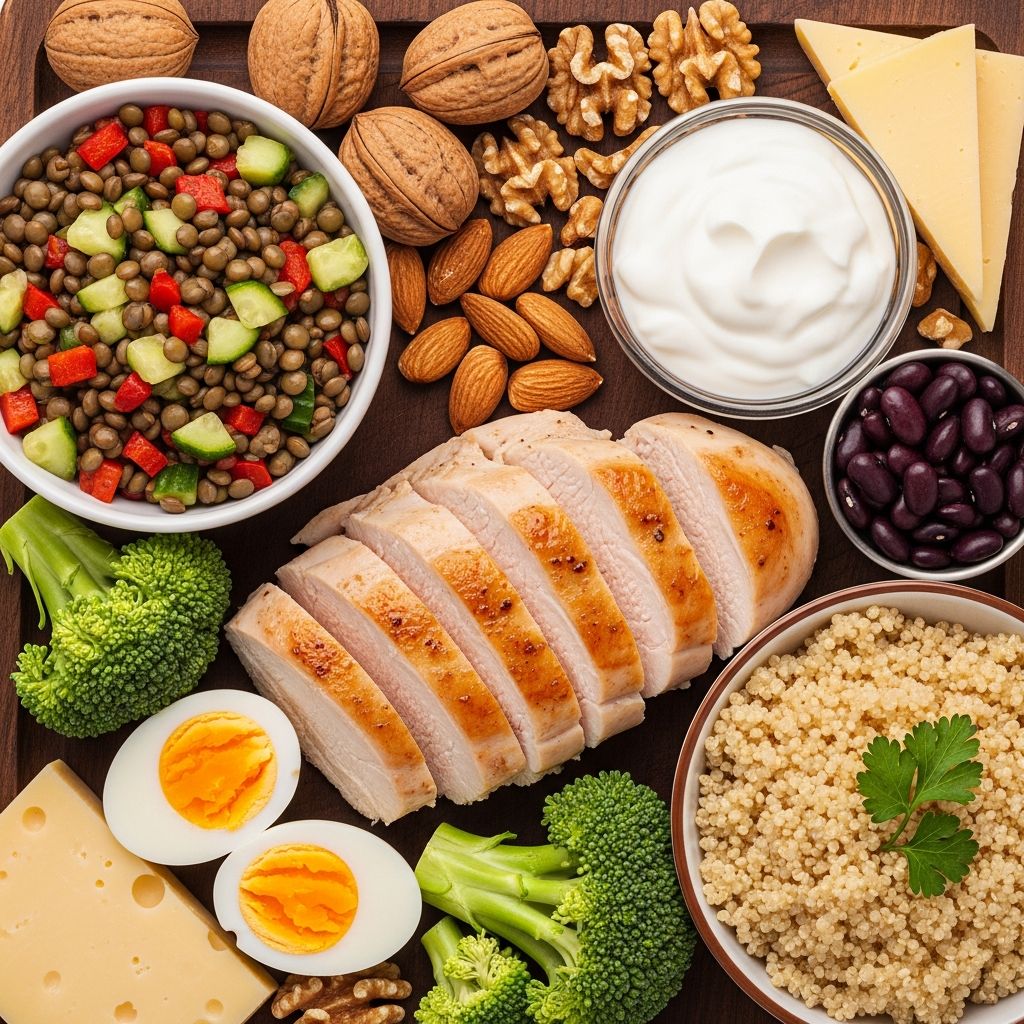
Proteins are vital macronutrients composed of amino acids, the building blocks essential for muscle repair, hormone production, immune function, and overall growth. There are 20 standard amino acids, nine of which are essential amino acids—histidine, isoleucine, leucine, lysine, methionine, phenylalanine, threonine, tryptophan, and valine—that the human body cannot synthesize and must obtain from food. A complete protein is a food source that supplies all nine essential amino acids in adequate proportions, enabling the body to fully utilize it for protein synthesis. In contrast, incomplete proteins lack one or more essential amino acids, often in limiting amounts, requiring strategic dietary combinations to achieve completeness.
Understanding complete proteins is crucial for maintaining muscle mass, supporting recovery from exercise, preventing deficiencies, and promoting satiety for weight management. While animal products are typically complete, plant-based eaters can thrive by diversifying sources. This guide covers definitions, sources, benefits, combinations, daily needs, and FAQs, drawing from authoritative health and nutrition insights.
What Makes a Protein ‘Complete’?
The completeness of a protein hinges on its amino acid profile matching human requirements. Essential amino acids must be present not just in totality but in the right ratios; a deficiency in even one (the ‘limiting amino acid’) renders the protein incomplete. For instance, the World Health Organization outlines daily needs like 620mg histidine, 930mg methionine+cystine, and 1,612mg valine per kg body weight, totaling around 11.4g for adults. Complete proteins meet or exceed these without supplementation.
Proteins undergo digestion into amino acids, absorbed into the bloodstream for use in building body proteins. Incomplete ones may lead to inefficient utilization unless complemented, but varied diets generally suffice without meal-by-meal perfection. Research from Cleveland Clinic emphasizes that balance over the day, not per meal, ensures adequacy.
Complete Protein Food Sources
Most complete proteins derive from animal sources, which naturally align with human amino acid needs due to evolutionary dietary parallels. Key examples include:
- Eggs: Often deemed the gold standard, one large egg provides 6g protein with an ideal amino acid score.
- Meat and Poultry: Beef, chicken, turkey, pork—e.g., 3oz chicken breast yields 25g protein.
- Fish and Seafood: Salmon, tuna, shrimp; fatty fish add omega-3s.
- Dairy: Milk, yogurt, cheese; Greek yogurt offers 20g per cup.
Plant-based complete proteins are rarer but valuable for vegans:
- Soy Products: Tofu (10g/100g), tempeh, edamame, soy milk.
- Quinoa: 14g protein per cooked cup, a pseudograin staple.
- Buckwheat, Hemp Seeds, Chia Seeds: Hemp seeds deliver 10g per 3 tbsp.
These plant options provide fiber and antioxidants absent in many animal proteins.
Incomplete Proteins and How to Combine Them
Incomplete proteins dominate plant foods: beans low in methionine, grains low in lysine, nuts low in lysine and methionine. However, complementary pairing creates complete profiles. Classic combos:
- Rice + Beans: Grains supply methionine, legumes lysine.
- Peanut Butter + Whole Wheat: Complementary profiles.
- Hummus (Chickpeas + Tahini/Sesame): Seeds boost methionine.
- Lentils + Rice or Corn + Beans.
Related Stories



No need for combinations in every meal; daily variety suffices, as the body pools amino acids. Vegetarians consuming legumes, grains, nuts, and seeds meet needs effortlessly.
Complete vs. Incomplete Proteins: Key Differences
| Aspect | Complete Proteins | Incomplete Proteins |
|---|---|---|
| Sources | Animal products, soy, quinoa | Most plants: beans, grains, nuts |
| Amino Acids | All 9 essential in adequate amounts | Missing/limiting one or more |
| Utilization | High biological value | Requires complementing |
| Nutrient Perks | B12, iron, zinc (animal); some plants add fiber | Fiber, antioxidants, phytochemicals |
This table highlights why balanced inclusion of both maximizes nutrition.
Health Benefits of Complete Proteins
Consuming adequate complete proteins supports muscle synthesis, especially post-exercise via leucine triggering mTOR pathways. They aid weight control by enhancing fullness, preserve bone density with dairy’s calcium, and bolster immunity. For athletes, complete sources optimize recovery; for aging adults, they combat sarcopenia. Vegans benefit from plants’ heart-healthy profiles. MedlinePlus notes animal proteins as complete, underscoring their efficiency.
How Much Protein Do You Need Daily?
The FDA and experts recommend 0.36g per pound body weight for adults (e.g., 54g for 150lb person), or 46-56g total daily. Athletes may need 0.5-0.9g/lb; pregnancy increases to 1.1g/kg. Distribute across meals: 20-30g per for optimal absorption. Track via apps, prioritizing variety.
Protein Needs for Special Diets
Vegetarian and Vegan Diets
Plant diversity ensures completeness: aim for 1.0g/kg body weight, focusing on soy, quinoa, and combos. B12 supplementation may be needed.
Athletes and Active Individuals
Higher intake (1.2-2.0g/kg) from whey, eggs, or pea-rice blends supports gains.
Older Adults
1.2g/kg combats muscle loss; leucine-rich sources like dairy excel.
Common Myths About Complete Proteins
- Myth: You must eat complete proteins every meal. Fact: Daily balance suffices.
- Myth: Vegans can’t get complete proteins. Fact: Variety and specifics like quinoa work.
- Myth: All proteins are equal. Fact: Quality via PDCAAS scores varies; eggs score 1.0.
Frequently Asked Questions (FAQs)
Are eggs a complete protein?
Yes, eggs contain all nine essential amino acids in optimal ratios, making them a top complete source.
Can you get complete proteins on a vegan diet?
Absolutely—soy, quinoa, hemp seeds, and combinations like beans + rice provide them.
Do I need to combine incomplete proteins in the same meal?
No, over the day is sufficient as the body maintains an amino acid pool.
What happens if you don’t eat complete proteins?
With varied intake, deficiencies are rare; otherwise, fatigue, hair loss, or muscle wasting may occur.
How much protein is in common foods?
| Food | Protein (per serving) |
|---|---|
| Chicken breast (3oz) | 25g |
| Quinoa (1 cup cooked) | 14g |
| Lentils (1 cup cooked) | 18g (incomplete) |
| Almonds (1oz) | 6g (incomplete) |
Practical Tips for Incorporating Complete Proteins
Start breakfast with eggs or Greek yogurt; lunch with tuna salad or tofu stir-fry; dinner with salmon or lentil-quinoa bowls. Snacks: edamame, cheese sticks, or hemp seed smoothies. Experiment with recipes like black bean burgers on quinoa buns for complementarity.
In summary, prioritize complete proteins while embracing incomplete ones for holistic nutrition. Consult professionals for personalized advice.
References
- Complete Protein | Definition, Examples & Sources — Study.com. Accessed 2026. https://study.com/learn/lesson/complete-protein-sources-examples.html
- Complete protein — Wikipedia. Accessed 2026. https://en.wikipedia.org/wiki/Complete_protein
- Complete vs. Incomplete Proteins and Examples — Cleveland Clinic. 2023-05-15. https://health.clevelandclinic.org/do-i-need-to-worry-about-eating-complete-proteins
- The Difference Between Complete and Incomplete Proteins — WebMD. Accessed 2026. https://www.webmd.com/diet/difference-between-complete-and-incomplete-proteins
- What is the difference between complete and incomplete proteins? — WeightWatchers. Accessed 2026. https://www.weightwatchers.com/us/blog/food-nutrition/complete-protein-vs-incomplete-protein
- Dietary Proteins — MedlinePlus (U.S. National Library of Medicine). 2024-08-20. https://medlineplus.gov/dietaryproteins.html
- Interactive Nutrition Facts Label – Protein — U.S. Food and Drug Administration. 2021-10-01. https://www.accessdata.fda.gov/scripts/InteractiveNutritionFactsLabel/assets/InteractiveNFL_Protein_October2021.pdf
Similar Articles








Read full bio of medha deb