Dermatologist: Complete Guide To Care And When To See One
Discover the vital role of dermatologists in diagnosing, treating, and preventing skin, hair, and nail conditions for all ages.

A dermatologist is a medical doctor who specializes in the diagnosis, treatment, and prevention of conditions affecting the skin, hair, nails, and mucous membranes. These experts undergo rigorous training to manage everything from common issues like acne and eczema to life-threatening diseases such as skin cancer, ensuring patients receive comprehensive care for the body’s largest organ.
Who is a Dermatologist?
Dermatologists are physicians with specialized expertise in dermatology, the branch of medicine focused on skin health. They care for patients of all ages, from newborns to the elderly, addressing over 3,000 diseases and disorders. Unlike general practitioners, dermatologists possess in-depth knowledge of skin anatomy, physiology, and pathology, enabling them to identify subtle signs of systemic diseases that manifest on the skin.
The skin serves as the body’s first line of defense, protecting against pathogens, regulating temperature, and signaling internal health issues. Dermatologists are trained to interpret these signals accurately, distinguishing between benign rashes and indicators of underlying conditions like autoimmune disorders or infections.
What Does a Dermatologist Do?
Dermatologists perform a wide array of tasks daily, combining diagnostic precision with therapeutic interventions. Their work spans medical, surgical, and cosmetic domains, tailored to individual patient needs.
Key responsibilities include:
- Diagnosing skin conditions: Through patient history, physical exams, and tests like biopsies, blood work, or imaging (e.g., ultrasound, MRI).
- Prescribing treatments: Topical creams, oral medications, or advanced therapies for conditions like psoriasis or rosacea.
- Performing procedures: Minor surgeries, laser treatments, cryotherapy, or excisions for lesions and cancers.
- Conducting skin cancer screenings: Full-body exams to detect melanoma and other cancers early, improving survival rates.
- Managing chronic diseases: Long-term plans for acne, eczema, or vitiligo, including lifestyle advice.
- Offering cosmetic services: Botox, fillers, chemical peels, and hair removal to enhance appearance safely.
- Educating on prevention: Sun protection, skincare routines, and allergy management to avert future issues.
A typical day might involve consulting with patients on rashes, removing suspicious moles, or performing Mohs surgery for precise cancer removal. They also monitor treatment efficacy and refer to specialists when needed, such as oncologists for advanced cancers.
Types of Dermatologists
Dermatology encompasses various subspecialties, allowing experts to focus on specific patient populations or procedures. Board-certified dermatologists may pursue additional fellowship training in these areas.
| Specialty | Focus Areas | Common Conditions Treated |
|---|---|---|
| General Dermatology | Broad skin, hair, nail care | Acne, eczema, psoriasis, infections |
| Cosmetic Dermatology | Non-surgical enhancements | Wrinkles, scars, unwanted hair, pigmentation |
| Pediatric Dermatology | Children and adolescents | Birthmarks, atopic dermatitis, neonatal rashes |
| Dermatopathology | Laboratory diagnosis | Biopsy analysis for cancers and inflammatory diseases |
| Mohs Surgery | Skin cancer removal | Basal cell carcinoma, squamous cell carcinoma |
| Dermatoimmunology | Immune-related skin issues | Autoimmune blistering diseases, lupus |
Related Stories



These specializations ensure targeted expertise, with many dermatologists blending general and subspecialty practices.
Common Skin Conditions Treated by Dermatologists
Dermatologists manage thousands of conditions, many impacting quality of life significantly. Early intervention often prevents complications.
- Acne: Clogged pores from bacteria and oil, treated with topicals, antibiotics, or isotretinoin.
- Eczema (Atopic Dermatitis): Inflammatory itchiness, managed with moisturizers and steroids.
- Psoriasis: Autoimmune plaques, responsive to biologics and light therapy.
- Rosacea: Facial redness, controlled with lasers and anti-inflammatories.
- Skin Cancer: Melanoma, basal/squamous cell; screened via ABCDE criteria (Asymmetry, Border, Color, Diameter, Evolving).
- Alopecia Areata: Patchy hair loss, treated with corticosteroids.
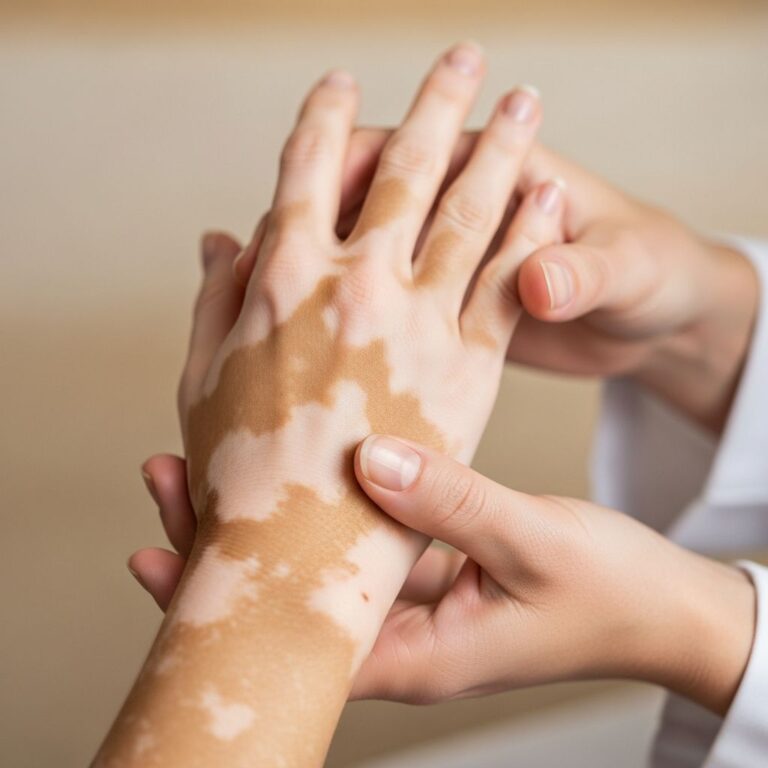
- Vitiligo: Pigment loss, options include topical therapies and camouflage.
- Infections: Fungal (athlete’s foot), viral (herpes), bacterial (impetigo).
These represent a fraction; dermatologists also handle rare disorders and cosmetic concerns like hyperpigmentation.
How to Become a Dermatologist
Becoming a dermatologist demands 12+ years of postgraduate training after a bachelor’s degree.
- Undergraduate Education (4 years): Pre-med courses in biology, chemistry; high GPA and MCAT scores essential.
- Medical School (4 years): MD or DO degree, covering general medicine.
- Internship (1 year): Transitional or preliminary in internal medicine.
- Dermatology Residency (3-4 years): Hands-on training in clinics, surgeries, pathology.
- Fellowship (1-2 years, optional): For subspecialties like pediatric or Mohs.
- Board Certification: American Board of Dermatology exam; maintenance every 10 years.
Competitive residencies require research, publications, and strong letters. Dermatologists must stay current via conferences.
When Should You See a Dermatologist?
Consult a dermatologist for persistent or concerning skin changes. Seek care if you notice:
- New or changing moles (ABCDE rule).
- Non-healing sores or wounds.
- Severe acne unresponsive to OTC treatments.
- Chronic itching, rashes, or hair loss.
- Suspicious growths or pigmentation shifts.
- Cosmetic goals like wrinkle reduction.
Annual full-body exams are recommended, especially for fair-skinned individuals or those with sun exposure history. Board-certified dermatologists via AAD finder ensure quality care.
Dermatologist vs Other Doctors
| Professional | Scope | When to Choose |
|---|---|---|
| Dermatologist | Skin, hair, nails specialists | Specific skin diseases, cancers, cosmetics |
| Primary Care Physician | General health | Routine checkups, mild rashes |
| Plastic Surgeon | Surgical reconstructions | Major cosmetic surgeries |
| Allergist | Allergies, immune | Contact dermatitis confirmation |
| Oncologist | Cancer systemically | Advanced skin cancer metastasis |
Dermatologists excel in skin-specific expertise, often collaborating with others.
Frequently Asked Questions (FAQs)
What conditions do dermatologists treat?
Dermatologists treat over 3,000 conditions, including acne, eczema, psoriasis, skin cancer, rosacea, and hair/nail disorders.
Do I need a referral to see a dermatologist?
In many regions, no referral is needed, but insurance may require one. Check with your provider.
How often should I get a skin check?
Annually or more if high-risk (family history, sun damage).
Are cosmetic procedures safe with dermatologists?
Yes, board-certified ones minimize risks through expertise.
What’s the difference between a dermatologist and esthetician?
Dermatologists are MDs treating medical issues; estheticians provide non-medical skincare.
Can dermatologists treat children?
Yes, pediatric dermatologists specialize in pediatric skin issues.
This comprehensive guide underscores the indispensable role of dermatologists in maintaining skin health. Prioritize board-certified care for optimal outcomes.
References
- What is a dermatologist? — American Academy of Dermatology. 2023. https://www.aad.org/public/fad/what-is-a-derm
- What does a dermatologist do? – CareerExplorer — CareerExplorer. 2024. https://www.careerexplorer.com/careers/dermatologist/
- Dermatologist job description — Workable Resources. 2024. https://resources.workable.com/dermatologist-job-description
- What Is a Dermatologist? Specialization & Career Path — Ross University School of Medicine. 2023-10-01. https://medical.rossu.edu/about/blog/what-is-a-dermatologist
- What Is a Dermatologist? Specialization & Career Path — American University of the Caribbean. 2024. https://www.aucmed.edu/blog/what-is-a-dermatologist
Similar Articles








Read full bio of medha deb