Gut Cleanse: 4 Science-Backed Alternatives That Work
Uncover the truth about gut cleanses: benefits, risks, and expert-backed ways to truly support your digestive health.
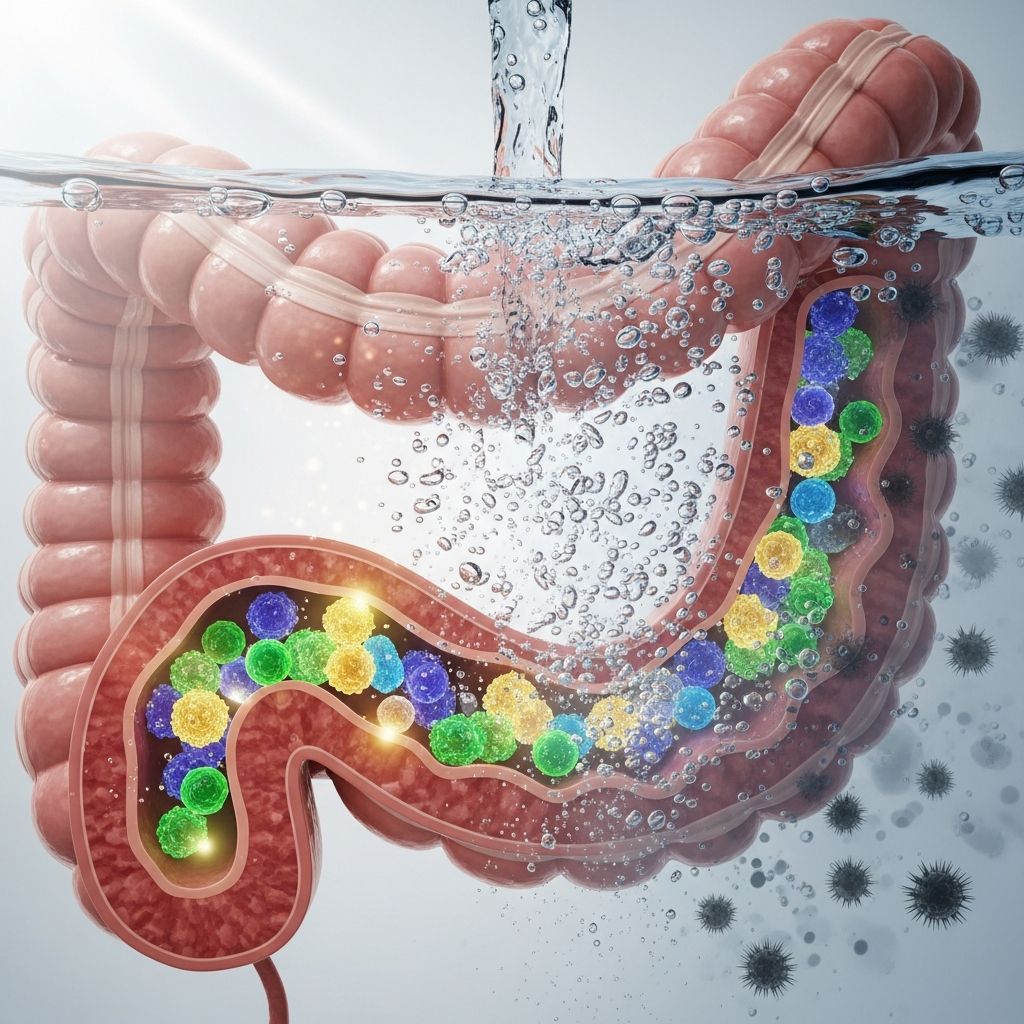
A
gut cleanse
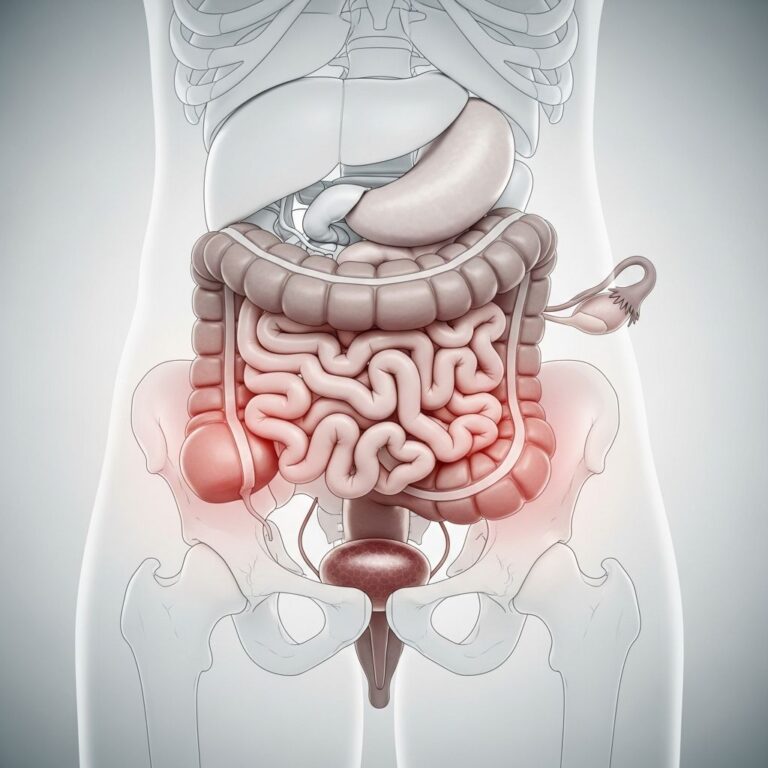
, also known as a colon cleanse or colonic irrigation, refers to practices aimed at flushing toxins from the digestive system, particularly the large intestine, using water, laxatives, teas, or restrictive diets. Proponents claim it resets digestion, boosts energy, and eliminates waste buildup, but medical experts caution that the body naturally detoxifies itself via the liver, kidneys, and bowels, rendering such cleanses unnecessary and potentially harmful.What Does a Gut Cleanse Entail?
Gut cleanses vary widely but typically involve one or more of these methods:
- Colonic hydrotherapy: A practitioner inserts a tube into the rectum to infuse large volumes of water (up to several gallons), loosening stool and flushing it out. Sessions last 30-60 minutes.
- Laxative or enema kits: Over-the-counter oral laxatives, herbal teas (e.g., senna), or at-home enemas stimulate bowel movements to expel contents.
- Juice fasts or detox diets: Consuming only fruit/vegetable juices, smoothies, or broths for 3-10 days while avoiding solid food, often paired with herbal supplements.
- Master Cleanse: A popular 10-day lemon juice, maple syrup, cayenne pepper, and water mixture with salt-water flushes.
These protocols promise rapid weight loss and bloating relief, but results are mostly water weight and temporary.
Do Gut Cleanses Work? The Evidence
Scientific support for gut cleanses is scant. While some small studies note short-term relief for chronic constipation or IBS symptoms, broader evidence shows no long-term benefits for healthy individuals.
- A study on bowel prep for colonoscopy (a medical gut cleanse) found 43% of participants reported symptom improvement at 12 months, but this dropped from initial rates, suggesting limited sustainability.
- No high-quality research proves cleanses remove “toxins” beyond normal waste or improve overall health markers like immunity or energy.
Experts from Mayo Clinic emphasize that colon cleansing is mainly useful before procedures like colonoscopies, not for routine wellness.
Potential Benefits of a Gut Cleanse
Anecdotal reports highlight these upsides, with limited evidence:
- Temporary symptom relief: Reduced bloating, constipation, or IBS pain for some.
- Weight loss illusion: Quick drop (5-10 lbs) from fluid and glycogen loss, not fat.
- Motivation boost: Structured plan encourages hydration and plant-focused eating temporarily.
However, gastroenterologists like Dr. Bulsiewicz note any relief is fleeting and doesn’t address root causes.
Risks and Downsides of Gut Cleanses
Gut cleanses carry significant hazards, especially if repeated or unsupervised:
- Microbiome disruption: Flushing removes beneficial bacteria essential for digestion, immunity, and metabolite production like short-chain fatty acids (SCFAs).
- Dehydration and electrolyte imbalance: Diarrhea from laxatives depletes sodium, potassium, leading to dizziness, cramps, or heart issues.
- Nutrient deficiencies: Juice fasts lack protein, fats, vitamins, causing fatigue, muscle loss.
- Bowel perforation or infection: Rare but serious from hydrotherapy tubes or contaminated equipment.
- Worsened gut issues: Repeated cleanses may exacerbate dysbiosis, IBS, or SIBO.
High-risk groups—pregnant people, elderly, those with GI disorders, kidney issues—should avoid entirely.
How the Gut Actually Cleanses Itself
Your digestive system is self-regulating:
- Mucosal barrier: Mucus and cells shed daily, trapping waste.
- Peristalsis: Muscle contractions propel contents through intestines.
- Liver/kidneys: Filter blood toxins for urine excretion.
- Gut microbiota: Ferments fiber into SCFAs, supporting barrier integrity and inflammation control.
Daily bowel movements (1-3x) signal effective natural cleansing—no intervention needed unless constipation persists.
Science-Backed Ways to Improve Gut Health
Instead of cleanses, prioritize sustainable habits supported by research:
1. Embrace a Fiber-Rich, Diverse Diet
Aim for 25-38g fiber daily from plants. Fiber feeds beneficial bacteria, producing SCFAs that nourish colon cells and reduce inflammation.
Related Stories



| Diet Pattern | Key Gut Benefits | Foods to Include |
|---|---|---|
| Mediterranean | Boosts beneficial bacteria, lowers harmful ones; increases SCFA production. | Fruits, veggies, whole grains, olive oil, fish, nuts, yogurt. |
| DASH | Enhances diversity via probiotics in low-fat dairy; reduces sodium-related dysbiosis. | Leafy greens, berries, beans, low-fat dairy, lean proteins. |
| Plant-Based/Vegan | High fiber/phytochemicals promote butyrate-producing bacteria. | Legumes, oats, fruits, veggies, seeds. |
2. Incorporate Probiotics and Prebiotics
- Probiotics: Live bacteria in yogurt, kefir, sauerkraut restore balance post-antibiotics.
- Prebiotics: Fibers in garlic, onions, bananas feed good bacteria.
3. Stay Hydrated and Active
Water softens stool; exercise promotes motility. Aim for 8+ cups water and 150 min moderate activity weekly.
4. Limit Gut Disruptors
- Processed foods, sugars, trans fats promote inflammation and bad bacteria.
- Excess alcohol, NSAIDs; manage stress via meditation.
Who Might Benefit from a Medical Gut Cleanse?
Only under supervision:
- Prep for colonoscopy/endoscopy.
- Chronic constipation unresponsive to diet/lifestyle.
Consult a doctor first.
Gut Cleanse vs. Healthy Habits: A Comparison
| Aspect | Gut Cleanse | Evidence-Based Approach |
|---|---|---|
| Duration | Days-weeks (temporary) | Lifelong |
| Microbiome Impact | Disrupts diversity | Enhances via fiber/diversity |
| Sustainability | Poor; rebound issues | High; lasting benefits |
| Risks | High (dehydration, etc.) | Low |
Frequently Asked Questions (FAQs)
What comes out during a gut cleanse?
Water, stool remnants, mucus, undigested food particles, bacteria, and gas. No unique “toxins.”
Can I do a gut cleanse at home?
Herbal laxatives or enemas possible, but risks dehydration/infection. Professional guidance advised.
How long does a gut cleanse last?
1-10 days typical; hydrotherapy is one session. Not for repetition.
Do gut cleanses cause weight loss?
Temporary water weight; no fat loss. Healthy diets needed for real results.
Is a gut cleanse safe?
Often not, especially for vulnerable groups. Fiber/diet safer.
How do you know if your gut needs cleansing?
Persistent symptoms warrant doctor visit, not self-cleanse. Diverse plants suffice for most.
What’s better than a gut cleanse?
Fiber from 30+ plants weekly, probiotics, hydration, exercise.
(Word count: 1678)
References
- Elucidating the role of diet in maintaining gut health to reduce… — National Institutes of Health (NIH). 2023. https://pmc.ncbi.nlm.nih.gov/articles/PMC10773664/
- What doctors wish patients knew about improving gut health — American Medical Association (AMA). 2023-10-10. https://www.ama-assn.org/public-health/prevention-wellness/what-doctors-wish-patients-knew-about-improving-gut-health
- Can a Gut Cleanse Help My Digestion? — ZOE (reviewed by experts). 2025-11-17. https://zoe.com/learn/gut-cleanse
- Colon cleansing: Is it helpful or harmful? — Mayo Clinic. 2023. https://www.mayoclinic.org/healthy-lifestyle/consumer-health/expert-answers/colon-cleansing/faq-20058435
Similar Articles








Read full bio of Sneha Tete