What Is a Liquid Diet—and Is It Healthy?
Discover the types, benefits, risks, and guidelines for liquid diets to determine if they're a healthy choice for you.
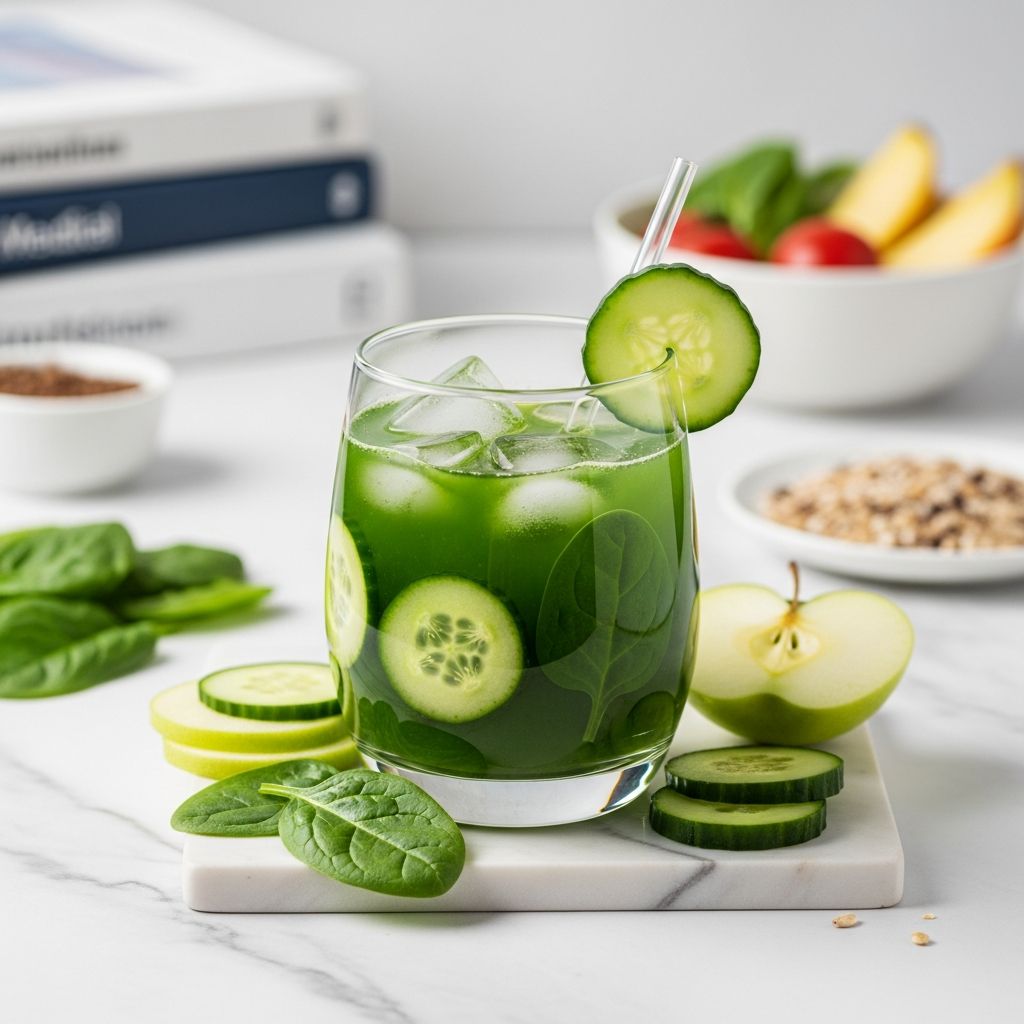
A liquid diet involves consuming only liquids or foods blended into liquid form, such as juices, broths, smoothies, and meal replacement shakes, instead of solid foods. These diets are typically used short-term for medical reasons like post-surgery recovery or swallowing difficulties, or for weight loss, but their healthiness depends on duration, type, and medical supervision.
What Is a Liquid Diet?
Liquid diets restrict intake to beverages and pureed foods that are easy to swallow and digest, providing hydration and basic nutrition without requiring chewing. They differ from regular diets by eliminating solid foods entirely, which gives the digestive system a rest but can limit nutrient variety if not balanced properly. Common motivations include preparing for medical procedures, aiding recovery from gastrointestinal issues, or attempting rapid weight loss through calorie reduction.
Healthcare professionals often prescribe them in controlled settings, ensuring they meet minimum caloric and nutritional needs. Without supervision, however, they risk deficiencies in protein, fiber, and fats essential for long-term health.
Types of Liquid Diets
There are primarily two categories: clear liquid diets and full liquid diets, each with specific purposes and allowed foods.
Clear Liquid Diet
A clear liquid diet consists of transparent, colorless fluids that are easily digested and leave minimal residue in the intestines. It’s the strictest form, often used for 1-2 days before procedures like colonoscopies or for acute digestive issues.
- Allowed: Water, clear broths, black coffee or tea (no milk), clear fruit juices (apple, white grape without pulp), sports drinks, clear sodas like ginger ale, plain gelatin, ice pops without fruit pieces.
- Not allowed: Dairy, opaque juices, alcohol, or anything with pulp or solids.
This diet provides hydration and some electrolytes but lacks sufficient calories, proteins, fats, and fiber, making it unsuitable beyond short-term use.
Full Liquid Diet
A full liquid diet advances from clear liquids by including milk, thicker beverages, and blended foods, offering more calories and nutrients. It’s recommended post-surgery, for those with chewing difficulties, or transitioning from clear liquids.
- Allowed: All clear liquids plus milk, smoothies, cream soups (strained), pudding, yogurt (plain), blended fruits/vegetables, protein shakes, ice cream (without chunks).
- Not allowed: Solid foods, chunky purees, or high-fiber items.
While more nourishing, it still falls short on fiber and may cause constipation if prolonged.
Is a Liquid Diet Healthy?
Liquid diets can be healthy short-term under medical guidance but pose risks for nutrient imbalances and unsustainable weight loss if used long-term without solids. Balanced meal replacements replacing 1-2 meals daily are safer than all-liquid plans.
Benefits of a Liquid Diet
When nutrient-dense and temporary, liquid diets offer targeted advantages, particularly for digestion and short-term goals.
Related Stories



- Promotes Short-Term Weight Loss: By slashing calories (often 50% less than solids), they create a deficit leading to 5-15 pounds lost in weeks, as seen in studies where liquid users dropped more weight than solid-food groups initially.
- Boosts Nutrient Intake: Fruit/vegetable-based juices and smoothies deliver vitamins, minerals, and antioxidants, helping meet daily needs many lack from produce.
- Aids Digestion and Gut Rest: Liquids ease the digestive tract, reducing bloating, gas, and constipation; beneficial for inflamed bowels or post-surgery.
- Supports Medical Recovery: Ideal for swallowing issues, dental work, or pre-procedure prep, providing hydration without strain.
- May Improve Blood Sugar and Energy: Some plans lower fasting glucose and enhance mental alertness via detoxification.
Disadvantages of a Liquid Diet
Despite benefits, risks often outweigh gains for non-medical use, especially beyond 1-2 weeks.
- Nutrient Deficiencies: Lacks fiber, protein, and healthy fats, risking fatigue, headaches, muscle loss, hair thinning, and weakened immunity.
- Temporary Weight Loss: Slows metabolism, triggering starvation mode; 95% regain weight post-diet due to rebound overeating.
- Gallstone Risk: Very low-calorie versions (<800/day) increase gallstones by rapid fat breakdown.
- Digestive Issues: Low fiber causes constipation; some experience diarrhea or nausea.
- Other Side Effects: Dizziness, irritability, heart strain from imbalances if unsupervised.
Who Might Benefit from a Liquid Diet?
Primarily those under medical orders: post-bariatric surgery patients, individuals with dysphagia, or pre-endoscopy prep. Short cleanses (3-7 days) with nutrient-rich blends may aid detox, but consult a doctor first.
Athletes or busy people might use meal-replacement shakes for 1-2 meals, ensuring balanced macros.
Who Should Avoid a Liquid Diet?
Avoid if pregnant, breastfeeding, underweight, elderly, or with eating disorders, diabetes (without supervision), or kidney issues, as imbalances exacerbate conditions. Long-term use without solids heightens deficiency risks for all.
How to Follow a Liquid Diet Safely
Prioritize supervision; aim for 1,000-1,500 calories/day with varied liquids. Sample daily plan:
| Meal | Example Foods | Approx. Calories |
|---|---|---|
| Breakfast | Fruit smoothie (banana, berries, yogurt, almond milk) | 300 |
| Mid-morning | Vegetable juice (carrot, spinach, apple) | 150 |
| Lunch | Protein shake + cream of wheat | 400 |
| Afternoon | Bone broth or clear soup | 100 |
| Dinner | Blended soup (tomato, lentils) | 350 |
| Evening | Gelatin or pudding | 150 |
Monitor for side effects; transition gradually to solids. Choose low-sugar, whole-food-based options.
Frequently Asked Questions (FAQs)
What is the difference between a clear liquid diet and a full liquid diet?
A clear liquid diet includes only transparent fluids like broths and juices without pulp, while a full liquid diet adds dairy, smoothies, and purees for more nutrition.
Can you lose weight on a liquid diet?
Yes, short-term via calorie reduction, but weight often rebounds; equal to solid low-calorie diets when calories match.
Are liquid diets safe long-term?
No, they risk deficiencies; safe only short-term or partial with meal replacements under guidance.
What are the side effects of a liquid diet?
Constipation, fatigue, gallstones, nutrient gaps, and muscle loss.
Who should not do a liquid diet?
Pregnant individuals, those with chronic conditions, or without medical advice.
References
- Understanding The Pros and Cons of a Liquid Diet — Wellbeing Nutrition. 2023. https://wellbeingnutrition.com/blogs/essentials/understanding-the-pros-and-cons-of-a-liquid-diet
- Are Liquid Diets a Good Idea for Weight Loss? — Healthline. 2023-10-12. https://www.healthline.com/nutrition/liquid-diets-for-weight-loss
- Liquid Diet Types, Potential Benefits and Sample Meals — DrAxe.com. 2023. https://draxe.com/nutrition/liquid-diet/
- Do Liquid Diets Help You Lose Weight? — WebMD. 2024. https://www.webmd.com/diet/liquid-diets
- What Are Liquid Diets? Benefits & More — Holland & Barrett. 2023. https://www.hollandandbarrett.com/the-health-hub/food-drink/drinks/what-are-liquid-diets/
- Clear liquid diet — Mayo Clinic. 2023-08-15. https://www.mayoclinic.org/healthy-lifestyle/nutrition-and-healthy-eating/in-depth/clear-liquid-diet/art-20048505
Similar Articles








Read full bio of medha deb