Low-Residue Diet: Foods List, Pros & Cons, 1-Day Menu
Learn what a low-residue diet is, who it's for, foods to eat and avoid, and sample meal ideas for better digestive health.
A
low-residue diet
minimizes dietary fiber and indigestible materials to reduce stool bulk, frequency of bowel movements, and digestive strain. This approach leaves little ‘residue’—undigested food like fiber—in the intestines, resulting in smaller, less frequent stools.Unlike a standard low-fiber diet, a low-residue diet also restricts foods that produce residue during digestion, such as tough meats or seeds. It’s typically short-term, prescribed by healthcare providers for conditions like inflammatory bowel disease (IBD) flares, post-surgery recovery, or colonoscopy prep.
What Foods Are Included on a Low-Residue Diet?
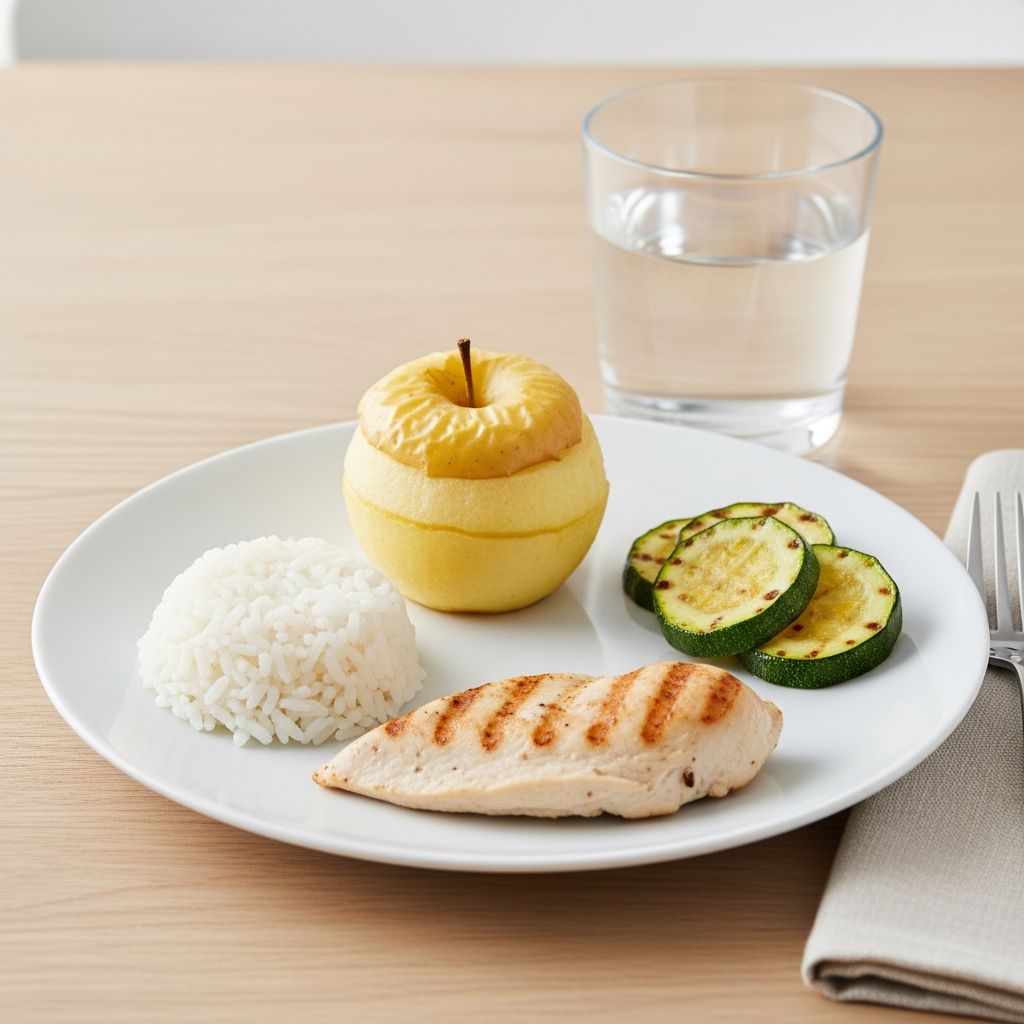
The diet emphasizes easily digestible, refined foods that break down quickly with minimal waste. Focus on white grains, tender proteins, and cooked, peeled produce while avoiding anything fibrous or bulky.
- Grains: White bread, refined pasta, white rice, refined cereals without nuts/seeds (e.g., Cream of Wheat).
- Proteins: Tender, well-cooked meats (chicken, turkey, fish), eggs, smooth peanut butter (limited).
- Dairy: Milk, yogurt, soft cheeses (if tolerated).
- Fruits: Canned or cooked fruits without skin/seeds (applesauce, ripe bananas).
- Vegetables: Well-cooked, peeled veggies like carrots, potatoes (no skin), green beans (strains removed).
- Fats: Butter, margarine, oils, mayonnaise.
- Beverages: Water, tea, coffee, clear juices (strained).
What Foods Should You Avoid on a Low-Residue Diet?
High-fiber foods, raw produce, whole grains, and tough textures increase residue and should be eliminated to rest the gut.
| Category | Foods to Avoid | Reason |
|---|---|---|
| Grains | Whole wheat bread, brown rice, oatmeal, popcorn, bran cereals | High insoluble fiber bulks stool |
| Fruits | Raw fruits with skin/seeds (apples, berries), dried fruits, prunes | Skins/seeds create residue |
| Vegetables | Raw veggies, broccoli, cabbage, corn, peas, skins on potatoes | Fibrous and gas-producing |
| Proteins | Tough meats, nuts, seeds, chunky peanut butter, beans/legumes | Hard to digest, add bulk |
| Other | Chocolate, coconut, pickles, relishes, fried foods | Irritate or slow digestion |
Who Might Benefit from a Low-Residue Diet?
This diet is not for long-term use but serves specific medical needs by giving bowels a ‘rest’.
- Post-Surgery Recovery: After ileostomy, colostomy, or bowel resection to reduce output and promote healing.
- IBD Flares (Crohn’s, Ulcerative Colitis): Eases diarrhea, cramping, bloating during active inflammation.
- Diverticulitis: Minimizes irritation in inflamed colon pouches.
- Radiation Therapy: Protects pelvis/lower intestines from harsh treatments.
- Colonoscopy Prep: Improves bowel cleansing for better procedure visibility.
- Other: Acute diarrhea, strictures, or narrowing that risks obstruction.
Pros and Cons of a Low-Residue Diet
While beneficial short-term, it carries nutritional trade-offs.
Pros
- Reduces bowel movement frequency/size, easing diarrhea and discomfort.
- Slows transit for better nutrient absorption.
- Lowers stomal output for ostomates, improving quality of life.
- Less demanding on weakened digestion (e.g., elderly, post-op).
- Supports faster recovery after colorectal surgery vs. clear liquids.
Cons
- Risk of nutrient deficiencies (vitamins, minerals from refined grains, cooked foods).
- Harms gut bacteria diversity by limiting fiber prebiotics.
- Not sustainable long-term; lacks antioxidants/phytochemicals from fresh produce.
- May cause constipation if fiber too low.
A Sample 1-Day Low-Residue Diet Menu
This 1,800-calorie menu provides balanced, residue-minimal meals. Adjust portions as needed and consult a dietitian.
| Meal | Sample Foods | Approx. Calories |
|---|---|---|
| Breakfast | Scrambled eggs (2), white toast with butter, applesauce, black coffee | 400 |
| Morning Snack | Plain yogurt (low-fat), ripe banana | 200 |
| Lunch | Baked chicken breast, mashed potatoes (no skin), cooked carrots, white roll | 500 |
| Afternoon Snack | Cottage cheese, canned peaches (juices strained) | 200 |
| Dinner | White rice, poached white fish, well-cooked green beans (strung), Jell-O | 400 |
| Evening Snack | Saltine crackers with smooth peanut butter | 100 |
Related Stories



Tip: Drink 8+ cups of fluids daily to prevent dehydration and aid digestion.
Frequently Asked Questions (FAQs)
What is the difference between a low-residue and low-fiber diet?
A low-fiber diet cuts fiber broadly, while low-residue also limits residue-forming foods like seeds or tough proteins for even less stool bulk.
How long should you follow a low-residue diet?
Typically 2-6 weeks or as directed by a doctor; transition back to fiber gradually to avoid issues.
Can a low-residue diet cause constipation?
Yes, due to low fiber; include adequate fluids and soft foods to mitigate.
Is a low-residue diet safe for weight loss?
No, it’s not designed for that and may lead to deficiencies if prolonged; use under supervision.
Who should not follow a low-residue diet?
Those without digestive issues, as it limits essential nutrients; always get medical advice.
Important Considerations Before Starting
Consult a registered dietitian or physician before starting, especially if you have conditions like diabetes or allergies. Monitor symptoms and transition off when stable—aim for tolerated fiber to support gut health. Supplements may be needed for vitamins (e.g., C, B) lost from restricted foods.
This diet exemplifies ‘bowel rest’ but underscores balanced nutrition’s role in long-term wellness. For personalized plans, seek professional guidance.
References
- The pros and cons of a low residue diet — Nutrition for Ostomates. 2023. https://www.nutritionforostomates.com.au/pros-and-cons-of-low-residue-diet/
- The Benefits of a Low Residue Diet — Cary Gastroenterology Associates. 2022-10-12. https://www.carygastro.com/blog/the-benefits-of-a-low-residue-diet
- What is the Low-Residue Diet and Is It Healthy? — Banner Health. 2024. https://www.bannerhealth.com/healthcareblog/teach-me/what-is-the-low-residue-diet
- Low-Residue Diet: Foods, Menus, and More — WebMD. 2023-05-15. https://www.webmd.com/ibd-crohns-disease/crohns-disease/low-residue-diet-foods
- What to Eat and When to Follow a Low Residue Diet — Healthline. 2023. https://www.healthline.com/health/crohns-disease/low-residue-diet
- Low Residue Diet: What is it and Who is it for? — Canadian Digestive Health Foundation. 2024. https://cdhf.ca/en/low-residue-diet-what-is-it-and-who-is-it-for/
- Low-Residue and Low-Fiber Diets in Gastrointestinal Disease — National Center for Biotechnology Information (PMC). 2015-10-14. https://pmc.ncbi.nlm.nih.gov/articles/PMC4642427/
Similar Articles








Read full bio of Sneha Tete