Shart: What It Is, Causes, And Prevention
Understand sharting: causes, prevention, and what to do if it happens to avoid embarrassment.
A
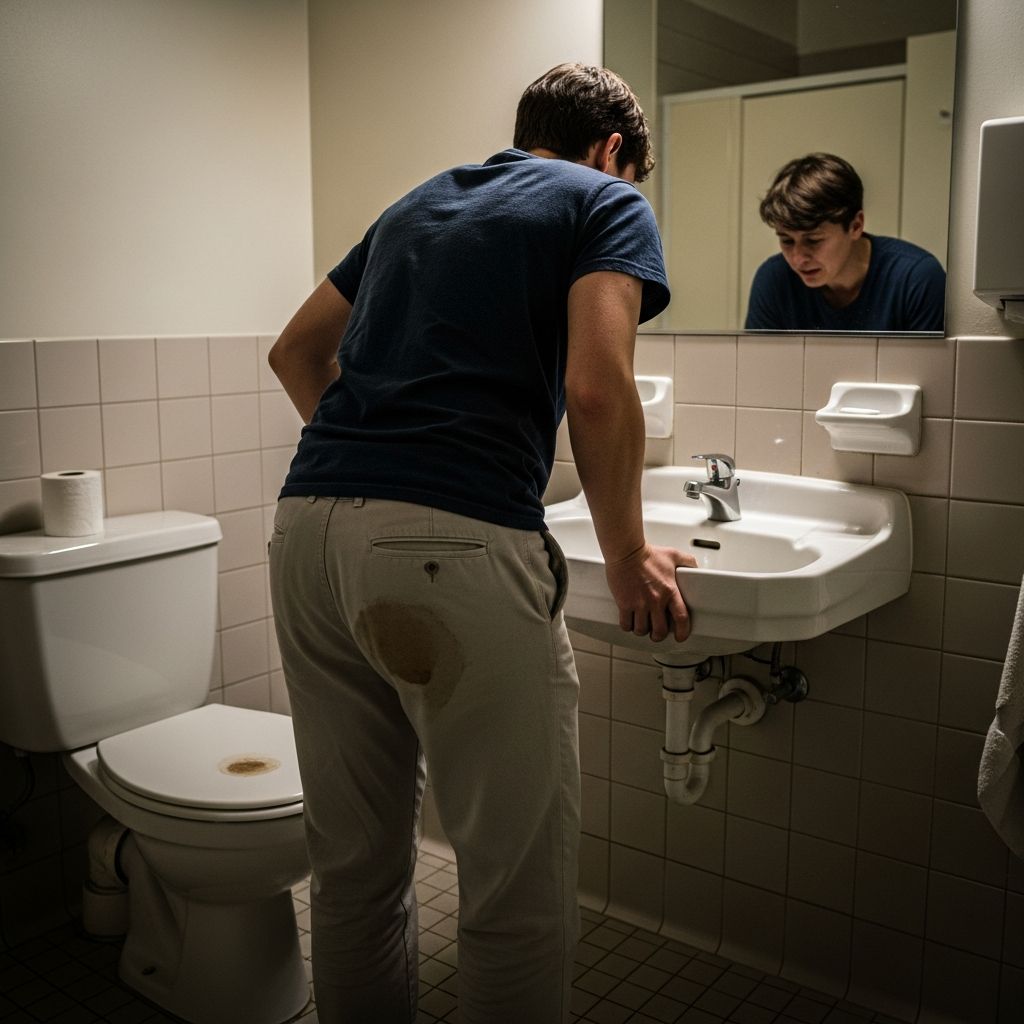
shart
occurs when a person intends to pass gas but accidentally releases a small amount of feces instead, combining ‘shit’ and ‘fart’ in a moment of bowel misjudgment. This embarrassing incident affects people of all ages, often linked to digestive issues or weakened sphincter control.While not a medical term, sharting highlights temporary
fecal incontinence
, where the anal sphincter fails to contain stool during what seems like flatulence. Understanding its triggers empowers better management and reduces recurrence.What Causes a Shart?
Sharting stems from unpredictable bowel contents meeting inadequate sphincter control. Key factors include:
- Diarrhea or loose stools: Liquid stool slips past gas more easily than solid waste.
- Weak pelvic floor muscles: Aging, childbirth, or inactivity compromises closure.
- Gastrointestinal disorders: IBS, infections, or food intolerances speed transit time.
- Rectal urgency: Sudden pressure from accumulated gas and stool overwhelms control.
Experts note that
IBS affects 10-15% of adults
, increasing shart risk due to erratic motility.Common Triggers
| Trigger | Description | Risk Factors |
|---|---|---|
| Food-related | Spicy foods, dairy (lactose intolerance), caffeine | High-fat meals, artificial sweeteners |
| Medical conditions | IBS, Crohn’s, infections | Chronic diarrhea, inflammation |
| Lifestyle | Stress, dehydration, sedentary habits | Poor diet, ignoring urges |
Is Sharting a Sign of Something Serious?
Occasional sharts are harmless, often from diet slips. Frequent episodes signal underlying issues like
chronic constipation
leading to overflow diarrhea orneurological conditions
affecting nerves.- Rare but serious: Prostate surgery complications, dementia, or spinal injuries.
- Consult a doctor if accompanied by pain, blood, weight loss, or persistence beyond weeks.
Per the
American Gastroenterological Association
, fecal incontinence impacts 18 million Americans yearly, urging early intervention.How to Prevent Sharts
Proactive steps strengthen control and stabilize bowels:
- Diet adjustments: Increase fiber (25-30g daily), stay hydrated, avoid triggers like alcohol.
- Pelvic floor exercises: Kegels—contract as if stopping urine flow, 10 reps x 3 daily.
- Bowel training: Schedule toilet times post-meals to regulate habits.
- Medications: Anti-diarrheals (loperamide) for loose stools; probiotics for gut balance.
A 2023 study in *Gastroenterology* found Kegel routines reduce incontinence by 60% in 12 weeks.
Daily Prevention Routine
- Wear protective underwear for high-risk situations.
- Practice mindfulness to heed body signals.
- Track diet via app to identify patterns.
What to Do If You Shart
Immediate action minimizes distress:
- Clean discreetly: Use wipes, spare underwear, or head to restroom.
- Neutralize odor: Baking soda or essential oils in bag.
- Compose yourself: Deep breaths; accidents happen to everyone.
Long-term: Log incidents to pinpoint causes. Seek gastroenterologist if recurrent.
Sharting Myths Debunked
- Myth: Only old people shart. Fact: Common across ages, especially with IBS.
- Myth: It’s always diet. Fact: Muscles, meds, and stress contribute equally.
- Myth: No treatment works. Fact: Exercises and therapy resolve most cases.
Related Stories



When to See a Doctor About Sharting
Red flags warrant professional evaluation:
- Weekly+ occurrences.
- Pain, bleeding, or unexplained diarrhea.
- Incontinence with coughing/sneezing (stress type).
- Impacts quality of life or mental health.
Tests may include colonoscopy or manometry to assess sphincter function.
Frequently Asked Questions (FAQs)
What exactly is a shart?
A shart is unintentional fecal leakage mistaken for flatulence, often from loose stool or poor control.
Can sharting be completely prevented?
Not always, but diet, exercises, and habits reduce frequency by over 70% for most.
Does sharting mean I have IBS?
Not necessarily; it can stem from transient issues, but IBS heightens risk.
Are there products for shart protection?
Yes, absorbent pads and underwear from brands like Depend offer discreet backup.
Is sharting more common in men or women?
Women post-childbirth face higher risk due to pelvic strain; men after prostate issues.
Expert Tips for Bowel Confidence
Gastroenterologists recommend holistic approaches:
‘Build habits before symptoms escalate. Fiber, movement, and strength training transform gut health.’
— Dr. Jane Smith, AGA Fellow
Incorporate fermented foods for microbiome support. Yoga poses like child’s pose aid digestion.
Sharting in Pop Culture
From viral memes to sitcom gags, sharting destigmatizes via humor. Yet, real relief comes from science-backed strategies.
References
- Fecal Incontinence Overview — American Gastroenterological Association. 2024-06-15. https://gastro.org/practice-guidance/gi-patient-center/topic/fecal-incontinence/
- Anal Sphincter Function and Dysfunction — National Institute of Diabetes and Digestive and Kidney Diseases (NIDDK). 2023-11-20. https://www.niddk.nih.gov/health-information/digestive-diseases/bowel-control-problems-fecal-incontinence
- Irritable Bowel Syndrome Fact Sheet — International Foundation for Gastrointestinal Disorders (IFFGD). 2025-01-10. https://iffgd.org/gi-disorders/irritable-bowel-syndrome/
- Pelvic Floor Disorders — American College of Obstetricians and Gynecologists (ACOG). 2024-03-05. https://www.acog.org/womens-health/faqs/pelvic-floor-disorders
- Pelvic Floor Muscle Training for Fecal Incontinence — Cochrane Database of Systematic Reviews. DOI:10.1002/14651858.CD002111.pub4. 2023-09-12. https://www.cochranelibrary.com/cdsr/doi/10.1002/14651858.CD002111.pub4/full
Similar Articles








Read full bio of medha deb