Whole Grain 101: What They Are, 6 Key Benefits & Simple Tips
Discover the structure, benefits, and tips for identifying whole grains to boost your health with nutrient-rich foods.
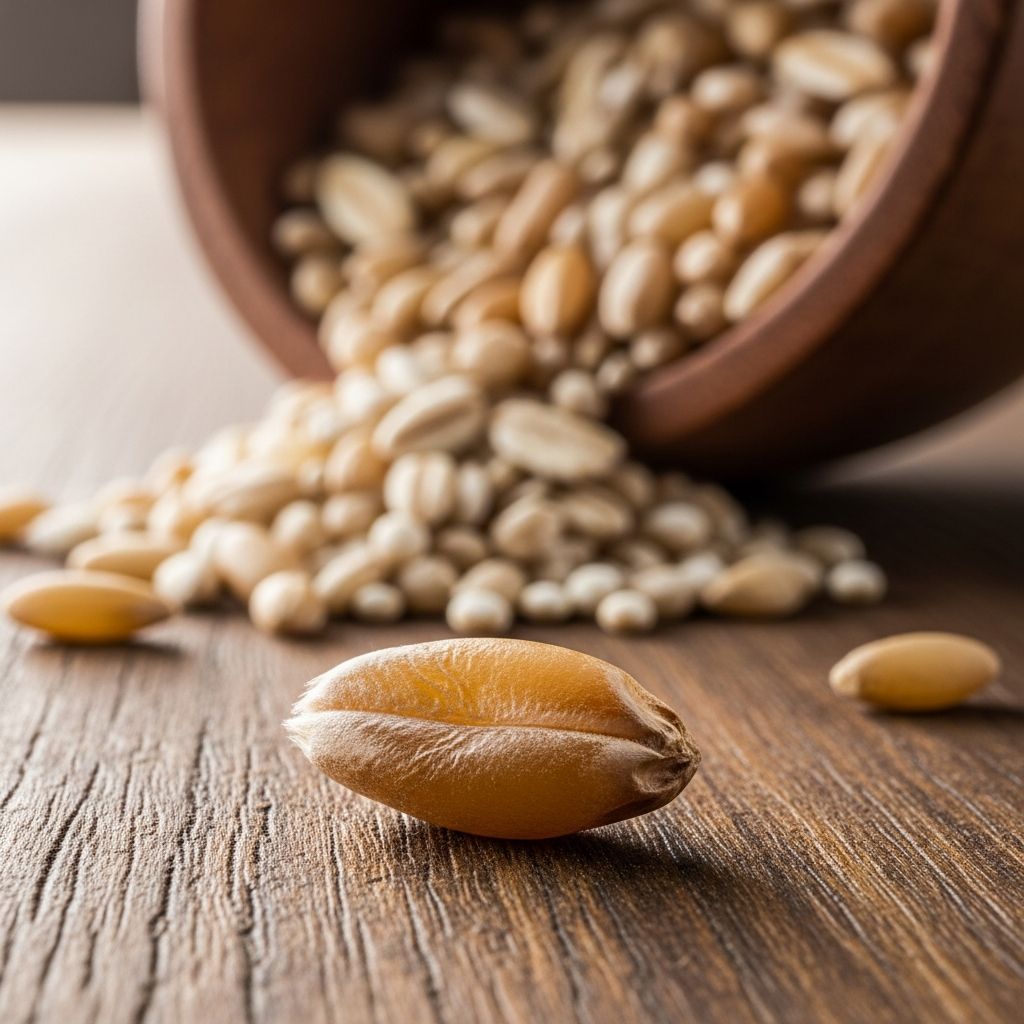
Whole grains consist of the intact kernel, including the bran, germ, and endosperm, delivering essential nutrients that refined grains lack. Unlike refined grains, which lose key components during processing, whole grains retain fiber, vitamins, minerals, and antioxidants for optimal health.
The Three Parts of a Whole Grain Kernel
A whole grain kernel has three main parts: the bran, germ, and endosperm. Each contributes unique nutrients that support overall wellness.
- Bran: The outer layer, rich in fiber, B vitamins, antioxidants, and phytochemicals. It aids digestion, lowers cholesterol, and protects against chronic diseases.
- Germ: The core containing healthy fats, vitamins (E, B), minerals (iron, zinc), and antioxidants. It provides energy and combats oxidative stress.
- Endosperm: The starchy middle, offering carbohydrates, protein, and smaller amounts of nutrients. In refined grains, this is primarily what remains.
When all parts are present in their natural proportions, the grain is whole, preserving its nutritional integrity.
Health Benefits of Whole Grains
Regular consumption of whole grains lowers risks of heart disease, type 2 diabetes, obesity, and certain cancers due to their nutrient density.
- Rich in Nutrients: Whole grains provide fiber (3g per serving), B vitamins (thiamine, niacin, folate), minerals (manganese 69% RDI, magnesium 12% RDI), protein, antioxidants (phytic acid, lignans), and plant compounds (polyphenols).
- Heart Health: Three daily 1-oz servings reduce heart disease risk by 22% by lowering cholesterol via soluble fiber and improving blood vessel function. A meta-analysis showed 70g/day linked to 23% lower cardiovascular mortality.
- Diabetes Prevention: Fiber and magnesium enhance insulin sensitivity and stabilize blood sugar, reducing type 2 diabetes risk.
- Weight Management: High fiber promotes satiety, aiding obesity prevention.
- Digestive Health: Soluble fiber reduces cholesterol; insoluble fiber prevents constipation and supports gut health.
- Cancer Protection: Antioxidants and phytochemicals may lower colorectal, pancreatic, and gastric cancer risks.
Studies recommend 2-3 servings (~45g) daily for these benefits, with evidence strongest for cardiovascular and diabetes prevention.
Whole Grains vs. Refined Grains
| Aspect | Whole Grains | Refined Grains |
|---|---|---|
| Nutrient Content | Fiber, vitamins, minerals, antioxidants intact | Bran and germ removed; mostly starch |
| Health Impact | Lower disease risk, better satiety | Fewer benefits; rapid blood sugar spikes |
| Processing | Minimal; retains kernel parts | Milled, stripping outer layers |
| Examples | Oats, brown rice, quinoa | White bread, white rice |
Refined grains lose up to 80% of fiber and many micronutrients, but fortification partially restores some. Whole grains offer a complete nutrient package.
How to Identify Whole Grains
Look for ‘whole grain’ as the first ingredient on labels. Terms like ‘enriched’ or ‘wheat flour’ indicate refinement.
- Check the ingredients list: ‘Whole wheat,’ ‘whole oats,’ etc., at the top.
- Review the Nutrition Facts: Aim for >3g fiber per serving.
- Use the Whole Grains Stamp from the Whole Grains Council for verification.
- Avoid misleading claims like ‘made with whole grain’ if minimal.
The FDA defines whole grains as containing bran, germ, and endosperm in original proportions.
Examples of Whole Grains
- Amaranth
- Barley (hulled)
- Brown rice
- Buckwheat
- Bulgur
- Corn (whole cornmeal, popcorn)
- Millet
- Oats (steel-cut, rolled)
- Quinoa
- Rye (whole)
- Sorghum
- Spelt
- Teff
- Whole wheat
- Wild rice
Incorporate these into meals like oatmeal breakfasts or quinoa salads.
Recommended Intake
The USDA recommends at least half of daily grains (3-6 oz equivalents for adults) as whole grains, e.g., 3 servings daily. One serving: 1 slice whole-grain bread, ½ cup cooked brown rice, or 1 cup oatmeal.
Related Stories



Tips for Adding Whole Grains to Your Diet
- Start breakfast with steel-cut oats or whole-grain cereal.
- Swap white rice for brown or wild rice.
- Choose whole-wheat pasta or bread.
- Add quinoa or barley to soups and salads.
- Popcorn as a whole-grain snack.
- Experiment with ancient grains like teff or sorghum.
Gradual swaps prevent digestive discomfort from increased fiber.
Frequently Asked Questions
What is the difference between whole wheat and whole grain?
Whole wheat is one type of whole grain from wheat kernels; whole grain includes any intact kernel like oats or rice.
Are multigrain products whole grain?
Not necessarily; check if ‘whole’ precedes grain names in ingredients.
Can whole grains cause digestive issues?
Increase fiber gradually and drink water to avoid bloating.
How many whole grains should I eat daily?
Aim for 3 servings (48g) to gain benefits like reduced disease risk.
Are gluten-free grains whole?
Yes, like quinoa or brown rice, if the full kernel is used.
References
- 9 Health Benefits of Eating Whole Grains — Healthline. 2023-10-12. https://www.healthline.com/nutrition/9-benefits-of-whole-grains
- Whole Grain Goodness — University of Georgia Health Promotion. 2024-01-15. https://healthpromotion.uga.edu/nutrition/whole-grain/
- Health Benefits of Dietary Whole Grains: An Umbrella Review — PubMed Central (PMC). 2017-01-19. https://pmc.ncbi.nlm.nih.gov/articles/PMC5310957/
- Grains Group – One of the Five Food Groups — MyPlate.gov (USDA). 2025-06-01. https://www.myplate.gov/eat-healthy/grains
- Whole Grains — Harvard T.H. Chan School of Public Health Nutrition Source. 2024-08-20. https://nutritionsource.hsph.harvard.edu/what-should-you-eat/whole-grains/
Similar Articles








Read full bio of Sneha Tete