What Is Addiction: Understanding the Brain Disease
Explore how addiction hijacks the brain, changes brain chemistry, and develops into a chronic disease affecting reward and motivation.
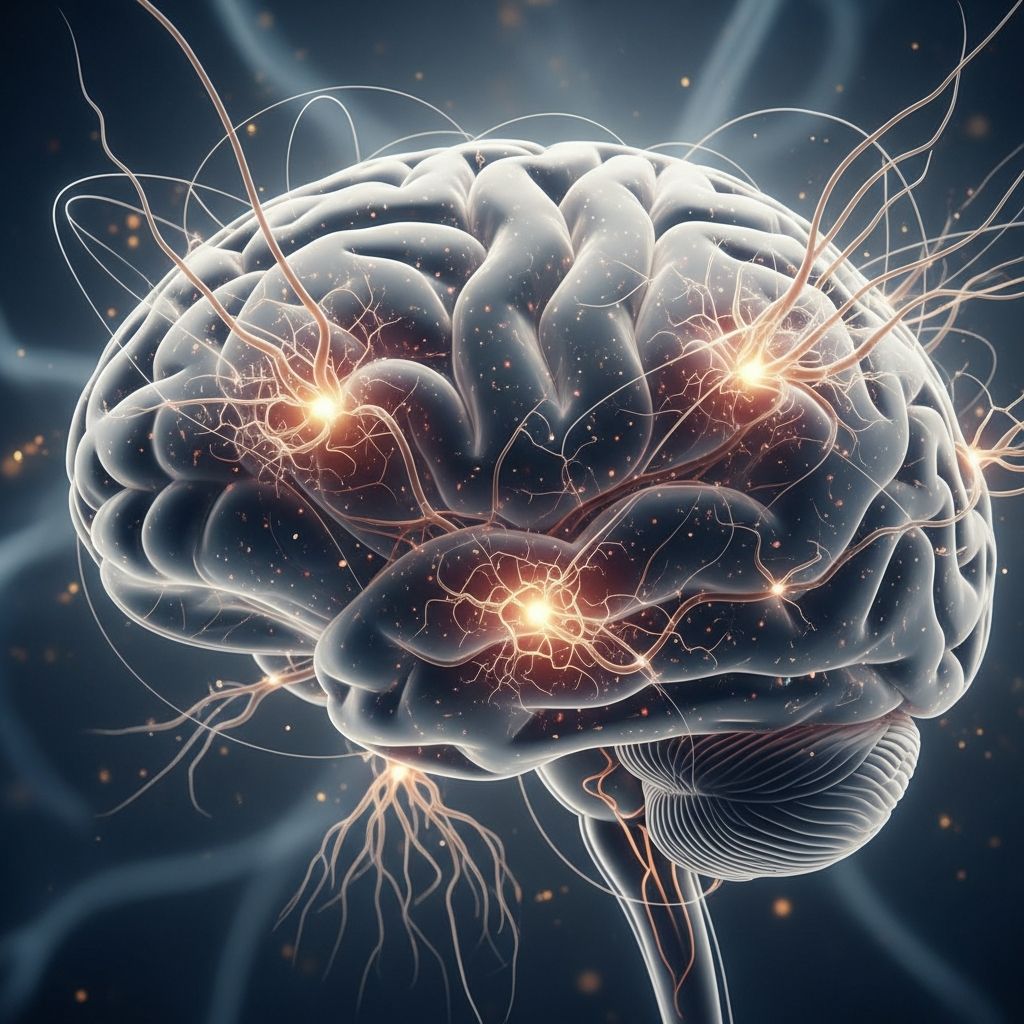
Addiction is far more than a lack of willpower or a moral failing. Modern neuroscience has revealed that addiction is a chronic brain disease that fundamentally alters how the brain functions. The American Society of Addiction Medicine officially defines addiction as “a primary, chronic disease of brain reward, motivation, memory, and related circuitry.” Understanding this definition and the science behind it is essential for recognizing addiction as a legitimate medical condition that requires professional treatment and support.
The word “addiction” itself derives from a Latin term meaning “enslaved by” or “bound to,” reflecting the powerful grip this disease exerts on those who suffer from it. This historical understanding aligns perfectly with modern scientific findings that reveal addiction’s devastating impact on brain structure and function. Just as cardiovascular disease damages the heart and diabetes impairs the pancreas, addiction hijacks the brain in ways that compromise a person’s ability to make healthy choices and maintain control over their behavior.
Defining Addiction: More Than Substance Use
For many years, experts believed that only powerful substances like alcohol and drugs could cause addiction. However, advances in neuroimaging technology and modern research have demonstrated that certain pleasurable activities—including gambling, shopping, and sex—can also co-opt the brain’s reward systems and lead to addiction. This broader understanding of addiction recognizes that the underlying brain mechanisms are similar regardless of the specific substance or behavior involved.
The diagnostic landscape has evolved significantly over time. The DSM-5 (Diagnostic and Statistical Manual of Mental Disorders, Fifth Edition) recognizes substance use disorders as a spectrum condition, distinguishing between hazardous use, substance use disorder at varying severity levels, and addiction itself. An important characteristic of addiction is the underlying change in brain circuits that may persist beyond detoxification, particularly in individuals with severe disorders. This distinction emphasizes that not all individuals with a substance use disorder are necessarily addicted, but those with moderate-to-severe conditions often develop true addiction characterized by loss of control and compulsive behavior.
The Three Key Characteristics of Addiction
Addiction manifests through three distinct and interconnected characteristics that define the condition:
Craving for the Object of Addiction
Individuals with addiction experience intense and persistent cravings for the substance or behavior. These cravings go beyond simple desire and represent a powerful neurological drive that can be triggered by environmental cues, emotional states, or memories associated with past use. Cravings contribute significantly not only to maintaining addiction but also to relapse after periods of sobriety.
Loss of Control Over Use
People with addiction lose the ability to regulate their consumption. What may have started as a choice becomes a compulsion. The brain’s reward system has been so fundamentally altered that normal decision-making processes no longer function effectively. This loss of control results directly from shifts in brain chemistry and altered neural circuitry, not from weakness of character or insufficient motivation.
Continuing Use Despite Adverse Consequences
Despite experiencing negative consequences—including health problems, damaged relationships, financial difficulties, and legal troubles—individuals with addiction continue their substance use or behavior. This apparent irrationality reflects the profound changes that addiction has created in the brain’s motivation and decision-making systems.
How Addiction Hijacks the Brain’s Reward System
The brain’s reward system evolved to encourage behaviors essential for survival, such as eating and reproduction. This system associates certain activities with pleasure and satisfaction, creating powerful motivation to repeat those activities. Addiction exploits this natural system by flooding it with neurochemical signals that far exceed what natural rewards produce.
The Role of Dopamine
All drugs of abuse—from nicotine to heroin—cause a particularly powerful surge of dopamine in the nucleus accumbens, a brain region central to reward and pleasure. The likelihood that a drug or rewarding activity will lead to addiction is directly linked to three factors: the speed with which it promotes dopamine release, the intensity of that release, and the reliability of that release. Addictive substances essentially provide a shortcut to the brain’s reward system, flooding it with dopamine in ways that natural rewards cannot match.
Beyond Pleasure: Learning and Memory
Scientists once believed that the experience of pleasure alone was sufficient to drive addiction. However, contemporary research reveals a more complex picture. Dopamine plays a crucial role not only in pleasure but also in learning and memory—two critical elements in the transition from liking something to becoming addicted to it. According to current addiction theory, dopamine interacts with glutamate, another neurotransmitter, to take over the brain’s system of reward-related learning. This system normally links activities essential for survival with pleasure and reward, but addiction corrupts this system by creating abnormally strong associations between cues and the desired substance or behavior.
The Neurological Changes in Addiction
Tolerance and Escalating Use
As individuals continue using an addictive substance or engaging in an addictive behavior, their brains undergo adaptation. Repeated exposure causes nerve cells in the nucleus accumbens and the prefrontal cortex (the brain area involved in planning and executing tasks) to communicate in ways that increasingly couple liking something with wanting it, driving compulsive seeking behavior. This neurological adaptation leads to tolerance, where the brain becomes less responsive to dopamine. Consequently, individuals typically find that the desired substance no longer provides the same pleasure over time. They must consume increasing amounts to achieve the same dopamine “high” because their brains have adapted to the constant flood of dopamine.
The Shift to Compulsion
At this critical point, the nature of addiction fundamentally changes. The pleasure associated with an addictive substance or behavior subsides, yet the memory of the desired effect and the drive to recreate it—the “wanting”—persists intensely. This represents a profound shift in brain function, where the normal machinery of motivation has been corrupted. The person is no longer seeking the substance primarily because they expect it to feel good, but rather because their brain has been reprogrammed to compulsively seek it regardless of consequences.
Memory, Conditioning, and Relapse Risk
The hippocampus and amygdala—brain regions involved in memory and emotional responses—store detailed information about environmental cues associated with the desired substance. This learning process creates a conditioned response whereby encountering these cues triggers intense craving. Someone recovering from heroin addiction may experience powerful cravings upon seeing a hypodermic needle, while another person might feel driven to drink after spotting a bottle of whiskey. These conditioned responses can persist for years or even decades, explaining why individuals who have maintained sobriety for extended periods remain vulnerable to relapse when exposed to triggering cues.
This neurological memory system represents one of the most challenging aspects of addiction recovery. The brain’s learned associations between environmental cues and the addictive substance or behavior are remarkably durable and can be reactivated long after physical dependence has resolved.
Addiction as a Chronic Disease
The scientific consensus has fundamentally shifted regarding addiction. Today, addiction is recognized as a chronic disease that changes both brain structure and function, comparable to other chronic medical conditions. This classification acknowledges several important realities about addiction:
Chronic Nature
Like diabetes or heart disease, addiction is a long-term condition requiring ongoing management. Individuals who have achieved sobriety are never fully “cured” of addiction; rather, they must actively maintain recovery through continued effort and often professional support.
Persistent Brain Changes
The neurological alterations caused by addiction—changes in dopamine sensitivity, altered neural connections, and modified reward processing—persist even after the person stops using the substance. These persistent changes help explain why relapse risk remains elevated even after years of abstinence.
Biological Basis
As a brain disease, addiction has identifiable biological mechanisms rather than being simply a behavioral problem or moral issue. This scientific understanding has important implications for how society approaches treatment, prevention, and support for individuals with addiction.
Common Substances and Behaviors Associated with Addiction
While substance addictions remain most common, research confirms that behavioral addictions involve the same fundamental brain mechanisms:
- Alcohol and tobacco
- Prescription medications and illicit drugs
- Gambling
- Shopping and spending
- Sexual behaviors
- Internet and gaming activities
- Food and eating behaviors
Why Breaking Addiction Is Difficult
Understanding addiction as a brain disease explains why willpower alone is insufficient for recovery. The neurological changes in addiction are profound and extensive. The reward system has been reprogrammed, tolerance has developed, learning and memory systems have encoded powerful associations with cues, and the brain’s motivation circuits have been fundamentally altered. These changes don’t reverse quickly or easily through conscious effort alone.
Additionally, the amygdala—the brain’s emotional center—creates conditioned responses to addiction-related cues that operate largely outside conscious awareness and control. A person may find themselves experiencing intense cravings and emotional reactions to environmental triggers before they even consciously recognize the trigger, making relapse prevention extraordinarily challenging without professional support and evidence-based treatment strategies.
Implications for Treatment and Recovery
Recognizing addiction as a chronic brain disease has transformed approaches to treatment and recovery. Evidence-based treatments now target the specific neurological mechanisms underlying addiction, rather than simply attempting to strengthen willpower or moral character. Effective treatments may include:
- Medications that help restore normal dopamine function
- Behavioral therapies that address conditioned learning and cravings
- Cognitive-behavioral interventions to develop healthier coping strategies
- Environmental modifications to reduce exposure to triggering cues
- Comprehensive support systems addressing co-occurring mental health conditions
The Multidisciplinary Approach to Understanding Addiction
Modern addiction science recognizes that comprehensive understanding requires integrating neuroscientific, behavioral, clinical, and sociocultural perspectives. While brain disease mechanisms are central to addiction, the full picture also includes psychological factors, social determinants, environmental influences, and cultural contexts. This multidisciplinary approach acknowledges that while addiction originates in the brain, effective prevention and treatment must address the whole person within their life context.
Breaking Free: The Possibility of Recovery
Despite the serious challenges posed by addiction’s effects on the brain, recovery is possible. Research demonstrates that the brain retains significant plasticity—the capacity to change and form new neural connections—even after prolonged addiction. With appropriate treatment, ongoing support, and often considerable personal effort, individuals can develop new patterns of thinking and behavior that support recovery. The brain’s own remarkable capacity for change, combined with evidence-based treatments and supportive environments, makes recovery achievable for many people struggling with addiction.
Frequently Asked Questions
Q: Is addiction truly a disease, or is it just a behavioral problem?
A: Addiction is a recognized chronic brain disease that fundamentally changes brain structure and function. While behavior is certainly involved, the underlying cause is neurological rather than simply behavioral or moral. This is why willpower alone is often insufficient for recovery.
Q: Can behavioral addictions be as serious as substance addictions?
A: Yes. Neuroimaging research demonstrates that behavioral addictions like gambling, shopping, and sexual behaviors involve the same brain mechanisms as substance addictions, producing similar patterns of dopamine release and reward system dysfunction.
Q: Why do people relapse even after long periods of sobriety?
A: The brain changes caused by addiction persist long-term. Environmental cues can trigger conditioned responses and cravings due to lasting modifications in memory and emotional processing systems, making relapse a persistent risk even years after quitting.
Q: Can the brain recover from addiction?
A: Yes, the brain demonstrates remarkable plasticity and capacity for change. With appropriate treatment, support, and sustained effort, individuals can develop new neural pathways and patterns that support recovery, though the risk of relapse may remain throughout life.
Q: What causes some people to develop addiction while others don’t?
A: Addiction development involves complex interactions between genetic factors, brain chemistry, environmental influences, stress levels, psychological factors, and the specific properties of the substance or behavior. Individual vulnerability varies considerably based on these multiple factors.
References
- Understanding Addiction: How Addiction Hijacks the Brain — HelpGuide International. 2024. https://www.helpguide.org/mental-health/addiction/how-addiction-hijacks-the-brain
- Addiction and the Brain — Harvard Medical School, Office of Communications and External Relations. Spring 2017. https://hms.harvard.edu/news-events/publications-archive/brain/addiction-brain
- Addiction as a brain disease revised: why it still matters, and the importance of considering competing frameworks — National Center for Biotechnology Information (NCBI). U.S. National Library of Medicine, 2022. https://pmc.ncbi.nlm.nih.gov/articles/PMC8357831/
- A Public Health Approach to Addiction Starts at Home — Harvard Law Review Forum. 2024. https://harvardlawreview.org/forum/no-volume/a-public-health-approach-to-addiction-starts-at-home/
Similar Articles








Read full bio of medha deb