Allulose: 5 Evidence-Based Health Benefits And Uses
Discover what allulose is, its potential health benefits, safety profile, and how a dietitian recommends using this low-calorie sweetener in your diet.
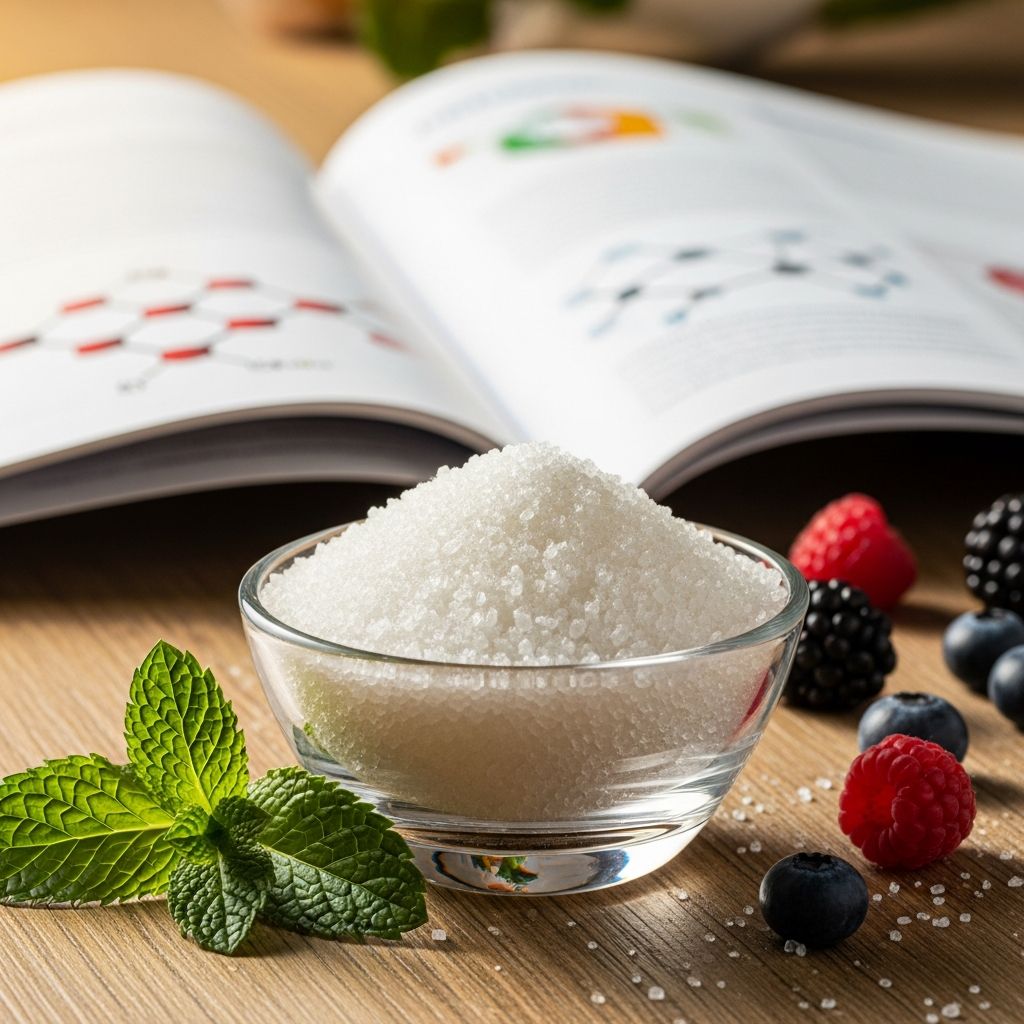
Allulose is a low-calorie rare sugar that provides the sweet taste of sugar with about 90% fewer calories and no significant impact on blood sugar levels. As a dietitian, I often get questions about emerging sweeteners like allulose, especially for those managing diabetes, weight, or following low-carb diets. This article dives into what allulose is, how it’s made, its potential health benefits, safety considerations, and practical ways to incorporate it into your diet.
What Is Allulose?
Allulose, also known as D-psicose, is a monosaccharide or simple sugar found naturally in small amounts in foods like figs, raisins, wheat, and maple syrup. Unlike common sugars such as sucrose or fructose, allulose is classified as a “rare sugar” because it occurs in very low quantities in nature. Commercially, it’s produced by enzymatically converting fructose from sources like corn into allulose, resulting in a granulated or liquid form that’s nearly identical in taste and texture to regular sugar.
Discovered in wheat in the 1940s, allulose didn’t become widely available until around 2010 when industrial production methods advanced. The FDA recognizes allulose as safe and excludes it from total and added sugars counts on nutrition labels, treating it instead as a non-digestible carbohydrate with negligible caloric contribution—about 0.2 to 0.4 calories per gram compared to 4 calories per gram in table sugar.
Allulose Nutrition Facts
Allulose stands out nutritionally because approximately 70% of it is absorbed in the small intestine but excreted in urine without being metabolized for energy, making it virtually calorie-free. Here’s a quick comparison:
| Sweetener | Calories per Gram | Glycemic Index | Sweetness Level (vs. Sugar) |
|---|---|---|---|
| Sugar (Sucrose) | 4 | 65 | 100% |
| Allulose | 0.2-0.4 | 0 | 70% |
| Stevia | 0 | 0 | 200-300% |
| Erythritol | 0.2 | 0 | 60-70% |
This profile makes allulose particularly appealing for keto, low-carb, or calorie-controlled diets.
Potential Health Benefits of Allulose
Research, primarily from animal studies and emerging human trials, suggests allulose offers several metabolic benefits. While more long-term human data is needed, the evidence is promising.
Blood Sugar Regulation
Allulose does not raise blood glucose or insulin levels, making it suitable for people with diabetes or prediabetes. Studies show it may enhance insulin sensitivity, protect pancreatic beta cells, and lower post-meal blood sugar when consumed with carbs. In one human study, allulose increased GLP-1 hormone release, which improves glucose control and satiety.
Weight Loss and Fat Reduction
By providing sweetness without calories, allulose supports weight management. Human trials indicate that 7-15 grams daily reduced body fat, BMI, abdominal fat, and body weight over 12-48 weeks. Animal studies link it to lower food intake and increased fat-burning via fatty acid oxidation.
Liver Health
Allulose may prevent fat accumulation in the liver, a key factor in non-alcoholic fatty liver disease (NAFLD), which affects 30-40% of Americans. Rodent studies showed reduced liver triglycerides, and a 48-week human trial improved fatty liver scores without diet or exercise changes.
Antioxidant and Anti-Inflammatory Effects
Preliminary research highlights allulose’s potential to reduce oxidative stress, improve mitochondrial function, and lower inflammation in tissues like the liver, brain, and fat. It activates AMPK, a protein that promotes metabolic health and longevity.
Related Stories



Exercise Performance and Dental Health
Allulose enhances muscle glycogen storage and AMPK activation, potentially boosting endurance and recovery. Unlike sugar, it’s non-fermentable by oral bacteria, reducing tooth decay risk.
Is Allulose Safe?
The FDA granted allulose GRAS (Generally Recognized as Safe) status in 2019, with no upper intake limit established due to its safety profile. Doses up to 15 grams daily for 48 weeks showed no adverse effects in humans. However, high doses (over 30 grams) may cause mild digestive issues like bloating or diarrhea in sensitive individuals, similar to other sugar alcohols.
Pregnant or breastfeeding individuals should consult a doctor, as long-term data is limited. Those with rare fructose malabsorption might experience GI discomfort.
Allulose vs. Other Sweeteners
| Aspect | Allulose | Monk Fruit | Erythritol | Sugar |
|---|---|---|---|---|
| Taste | Sugar-like, no aftertaste | Fruity aftertaste | Cooling effect | Sweet, natural |
| Calories | 0.2/g | 0 | 0.2/g | 4/g |
| Blood Sugar Impact | None | None | None | High |
| Digestive Tolerance | Good up to 15g | Excellent | May cause bloating | None (in moderation) |
| Baking Performance | Excellent (browning, moisture) | Poor alone | Good | Excellent |
Allulose excels in baking due to its humectancy (moisture retention) and ability to caramelize like sugar.
How to Use Allulose
- Baking: Substitute 1:1 for sugar in cookies, cakes, and breads. It promotes browning and tenderness.
- Beverages: Sweeten coffee, tea, or smoothies without altering flavor.
- Cooking: Use in sauces, dressings, or yogurt for calorie reduction.
- Tip: Blend with erythritol for enhanced volume in recipes.
As a dietitian, I recommend starting with small amounts (5-10g/day) and choosing brands without additives.
Allulose Recipes
Chocolate Allulose Brownies
Ingredients: 1 cup allulose, 1/2 cup cocoa, 1/2 cup butter, 2 eggs, 1/2 cup almond flour.
Instructions: Melt butter and cocoa, mix in allulose and eggs, fold in flour. Bake at 350°F for 20 min. Yields 9 servings, ~2g net carbs each.
Allulose Iced Tea
Brew tea, stir in 1-2 tsp allulose per cup. Chill and serve. Zero-calorie refreshment.
FAQs
What is allulose made from?
Allulose is enzymatically derived from fructose, often from corn, mimicking its natural occurrence in fruits.
Does allulose spike blood sugar?
No, it has a glycemic index of zero and is excreted unmetabolized.
Is allulose keto-friendly?
Yes, it doesn’t count as net carbs and supports ketosis.
Can allulose cause digestive issues?
Rarely at moderate doses; limit to 15g/day to avoid bloating.
Where to buy allulose?
Available granulated or liquid at grocery stores, online, or health food shops.
References
- Allulose: Health Benefits, Safety, and Uses — Rupa Health. 2023. https://www.rupahealth.com/post/allulose-health-benefits-safety-and-uses
- The Health Benefits of Allulose: A Rare Sugar with Promising Potential — WellCentric Health. 2024-06. https://wellcentrichealth.com/2024/06/the-health-benefits-of-allulose-a-rare-sugar-with-promising-potential/
- Allulose Formulations — Ingredion. 2024. https://www.ingredion.com/na/en-us/ingredients/ingredient-types/allulose
- Allulose: What It Is, Benefits, Risks, and More — Healthline. 2024. https://www.healthline.com/nutrition/allulose
- The Metabolic and Endocrine Effects of a 12-Week Allulose-Rich Diet — PMC (NCBI). 2024. https://pmc.ncbi.nlm.nih.gov/articles/PMC11207032/
- Everything You Need To Know About Allulose — Splenda. 2024. https://www.splenda.com/blog/everything-you-need-to-know-about-allulose/
- What Is Allulose and Side Effects — Cleveland Clinic. 2024. https://health.clevelandclinic.org/what-is-allulose
Similar Articles








Read full bio of Sneha Tete