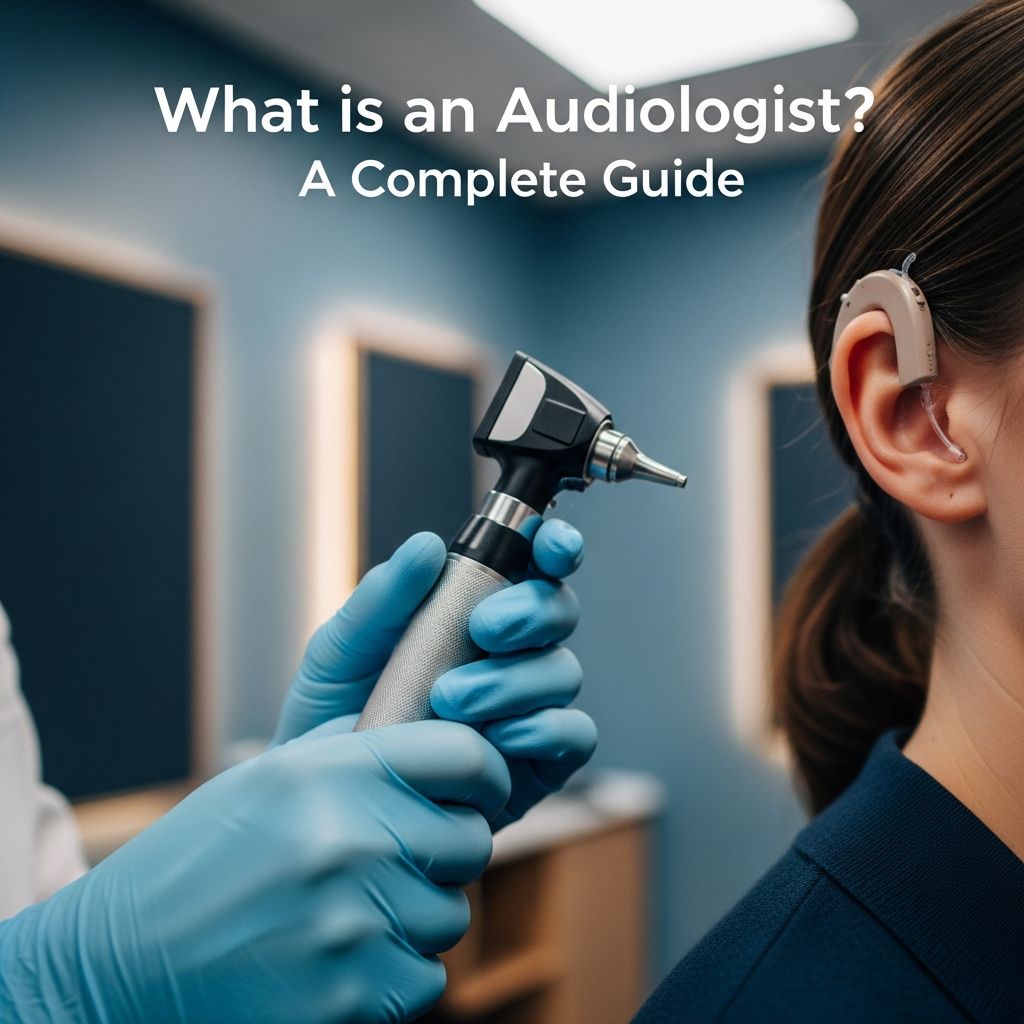
What is an Audiologist? A Complete Guide
Understanding audiologists: Education, roles, and how they treat hearing loss.
What is an Audiologist?
An audiologist is a healthcare professional who specializes in diagnosing, managing, and treating hearing loss and balance disorders. These highly trained medical experts work with patients of all ages, from newborns to elderly adults, using advanced technology and clinical expertise to improve hearing health and quality of life. Audiologists represent a crucial component of the healthcare system, providing specialized services that no other medical professional can offer with the same depth of training and expertise.
Most audiologists have earned a Doctor of Audiology degree (Au.D.) from an accredited university, which typically requires several years of graduate-level education and clinical training. Some practitioners may hold a Ph.D. or Master’s degree in audiology, though the Au.D. is now the standard entry-level credential required for licensure in all states. All states require audiologists to be licensed to practice, ensuring they meet rigorous educational and competency standards.
Education and Qualifications
Becoming an audiologist requires extensive academic preparation and clinical experience. The Doctor of Audiology (Au.D.) degree is a four-year graduate program that combines rigorous classroom instruction with hands-on clinical experience. Students study the anatomy and physiology of the auditory system, acoustics, hearing science, and the pathology of hearing disorders. Beyond foundational knowledge, Au.D. programs emphasize evidence-based practice and patient-centered care.
The curriculum includes training in diagnostic testing, hearing aid fitting and programming, cochlear implant assessment, balance assessment, and patient counseling. Graduates must pass the Audiology Licensure Examination to obtain state licensure and often pursue professional certification through organizations like the American Academy of Audiology or the American Board of Audiology. Continuing education is mandatory throughout an audiologist’s career to maintain licensure and stay current with rapidly evolving technology and clinical practices.
Core Responsibilities and Duties
Audiologists perform a wide range of clinical and diagnostic duties that form the backbone of comprehensive hearing healthcare. Their responsibilities extend far beyond simple hearing tests, encompassing sophisticated diagnostic procedures, treatment planning, and patient education.
Hearing Assessment and Diagnosis
One of the primary responsibilities of audiologists is conducting comprehensive hearing evaluations. These assessments go well beyond basic hearing tests and include specialized diagnostic procedures such as audiometry, speech discrimination testing, tympanometry, and acoustic reflex testing. Audiologists examine patients with hearing and balance disorders, determining the type, degree, and configuration of hearing loss. They use state-of-the-art equipment to measure how well patients hear at different frequencies and intensities, providing detailed information about hearing ability.
Hearing Aid Fitting and Programming
Audiologists fit and dispense hearing aids, carefully selecting devices matched to each patient’s specific hearing loss pattern and lifestyle needs. This process involves not just physical fitting but also sophisticated programming and adjustment of digital hearing instruments. Audiologists spend considerable time with patients, educating them about device use, maintenance, and realistic expectations. They perform follow-up adjustments to optimize device performance and patient satisfaction.
Implantable Device Assessment
For patients with severe-to-profound hearing loss who may not benefit from conventional hearing aids, audiologists assess candidacy for implantable hearing devices. This includes evaluating patients for cochlear implants, bone-anchored hearing aids, and auditory brainstem implants. The assessment process involves comprehensive testing, counseling about expectations, and coordination with surgical teams. Audiologists also manage the programming and adjustment of these sophisticated devices after implantation.
Related Stories



Balance and Vestibular Assessment
Many audiologists specialize in assessing and treating balance disorders that originate in the inner ear. The inner ear contains both hearing and balance mechanisms, so audiologists often evaluate dizziness, vertigo, and balance problems. They perform specialized tests such as videonystagmography (VNG) and dynamic posturography to identify vestibular system dysfunction and develop treatment strategies.
Hearing Conservation and Prevention Programs
Audiologists design and implement hearing conservation programs in schools, workplaces, and industrial settings. These programs educate people about protecting their hearing from noise-induced damage and provide monitoring for those exposed to hazardous noise levels. They also develop and conduct newborn hearing screening programs, which are critical for early identification of hearing loss in infants.
Rehabilitation and Patient Education
Beyond diagnosis and device fitting, audiologists provide comprehensive hearing rehabilitation training and patient counseling. They teach communication strategies, help patients and families adjust to hearing loss, and provide aural rehabilitation to maximize the benefit of hearing aids or implants. This educational component is essential for patient success and satisfaction.
Surgical Monitoring
Some audiologists perform intraoperative hearing monitoring during surgical procedures that risk hearing damage. They monitor auditory nerve function during surgery, alerting surgical teams to potential complications and helping preserve hearing when possible.
Work Settings and Employment
Audiologists work in diverse healthcare settings, providing them with varied career opportunities and work environments. Most audiologists work 40-50 hours per week, though some maintain part-time schedules. The profession’s flexibility allows practitioners to find positions that align with their interests and lifestyle preferences.
Primary Employment Settings
Audiologists typically work in healthcare facilities including physicians’ offices, audiology clinics, hospitals, and hearing aid dispensaries. Many are employed by large medical centers affiliated with universities, while others work in private practices or smaller independent clinics. Some audiologists work in schools and school districts, traveling between facilities to provide hearing services to students. Additionally, audiologists are employed in research facilities, government agencies, and organizations dedicated to hearing health.
Interprofessional Collaboration
Audiologists frequently collaborate with other medical specialists and healthcare professionals, including otolaryngologists (ear, nose, and throat physicians), speech-language pathologists, educators, nurses, and allied health professionals. This collaborative approach ensures comprehensive patient care and allows for coordinated treatment planning. In pediatric settings, audiologists work closely with developmental specialists, educators, and family support services.
Specializations in Audiology
The field of audiology offers numerous specialization opportunities, allowing practitioners to develop expertise in specific populations or clinical areas. Many audiologists focus on particular age groups or clinical conditions based on their interests and career goals.
Pediatric Audiology
Pediatric audiologists specialize in assessing and managing hearing loss in infants and children. This specialization requires unique skills and sensitivity, as working with young patients who cannot articulate their symptoms demands creativity and patience. Pediatric audiologists conduct newborn screening programs and provide early intervention services essential for normal speech and language development.
Geriatric Audiology
With an aging population, geriatric audiology has become increasingly important. Audiologists specializing in this area work with elderly patients to manage age-related hearing loss (presbycusis) and address the unique communication challenges older adults face. They consider cognitive changes, multiple comorbidities, and lifestyle factors when developing treatment plans.
Cochlear Implant Specialization
Some audiologists specialize exclusively in cochlear implant assessment, programming, and management. This specialization requires advanced training and often involves working closely with surgical teams and rehabilitation specialists to ensure optimal outcomes for implant recipients.
Balance and Vestibular Disorders
Audiologists with specialization in balance disorders focus on assessing and treating vestibular system dysfunction causing dizziness and vertigo. They work with specialized diagnostic equipment and develop rehabilitation protocols for patients with balance problems.
Tinnitus Management
Some audiologists specialize in managing tinnitus (ringing in the ears), developing therapeutic strategies and utilizing sound-based treatments to help patients cope with this often-distressing condition. This specialization has grown as awareness of tinnitus increases and new treatment approaches emerge.
Auditory Processing Disorders
Audiologists specializing in auditory processing assess and treat disorders affecting how the brain processes auditory information. These professionals work with individuals who have normal hearing sensitivity but difficulty processing speech and other sounds in complex listening environments.
Why Patients See an Audiologist
Audiologists serve patients experiencing various hearing and balance-related concerns. Understanding when to seek audiological care is important for addressing hearing problems early when intervention is most effective.
Hearing Loss Diagnosis and Management
Patients with suspected hearing loss visit audiologists for comprehensive evaluation and diagnosis. Whether age-related, noise-induced, genetic, or from another cause, hearing loss requires professional assessment to determine its nature and severity. Audiologists provide detailed information about the degree and configuration of hearing loss, helping patients understand their specific condition.
Tinnitus and Balance Problems
Patients experiencing tinnitus, dizziness, vertigo, or balance problems often seek audiological care, as these symptoms frequently originate in the inner ear. Audiologists can identify whether balance problems stem from vestibular dysfunction and recommend appropriate management strategies.
Hearing Aid Consultation and Fitting
Many patients visit audiologists after deciding to pursue hearing aids or after being referred by their primary care physician. Audiologists provide personalized recommendations based on the patient’s hearing profile, lifestyle, and budget. The fitting process includes extensive counseling about realistic expectations, device operation, and maintenance.
Post-Implant Follow-up
Patients who have received cochlear implants or other implantable hearing devices require ongoing audiological management for programming adjustments, troubleshooting, and rehabilitation support. This long-term follow-up is essential for optimizing device performance and patient outcomes.
The Importance of Professional Audiological Care
For patients experiencing hearing loss, an audiologist represents the most qualified professional to manage their condition comprehensively. No other healthcare professional possesses the specialized education, clinical skills, and training that audiologists bring to hearing healthcare. While otolaryngologists address medical and surgical aspects of ear disease, audiologists provide the specialized diagnostic and rehabilitative services essential for managing hearing loss effectively.
The level of follow-up care that audiologists provide is crucial for long-term success with hearing instruments and treatments. Ongoing adjustments, counseling, and support ensure that patients achieve maximum benefit from their treatment plan. This patient-centered approach, combined with deep expertise in hearing science and rehabilitation, distinguishes audiological care from care provided by other professionals.
Career Outlook and Employment Trends
The demand for audiologists continues to grow as hearing loss affects increasingly more individuals across all age groups. According to the U.S. Bureau of Labor Statistics, employment of audiologists is projected to grow 9 percent from 2024 to 2034, much faster than the average for all occupations. This growth reflects an aging population with increased hearing loss prevalence, greater awareness of hearing health, and the expansion of audiological services into new settings.
The median annual wage for audiologists was $92,120 in May 2024, with many experienced practitioners earning considerably more. Approximately 700 audiologist positions open annually, with many resulting from retirement of experienced practitioners and the need to replace workers entering different fields. This favorable job market provides excellent opportunities for individuals pursuing careers in audiology.
Frequently Asked Questions
Q: What is the difference between an audiologist and a hearing aid dispenser?
A: Audiologists are licensed healthcare professionals with advanced degrees (Au.D., Ph.D., or Master’s) who diagnose hearing disorders and manage comprehensive treatment plans. While hearing aid dispensers can fit and sell hearing aids in some states, audiologists possess broader diagnostic and rehabilitative capabilities and provide more comprehensive patient care.
Q: How long does audiologist training take?
A: The Doctor of Audiology (Au.D.) degree typically requires four years of graduate-level education beyond an undergraduate degree. Many students complete prerequisite coursework before entering Au.D. programs, extending the total educational timeline to 6-8 years from high school graduation.
Q: Do audiologists perform surgery?
A: No, audiologists do not perform surgery. However, they assess candidacy for surgical interventions like cochlear implants and collaborate closely with otolaryngologists and neurosurgeons during surgical planning and post-operative management.
Q: Can children see audiologists?
A: Yes, audiologists work with patients of all ages, including newborns and children. Pediatric audiologists specialize in assessing and managing hearing loss in young patients and play a critical role in early intervention programs.
Q: How often should someone with hearing loss see an audiologist?
A: Follow-up schedules depend on individual circumstances. Patients with hearing aids typically have appointments every 6-12 months for adjustments and maintenance. Those with untreated hearing loss should have evaluations annually or as recommended by their audiologist.
References
- What Audiologists Do — Henry Ford Health. Retrieved December 2025. https://www.henryford.com/services/hearing/expect/audiologist
- So, You Want to be An Audiologist — Texas Hearing Institute. October 18, 2024. https://www.texashearing.org/2024/10/18/so-you-want-to-be-an-audiologist/
- Audiologist Role — University of Texas Health Professions Education & Interprofessional. Retrieved December 2025. https://healthipe.utexas.edu/audiologist-role
- Audiologists: Occupational Outlook Handbook — U.S. Bureau of Labor Statistics. May 2024. https://www.bls.gov/ooh/healthcare/audiologists.htm
- Audiologist Roles and Responsibilities — American Speech-Language-Hearing Association (ASHA). Retrieved December 2025. https://www.asha.org/students/audiologist-roles-and-responsibilities/
Similar Articles








Read full bio of medha deb