What Is Arthritis? Key Facts On Symptoms, Types & Treatment
Discover the facts about arthritis: America's leading cause of disability affecting millions with over 100 types damaging joints and organs.

Arthritis is not a single disease but an umbrella term encompassing more than 100 medical conditions that damage joints, tissues, and often other organs. It stands as America’s leading cause of disability, impacting nearly 60 million adults and hundreds of thousands of children. These conditions cause chronic joint pain, stiffness, and swelling, significantly limiting daily activities and quality of life.
How Common Is Arthritis?
Arthritis affects 1 in 4 adult Americans, with prevalence rising sharply with age. By 2040, an estimated 78.4 million adults—roughly 25.9% of the U.S. population—will have doctor-diagnosed arthritis. More than half of those affected are working-age adults (18-64 years old), challenging the misconception that it only strikes the elderly. Children are not spared; juvenile arthritis impacts hundreds of thousands, disrupting education and play.
- Key Statistics: Nearly 60 million U.S. adults diagnosed.
- 1 in 4 adults live with some form of arthritis.
- Over 50% of cases occur in working-age individuals.
- Projections show continued increase due to aging population and obesity epidemic.
The economic burden is immense, with annual costs exceeding $303 billion in medical care and lost wages. Women are disproportionately affected, comprising about 60% of cases, though men dominate in gout.
Warning Signs of Arthritis
Early recognition of arthritis symptoms can lead to timely intervention, potentially slowing progression. Common warning signs include:
- Persistent joint pain, tenderness when touching.
- Swelling in one or more joints.
- Stiffness, especially in the morning or after inactivity lasting over 30 minutes.
- Redness and warmth in the joint area.
- Reduced range of motion.
- Fatigue, fever, or unexplained weight loss in inflammatory types.
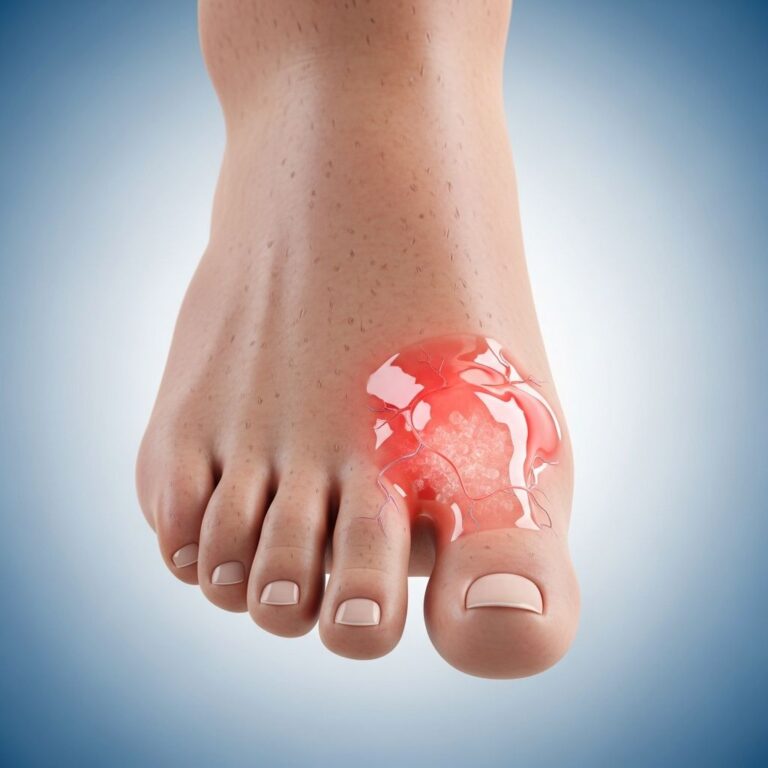
Symptoms may develop gradually or suddenly. In osteoarthritis, pain worsens with activity; in rheumatoid arthritis, morning stiffness exceeds an hour. Gout presents as intense, sudden attacks, often nocturnal in the big toe.
| Symptom | Osteoarthritis | Rheumatoid Arthritis | Gout |
|---|---|---|---|
| Pain Pattern | Worsens with use, improves with rest | Symmetric, morning stiffness >1 hour | Sudden, severe attacks at night |
| Common Sites | Knees, hips, hands, spine | Small joints (hands, wrists), symmetric | Big toe, ankles, knees |
| Swelling | Mild, bony enlargements | Soft tissue, warm | Intense, red, hot |
Types of Arthritis
Over 100 types exist, but a few account for most cases. Understanding the type guides treatment.
Osteoarthritis (OA)
The most prevalent form, affecting over 32.5 million U.S. adults. OA is a degenerative disease involving cartilage breakdown, bone remodeling, and synovial inflammation. Once called ‘wear and tear,’ it’s now recognized as a whole-joint disorder influenced by genetics, injury, obesity, and misalignment. Knees, hips, hands, and spine are commonly hit, causing pain, stiffness, and grating sensations.
Rheumatoid Arthritis (RA)
An autoimmune disease where the immune system attacks joint linings (synovium), causing painful inflammation, swelling, and potential erosion. It affects about 1.5 million adults, often symmetrically in small joints. Extra-articular manifestations include fatigue, rheumatoid nodules, and organ involvement. Early aggressive treatment prevents irreversible damage.
Related Stories



Gout
The most common inflammatory arthritis, triggered by uric acid crystal buildup in joints. Sudden, excruciating flares—often in the big toe—strike at night. Risk factors: diet high in purines, alcohol, obesity, diuretics. Affects 9.2 million Americans, more men than women.
Other Notable Types
- Juvenile Idiopathic Arthritis (JIA): Affects children under 16; subtypes vary from mild to systemic.
- Psoriatic Arthritis: Linked to psoriasis, causes joint pain and skin/nail changes.
- Ankylosing Spondylitis: Spine-focused inflammatory arthritis leading to fusion.
- Lupus (SLE): Systemic autoimmune disease with joint involvement.
Less common: Fibromyalgia (widespread pain), Sjögren’s syndrome (dry eyes/mouth).
Causes of Inflammation
Arthritis inflammation stems from immune responses, crystals, infections, or degeneration. In autoimmune types like RA, cytokines and autoantibodies attack synovium. OA involves low-grade inflammation from cartilage debris. Gout: monosodium urate crystals provoke neutrophil influx. Metabolic factors like obesity amplify via adipokines.
Who Is Affected by Arthritis?
No one is immune. Risk escalates with age (OA peaks 65+), female sex (except gout), obesity (doubles knee OA risk), joint injury/overuse, genetics, and smoking. Children with JIA face genetic predispositions; athletes risk post-traumatic OA.
- Women: Higher OA/RA rates, possibly hormonal.
- Obesity: Excess weight stresses weight-bearing joints, promotes inflammation.
- Family History: Genetic variants increase susceptibility.
Diagnosing Arthritis
Diagnosis combines history, exam, imaging, and labs. Doctors assess symptom duration, pattern, and joint involvement. X-rays reveal OA changes (osteophytes, narrowing); MRI detects early inflammation. Blood tests: RA factor, anti-CCP for RA; uric acid for gout. Synovial fluid analysis confirms crystals/infection. Rheumatology referral aids complex cases.
Treating Arthritis
No cure exists, but treatments control symptoms, prevent damage, and improve function. Tailored by type/severity.
- Medications: NSAIDs (ibuprofen), DMARDs (methotrexate for RA), biologics (TNF inhibitors), colchicine/urate-lowering for gout, corticosteroids.
- Therapies: PT/OT for strength/mobility; splints/braces.
- Surgery: Joint replacement (hips/knees), arthroscopy.
Guidelines from American College of Rheumatology emphasize treat-to-target for RA.
Self-Management: Ways to Reduce Pain & Be More Active
Empowerment through lifestyle: Exercise (low-impact like swimming), weight loss (7% reduces knee pain 50%), heat/cold therapy, assistive devices. Arthritis Foundation programs: Walk With Ease, tai chi classes. Diet: Anti-inflammatory (Mediterranean), limit sugars/alcohol for gout. Mind-body: Yoga, CBT for pain coping.
References
- Arthritis Foundation Home — Arthritis Foundation. 2025. https://www.arthritis.org
- About Us — Arthritis Foundation. 2025. https://www.arthritis.org/about-us
- Osteoarthritis — Arthritis Foundation. 2025. https://www.arthritis.org/diseases/osteoarthritis
- About Arthritis — Arthritis Foundation. 2025. https://www.arthritis.org/about-arthritis
- Rheumatoid Arthritis Research — Arthritis Foundation. 2024-12-01. https://www.arthritis.org/science/focus/rheumatoid-arthritis
- Gout — Arthritis Foundation. 2025. https://www.arthritis.org/diseases/gout
Frequently Asked Questions (FAQs)
Q: Is arthritis curable?
A: No, but effective management relieves symptoms and prevents progression.
Q: Does arthritis only affect older people?
A: No, it impacts all ages, including children with juvenile arthritis.
Q: Can exercise help arthritis?
A: Yes, low-impact activities strengthen joints and reduce pain.
Q: What is the difference between osteoarthritis and rheumatoid arthritis?
A: OA is degenerative; RA is autoimmune and inflammatory.
Q: How is gout treated?
A: Acute attacks with NSAIDs/colchicine; long-term urate-lowering therapy.
Similar Articles








Read full bio of medha deb