Atopic Dermatitis: Expert Guide To Symptoms, Causes & Treatment
Understanding atopic dermatitis: symptoms, causes, triggers, treatments, and living with this common form of eczema.
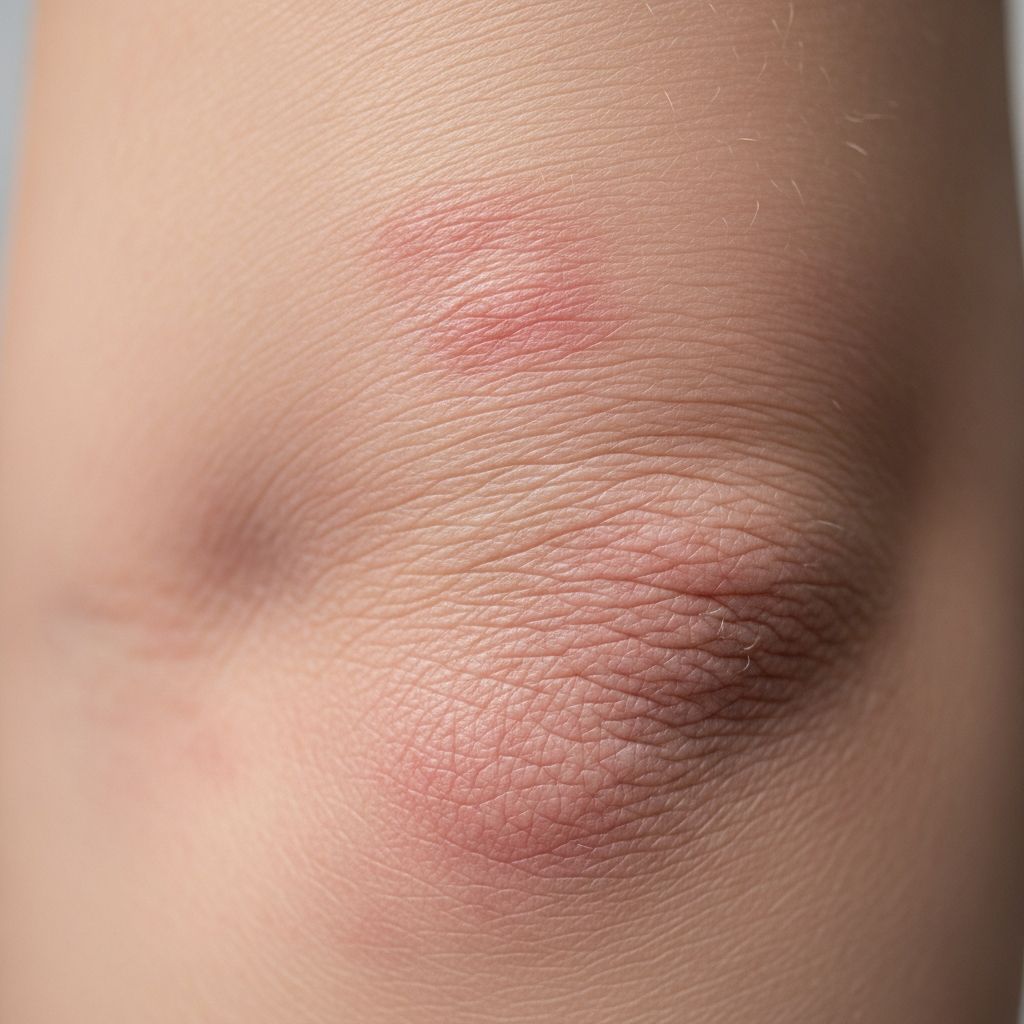
Atopic dermatitis, commonly known as eczema, is a chronic inflammatory skin condition characterized by dry, itchy, and inflamed skin. It affects people of all ages but is most prevalent in children, with many cases beginning in infancy. The condition involves a defective skin barrier, overactive immune responses, and environmental triggers that lead to recurrent flares.
Symptoms of Atopic Dermatitis
Symptoms of atopic dermatitis vary by age and severity but typically include intense itching, red to brownish-gray patches, small raised bumps that may leak fluid, thick leathery skin, and patches that crack and ooze. In infants, rashes often appear on the cheeks and scalp; in children, they commonly affect the elbows and knees; in adults, they favor hands, neck, and eyelids.
- Itchy skin: Persistent pruritus that worsens at night, disrupting sleep.
- Dry, scaly skin: Due to impaired barrier function, leading to moisture loss.
- Red or inflamed patches: Especially in lighter skin tones; may appear brown, purple, or gray in darker skin.
- Oozing or crusting: From scratched lesions.
- Thickened skin: From chronic scratching (lichenification).
Complications include skin infections from scratching-induced breaks, post-inflammatory hyperpigmentation or hypopigmentation (more common in people with brown or Black skin), sleep disturbances, and associated conditions like asthma, hay fever, and food allergies as part of the atopic triad.
Causes of Atopic Dermatitis
The exact cause of atopic dermatitis remains unknown, but it arises from a combination of genetic, immune, and environmental factors. A key genetic factor is mutations in the filaggrin gene, which impairs the skin’s barrier function, making it unable to retain moisture or protect against irritants, allergens, and bacteria.
People with atopic dermatitis often have an overactive immune system that triggers inflammation upon exposure to irritants. Additionally, overgrowth of Staphylococcus aureus bacteria disrupts the skin microbiome and weakens the barrier further. Environmental factors like tobacco smoke exacerbate vulnerability.
- Genetic predisposition: Family history of eczema, asthma, or allergies increases risk.
- Immune dysregulation: Overproduction of IgE antibodies and Th2 cytokines.
- Skin barrier defects: Reduced ceramides and filaggrin lead to transepidermal water loss.
Triggers for Atopic Dermatitis Flares
Triggers vary individually but commonly include irritants that provoke flares days after exposure. Identifying personal triggers through a diary helps in prevention.
- Environmental: Dry air, low humidity, changing temperatures, sweat, pollen, dust mites, pet dander, mold.
- Irritants: Harsh soaps, fragrances, wool clothing, cleaning products, tobacco smoke.
- Lifestyle: Stress, excessive bathing, scratching cycles.
- Infections: Bacterial, viral, or fungal.
Avoiding triggers involves gentle skin care, humidifiers, breathable fabrics, and stress management.
Diagnosis of Atopic Dermatitis
Diagnosis is primarily clinical, based on history and physical exam using criteria like the UK Working Party diagnostic criteria: itchy skin, typical morphology and distribution, chronic/recurrent course, and personal/family atopy. Providers may perform patch testing for allergens, skin biopsy for atypical cases, or blood tests for IgE levels. No single lab test confirms atopic dermatitis.
Related Stories



| Diagnostic Feature | Description |
|---|---|
| Itch | Must be present |
| Typical rash | Flexural or extensor in adults/children |
| Chronic course | Relapsing-remitting |
| Atopy history | Personal or family |
Treatment Options for Atopic Dermatitis
Treatment aims to reduce inflammation, restore the skin barrier, relieve itch, and prevent flares. A stepwise approach starts with lifestyle measures and escalates as needed. No cure exists, but symptoms improve with age in many.
First-Line Treatments
- Moisturizers (Emollients): Fragrance-free, applied liberally twice daily and after bathing to lock in moisture. Reduce flares and steroid needs.
- Topical Corticosteroids: First-line for flares; low-potency for face/mild cases, medium/high for body. Apply thinly once/twice daily for 1-2 weeks to avoid side effects like thinning.
- Topical Calcineurin Inhibitors: Tacrolimus (moderate-severe) or pimecrolimus (mild-moderate) for steroid-sparing, especially face/eyelids. Proactive twice-weekly use prevents flares.
Advanced Treatments
- Biologics: Dupilumab (injection) targets IL-4/IL-13 for moderate-severe cases unresponsive to topicals.
- Systemic Immunosuppressants: Cyclosporine, methotrexate, azathioprine, mycophenolate for severe disease; short-term due to side effects.
- Phototherapy: Narrowband UVB effective for moderate-severe; risks include skin aging/cancer with long-term use.
- Antibiotics/Antivirals: For secondary infections.
Lifestyle and Self-Care
- Bathe with lukewarm water using gentle cleansers; pat dry, moisturize within 3 minutes (soak-and-smear).
- Wet wrap therapy for severe flares.
- Oral antihistamines for itch, especially at night.
- Bleach baths to reduce Staph aureus.
Alternative and Complementary Therapies
Evidence supports some options alongside standard care.
- Manuka honey: Antimicrobial, anti-inflammatory when applied topically (avoid in infants).
- Acupuncture/Acupressure: Reduces itch in studies.
- Counseling/Stress reduction: Habit reversal therapy for scratching.
Consult providers before starting; pros/cons vary.
Living with Atopic Dermatitis
Manage daily with consistent skin care routines, trigger avoidance, and prompt flare treatment. Support groups aid coping. Symptoms often improve post-puberty, but chronic cases require lifelong management. Monitor for infections and psychosocial impacts.
Frequently Asked Questions (FAQs)
Is atopic dermatitis contagious?
No, atopic dermatitis is not contagious; it’s a genetic and immune-mediated condition.
Can atopic dermatitis be cured?
There is no cure, but treatments control symptoms effectively, and many outgrow it.
What is the best moisturizer for eczema?
Fragrance-free ointments like petroleum jelly; apply frequently.
Does diet affect atopic dermatitis?
Some benefit from eliminating triggers like dairy/eggs; consult allergist.
When should I see a doctor for eczema?
If OTC treatments fail, signs of infection, or severe impact on life.
References
- Atopic Dermatitis: Causes, Symptoms, Diagnosis — National Eczema Association. 2023. https://nationaleczema.org/types-of-eczema/atopic-dermatitis/
- Atopic dermatitis (eczema) – Diagnosis and treatment — Mayo Clinic. 2024-01-25. https://www.mayoclinic.org/diseases-conditions/atopic-dermatitis-eczema/diagnosis-treatment/drc-20353279
- Atopic dermatitis (eczema) – Symptoms and causes — Mayo Clinic. 2024-06-13. https://www.mayoclinic.org/diseases-conditions/atopic-dermatitis-eczema/symptoms-causes/syc-20353273
- Atopic Dermatitis: Diagnosis and Treatment — American Academy of Family Physicians. 2020-05-15. https://www.aafp.org/pubs/afp/issues/2020/0515/p590.html
- Atopic eczema — NHS. 2023. https://www.nhs.uk/conditions/atopic-eczema/
Similar Articles








Read full bio of medha deb