Bigeminy: Causes, Symptoms, Diagnosis, And Treatment
Understanding bigeminy: symptoms, causes, diagnosis, and effective treatment options.
What Is Bigeminy in a Heartbeat
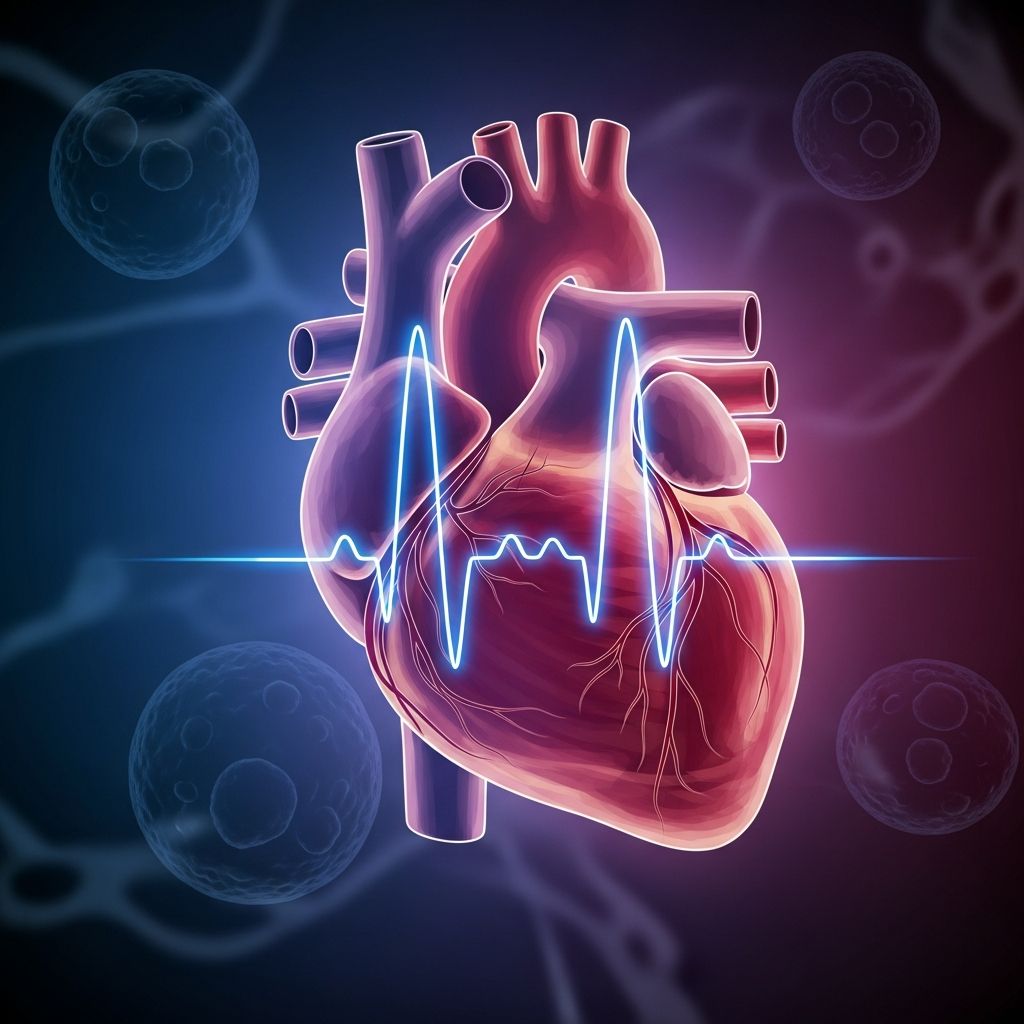
A healthy heart maintains a steady, predictable rhythm with synchronized beats between the upper and lower chambers. Each heartbeat is followed by a pause, creating a regular pattern that repeats throughout the day. However, when you have bigeminy, this normal rhythm is interrupted by premature beats that arrive too quickly after normal heartbeats. The result is an irregular pattern of long and short beats that can feel quite different from your typical heartbeat experience.
The term “bigeminy” comes from Latin, combining “bi” (meaning two) and “gemini” (meaning twins), reflecting the characteristic pattern of paired beats that defines this condition. Each set consists of one normal heartbeat followed by one early or irregular beat, creating a distinctive rhythm that healthcare providers can identify through various diagnostic methods. Understanding bigeminy is important because while it’s often harmless, especially in people without underlying heart disease, it can sometimes indicate more serious cardiac conditions that warrant medical attention.
Understanding the Heartbeat Pattern in Bigeminy
In bigeminy, the premature beats are known as premature ventricular contractions (PVCs) if they originate in the heart’s lower chambers (ventricles), or premature atrial contractions (PACs) if they emerge from the upper chambers (atria). These terms describe where the electrical impulse that triggers the irregular beat originates within the heart’s complex electrical system.
When a premature contraction occurs before your ventricles have completely filled with blood, you may feel a “skipped beat” sensation. This happens because little or no blood is being pumped out during that contraction. If your ventricles have had adequate time to fill with blood before the premature beat occurs, the sensation will be more noticeable, and you may perceive your heart as beating faster than normal. This variation in sensation depends on the heart’s filling status at the moment the irregular beat occurs.
Recognizing Bigeminy Symptoms
Many people with bigeminy experience no symptoms at all and remain completely unaware of the condition until it’s discovered during a routine heart examination. However, when symptoms do occur, they typically manifest as noticeable changes to your regular heart rate pattern. These sensations can range from mild and barely noticeable to more pronounced and concerning.
Common symptoms of bigeminy include:
– Palpitations or awareness of irregular heartbeats- Sensation of skipped or missed beats- Chest fluttering or “flip-flop” feeling- Heart racing or beating too fast- Lightheadedness or dizziness- Shortness of breath- Fatigue or general weakness- Mild chest discomfort
The intensity of these symptoms varies considerably from person to person. Some individuals describe a subtle sensation they barely notice, while others report a pronounced awareness of their heart’s every beat. If you experience any of these symptoms, especially if they’re new or persistent, consulting with a healthcare provider is recommended to determine the underlying cause.
Identifying Bigeminy Causes
The underlying causes of bigeminy aren’t always immediately apparent, and in many cases, the condition develops without an obvious trigger. However, researchers have identified several factors that can contribute to premature ventricular contractions and the resulting bigeminy pattern. Heart disease and high blood pressure are among the most common culprits, as these conditions can disrupt the heart’s electrical system that controls the timing and force of heartbeats.
Various lifestyle factors and substances can trigger bigeminy episodes:
– Alcohol consumption- Caffeine intake- Tobacco and nicotine use- Certain medications, including asthma drugs- Chemical imbalances in the body- Anxiety and emotional stress- Vigorous exercise or exertion
Related Stories



Additionally, stress and anxiety play significant roles in triggering or worsening bigeminy symptoms. The connection between emotional state and cardiac rhythm is well-established, with adrenaline surges from stressful situations often precipitating premature contractions. Identifying and minimizing personal triggers through careful observation can help many people manage their symptoms effectively without medication.
Diagnostic Procedures for Bigeminy
The primary diagnostic tool for identifying bigeminy is the electrocardiogram, commonly referred to as an EKG or ECG. During this painless procedure, your doctor places electronic sensors on your chest that record the electrical activity of your heart. The resulting printout reveals the pattern of your heartbeats and can often pinpoint the source of the abnormal rhythm, allowing your physician to determine whether the irregular beats originate in the upper or lower chambers.
Your healthcare provider may also recommend additional diagnostic procedures to assess the severity and implications of your bigeminy. An exercise stress test involves walking on a treadmill or riding a stationary bike while connected to an EKG machine. This test helps determine whether your premature contractions are benign or potentially serious. If the irregular beats disappear during exercise, they typically pose no significant threat. However, if physical activity triggers additional premature beats, this could indicate a more serious underlying heart rhythm disturbance warranting closer monitoring and more aggressive treatment.
In some cases, your doctor may recommend additional testing such as Holter monitor recordings, which track your heart rhythm over 24 to 48 hours, providing a more complete picture of how frequently bigeminy occurs throughout your normal daily activities. This comprehensive diagnostic approach ensures that any underlying heart conditions are identified and appropriately managed.
Treatment Options for Bigeminy
Treatment for bigeminy depends largely on the underlying cause, the frequency of premature contractions, and whether you have existing heart disease. For many people, particularly those in good health with infrequent premature beats, no treatment may be necessary at all. Simply monitoring the condition and tracking symptoms is often sufficient. Your doctor may recommend lifestyle modifications as a first-line approach, including reducing caffeine and nicotine consumption, managing stress, and limiting alcohol.
For individuals with underlying heart conditions or frequent, bothersome symptoms, medication may be prescribed. Common medications used to control bigeminy include beta-blockers, calcium channel blockers, and other antiarrhythmic drugs that help regulate the heart’s electrical activity and reduce the frequency of premature contractions.
In more serious cases where bigeminy significantly impacts quality of life or where the specific tissue causing the rhythm problem can be identified, a procedure called catheter ablation may be recommended. During this minimally invasive procedure, a thin, flexible tube called a catheter is carefully guided through a blood vessel in your leg up to your heart. Once positioned, it delivers a small electrical charge to the specific tissue responsible for generating the irregular beats, essentially destroying those cells and often eliminating the abnormal contractions. However, catheter ablation isn’t always successful on the first attempt, and some patients may require multiple procedures or surgical intervention to achieve complete resolution of their symptoms.
Potential Complications and Long-Term Outlook
While many cases of bigeminy are benign and cause no serious complications, it’s important to understand the potential risks. Frequent premature ventricular contractions can theoretically increase your risk of developing more serious arrhythmias, such as atrial fibrillation, where the upper chambers of your heart lose their coordinated beating pattern. This disorganized rhythm can allow blood to pool in the atria, potentially leading to clot formation. If a clot dislodges and travels to the brain, it can cause a potentially life-threatening stroke.
Additionally, the extra workload created by frequent premature contractions may over time lead to enlargement of the heart and, in severe cases, contribute to heart failure development. This is why ongoing monitoring and appropriate management, especially for individuals with existing heart disease, remain important. Your healthcare provider will help you understand your specific risk profile based on factors such as the frequency of your premature beats, your overall heart health, and any other cardiac conditions you may have.
Lifestyle Modifications and Prevention Strategies
Managing bigeminy effectively often involves identifying and avoiding personal triggers. Since bigeminy can be triggered by surges of adrenaline, reducing caffeine and nicotine consumption may help keep your heart beating steadily. Both substances are known to stimulate adrenaline production and increase heart rate, potentially precipitating premature contractions in susceptible individuals.
Stress and anxiety management is equally important in preventing bigeminy episodes. Incorporating relaxation techniques into your daily routine can have wide-ranging health benefits beyond cardiac rhythm control. Effective stress management approaches include:
– Regular meditation practices- Deep breathing exercises- Yoga or tai chi- Progressive muscle relaxation- Regular physical activity- Adequate sleep- Counseling or therapy when needed
Keeping a detailed diary of your symptoms and potential triggers can provide valuable insights into what factors contribute to your bigeminy episodes. This information can help you and your healthcare provider identify specific patterns and develop targeted strategies to minimize occurrences. Some people find that certain activities, foods, or situations consistently trigger their symptoms, allowing them to make informed decisions about lifestyle modifications.
When to Seek Medical Attention
While not all cases of bigeminy require emergency intervention, certain symptoms warrant immediate medical evaluation. You should contact your healthcare provider if you experience new or worsening palpitations, persistent chest discomfort, severe shortness of breath, fainting episodes, or if your symptoms significantly interfere with your daily activities. Any person who experiences a sensation of skipped heartbeats or palpitations should contact a doctor to determine the underlying cause and ensure appropriate management.
Additionally, if you have known heart disease and develop symptoms of bigeminy, prompt medical evaluation is particularly important. Your existing cardiac condition may place you at higher risk for serious complications from premature contractions, necessitating closer monitoring and more aggressive treatment approaches.
Frequently Asked Questions About Bigeminy
Q: Is bigeminy always dangerous?
A: No, bigeminy is not always dangerous. In healthy individuals without underlying heart disease, occasional or infrequent premature contractions typically pose no significant health risk. However, frequent bigeminy or bigeminy occurring in people with existing heart conditions may warrant medical evaluation and treatment.
Q: Can bigeminy go away on its own?
A: Yes, bigeminy can be temporary and may resolve spontaneously, especially if triggered by temporary factors like caffeine consumption or stress. Identifying and eliminating triggers often leads to resolution of symptoms without requiring medication or invasive procedures.
Q: How is bigeminy different from other arrhythmias?
A: Bigeminy follows a specific pattern where each normal beat is followed by one premature beat, creating a distinctive rhythm. Other arrhythmias may have different patterns, frequencies, or origins. An electrocardiogram can distinguish bigeminy from other heart rhythm disorders.
Q: Can exercise help or worsen bigeminy?
A: This varies by individual and underlying cause. For some people, premature contractions disappear with exercise, indicating a benign condition. For others, physical activity may trigger additional beats, which could suggest a more serious rhythm disturbance. Your healthcare provider can perform stress testing to determine how your heart responds to exercise.
Q: What lifestyle changes can help manage bigeminy?
A: Reducing caffeine and nicotine, managing stress through meditation and relaxation techniques, limiting alcohol consumption, getting adequate sleep, and maintaining regular moderate exercise can all help manage bigeminy symptoms and reduce the frequency of premature contractions.
Conclusion
Bigeminy is a cardiac arrhythmia characterized by premature beats following each normal heartbeat, creating a distinctive pattern that can range from completely asymptomatic to causing noticeable symptoms like palpitations and chest fluttering. While many cases of bigeminy are benign and require only monitoring and lifestyle modifications, others may require medical intervention including medication or catheter ablation procedures. Understanding your symptoms, identifying personal triggers, and maintaining open communication with your healthcare provider are essential for effectively managing this condition and maintaining optimal heart health. Whether your bigeminy requires treatment or simply careful observation, taking an active role in your cardiac care and implementing recommended lifestyle modifications can significantly impact your overall well-being and quality of life.
References
- Bigeminy: What You Should Know — Healthline. 2017-05-04. https://www.healthline.com/health/bigeminy
- Bigeminy: Causes, Treatment, and Lifestyle Changes That Help — WebMD. https://www.webmd.com/heart-disease/atrial-fibrillation/bigeminy-arrhythmia
- Understanding Bigeminy: Causes, Symptoms, and Treatment Options — GetLabTest. https://www.getlabtest.com/news/post/understanding-bigeminy-causes-symptoms
- Bigeminy: Causes, symptoms, and treatments — Medical News Today. https://www.medicalnewstoday.com/articles/bigeminy
- Premature Ventricular Contractions (PVCs) – Symptoms & Causes — Mayo Clinic. https://www.mayoclinic.org/diseases-conditions/premature-ventricular-contractions/symptoms-causes/syc-20376757
Similar Articles








Read full bio of medha deb