Biopsy: Types, Risks, Results, And What To Expect
Learn what biopsies are, why doctors perform them, and what to expect from the procedure and results.
What Is a Biopsy?
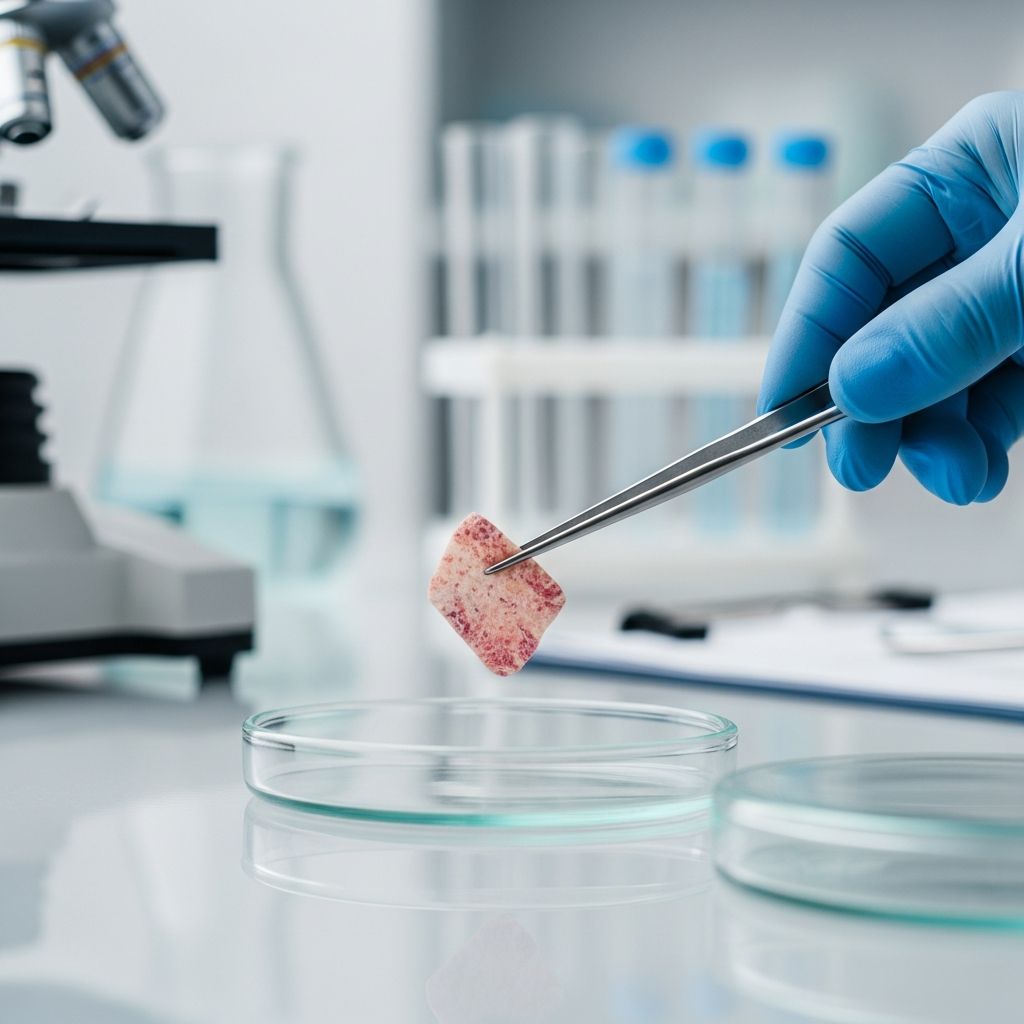
A biopsy is a medical procedure in which a healthcare provider removes a small sample of your tissue, cells, or fluid for examination by a medical pathologist. This diagnostic tool helps providers identify what’s happening inside your body and detect signs of disease. Biopsies are essential in modern medicine because they provide definitive answers about abnormal growths, infections, inflammatory conditions, and other health concerns that imaging tests alone cannot fully characterize.
While many people associate biopsies with cancer detection, healthcare providers actually perform biopsies to diagnose and monitor a wide range of medical conditions. Whether you have symptoms of disease, imaging shows an area of concern, or your provider wants to confirm a suspected diagnosis, a biopsy can provide the precise information needed to guide treatment decisions.
Why Do Doctors Recommend Biopsies?
Healthcare providers recommend biopsies when they need to examine tissue or cells closely to understand what’s causing your symptoms or what’s happening in a specific area of your body. The procedure helps confirm diagnoses, determine disease severity, and plan appropriate treatment strategies.
Common reasons healthcare providers recommend biopsies include:
– Detecting cancer and determining if cells are cancerous
– Diagnosing infections caused by bacteria, viruses, or fungi
– Identifying inflammatory conditions and autoimmune diseases
– Investigating unexplained symptoms or abnormalities found on imaging
– Monitoring chronic conditions to assess disease progression
– Evaluating organ function after transplantation
– Staging cancer to determine treatment options
– Distinguishing between benign and malignant tumors
Types of Biopsies
Healthcare providers use different biopsy techniques depending on which area of your body needs examination and the specific condition being investigated. Each type has distinct advantages and is performed in different settings.
Needle Biopsy
A needle biopsy uses a specialized hollow needle to extract tissue samples from the area being examined. This minimally invasive approach works well for many organs and can often be performed as an outpatient procedure. The needle is guided to the precise location using imaging technology like ultrasound or CT scanning. Common needle biopsies include kidney biopsies, liver biopsies, and bone marrow biopsies. Needle biopsies typically cause minimal discomfort and have lower complication rates compared to surgical approaches.
Skin Biopsy
Skin biopsies involve removing a small sample of skin tissue using specialized instruments like a punch tool, razor blade, or scalpel. Your provider cleans the area with an antiseptic and injects local anesthesia to numb the site before removal. This quick in-office procedure helps diagnose skin cancer, infections, and inflammatory skin conditions like eczema. The procedure takes only minutes, and most patients experience minimal discomfort or scarring.
Excisional Biopsy
An excisional biopsy involves surgical removal of the entire lesion or suspicious area. Your surgeon removes the abnormal tissue completely, which serves both diagnostic and therapeutic purposes. This approach works well for accessible lesions and allows pathologists to examine the complete tissue structure. Excisional biopsies typically require stitches and result in a small scar.
Related Stories



Incisional Biopsy
An incisional biopsy involves removing only a portion of a larger lesion or abnormal area. This surgical approach is useful when the suspicious area is too large to remove completely in one procedure or when sampling a representative section is sufficient for diagnosis. Like excisional biopsies, incisional biopsies are performed in operating rooms and typically require stitches.
Bone Marrow Biopsy
A bone marrow biopsy involves extracting a sample of bone marrow, usually from the hip bone. This procedure helps diagnose blood disorders, infections, and certain cancers. The provider uses a special needle to penetrate the bone and remove marrow tissue. Although uncomfortable, the procedure is relatively quick and performed under local anesthesia.
Common Types of Biopsies by Organ
Different organs and tissues require specific biopsy techniques tailored to their location and accessibility:
Kidney Biopsy
A kidney biopsy involves using a needle or surgery to remove a small tissue sample from your kidney to check its health and diagnose kidney diseases. In most cases, healthcare providers use a biopsy needle to remove tissue. Your provider typically instructs you to lie on your stomach on a surgical table so they can perform the procedure through your back. If you have a transplanted kidney, you’ll lie on your back because they perform the procedure through your belly. The provider numbs the area and gives you moderate sedation or general anesthesia so you won’t feel pain. Kidney biopsies help diagnose conditions like glomerular diseases, determine how well a transplanted kidney is working, and monitor chronic kidney disease progression.
Liver Biopsy
A liver biopsy is a simple bedside procedure where a healthcare provider uses a hollow needle to draw a tiny tissue sample from your liver. The most common type is a percutaneous liver biopsy, where a healthcare provider inserts the biopsy needle directly through the skin of your abdomen and into your liver. This is the least invasive method and often a first choice. A pathologist studies the tissue sample under a microscope and writes a report explaining their findings. Results typically take a few days to a week. Liver biopsies help diagnose cirrhosis, hepatitis, fatty liver disease, and other liver conditions.
Breast Biopsy
A breast biopsy involves using a needle or surgery to remove a sample of your breast tissue to examine it for breast cancer or other conditions. Different types of breast biopsies exist, including core needle biopsy, excisional biopsy, and incisional biopsy. A pathologist determines if you have a noncancerous breast disorder, if some tissue is cancerous, or if a lump of tissue removed during the biopsy is a cancerous tumor. If tests detect a cancerous tumor, the pathologist provides a detailed report noting the characteristics of the cancer.
Prostate Biopsy
A prostate biopsy involves removing tissue samples from the prostate gland to diagnose prostate cancer or investigate other prostate problems. The procedure is often performed using ultrasound guidance to ensure accurate sampling. Multiple samples are typically taken from different areas of the prostate to increase diagnostic accuracy.
What to Expect During Your Biopsy
Understanding what happens during your biopsy can help reduce anxiety and allow you to prepare appropriately. While specific details vary depending on the type of biopsy you’re having, the general process follows a consistent pattern.
Before Your Procedure
Your healthcare provider will give you specific instructions about how to prepare for your biopsy. These may include fasting before the procedure, stopping certain medications, or arranging transportation if you’ll receive anesthesia. Ask your provider any questions you have about preparation and what to expect.
During Your Procedure
Most biopsies are performed by a special team of healthcare providers that typically includes radiologists, pathologists, and surgical specialists. Providers usually perform biopsies in hospitals or outpatient surgical centers. Your provider will numb the area being biopsied using local anesthesia. Depending on the type of biopsy, you may receive moderate sedation or general anesthesia so you won’t feel pain during the procedure. Your provider uses imaging guidance or direct visualization to locate the tissue to be sampled and carefully removes the sample using the appropriate instrument for that specific biopsy type.
After Your Procedure
Recovery depends on the anesthesia used and whether complications occurred. People who received local anesthesia can typically go home shortly after the procedure. People who had general anesthesia usually have an overnight hospital stay. Your provider will give you specific aftercare instructions, which may include activity restrictions, pain management strategies, and signs of complications to watch for.
Biopsy Results and Timeline
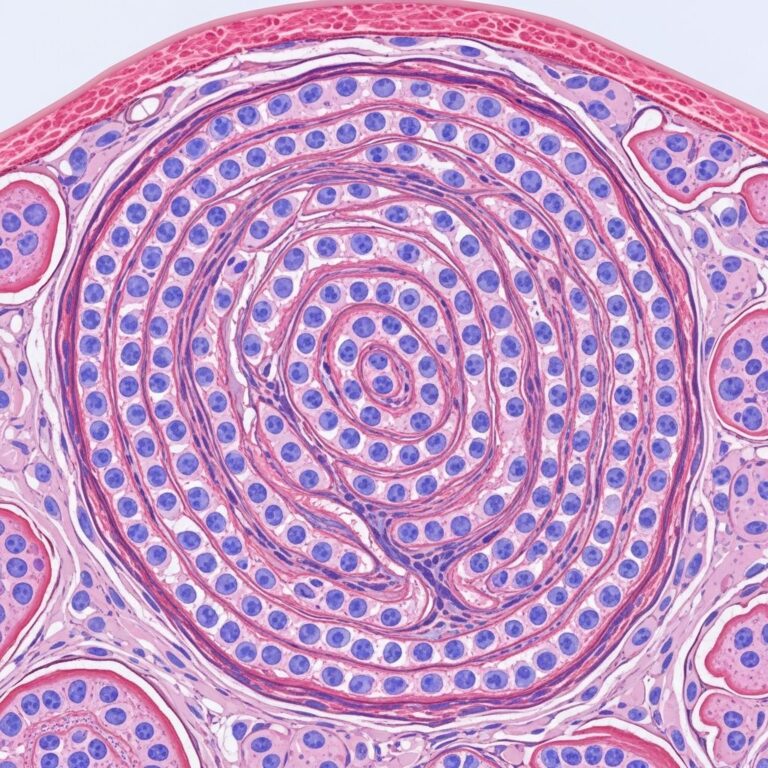
After your biopsy, your tissue sample goes to a laboratory where a pathologist examines it under a microscope. The pathologist looks for abnormal cells, signs of infection, evidence of disease, and other important findings. They prepare a detailed report explaining their observations and conclusions.
How Long Do Results Take?
You should get the results of your biopsy from your provider within a few days. In urgent cases, you may get the results within a day. Your healthcare provider will explain the results and discuss what they mean for your diagnosis and treatment plan.
Understanding Your Results
Your healthcare provider will explain test results that detect issues, such as cells that don’t look like normal cells. They’ll also explain the next steps, whether that’s additional tests or planning treatment. If your biopsy shows cancer, your pathologist will provide specific information about the type of cancer, its grade, and other characteristics that help guide treatment decisions.
Risks and Complications
Biopsies are generally safe procedures with minimal risk, but as with any medical procedure, complications can occur. The specific risks depend on the type of biopsy, location, and your individual health factors.
Common potential complications include:
– Bleeding at the biopsy site or blood in bodily fluids
– Infection at the biopsy site
– Pain or tenderness at the biopsy location
– Bruising or discoloration
– Allergic reaction to anesthesia
– Organ perforation (rare, depending on location)
– Nerve damage (uncommon)
Healthcare providers will monitor you for a few hours after your biopsy to ensure you don’t have severe complications that require further treatment. Ask your provider about specific risks associated with your type of biopsy.
Accuracy of Biopsies
Biopsies are a very accurate way to detect abnormal cells or other changes in your body that may be signs of disease. That said, studies suggest false-negative results do happen. A false-negative result means you have cancer or another illness that a biopsy didn’t detect. False-negative rates vary depending on the type of cancer or medical condition. If you’re having a biopsy, ask your provider about false-negative rates for that specific type of biopsy. This helps you understand the limitations of the test and whether additional testing might be recommended.
Benefits of Biopsies
The primary benefit of a biopsy is that it can reveal conditions affecting your organs and tissues with exceptional precision. Biopsies provide definitive diagnoses that imaging tests cannot always achieve. They help healthcare providers:
– Confirm or rule out suspected diagnoses
– Stage cancer to determine appropriate treatment
– Identify specific disease types to guide therapy
– Monitor disease progression in chronic conditions
– Evaluate transplanted organ function
– Distinguish between benign and malignant lesions
Frequently Asked Questions
Q: Is a biopsy painful?
A: Most biopsies cause minimal pain because the area is numbed with local anesthesia before the procedure. You may feel pressure or a slight pinch, but you shouldn’t experience sharp pain. Tell your provider if you feel pain during the procedure so they can provide additional anesthesia.
Q: How long does a biopsy take?
A: Most biopsies take just a few minutes to perform. However, the entire appointment, including preparation and recovery time, typically lasts several hours.
Q: Can I drive home after a biopsy?
A: If you received local anesthesia only, you may be able to drive home. If you received sedation or general anesthesia, you’ll need someone to drive you because the anesthesia affects your judgment and reaction time.
Q: What should I avoid after a biopsy?
A: Your provider will give you specific aftercare instructions. Generally, you should avoid strenuous activities, heavy lifting, and swimming for several days. Avoid touching or scratching the biopsy site, and keep it clean and dry.
Q: Can a biopsy miss cancer?
A: While biopsies are highly accurate, false-negative results can occur in rare cases. Discuss false-negative rates for your specific type of biopsy with your provider, and let them know if you have ongoing symptoms despite a negative result.
Q: Will a biopsy leave a scar?
A: Most needle biopsies leave minimal or no visible scarring. Surgical biopsies that require stitches may leave a small scar that typically fades over time.
Q: Can I eat before my biopsy?
A: This depends on the type of biopsy and anesthesia planned. If you’ll receive general anesthesia or sedation, you typically cannot eat or drink for several hours before the procedure. Follow your provider’s specific fasting instructions.
References
- Kidney Biopsy: Purpose, Procedure, Risks & Results — Cleveland Clinic. 2024. https://my.clevelandclinic.org/health/procedures/21160-kidney-biopsy
- Liver Biopsy: Procedure, How It’s Done, Aftercare & Results — Cleveland Clinic. 2024. https://my.clevelandclinic.org/health/procedures/9503-liver-biopsy
- The Cleveland Clinic Kidney Biopsy Epidemiological Project — PMC/NIH. 2022. https://pmc.ncbi.nlm.nih.gov/articles/PMC9802556/
- Breast Biopsy: Types, Procedure, Recovery & Results — Cleveland Clinic. 2024. https://my.clevelandclinic.org/health/diagnostics/24204-breast-biopsy-overview
- Skin Cancer Test, Punch Biopsy, Shave Biopsy — Cleveland Clinic. 2024. https://my.clevelandclinic.org/health/diagnostics/21857-skin-biopsy
- Prostate Biopsy & Ultrasound: Procedure Details, Risks & Benefits — Cleveland Clinic. 2024. https://my.clevelandclinic.org/health/diagnostics/15817-prostate-ultrasound-and-biopsy
Similar Articles








Read full bio of Sneha Tete