Brain Freeze: Causes, Symptoms, And 4 Fast Remedies
Discover the science behind brain freeze, its causes, symptoms, prevention tips, and when to seek medical advice for this icy headache.
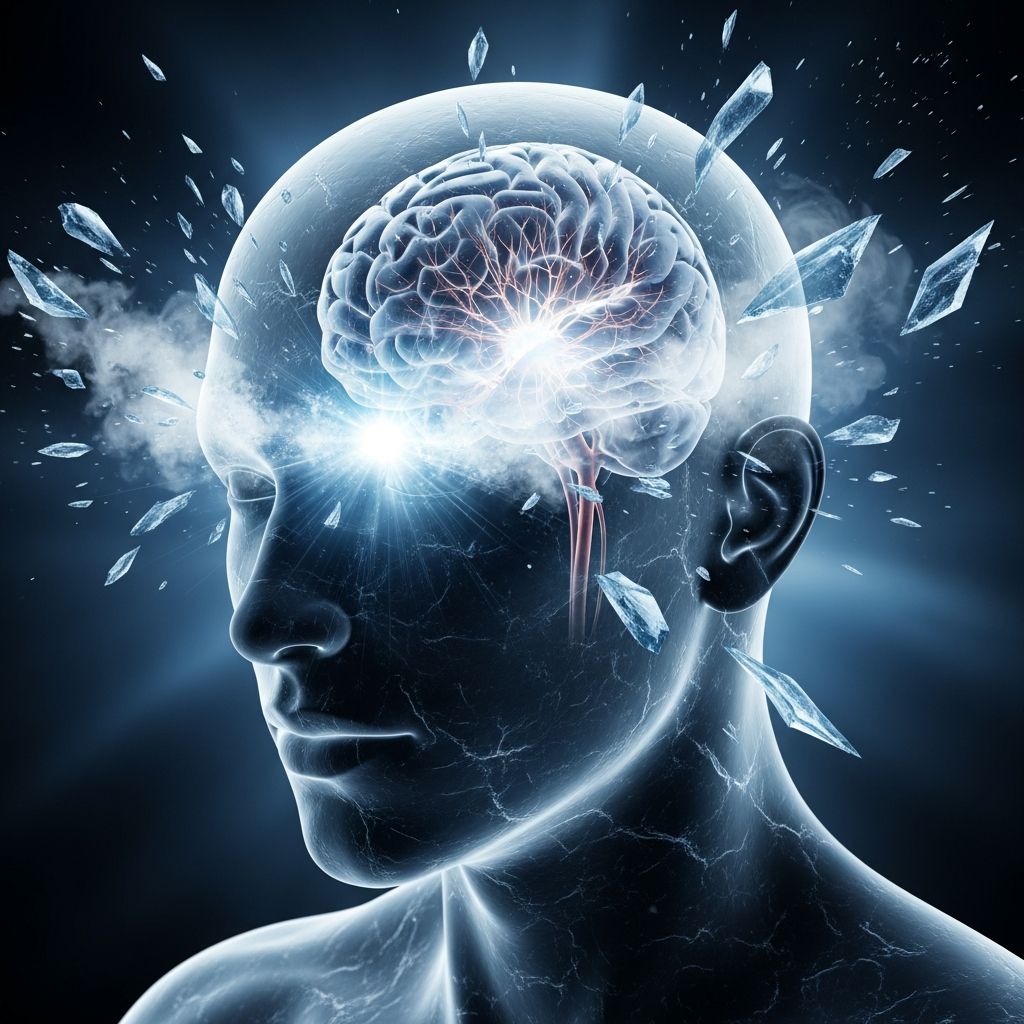
Brain freeze, commonly known as an
ice cream headache
, is a sudden, sharp pain in the head triggered by consuming cold foods or drinks too quickly. Medically termed sphenopalatine ganglioneuralgia, it affects the forehead, temples, or behind the eyes and typically lasts less than a minute. This harmless but intense sensation occurs when cold stimuli hit the roof of the mouth or throat, prompting a rapid physiological response.Symptoms of Brain Freeze
The hallmark of brain freeze is an abrupt, stabbing pain that feels like ice piercing the skull. Pain often radiates from the forehead or temples and can last from a few seconds to 30 seconds, rarely exceeding five minutes. Some experience throbbing or pressure, mimicking a migraine but resolving quickly.
- Sharp, sudden onset pain in the head, often localized to the forehead.
- Duration: 5-30 seconds typically, up to 2-3 minutes in severe cases.
- Associated sensations: Throbbing, sensitivity to light or sound in rare prolonged episodes.
- No lingering effects: Pain dissipates without treatment, leaving no damage.
Not everyone experiences brain freeze; sensitivity varies based on individual physiology.
What Causes Brain Freeze?
Brain freeze stems from a rapid temperature drop in the mouth’s palate or throat. Cold exposure causes blood vessels to constrict (vasoconstriction), followed by quick dilation (vasodilation) as the body rushes warm blood to the area. This vascular change activates pain receptors (nociceptors) in vessel walls, signaling the brain via the
trigeminal nerve
—which transmits facial and head sensations.The brain interprets these signals as headache pain, even though the trigger is oral. Other factors include:
- Fast consumption of ice cream, slushies, or frozen drinks.
- Breathing cold air or plunging into icy water.
- Individual vascular reactivity; migraine sufferers may be more prone.
Scientists note this as a protective mechanism: the brain signals to “slow down” to prevent hypothermia-like risks.
Brain Freeze vs. Migraine: Key Differences
| Aspect | Brain Freeze | Migraine |
|---|---|---|
| Trigger | Cold food/drink, rapid intake | Multiple (stress, hormones, foods) |
| Duration | Seconds to minutes | Hours to days |
| Pain Type | Sharp, stabbing | Throbbing, unilateral |
| Naausea/Vision Changes | Rare | Common |
People with migraines are more susceptible to brain freeze due to shared vascular mechanisms, like calcitonin gene-related peptide (CGRP) involvement. However, brain freeze lacks migraine’s prolonged aura or nausea.
How to Get Rid of Brain Freeze Fast
Brain freeze resolves spontaneously, but these remedies accelerate relief by normalizing mouth temperature:
- Warm the palate: Press tongue or thumb firmly against the roof of the mouth for 10-20 seconds.
- Drink warm liquid: Sip room-temperature or warm water to counteract cold.
- Breathe warm air: Cup hands over mouth/nose and inhale.
- Avoid painkillers: They take too long to work.
Most episodes end in under a minute without intervention.
Prevention Tips for Brain Freeze
Avoid rapid cold intake to sidestep brain freeze entirely:
- Eat/drink slowly, letting treats melt gradually.
- Take breaks between bites or sips.
- Keep warm drinks handy for chasers.
- Opt for smaller portions or softer frozen treats.
- For cold air triggers, cover mouth in winter.
Related Stories



Migraine-prone individuals should monitor patterns, as frequent brain freeze may signal sensitivity.
Brain Freeze for No Reason: When to Worry
Occasional brain freeze follows cold exposure, but spontaneous headaches without triggers warrant caution. These may mimic cluster headaches or migraines. Seek medical advice if:
- Headaches persist >5 minutes or recur frequently.
- Accompanied by facial pain, vision loss, or neurological symptoms.
- No cold stimulus involved.
Sphenopalatine Ganglion Block: Advanced Treatment
For chronic facial/head pain resembling brain freeze (without cold trigger), a
sphenopalatine ganglion block
may help. This minimally invasive injection targets the sphenopalatine ganglion—a nerve cluster behind the nose—disrupting pain signals. Used for migraines, cluster headaches, and refractory pain, it involves local anesthetic under short sedation. Patients rest 2-3 days post-procedure; effects can last weeks. Consult a specialist for suitability.Frequently Asked Questions (FAQs)
Q: How long does brain freeze last?
A: Typically 5-30 seconds, up to 2-3 minutes max. It resolves without treatment.
Q: Why does brain freeze hurt so much?
A: Rapid blood vessel constriction/dilation activates trigeminal nerve pain signals to the brain.
Q: Can brain freeze cause a real headache?
A: It’s a benign headache itself, not leading to lasting issues. Migraine links exist but are distinct.
Q: Is brain freeze dangerous?
A: No, it’s harmless and short-lived. Persistent pain needs evaluation.
Q: Does brain freeze happen to everyone?
A: No, sensitivity varies; migraineurs are more prone.
Key Takeaways
- Brain freeze is a temporary vascular response to cold.
- Remedies focus on warming the mouth quickly.
- Prevent by slowing consumption.
- See a doctor for unexplained headaches.
References
- How to Cure A Brain Freeze Headache For No Reason — All Star Pain Management. 2023-10-15. https://allstarpainmanagement.com/how-to-cure-a-brain-freeze-headache-for-no-reason/
- What Causes Brain Freeze? — Hackensack Meridian Health. 2020-08-21. https://www.hackensackmeridianhealth.org/en/healthu/2020/08/21/what-causes-brain-freeze
- Brain Freeze: Symptoms, Causes, Treatment — Prevention. 2023-11-01. https://www.prevention.com/health/a43297581/brain-freeze/
- Brain Freeze (Ice Cream Headache) — WebMD. 2024-05-12. https://www.webmd.com/migraines-headaches/ice-cream-headache
- Brain Freeze Headaches: Mayo Clinic Radio — Mayo Clinic (YouTube). 2023-06-10. https://www.youtube.com/watch?v=upI_hsWQRok
- What Causes Brain Freeze? — BrainFacts.org (Society for Neuroscience). 2019-07-18. https://www.brainfacts.org/thinking-sensing-and-behaving/diet-and-lifestyle/2019/what-causes-brain-freeze-071819
Similar Articles








Read full bio of medha deb