What Is Cancer? Symptoms, Causes & Types
Comprehensive guide to understanding cancer: causes, symptoms, types, diagnosis, and treatment options.
What Is Cancer?
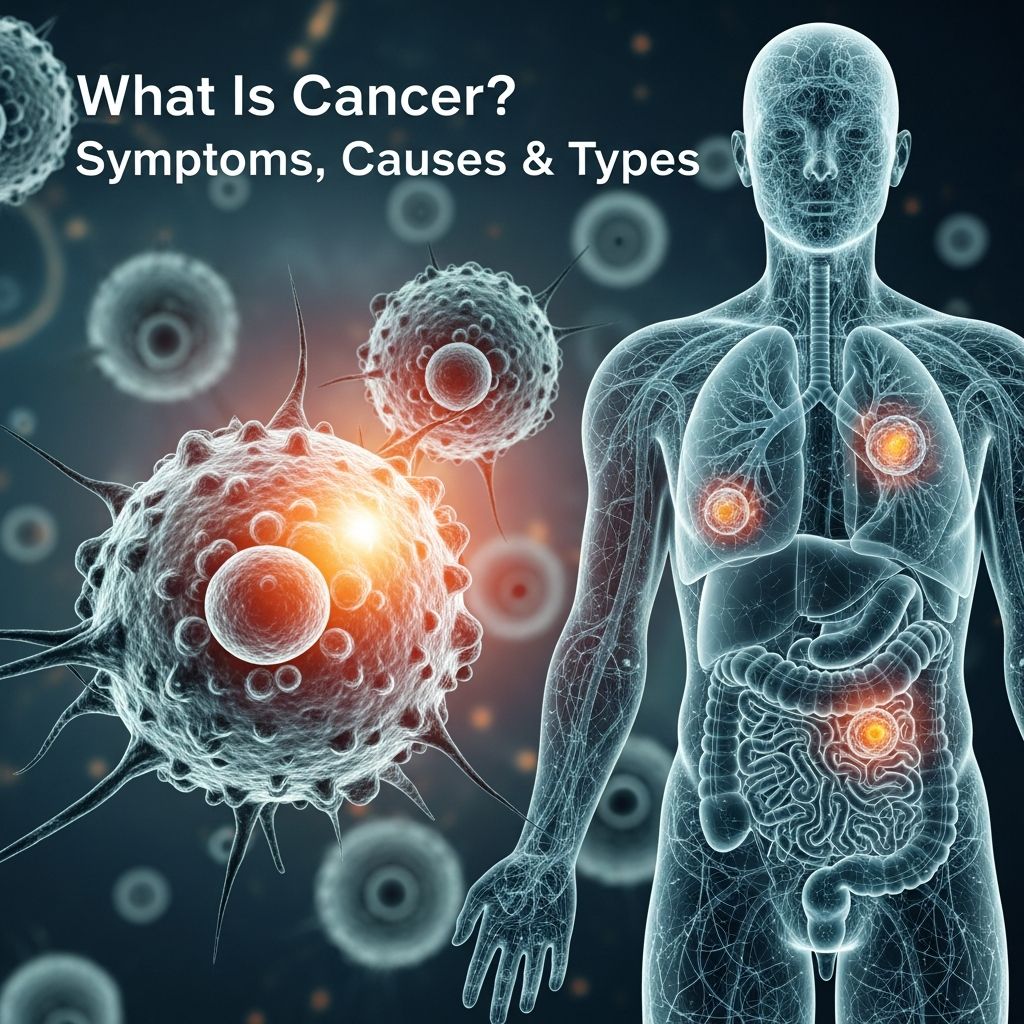
Cancer is a disease in which harmful cells in your body grow unchecked and multiply uncontrollably. Unlike normal cells that follow a natural life cycle of growth, division, and death, cancer cells ignore these biological signals and continue to divide and spread throughout the body. This uncontrolled growth can damage healthy tissue and interfere with the body’s normal functions. A cancer diagnosis is a life-changing event, but understanding what cancer is, how it develops, and what treatment options are available can help you take control of your health and navigate your healthcare journey with confidence and knowledge.
Understanding Cancer Development
Cancer develops when cells in the body begin to grow abnormally due to changes in their DNA. These genetic changes can occur spontaneously or be triggered by environmental factors, lifestyle choices, or inherited genetic predispositions. When cells accumulate enough mutations, they lose the ability to regulate their own growth and division. As these abnormal cells multiply, they can form tumors—masses of cancerous tissue that can invade nearby organs and tissues. In some cases, cancer cells can break away from the original tumor and travel through the bloodstream or lymphatic system to distant parts of the body, a process called metastasis.
Common Causes and Risk Factors
Multiple factors can increase your risk of developing cancer, and understanding these risk factors is an important part of prevention and early detection:
- Smoking and tobacco use: One of the leading preventable causes of cancer, particularly lung cancer
- Excessive alcohol consumption: Increases risk for several cancer types including liver, breast, and colorectal cancers
- Family history: Some cancers, such as breast and ovarian cancer, can run in families due to inherited gene mutations
- Obesity: Extra body weight increases the risk for numerous cancer types
- Sedentary lifestyle: Lack of physical activity is associated with increased cancer risk
- Poor diet: Diets high in processed foods and low in fruits and vegetables increase cancer risk
- Sun exposure: Prolonged or excessive exposure to ultraviolet (UV) radiation significantly increases skin cancer risk
- Age: Cancer risk generally increases with age as cells accumulate more mutations over time
- Infections: Certain infections, such as human papillomavirus (HPV) and hepatitis B, can lead to specific cancers
- Environmental exposures: Exposure to carcinogens such as asbestos, radon, and certain chemicals can increase cancer risk
Recognizing Cancer Symptoms
While symptoms vary depending on the type and stage of cancer, being aware of potential warning signs is important for early detection. Common symptoms that may warrant medical evaluation include:
- Unexplained weight loss or weight gain
- Persistent fatigue or weakness that doesn’t improve with rest
- Unusual bleeding or discharge
- Persistent cough or difficulty breathing
- Difficulty swallowing or persistent indigestion
- Persistent pain or discomfort in any part of the body
- Changes in skin appearance, including new moles or changes to existing ones
- Lumps or thickening under the skin
- Persistent fever or night sweats
- Changes in bowel or bladder habits
It’s important to note that these symptoms can result from many conditions other than cancer. However, if any symptoms persist for more than a few weeks, consult your healthcare provider for proper evaluation and diagnosis.
Major Types of Cancer
Cancer can develop in virtually any tissue or organ in the body. Healthcare providers categorize cancer into several main types based on where the cancer originates:
Carcinomas
Carcinomas are cancers that develop in the epithelial cells that cover the surface of organs and glands. These are the most common type of cancer and include breast cancer, lung cancer, colorectal cancer, and skin cancer. Carcinomas typically grow relatively slowly and are often treatable when caught early.
Related Stories



Sarcomas
Sarcomas are cancers that develop in connective tissues such as muscle, bone, cartilage, and fat. These cancers are rarer than carcinomas but can be aggressive. They often require specialized treatment approaches and may benefit from precision oncology techniques.
Leukemias and Lymphomas
Blood cancers affect how your body produces blood cells and include leukemias, which affect white blood cells in the bone marrow, and lymphomas, which affect the lymphatic system. These cancers can spread quickly but often respond well to chemotherapy and immunotherapy treatments.
Brain and Nervous System Cancers
These cancers develop in the brain, spinal cord, or other parts of the nervous system. They present unique treatment challenges due to the blood-brain barrier and the sensitive nature of neural tissue.
The Cancer Diagnosis Process
An accurate diagnosis is the foundation for effective cancer treatment. The diagnostic process typically involves several steps:
Initial Screening and Evaluation
Your healthcare provider will begin with a thorough medical history and physical examination. Depending on your symptoms and risk factors, they may recommend screening tests such as mammograms for breast cancer, colonoscopies for colorectal cancer, or imaging tests like CT scans or MRI.
Imaging and Laboratory Tests
Various imaging technologies—including X-rays, ultrasounds, computed tomography (CT) scans, magnetic resonance imaging (MRI), and positron emission tomography (PET) scans—help visualize tumors and determine their size and location. Blood tests can reveal abnormalities in blood cell counts and identify tumor markers that suggest cancer.
Biopsy and Pathology
A biopsy, in which a sample of tissue is removed and examined under a microscope, provides definitive diagnosis. Pathologists analyze the tissue to confirm cancer and determine its type, grade, and stage. Advanced genetic testing can identify specific mutations in cancer cells, which helps guide personalized treatment decisions.
Cancer Staging
Once cancer is diagnosed, it is staged to determine how far it has spread. The TNM system classifies cancer based on tumor size (T), lymph node involvement (N), and metastasis to distant sites (M). Stages typically range from Stage 0 (in situ, or localized) to Stage IV (metastatic, or spread to distant organs). Accurate staging is critical for determining prognosis and selecting appropriate treatment options.
Treatment Approaches
Cancer treatment plans are highly individualized and depend on factors including cancer type, stage, patient age, overall health, and personal preferences. Multiple treatment modalities may be used in combination:
Surgery
Surgery aims to remove the tumor and surrounding tissue. It may be used alone for localized cancers or in combination with other treatments. Surgical techniques range from traditional open surgery to minimally invasive laparoscopic or robotic-assisted procedures.
Chemotherapy
Chemotherapy uses powerful medications to kill cancer cells throughout the body. These drugs can be administered intravenously, orally, or through other routes. While chemotherapy can be effective, it often affects healthy cells as well, leading to side effects. Modern chemotherapy regimens are designed to maximize tumor kill while minimizing toxicity.
Radiation Therapy
Radiation therapy uses high-energy beams to target and destroy cancer cells. External beam radiation directs radiation from outside the body, while brachytherapy places radioactive sources directly into or near the tumor. Advanced techniques like intensity-modulated radiation therapy (IMRT) and proton therapy allow for more precise targeting and reduced damage to healthy tissue. Emerging technologies such as carbon ion therapy offer even greater precision and effectiveness, particularly for radiation-resistant cancers.
Targeted Therapy
Targeted drugs attack specific mutations or characteristics of cancer cells. For example, some lung cancers have specific genetic mutations that can be targeted with special drugs designed to slow or destroy those particular cancer cells. These therapies often have fewer side effects than traditional chemotherapy because they specifically target cancer cells rather than healthy cells.
Immunotherapy
Immunotherapy harnesses the body’s own immune system to fight cancer. These treatments help immune cells recognize and attack cancer cells more effectively. Checkpoint inhibitors, CAR-T cell therapy, and therapeutic vaccines are among the immunotherapy approaches showing promise across multiple cancer types.
Personalized and Precision Medicine
Advances in genomic profiling and functional precision medicine are enabling personalized cancer treatment. Researchers can now test tumor tissue to determine which chemotherapy agents will be most effective before treatment begins. Next-generation sequencing reveals the genetic profile of tumors, allowing clinicians to match patients with the most appropriate targeted therapies or immunotherapies for their specific cancer.
Managing Side Effects and Self-Care
Cancer treatment can cause various side effects, but many can be managed effectively. Your healthcare team will monitor you closely and adjust your treatment plan as needed. Important self-care strategies include:
- Maintaining adequate nutrition and hydration to support your body’s healing
- Getting regular physical activity as tolerated to maintain strength and energy
- Prioritizing sleep and rest to support immune function
- Managing stress through relaxation techniques, counseling, or support groups
- Communicating openly with your healthcare team about side effects and concerns
- Following prescribed medications and treatment schedules
- Attending all follow-up appointments and screening tests
- Avoiding smoking, excessive alcohol, and other harmful substances
Life After Cancer Treatment
Completing cancer treatment is a significant milestone, but ongoing care remains important. Survivorship care involves regular follow-up appointments to monitor for recurrence, manage long-term side effects, and address emotional and psychological needs. Your healthcare team will create a survivorship plan tailored to your specific situation. Many cancer survivors benefit from counseling, support groups, and lifestyle modifications to reduce the risk of recurrence and maintain overall health and wellness.
Advances in Cancer Research
Ongoing research continues to improve cancer outcomes. Cutting-edge approaches include genetically engineered bacteria designed to target specific metabolites in cancer tumors, which show promise as adjuncts or alternatives to traditional chemotherapy and radiation. Clinical trials exploring new treatment combinations and novel therapies provide access to innovative treatments while advancing scientific knowledge. Global collaborations in cancer research ensure that findings are applicable across diverse populations and help accelerate the development of effective treatments.
The Importance of Multidisciplinary Care
Comprehensive cancer care involves collaboration among specialists including medical oncologists, surgical oncologists, radiation oncologists, pathologists, radiologists, and supportive care specialists. This multidisciplinary approach ensures that treatment plans are thoroughly evaluated from multiple perspectives and optimized for each individual patient. At comprehensive cancer centers, specialists work together to plan treatment sequencing efficiently and address all aspects of your care.
Frequently Asked Questions (FAQs)
Q: What is the difference between benign and malignant tumors?
A: Benign tumors are non-cancerous growths that do not spread to other parts of the body and typically do not pose a serious threat. Malignant tumors are cancerous and can grow aggressively, invade surrounding tissue, and spread (metastasize) to distant organs. Only malignant tumors are considered cancer.
Q: Can cancer be prevented?
A: While not all cancers can be prevented, you can significantly reduce your risk by avoiding tobacco and excessive alcohol, maintaining a healthy weight, eating a balanced diet rich in fruits and vegetables, exercising regularly, protecting yourself from excessive sun exposure, and getting recommended cancer screenings.
Q: How long does cancer treatment take?
A: Treatment duration varies widely depending on cancer type, stage, and the specific treatments used. Some patients complete treatment in a few weeks, while others may undergo treatment for several months or longer. Your oncologist will provide a detailed treatment timeline specific to your situation.
Q: What should I do if I have a family history of cancer?
A: If cancer runs in your family, discuss this with your healthcare provider. You may benefit from genetic counseling and testing to determine if you carry inherited cancer risk genes. Your provider may recommend more frequent screening or other preventive measures tailored to your individual risk profile.
Q: How can I support a loved one with cancer?
A: Offer emotional support, help with practical tasks like transportation to appointments or meal preparation, listen without judgment, and respect their need for privacy. Encourage them to follow their treatment plan and maintain hope. Consider joining a support group alongside them.
Q: Are there clinical trials available for my cancer type?
A: Many clinical trials are available across different cancer types and stages. Ask your oncologist about trials that might be appropriate for you. Clinical trials can provide access to innovative treatments while contributing to cancer research that benefits future patients.
References
- What Is Cancer? Symptoms, Causes & Types — Cleveland Clinic. https://my.clevelandclinic.org/health/diseases/12194-cancer
- Breaking Barriers to Cancer Care: Cleveland Clinic’s Global Approach — Cleveland Clinic. https://consultqd.clevelandclinic.org/breaking-barriers-to-cancer-care-cleveland-clinics-global-approach
- Personalized Medicine: The Future of Cancer Care? — Cleveland Clinic Consult QD. https://consultqd.clevelandclinic.org/personalized-medicine-the-future-of-cancer-care
- Cancer: Diagnosis and Management — Cleveland Clinic Journal of Medicine, February 2000. https://www.ccjm.org/content/by/section/Cancer%20Diagnosis%20and%20Management
- Lung Cancer: Types, Stages, Symptoms, Diagnosis & Treatment — Cleveland Clinic. https://my.clevelandclinic.org/health/diseases/4375-lung-cancer
Similar Articles








Read full bio of Sneha Tete