Cholesterol Guide: Types, Risks, Diet & Lifestyle Tips
Understand cholesterol's role in health, types like HDL and LDL, and dietary strategies to manage levels effectively.
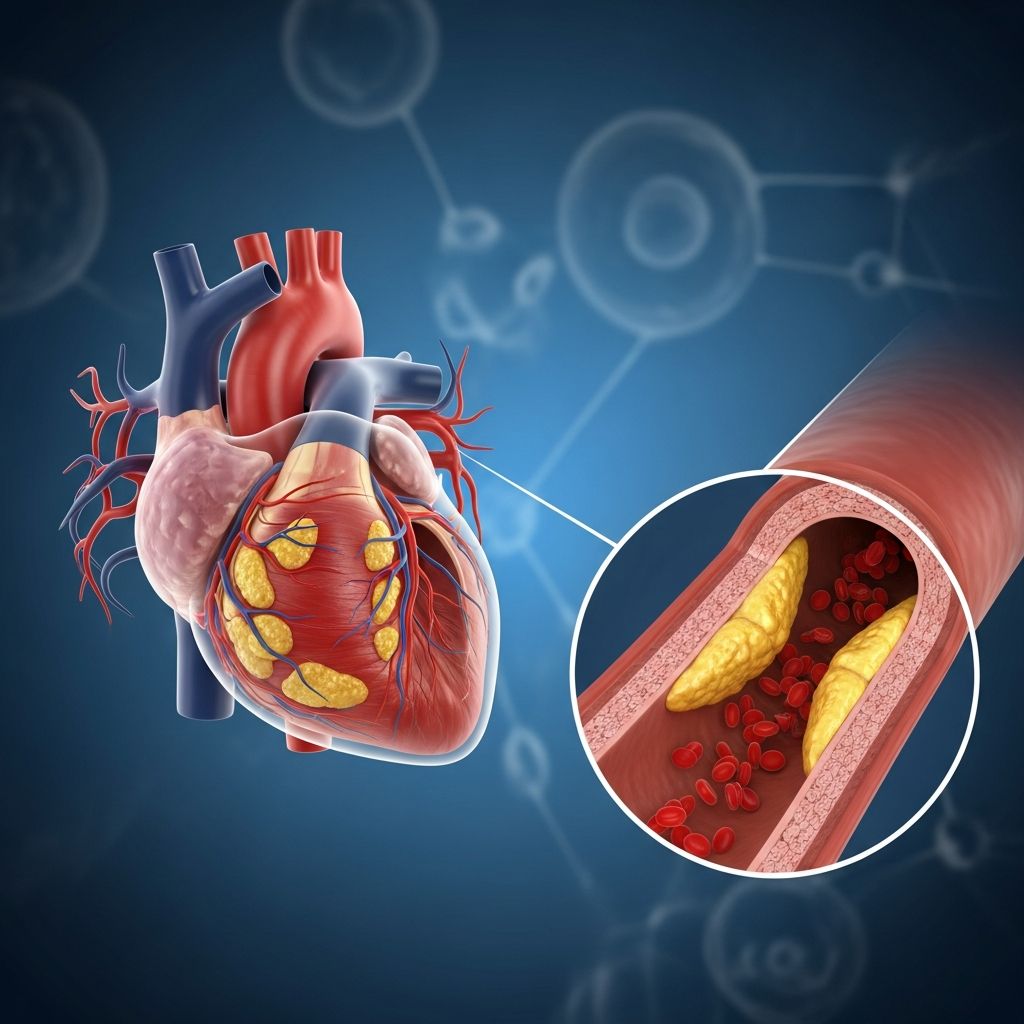
Cholesterol is a waxy, fat-like substance found in all cells of the body and in certain animal-based foods we consume. It plays essential roles, such as building cell membranes, producing hormones like estrogen and testosterone, synthesizing vitamin D, and aiding digestion through bile acids. While the body produces all the cholesterol it needs in the liver, dietary intake from foods like meat, eggs, and dairy can influence blood levels. High blood cholesterol, particularly elevated low-density lipoprotein (LDL), contributes to plaque buildup in arteries, increasing risks for heart disease and stroke.
Types of Cholesterol
Cholesterol travels through the bloodstream in lipoproteins, which are combinations of fats and proteins. The main types include:
- High-density lipoprotein (HDL): Known as “good” cholesterol, HDL helps remove excess cholesterol from arteries and transports it back to the liver for excretion, reducing heart disease risk.
- Low-density lipoprotein (LDL): Dubbed “bad” cholesterol, high LDL levels lead to plaque accumulation in artery walls, narrowing them and promoting atherosclerosis.
- Very low-density lipoprotein (VLDL): This type mainly carries triglycerides and contributes to plaque buildup, though less emphasized than LDL.
Maintaining optimal levels—ideally high HDL (above 60 mg/dL) and low LDL (under 100 mg/dL)—is crucial for cardiovascular health, as recommended by health authorities.
How Cholesterol Affects Your Health
Excess cholesterol, especially LDL, can form fatty deposits called plaque in artery walls, a condition called atherosclerosis. Over time, this hardens and narrows arteries, restricting blood flow to the heart and brain, potentially causing heart attacks or strokes. Factors like diet high in saturated fats, trans fats, and cholesterol, along with overweight, inactivity, and genetics, elevate blood cholesterol. The National Heart, Lung, and Blood Institute (NHLBI) notes that saturated fat raises LDL more than any other dietary component. Conversely, lifestyle changes can significantly lower levels: diets low in saturated fats and high in soluble fiber can reduce LDL by 5-15% or more.
Cholesterol in Foods
Dietary cholesterol comes exclusively from animal products, including organ meats (like liver), egg yolks, shellfish (shrimp), whole milk, cheese, butter, and fatty meats. Plant-based foods contain zero cholesterol. While dietary cholesterol modestly impacts blood levels compared to saturated fats, limiting it to under 200 mg daily is advised in heart-healthy plans like the Therapeutic Lifestyle Changes (TLC) diet. Foods high in saturated fats, such as red meat, full-fat dairy, and tropical oils (coconut, palm), often overlap with cholesterol sources, compounding risks.
| Food | Serving Size | Cholesterol (mg) |
|---|---|---|
| Egg yolk | 1 large | 186 |
| Shrimp, cooked | 3 oz | 166 |
| Beef liver | 3 oz | 274 |
| Cheddar cheese | 1 oz | 30 |
| Mozzarella cheese (part-skim) | 1 oz | 22 |
| Chicken breast (skinless) | 3 oz | 73 |
Checking Nutrition Facts labels helps identify cholesterol and saturated fat content, guiding smarter choices.
Dietary Strategies to Manage Cholesterol
A heart-healthy eating pattern emphasizes reducing harmful fats while boosting protective foods. Key recommendations from the Academy of Nutrition and Dietetics and NHLBI include:
- Limit saturated fat to less than 7% of daily calories: Found in fatty meats, butter, cheese, and fried foods. Replace with unsaturated fats from olive oil, avocados, nuts, and seeds. Studies show swapping saturated for unsaturated fats lowers LDL and total cholesterol.
- Avoid trans fats: Present in partially hydrogenated oils in some baked goods and margarines; they raise LDL and lower HDL.
- Cap dietary cholesterol at under 200 mg/day: Opt for egg whites, lean meats, and low-fat dairy.
Related Stories



Total fat can comprise 25-35% of calories if focused on healthy sources.
Enjoy Foods with Plant Sterols and Stanols
Plant sterols and stanols, found in small amounts in fruits, vegetables, nuts, seeds, and whole grains, block cholesterol absorption in the gut. Consuming 2 grams daily—available in fortified margarines, orange juice, or yogurt drinks—can lower LDL by 5-15%. The TLC diet endorses this addition for enhanced cholesterol reduction.
Look for Dietary Fiber
Soluble fiber from oats, beans, lentils, apples, and psyllium forms a gel in the intestine that binds cholesterol, promoting its excretion. Aim for 10-25 grams daily to reduce LDL by up to 5-10%. Insoluble fiber from whole grains aids digestion but has less direct impact on cholesterol.
Choose Healthy Fats
Prioritize monounsaturated fats (olive, canola, avocado oils) and polyunsaturated fats (fatty fish like salmon for omega-3s, seed oils like sunflower). Omega-3s lower triglycerides and may raise HDL. Limit total fat but emphasize quality.
Lifestyle Changes Beyond Diet
Diet alone isn’t enough; combine with:
- Physical activity: 30-60 minutes most days lowers LDL, raises HDL, and aids weight loss.
- Weight management: Losing 5-10% body weight if overweight reduces LDL and triglycerides.
- Smoking cessation and moderate alcohol: Quitting boosts HDL; limit alcohol to 1-2 drinks/day.
The TLC approach—starting with diet and activity, then adding sterols/fiber if needed—can drop LDL by 20-30% in 6 weeks. Registered dietitian nutritionists (RDNs) provide personalized medical nutrition therapy (MNT), with evidence showing moderate improvements in total cholesterol, LDL, and triglycerides.
Sample Heart-Healthy Daily Menu
Adapted from TLC guidelines, this menu keeps saturated fat low, cholesterol under 200 mg, and includes fiber/sterols:
| Meal | Foods | Key Nutrients |
|---|---|---|
| Breakfast | ¾ cup oatmeal with banana, 1 cup fat-free milk, 1 cup orange juice (fortified with sterols) | Calories: 390; Sat fat: 0.5g; Chol: 5mg; Fiber: 5g |
| Lunch | Turkey sandwich on whole-grain bread with veggies, low-fat cheese, mustard; 1 cup berries | Calories: 500; Sat fat: 3g; Chol: 50mg; Fiber: 8g |
| Dinner | Grilled salmon (3 oz), baked sweet potato, steamed broccoli, salad with olive oil dressing | Calories: 550; Sat fat: 2.5g; Chol: 50mg; Fiber: 10g |
| Snack | Handful almonds, apple | Calories: 250; Sat fat: 1g; Chol: 0mg; Fiber: 5g |
Totals: Sat fat ~7g (<7% calories), Chol ~105mg, Fiber ~28g.
Frequently Asked Questions (FAQs)
What foods should I avoid to lower cholesterol?
Limit fatty meats, full-fat dairy, butter, fried foods, and baked goods high in saturated/trans fats and cholesterol.
Can I eat eggs if I have high cholesterol?
Egg yolks are high in cholesterol (186 mg each), so limit to 2-4 yolks/week; whites are cholesterol-free and nutritious.
How much fiber do I need daily?
25-30g total, with 10-25g soluble from oats, beans, fruits to lower LDL.
Are plant sterols safe?
Yes, 2g/day from fortified foods is safe and effective for most adults.
Should I take statin drugs?
Lifestyle changes first; consult a doctor if LDL remains high despite efforts.
References
- Your Guide to Lowering Your Cholesterol With TLC — National Heart, Lung, and Blood Institute (NHLBI), NIH. 2005 (authoritative guide, still referenced in current guidelines). https://www.nhlbi.nih.gov/files/docs/public/heart/chol_tlc.pdf
- Lifestyle Management to Reduce Cardiovascular Risk — Academy of Nutrition and Dietetics. 2023. https://www.eatrightpro.org/news-center/practice-trends/lifestyle-management-to-reduce-cardiovascular-risk
- Lifestyle Changes to Reduce Cholesterol — University of Kentucky Cooperative Extension Service. 2022. https://publications.mgcafe.uky.edu/sites/publications.ca.uky.edu/files/FCS3574.pdf
- What is Cholesterol? — Academy of Nutrition and Dietetics. Accessed 2026. https://www.eatright.org/health/essential-nutrients/fats/what-is-cholesterol
- What Is Cholesterol? — American Heart Association. Accessed 2026. https://www.heart.org/en/health-topics/cholesterol/about-cholesterol
Similar Articles








Read full bio of Sneha Tete