What Exactly Is Cupping Therapy and How Does It Work?
Discover cupping therapy: ancient healing practice using suction cups for pain relief and muscle recovery.
What Exactly Is Cupping Therapy?
Cupping therapy represents one of the oldest healing practices in traditional medicine, with roots spanning thousands of years across multiple cultures including Chinese, Egyptian, and Middle Eastern traditions. Despite its ancient origins, cupping has experienced a resurgence in popularity over recent decades as both athletes and everyday individuals seek alternative approaches to pain management and muscle recovery. The practice involves the application of special cups to the skin to create suction, which practitioners believe facilitates healing and relief from various ailments.
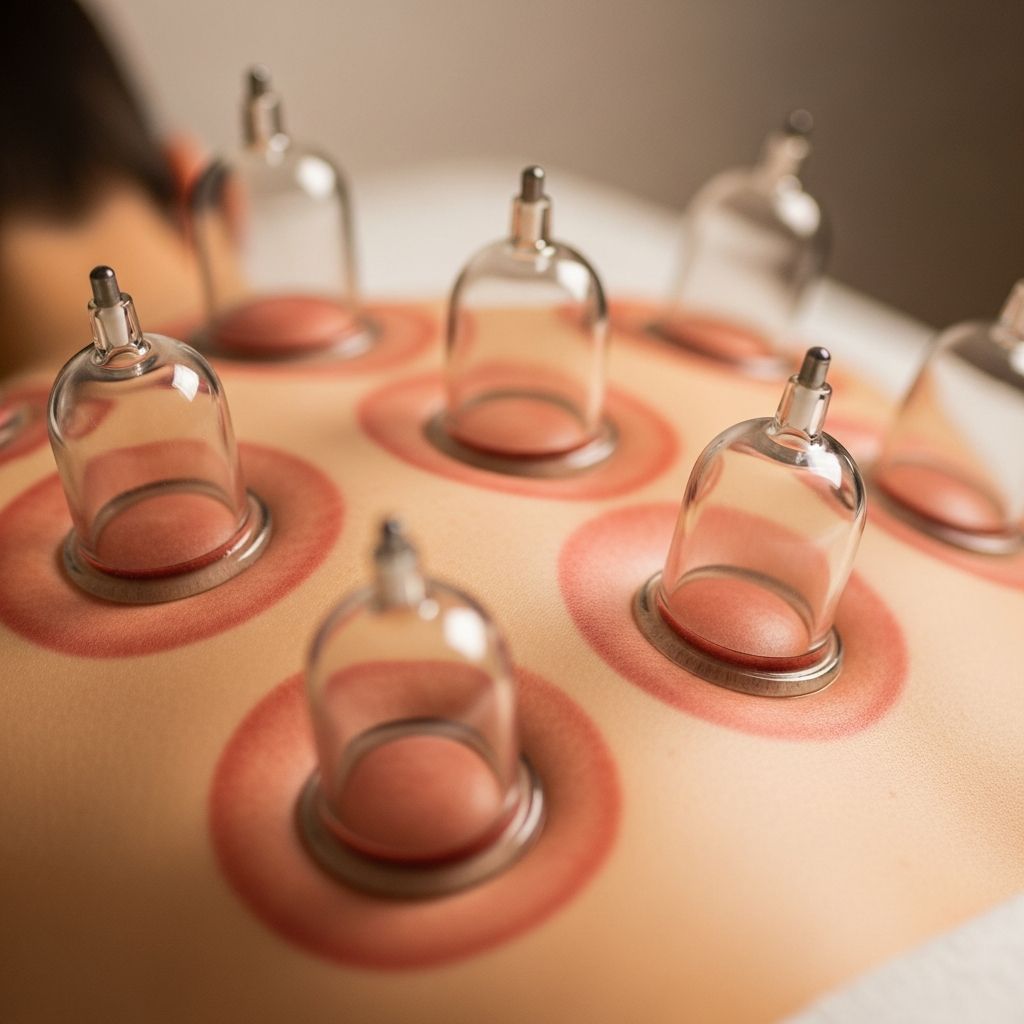
At its core, cupping therapy is defined as the use of special suction cups to create negative pressure, similar to a vacuum effect, through the skin and into the muscles underneath. This suction mechanism forms the fundamental basis of how the treatment operates and distinguishes it from other therapeutic modalities. Understanding the mechanics behind cupping requires exploring both the traditional methods and modern variations that have evolved over time.
How Cupping Therapy Works
The operational theory behind cupping therapy centers on the principle that controlled suction encourages improved circulation, promotes healing, and reduces pain in targeted areas. When the cups create negative pressure against the skin, they draw blood to the surface of the treatment area, thereby increasing localized blood flow to tissues that may be restricted or tight.
The process begins when a practitioner applies heat to the inside of the cup, typically using a flame to remove oxygen from the enclosed space. Once the oxygen has been sufficiently depleted, the practitioner quickly inverts the cup and places it onto the patient’s skin. As the air inside the cup cools, it creates a partial vacuum that draws the skin and underlying tissue upward into the cup opening. This distinctive lifting sensation represents the core mechanism through which cupping exerts its therapeutic effects.
Modern variations have introduced mechanical alternatives to traditional fire-based methods. Contemporary practitioners increasingly employ cups equipped with suction devices or air pumps, allowing them to control precisely the amount of air removed from within the cup. This advancement provides practitioners with greater consistency and safety compared to open-flame techniques, while maintaining the same fundamental vacuum principles.
According to physical therapy professionals, cupping works by loosening the body’s connective tissue and lifting it, which relieves myofascial tissue restrictions and gently stretches muscles in directions not typically possible through conventional exercise. By dramatically increasing the flow of blood in the treatment area, cupping flushes stagnated tissues and releases powerful anti-inflammatory, antioxidant, and pain-relief effects that can persist long after the treatment concludes.
Types of Cupping Therapy
Cupping therapy encompasses numerous variations, each employing different techniques and materials to achieve therapeutic outcomes. Understanding these distinctions helps patients and practitioners select the most appropriate approach for specific conditions and health objectives.
Dry Cupping
Dry cupping represents the most commonly utilized form of cupping therapy in contemporary practice, with studies showing that approximately 99% of healthcare professionals employ this technique. In dry cupping, the practitioner applies a heated cup directly to the skin without breaking the skin surface or drawing blood. The cups remain stationary on the treatment area for approximately three to fifteen minutes, allowing the vacuum to work on the underlying tissues. Some practitioners apply massage oil to the skin beforehand, which creates a better seal and allows the cups to glide smoothly over muscle groups during treatment.
Related Stories



Wet Cupping
Wet cupping, also referred to as hijama in traditional Islamic medicine, represents a more invasive variation of the practice. During wet cupping, the practitioner initially places the cups on the skin to create suction for several minutes. Once this phase completes, the cups are removed and the practitioner makes small, controlled cuts or needle piercings on the raised skin surface. These incisions allow small amounts of blood to flow into the cup, which practitioners believe removes toxins and impurities from the body. While wet cupping remains popular in certain traditional medical systems, it carries greater risks and requires additional training and sterile protocols compared to dry cupping methods.
Specialized Cupping Variations
Beyond the primary dry and wet categories, several specialized cupping techniques have emerged:
- Needle Cupping: This hybrid technique combines acupuncture with cupping therapy. Practitioners first insert acupuncture needles into specific points, then place cups over each needle to enhance the combined therapeutic effect.
- Massage Cupping: After establishing suction, the therapist moves the cups across the skin in gliding motions, allowing the vacuum to manipulate soft tissue as it travels. This technique, sometimes called sliding or gliding cupping, permits treatment of larger muscle groups and can address multiple areas simultaneously.
- Facial Cupping: Small silicone cups designed specifically for facial application assist with skin rejuvenation and detoxification. This variation has gained popularity in aesthetic and skincare practices.
- Water Cupping: One-third of each cup is filled with warm water before inversion onto the skin, creating a gentler suction effect suitable for sensitive areas or particular therapeutic goals.
Benefits and Therapeutic Applications
Practitioners and patients report cupping therapy as effective for treating a diverse array of conditions, with varying levels of clinical support for different applications. The most well-established benefits relate to musculoskeletal pain management and muscle recovery.
Primary Benefits
Research indicates that cupping therapy demonstrates particular effectiveness for:
- Muscle Tightness and Tension: Cupping directly addresses muscular stiffness by releasing restricted connective tissue and improving local circulation.
- Myofascial Trigger Points: The suction mechanism effectively deactivates trigger points that cause referred pain and functional limitations.
- Musculoskeletal Pain: Clinical evidence supports cupping’s efficacy for treating neck, shoulder, back, and knee pain.
- Improved Mobility and Flexibility: Studies have demonstrated that cupping can positively impact a patient’s flexibility, pain threshold, and range of motion.
- Arthritis Management: Some evidence supports cupping’s use in managing knee arthritis and other arthritic conditions.
- Migraine Relief: Both traditional practitioners and modern clinicians report cupping as beneficial for migraine headache management and reduction.
Additional Claimed Applications
Beyond musculoskeletal benefits, practitioners claim cupping therapy addresses various other health concerns, though scientific evidence for these applications remains limited or modest. These conditions include acne and other skin conditions, high blood pressure, fibromyalgia, gastrointestinal disorders, fever management, poor appetite, indigestion, nasal congestion, and menstrual cramping. While these applications reflect traditional medical usage spanning centuries, they require additional clinical research to establish definitive therapeutic validity.
The Cupping Experience
Understanding what to expect during a cupping session helps patients prepare mentally and physically for treatment. Most people report specific sensations and observable effects both during and immediately after the procedure.
During Treatment
When practitioners first apply cups to the skin, many patients report sensations of skin pinching or pulling at the initial moment of suction application. This sensation generally subsides quickly once the patient’s tissues acclimate to the vacuum pressure. Most practitioners report that patients find the treatment pleasant overall, and many request repeated treatments after experiencing the initial session. Following cupping therapy, patients typically experience a sense of relaxation and noticeably improved mobility in the treated areas, with benefits often extending for days following a single session.
Visible Effects and Marks
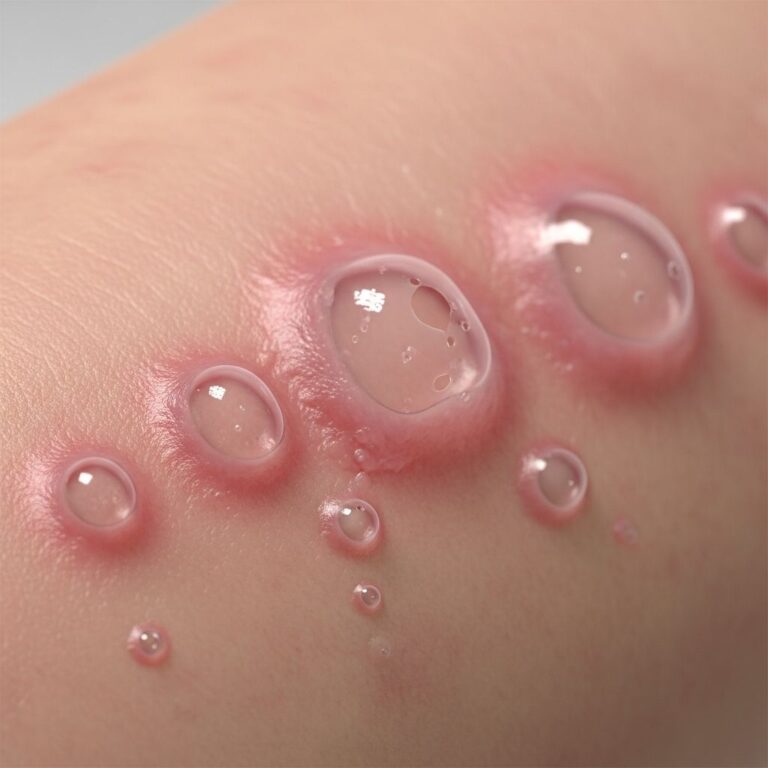
One of the most distinctive and initially concerning aspects of cupping involves the skin discoloration that frequently appears in the areas where cups were applied. These purplish or reddish marks resemble bruises in appearance but differ significantly in their origin and nature. The marks result from the vacuum effect drawing blood to the skin’s surface, causing capillary rupture under the skin layer. Importantly, these discolorations do not indicate tissue damage or bruising in the conventional sense. The marks are not painful despite their sometimes dramatic appearance and typically fade completely within several days as the body reabsorbs the extravasated blood.
Safety Considerations and Professional Guidance
While cupping therapy remains generally safe when performed by qualified practitioners, certain precautions and contraindications warrant consideration. Individuals should consult healthcare providers before beginning cupping therapy, particularly those with bleeding disorders, individuals taking anticoagulant medications, or those with skin conditions affecting the treatment areas.
Practitioners should have received formal training in proper cupping technique to ensure safe and effective treatment delivery. Medical professionals recommend asking your doctor to recommend a healthcare professional who has received the necessary training to perform safe, effective cupping. Qualified practitioners may include physical therapists, massage therapists, acupuncturists, medical doctors, and chiropractors who have completed appropriate cupping training programs. This professional guidance ensures that patients receive treatment from individuals with proper anatomical knowledge and technical skill.
While modern suction-based cups with air pumps carry reduced risk of burns compared to traditional fire-based methods, documented cases of burns caused by improper fire cupping technique exist. Practitioners using flame-based methods should maintain current training and follow strict safety protocols to minimize burn risk.
Cupping in Physical Therapy and Athletic Settings
The integration of cupping therapy into physical therapy practice reflects growing recognition of its therapeutic value among rehabilitation professionals. Studies have demonstrated that cupping represents a viable treatment option among physical therapy modalities, with capacity to contribute meaningfully to comprehensive treatment plans. Physical therapists incorporate cupping alongside other manual therapy techniques to manipulate soft tissue, increase mobility, promote healing, and restore function. The versatility of cupping allows its integration with other therapeutic approaches including instrument-assisted soft tissue manipulation, dry needling where permitted, and conventional therapeutic exercise.
In athletic settings, cupping has gained particular prominence as athletes and sports medicine professionals seek strategies to enhance recovery and manage training-related injuries. Healthcare professionals working in secondary school and collegiate athletic settings report high utilization rates of cupping therapy, with approximately 78% of respondents in one study representing athletic trainer positions. The technique’s ability to address muscle tightness, myofascial trigger points, and training-related pain makes it particularly valuable in athletic populations pursuing rapid recovery between competitions and training sessions.
Clinical Evidence and Efficacy
The scientific basis for cupping therapy demonstrates varying levels of evidence depending on the specific condition being treated. Research indicates low to moderate evidence that cupping can reduce pain associated with musculoskeletal pain and myofascial pain syndrome, with some researchers noting that observed benefits may be indistinguishable from placebo effects. However, clinical experiences reported by practitioners and patients suggest therapeutic value exceeding simple placebo response, with some patients reporting immediate pain reduction on scales of 8 out of 10 down to 3 out of 10 following treatment.
The variation in research quality partly reflects the challenge of conducting rigorous controlled trials for manual therapy techniques where blinding proves difficult to implement. Nevertheless, the consistent reports from both practitioners and patients regarding cupping’s effectiveness for musculoskeletal conditions, combined with its long historical use across multiple medical traditions, suggest legitimate therapeutic mechanisms worthy of continued scientific investigation.
Frequently Asked Questions About Cupping Therapy
Q: Will cupping therapy leave permanent marks on my skin?
A: No, cupping does not cause permanent marks. The purplish discolorations that appear after treatment are temporary and result from blood brought to the skin’s surface. These marks fade completely within several days without causing lasting damage to the skin or underlying tissues.
Q: Is cupping therapy painful?
A: While patients may feel initial sensations of pinching or pulling when the cups are first applied, these sensations typically subside quickly. Most people report that the treatment is not painful and find the experience relaxing, often requesting repeat treatments.
Q: How many cupping sessions do I need to see results?
A: Results vary depending on individual factors and the condition being treated. Many patients report immediate benefits following a single session, including reduced pain and improved mobility. For chronic conditions, practitioners typically recommend multiple sessions spaced appropriately apart to achieve optimal therapeutic outcomes.
Q: Is cupping therapy safe for everyone?
A: While generally safe, cupping is not appropriate for everyone. Individuals with bleeding disorders, those taking anticoagulant medications, or those with certain skin conditions should consult with healthcare providers before undergoing treatment. Always seek treatment from qualified, trained practitioners.
Q: What’s the difference between dry and wet cupping?
A: Dry cupping creates suction without breaking the skin, while wet cupping involves small cuts or needle piercings that allow minimal blood release. Dry cupping is more commonly practiced and carries fewer risks, while wet cupping remains popular in certain traditional medical systems.
References
- The Benefits Of Cupping Therapy — Premier Health. Accessed 2025. https://www.premierhealth.com/your-health/articles/health-topics/the-benefits-of-cupping-therapy
- What Is Cupping Therapy? Benefits and Applications — University of St. Augustine for Health Sciences. Accessed 2025. https://www.usa.edu/blog/what-is-cupping-therapy/
- Clinical usage, application procedures, and perceived effectiveness of cupping therapy among healthcare professionals in the United States — PubMed Central. 2022-07-12. https://pubmed.ncbi.nlm.nih.gov/35717744/
- Cupping therapy — Wikipedia. Accessed 2025. https://en.wikipedia.org/wiki/Cupping_therapy
Similar Articles








Read full bio of Sneha Tete