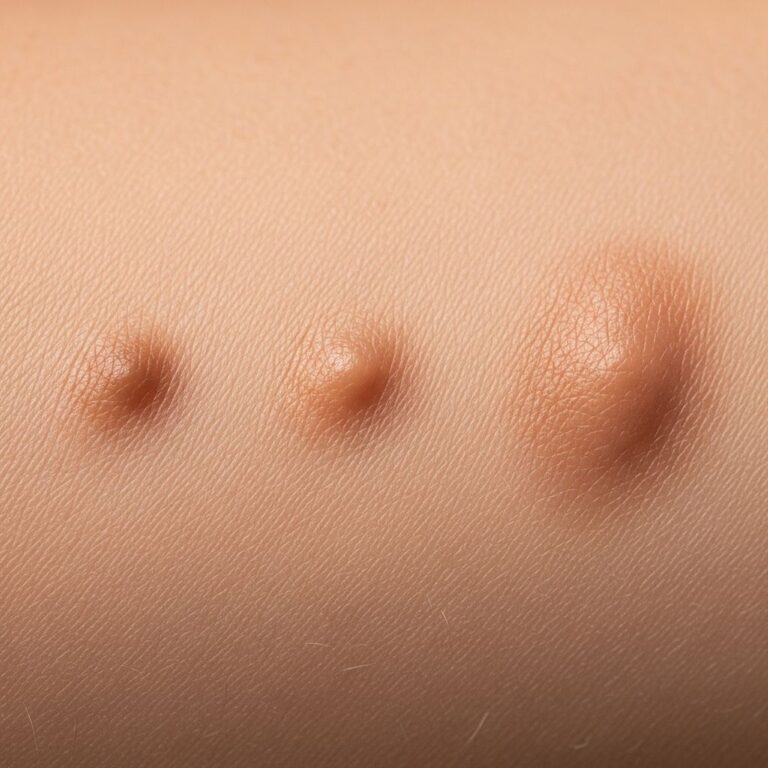
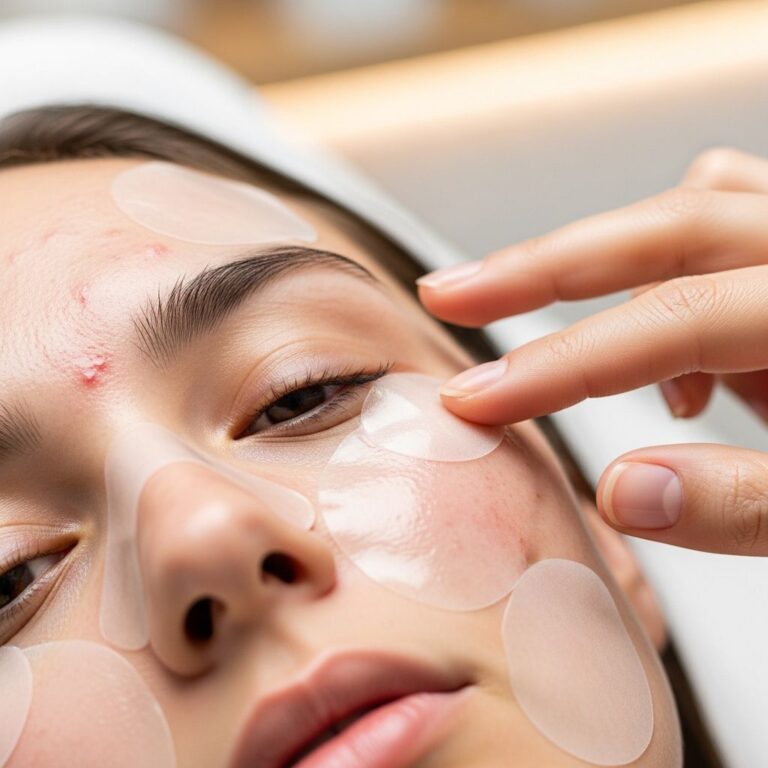
Dermatology: Complete Guide To Skin, Hair, And Nail Conditions
Explore the medical specialty of dermatology, covering diagnosis, treatment, and management of skin, hair, and nail conditions worldwide.
Dermatology is the medical discipline dedicated to the diagnosis, treatment, and management of diseases affecting the skin, hair, and nails in individuals of all ages, from infants to the elderly.
Definition
The skin serves as the body’s largest and most visible organ, functioning as a critical barrier against injury, bacteria, and environmental hazards while reflecting overall health. According to the New Zealand Dermatological Society, dermatology encompasses the study, research, diagnosis, and management of normal and abnormal conditions of the skin, subcutaneous fat, hair, nails, and adjacent mucous membranes, including oral and genital areas. This includes disorders, diseases, cancers, cosmetic issues, and ageing-related changes. Management strategies range from dermatohistopathology and topical/systemic medications to surgical interventions, immunotherapy, phototherapy, laser therapy, radiotherapy, and photodynamic therapy.
Dermatologists are highly trained medical doctors who specialize first in general medicine and then in dermatology, equipping them to handle over 3,000 distinct diseases of the skin, hair, and nails, as well as cosmetic concerns. They often perform skin surgery for both benign and malignant lesions and collaborate in multidisciplinary teams with oncologists, geneticists, plastic surgeons, rheumatologists, immunologists, histopathologists, and specialist nurses.
Demographics
Skin disorders rank as the fourth most common cause of human disease globally, impacting 30–70% of the population worldwide. Virtually everyone experiences some form of skin condition during their lifetime, making it one of the primary reasons people seek medical care across all societies and age groups. In primary care settings, such as general practice in the UK, approximately 15% of consultations involve skin problems, with 50–75% of individuals affected by a skin issue at any given time.
These conditions span demographics: infants may suffer from atopic dermatitis or cradle cap, children from warts or impetigo, adults from acne or eczema, and the elderly from age-related changes like actinic keratosis or skin cancers. Certain populations face heightened risks; for instance, individuals with black skin are more prone to pigmentary disorders and keloidal scarring, while tropical regions see higher rates of infectious skin diseases. Occupational factors also play a role, with hand dermatitis being the most prevalent work-related skin issue due to irritants or allergens like chemicals, pesticides, and cosmetics.
Different Fields
Dermatology is a multifaceted specialty with numerous subspecialties and fields, adapting to evolving medical challenges such as new drug side effects, industrial exposures, increased sun exposure from outdoor activities, and emerging therapies like biological agents and JAK inhibitors. Key areas include:
- Paediatric dermatology: Focuses on skin conditions in children, such as birthmarks, eczema, and infections.
- Dermatopathology: Involves microscopic examination of skin biopsies to diagnose diseases.
- Dermatological surgery: Encompasses excision of lesions, Mohs micrographic surgery for skin cancer, and cosmetic procedures.
- Photodermatology: Deals with sun-induced disorders and phototherapy treatments.
- Contact dermatitis: Addresses allergic and irritant reactions, common in occupational settings.
- Immunodermatology: Manages autoimmune skin diseases like pemphigus or lupus.
- Teledermatology: Uses digital imaging for remote consultations, increasingly relevant post-pandemic.
- Cosmetic dermatology: Covers aesthetic treatments like Botox, fillers, and laser resurfacing.
Dermatologists maintain expertise in foundational sciences—microbiology, pathology, biochemistry, physics, physiology, pharmacology, and endocrinology—and stay updated through continuous professional development (CPD), including audits, peer reviews, publications, teaching, and attendance at global symposia.
Related Stories



Most Common Skin Disorders
Over 1,500 distinct skin diseases exist, ranging from benign and self-limiting to severe and disabling. Common conditions include:
| Category | Examples | Prevalence/Notes |
|---|---|---|
| Infectious | Viral (warts, herpes), bacterial (impetigo, cellulitis), fungal (tinea, athlete’s foot) | Common globally, especially in tropics. |
| Inflammatory | Eczema/atopic dermatitis, psoriasis, urticaria | Affect 10-20% lifetime prevalence; often chronic. |
| Acne and Rosacea | Acne vulgaris, rosacea | Afflicts adolescents and adults; cosmetic impact. |
| Cancers | Melanoma, basal cell carcinoma, squamous cell carcinoma | Leading cause of skin cancer deaths; sun-related. |
| Pigmentary | Vitiligo, melasma | Psychosocial burden, especially in darker skin. |
| Others | Alopecia areata, seborrhoeic dermatitis, hand dermatitis | Occupational and stress-related. |
Symptoms often include itch (pruritus), pain, scaling, rash, lumps, or blisters, with signs described by distribution, color, morphology, and configuration. Classifications evolve with advances in genetics and immunology, grouping disorders into infectious, eczematous, papulosquamous, pigmentary, vascular, genetic, and more.
Dermatological Examinations and Procedures
Dermatological assessments begin with a comprehensive history covering symptoms, medical background, medications, smoking, allergies, family history, sun exposure, and occupation, followed by a full skin examination. Key tools and procedures include:
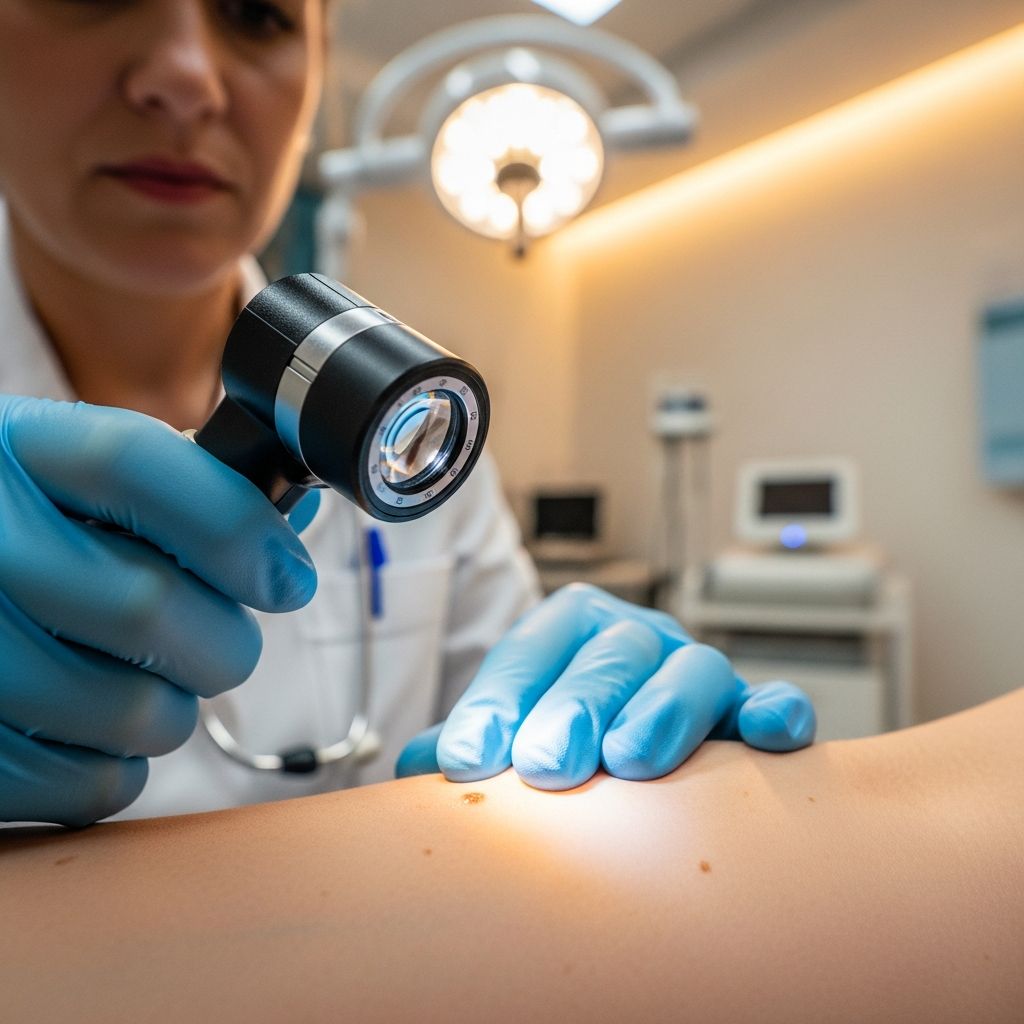
- Dermoscopy: A handheld device with magnification and illumination to evaluate lesions like moles for melanoma risk.
- Skin biopsy: Punch, shave, or excisional samples sent for histopathology.
- Swabs and cultures: For exudate from lesions to detect bacteria or viruses.
- Patch testing: Identifies allergens in contact dermatitis.
- Intradermal steroid injections: For keloids, acne cysts, vitiligo, or alopecia.
- Phototherapy: Narrow-band UVB for eczema, psoriasis, vitiligo.
- Laser and cryotherapy: For warts, vascular lesions, or precancers.
Appointments typically yield a treatment plan, prescription, or referral on the same day if urgent.
Frequently Asked Questions (FAQs)
Q: When should I see a dermatologist?
Consult a dermatologist for persistent rashes, changing moles, severe acne, hair loss, or nail changes unresponsive to primary care. GPs provide initial assessment.
Q: How do dermatologists differ from skin specialists or beauticians?
Dermatologists are qualified MDs with specialized training; skin specialists may lack medical degrees, and beauticians handle non-medical cosmetics only.
Q: What training does a dermatologist undergo?
Medical school, internal medicine residency, then 3-4 years of dermatology fellowship, plus lifelong CPD.
Q: Are skin conditions linked to internal diseases?
Yes, e.g., psoriasis with metabolic syndrome, rashes signaling infections or cancers. Dermatologists coordinate with other specialists.
Q: How has dermatology evolved recently?
Advances include biologics, JAK inhibitors, AI diagnostics, and teledermatology, expanding treatment for inflammatory diseases.
Research and Future Directions
Research drives dermatology forward, from molecular genetics unraveling disease pathogenesis to clinical trials for novel therapies. Areas of focus include personalized medicine, immunotherapy for cancers, regenerative techniques for scarring, and addressing psychosocial impacts like stigmatization from visible conditions. With rising skin cancer rates and chronic inflammatory diseases, dermatology continues to innovate, improving outcomes and quality of life.
References
- What is Dermatology? — DermNet NZ. 2023-10-15. https://dermnetnz.org/topics/what-is-dermatology
- What is a Dermatologist? — DermNet NZ. 2023-11-20. https://dermnetnz.org/topics/what-is-a-dermatologist
- Principles of Dermatological Practice: Overview — DermNet NZ. 2008-01-01 (updated 2024). https://dermnetnz.org/cme/principles/an-overview-of-dermatology
- Cutaneous Signs in Dermatological Diseases; An Overview — PMC (National Library of Medicine). 2022-01-15. https://pmc.ncbi.nlm.nih.gov/articles/PMC8751708/
- DermNet – Dermatology Resource — DermNet NZ. 2024-01-01. https://dermnetnz.org
- Psychosocial Factors in Dermatology — DermNet NZ. 2023-05-10. https://dermnetnz.org/topics/psychosocial-factors-in-dermatology
Similar Articles








Read full bio of Sneha Tete