Emotional Wellness: 8 Key Signs And How To Improve
Understand emotional wellness, its signs, barriers, and practical strategies to cultivate emotional balance and resilience in daily life.
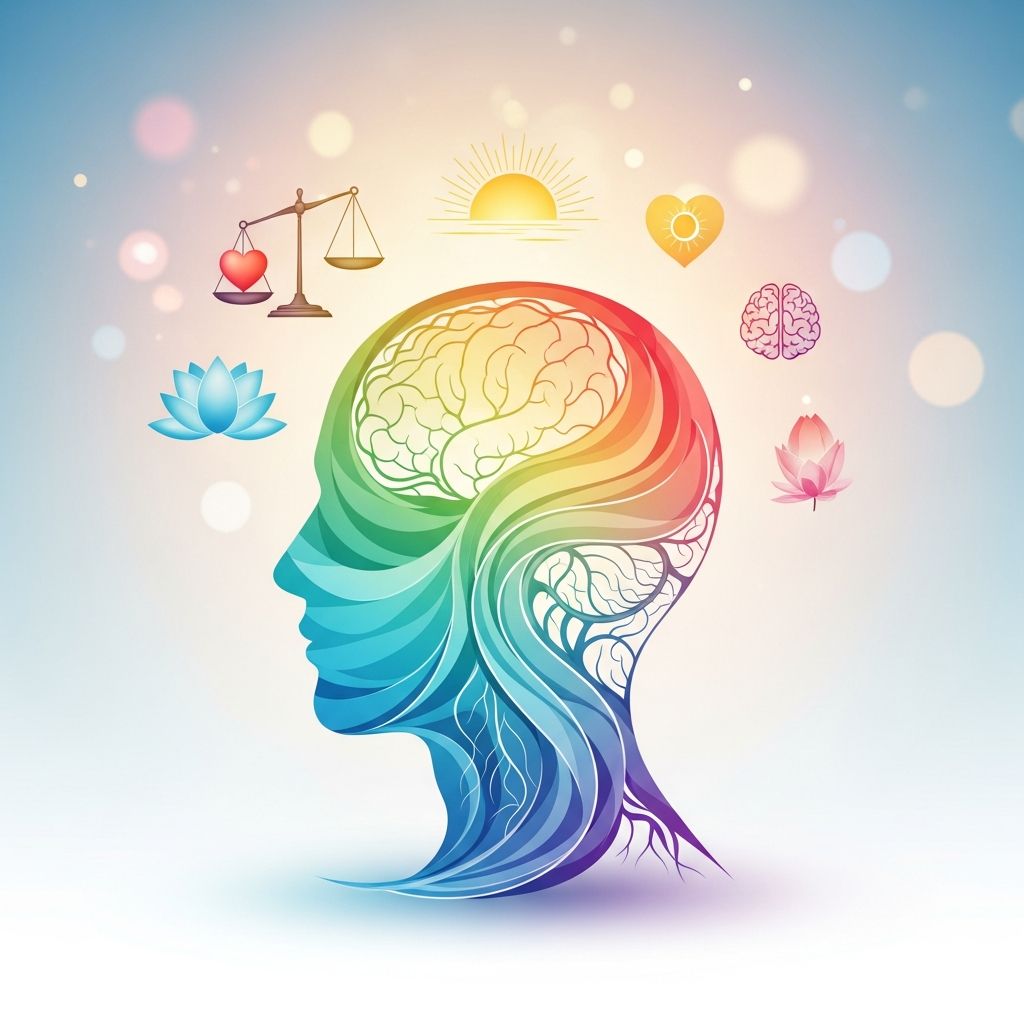
Emotional wellness refers to the awareness, understanding, and acceptance of one’s feelings, coupled with the ability to manage them effectively through life’s challenges and changes. It encompasses cultivating positive emotions, building resilience, and navigating setbacks with balance, impacting mental health, relationships, physical well-being, and overall life satisfaction.
Unlike physical health, which often receives routine attention through diet and exercise, emotional wellness requires intentional practices like self-awareness, healthy coping mechanisms, and seeking support. It develops over time through caregiver co-regulation, personal growth, and habits such as therapy or mindfulness. High emotional wellness does not mean constant happiness but rather an overall positive state that accommodates negative emotions like sadness without being overwhelmed.
What Does Emotional Wellness Look Like?
Individuals with strong emotional wellness exhibit fewer negative emotions and recover quickly from difficulties. They manage feelings constructively, fostering optimism, self-acceptance, and healthy relationships.
Key signs include:
- Resilience: Bouncing back from setbacks and adapting to challenges with ease.
- Positive outlook: Maintaining optimism and solution-focused thinking rather than dwelling on problems.
- Self-acceptance: Feeling content with oneself most of the time.
- Self-awareness: Recognizing how emotions influence thoughts and actions.
- Effective stress management: Using healthy coping methods like exercise, mindfulness, or support-seeking.
- Open-mindedness: Willingness to learn, grow, and adapt to changes.
- Emotional balance: Expressing emotions healthily without overwhelm.
- Healthy relationships: Building supportive connections and openly sharing feelings.
Emotional wellness aligns with broader psychological well-being, including hedonic (positive affect) and eudaimonic (purposeful living) elements. It involves emotional diversity, context-appropriate responses, and quick recovery from negatives, all contributing to life satisfaction.
Why Is Emotional Wellness Important?
Prioritizing emotional wellness enhances every life domain: stronger relationships, better work performance, improved physical health, and greater resilience against stress. The World Health Organization defines mental health—a close relative—as a state enabling stress coping, ability realization, and contribution to community, underscoring emotional wellness’s foundational role.
Research shows emotional well-being (EWB) predicts better health outcomes, with positive emotions, balance, and emodiversity (variety in emotional experiences) linked to reduced anxiety and higher functioning. Neglecting it leads to exhaustion, poor decisions, and chronic issues like depression.
Common Barriers to Emotional Wellness
Several factors hinder emotional health, often interconnected and requiring targeted strategies.
| Barrier | Description | Impact |
|---|---|---|
| Chronic stress | Ongoing pressures from work, relationships, or events. | Emotional dysregulation and self-care neglect. |
| Lack of self-care | Ignoring physical, mental, emotional needs. | Exhaustion and imbalance. |
| Social isolation | Lack of supportive connections. | Difficulty navigating struggles alone. |
| Unresolved trauma | Past events causing lingering anxiety or numbness. | Depression or emotional blocks. |
| Poor work-life balance | Overcommitment without boundaries. | Constant distress. |
| Financial stress | Money worries or job dissatisfaction. | Increased anxiety. |
| Overdependence on technology | Excessive screen time, social comparison, negative news. | Anxiety and overwhelm. |
These barriers can create cycles; for instance, chronic stress exacerbates isolation, while technology overuse displaces real connections.
How to Improve Your Emotional Wellness
Building emotional wellness involves daily habits, mindset shifts, and professional support. Start small for sustainable change.
Daily Practices
- Set boundaries: Prioritize needs, say no to overcommitment.
- Get quality sleep: Aim for 7-9 hours consistently.
- Develop coping strategies: Deep breathing, meditation, progressive muscle relaxation.
- Practice gratitude: Reflect on positives daily.
- Engage in physical activity: Exercise links mental and physical health.
- Limit screen time: Curate positive content, focus on offline joys.
- Laugh and reflect: Use humor, quiet time for self-kindness.
- Share feelings: Talk with trusted people, listen actively.
Related Stories



Therapy Options
Professional help addresses deeper issues effectively.
- Cognitive Behavioral Therapy (CBT): Changes negative thought patterns.
- Mindfulness-Based Therapy (MBT): Grounds in present, manages overwhelm.
- Dialectical Behavior Therapy (DBT): Balances acceptance/change, improves emotion regulation and communication.
- Psychodynamic Therapy: Processes past pain for healing.
Therapists provide tools for resilience, especially post-trauma. Emotional health, as part of mental health, involves coping with all emotions awareness.
Emotional Wellness vs. Mental Health
Emotional wellness is a mental health component, focusing on emotion awareness and management. Mental health broadly includes coping with life stresses and realizing potential. While overlapping, emotional wellness emphasizes daily emotional balance; mental health encompasses cognitive and social dimensions.
Frequently Asked Questions (FAQs)
What is the difference between emotional wellness and emotional health?
Emotional wellness is proactive awareness and management of feelings for balance; emotional health is the ability to cope with positive/negative emotions.
Can you have emotional wellness and still feel sad?
Yes, high emotional wellness allows negative emotions like sadness amid overall positive states, without overwhelm.
How does emotional wellness affect physical health?
It reduces stress-related issues, boosts immunity via healthy coping, and interconnects with sleep, diet, exercise.
What are quick ways to boost emotional wellness daily?
Practice gratitude, deep breathing, connect with others, move your body, and be kind to yourself.
When should I seek therapy for emotional wellness?
If facing chronic stress, trauma, isolation, or persistent negative emotions impacting life.
Key Takeaways
- Emotional wellness is awareness and effective emotion management.
- Signs: resilience, self-awareness, healthy relationships.
- Barriers: stress, isolation, poor balance—combat with self-care.
- Improve via habits, therapy like CBT/DBT.
- Essential for holistic well-being.
Integrating these practices fosters lasting emotional strength. Emotional wellness evolves with consistent effort, enhancing life’s quality profoundly.
References
- Emotional wellness: What it is and how to improve it — Rula. 2023. https://www.rula.com/blog/emotional-wellness/
- Emotional Well-Being: What It Is and Why It Matters — PubMed Central (PMC). 2023-04-27. https://pmc.ncbi.nlm.nih.gov/articles/PMC10104995/
- Eight Dimensions of Wellness: Emotional Wellness — UC Davis Student Health and Counseling Services. Accessed 2026. https://shcs.ucdavis.edu/health-and-wellness/eight-dimensions-wellness
- Mental health – Strengthening our response — World Health Organization (WHO). 2022-03-02. https://www.who.int/news-room/fact-sheets/detail/mental-health-strengthening-our-response
- What to Know About Emotional Health — WebMD. Accessed 2026. https://www.webmd.com/balance/what-to-know-about-emotional-health
Similar Articles








Read full bio of medha deb