What is a Gastroenterologist? When to See One
Learn about gastroenterologists, their expertise, and when you should schedule an appointment for digestive health.
What is a Gastroenterologist?
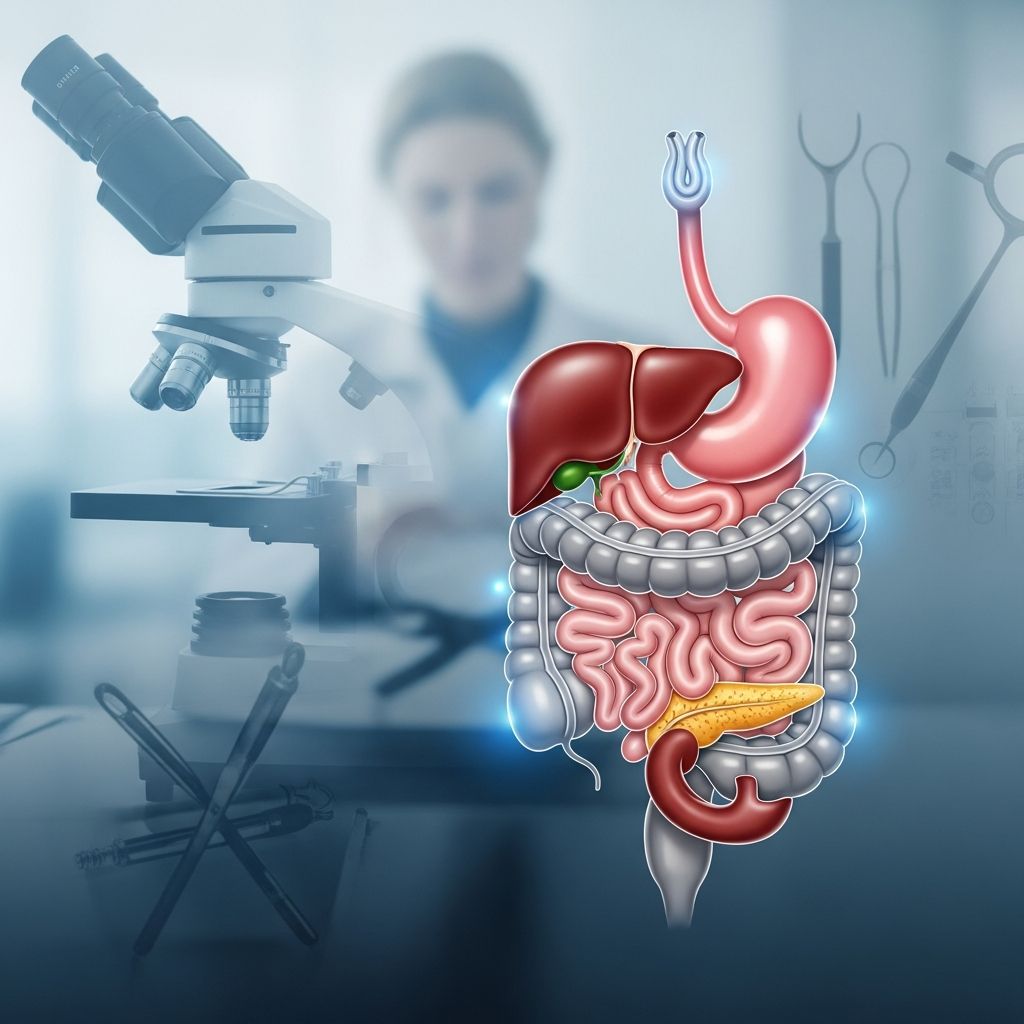
A gastroenterologist is a medical doctor who specializes in diseases and disorders affecting the digestive system, also known as the gastrointestinal (GI) tract. These specialists have extensive training and expertise in diagnosing, treating, and managing conditions that affect all organs involved in digestion, including the esophagus, stomach, small intestine, large intestine, liver, pancreas, and biliary system. Gastroenterologists undergo years of specialized education beyond medical school to develop their expertise in this specific field of medicine.
The digestive system is complex and requires specialized knowledge to properly evaluate and treat the numerous conditions that can affect it. Gastroenterologists combine clinical expertise with advanced diagnostic tools to provide comprehensive care for patients experiencing GI symptoms or those diagnosed with digestive disorders.
Education and Training Requirements
To become a gastroenterologist, physicians must complete several levels of training. First, they earn their medical degree through either an MD or DO program, which typically takes four years. Following medical school, physicians complete a three-year internal medicine residency to develop broad medical knowledge and clinical skills. After completing their residency, aspiring gastroenterologists pursue a specialized fellowship in gastroenterology and hepatology, which generally lasts three years and is accredited by the American Council for Graduate Medical Education (ACGME).
During their fellowship training, gastroenterologists receive comprehensive education in patient care, medical knowledge, practice-based learning, communication skills, professionalism, and systems-based practice. This rigorous training ensures they are well-equipped to handle the full spectrum of digestive diseases in both inpatient and outpatient settings. Many gastroenterologists also pursue additional specialized training in subspecialties such as hepatology, inflammatory bowel disease, motility disorders, or pancreatic and biliary diseases.
Conditions Gastroenterologists Treat
Gastroenterologists manage a wide range of conditions affecting the digestive system. These conditions can be acute or chronic, and may present with various symptoms that require expert evaluation and management. Below are some of the major conditions that gastroenterologists treat:
Upper Gastrointestinal Disorders
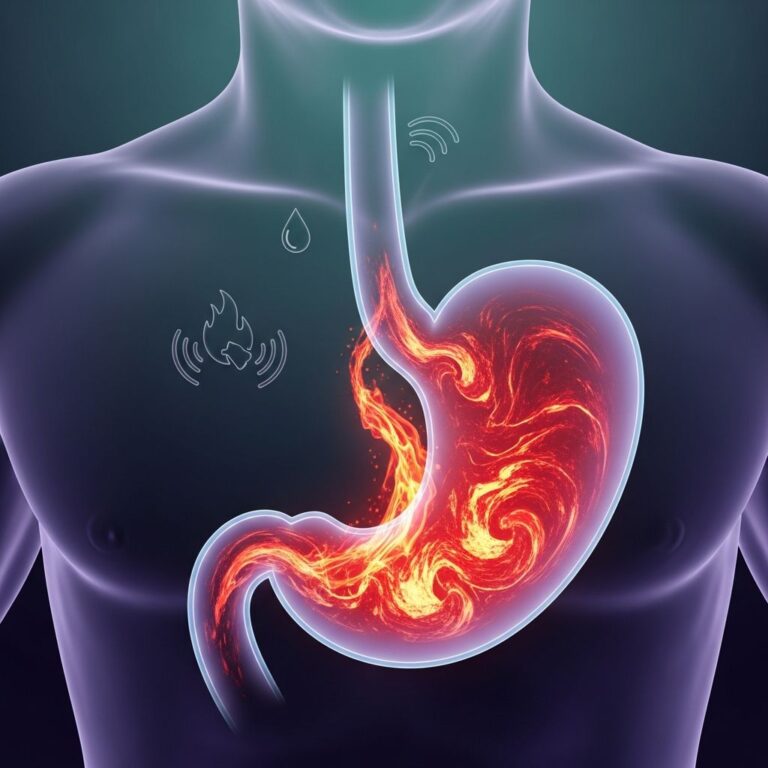
Gastroenterologists treat conditions affecting the esophagus, stomach, and upper small intestine. These include acid reflux disease (GERD), Barrett’s esophagus, peptic ulcer disease, gastric cancer, gastric polyps, swallowing disorders, and esophageal motility problems. They manage H. pylori infections, which can lead to ulcers and other complications. Conditions like gastroparesis, where the stomach empties too slowly, also fall under their expertise.
Lower Gastrointestinal Disorders
The lower GI tract includes the small intestine, colon, and rectum. Gastroenterologists treat inflammatory bowel disease (IBD), including Crohn’s disease and ulcerative colitis, colonic diverticular disease, infectious colitis, colorectal polyps, and colorectal cancer. They also manage chronic diarrhea, constipation disorders, and irritable bowel syndrome (IBS).
Liver and Pancreatic Diseases
Many gastroenterologists specialize in hepatology, treating liver diseases such as hepatitis, cirrhosis, fatty liver disease, and liver cancer. Pancreatic conditions including pancreatitis, pancreatic cancer, and pancreatic insufficiency also require gastroenterologist expertise. They manage biliary disorders affecting the gallbladder and bile ducts.
Other GI Conditions
Gastroenterologists treat malabsorption disorders, eosinophilic gastroenteritis, radiation-induced GI damage, AIDS-related diarrheal illnesses, and unexplained weight loss. They address nutritional deficiencies resulting from GI disorders and work with nutritionists to optimize patient outcomes.
When Should You See a Gastroenterologist?
You should consider scheduling an appointment with a gastroenterologist if you experience persistent or concerning digestive symptoms. Your primary care physician may refer you to a gastroenterologist, or you may request a consultation directly. Common reasons to see a gastroenterologist include:
Related Stories



Chronic or Persistent Symptoms
If you have experienced chronic diarrhea, constipation, abdominal pain, or nausea lasting more than a few weeks, a gastroenterologist can help identify the underlying cause. Unexplained weight loss, difficulty swallowing, or persistent heartburn that doesn’t respond to over-the-counter medications warrant professional evaluation.
Family History
If you have a family history of colorectal cancer, IBD, or other digestive diseases, you may benefit from preventive screening and surveillance by a gastroenterologist, even if you don’t currently have symptoms.
Preventive Screening
Gastroenterologists perform colonoscopies for colorectal cancer screening in adults starting at age 45 (or earlier if risk factors exist). They also perform upper endoscopy screening for those with risk factors for esophageal or gastric cancer.
Management of Known Conditions
If you have been diagnosed with a GI condition such as IBD, GERD, Barrett’s esophagus, or liver disease, regular follow-up with a gastroenterologist is essential for optimal management and disease monitoring.
Diagnostic Procedures Performed by Gastroenterologists
Gastroenterologists utilize sophisticated diagnostic tools to evaluate the digestive system. These minimally invasive procedures allow direct visualization and sampling of the GI tract, providing crucial diagnostic information.
Endoscopy Procedures
Upper endoscopy (esophagogastroduodenoscopy) involves inserting a thin, flexible tube with a camera down the throat to visualize the esophagus, stomach, and upper small intestine. This procedure allows gastroenterologists to identify ulcers, inflammation, polyps, or cancers and obtain tissue samples if needed.
Colonoscopy examines the entire colon and rectum using a similar flexible tube inserted through the rectum. Colonoscopy is the gold standard for colorectal cancer screening and allows for removal of polyps during the procedure.
Sigmoidoscopy examines only the lower portion of the colon and is sometimes used for screening or evaluation of lower GI symptoms.
Advanced Imaging Techniques
Capsule endoscopy allows visualization of the small intestine, which is difficult to reach with conventional endoscopes. A patient swallows a small capsule containing a camera that transmits images as it travels through the digestive tract. This technique is particularly useful for evaluating bleeding sources or inflammatory conditions of the small bowel.
Endoscopic ultrasound (EUS) combines endoscopy with ultrasound imaging to provide detailed images of the GI tract and surrounding organs. This helps evaluate pancreatic and biliary diseases, submucosal lesions, and obtain tissue samples from deep within the GI wall.
Endoscopic retrograde cholangiopancreatography (ERCP) is used to diagnose and treat disorders of the bile ducts and pancreatic ducts. It combines endoscopy with X-ray imaging and allows for therapeutic interventions such as stone removal or stent placement.
Functional Testing
Gastroenterologists order and interpret various functional tests including esophageal manometry to assess swallowing function, 24-hour pH testing to evaluate acid reflux, anorectal manometry to assess bowel function, and breath testing to diagnose small intestinal bacterial overgrowth or lactose intolerance.
Treatment Options and Innovations
Beyond diagnostics, gastroenterologists provide comprehensive treatment for digestive diseases using both medical and procedural approaches. Cleveland Clinic gastroenterologists perform tens of thousands of minimally invasive procedures annually. Innovative treatment options include cryoablation for Barrett’s esophagus, where precise freezing destroys precancerous tissue, and various endoscopic therapies for inflammatory bowel disease.
For conditions like pancreatic and biliary stones, gastroenterologists may perform extracorporeal or intraductal lithotripsy to break up stones before removal. Many advanced procedures can now be performed endoscopically, reducing the need for traditional surgery and allowing patients faster recovery times.
Nutrition and Lifestyle Management
Gastroenterologists recognize that nutrition plays a crucial role in managing digestive disorders. Many gastroenterology centers employ specialized nutritionists who work with patients to develop dietary strategies that minimize symptoms and optimize nutritional intake. This may include recommendations for dietary modifications, nutritional supplements, or specialized feeding approaches for patients with severe malabsorption or nutritional deficiencies.
Subspecialties Within Gastroenterology
As the field has evolved, many gastroenterologists pursue additional training in subspecialty areas. These subspecialties allow for deeper expertise in specific areas of digestive medicine:
Hepatology: Specialists in liver diseases, managing conditions like hepatitis, cirrhosis, and liver transplant evaluation.
Inflammatory Bowel Disease: Experts focused on Crohn’s disease and ulcerative colitis management.
Motility Disorders: Specialists who treat swallowing disorders, gastroparesis, and IBS.
Pancreaticobiliary Diseases: Experts in pancreatic and bile duct disorders, including ERCP specialists.
Colorectal Surgery: Some gastroenterologists pursue additional training to manage complex colorectal conditions surgically.
What to Expect During Your Visit
When you visit a gastroenterologist, they will take a detailed medical history, including your symptoms, when they started, what makes them better or worse, and any relevant family history. They will perform a physical examination focusing on your abdomen. Based on this evaluation, they may order diagnostic tests or schedule procedures to further investigate your condition.
If a procedure is planned, your gastroenterologist will discuss what to expect, any necessary preparation (such as fasting or bowel cleansing), and potential risks and benefits. After the procedure, they will discuss findings and develop a treatment plan tailored to your specific condition.
Frequently Asked Questions
Q: How often should I see a gastroenterologist?
A: The frequency depends on your specific condition and risk factors. For preventive screening, most adults should have a colonoscopy every 10 years starting at age 45. Those with existing digestive conditions may need more frequent visits for monitoring and management.
Q: Do I need a referral to see a gastroenterologist?
A: This depends on your insurance plan. Some plans require a referral from your primary care physician, while others allow direct access to specialists. Check with your insurance provider to understand your specific requirements.
Q: Are endoscopy procedures painful?
A: No, endoscopy procedures are not painful. Patients are typically sedated during the procedure, and the tube is flexible and smaller than you might expect. Most patients tolerate procedures well with minimal discomfort.
Q: Can gastroenterologists treat all digestive problems?
A: Gastroenterologists treat most digestive disorders, but some conditions may require coordination with other specialists such as surgeons for severe cases requiring surgery or other medical specialties for complex systemic diseases.
Q: What is the difference between a gastroenterologist and a colorectal surgeon?
A: Gastroenterologists are medical doctors who diagnose and treat GI disorders medically and with endoscopic procedures. Colorectal surgeons are surgical specialists who perform operations on the colon, rectum, and anus, though they often work closely with gastroenterologists.
References
- General Gastroenterology — Cleveland Clinic. 2024. https://my.clevelandclinic.org/departments/digestive/depts/general-gastroenterology
- What is a Gastroenterologist? When to See One & What They Treat — Cleveland Clinic. 2024. https://my.clevelandclinic.org/health/articles/24198-gastroenterologist
- Gastroenterology & Hepatology Fellowship — Cleveland Clinic. 2024. https://my.clevelandclinic.org/departments/digestive/medical-professionals/education/gastroenterology-hepatology-fellowship
- Stomach: Anatomy, Function, Diagram, Parts Of, Structure — Cleveland Clinic. 2024. https://my.clevelandclinic.org/health/body/21758-stomach
Similar Articles








Read full bio of medha deb