Gluten: What It Is And Who Should Avoid It, Complete Guide
Understanding gluten: sources, effects, and who needs to avoid it for optimal health.

What Is Gluten and What Does It Do?
Gluten is a naturally occurring protein found in certain grains that has become increasingly discussed in health and nutrition conversations. Whether due to medical necessity or lifestyle choice, understanding gluten—what it is, where it comes from, and how it affects your body—is important for making informed dietary decisions. This guide explores the science behind gluten, its sources, its effects on the human body, and when avoidance becomes medically necessary.
Understanding Gluten: Definition and Source
Gluten is a protein composite that occurs naturally in specific grain crops. It consists of certain proteins found predominantly in wheat, barley, and rye. These grains have been staple foods in human diets for thousands of years, making gluten consumption a normal part of eating patterns across many cultures. The protein plays a structural role in these grains and contributes to the elastic texture and rise in baked goods, which is why it has been utilized extensively in food manufacturing.
What many people don’t realize is that gluten extends beyond the obvious sources. While it naturally occurs in wheat-based products—breads, cereals, pasta, and baked goods—it also appears in less unexpected places. Gluten can be found in salad dressings, vanilla extract, soy sauce, condiments, and numerous processed foods. Some manufacturers add gluten-containing ingredients as thickeners or binders, making it essential to read nutrition labels carefully. This hidden presence means that wheat-free products may still contain gluten from other grain sources, highlighting an important distinction: being wheat-free does not necessarily mean being gluten-free.
How Gluten Affects the Body
For most people, gluten is simply a protein that passes through the digestive system without causing problems. However, in individuals with specific medical conditions, gluten triggers an immune response that can damage the digestive tract and affect various body systems.
Celiac Disease: An Autoimmune Reaction
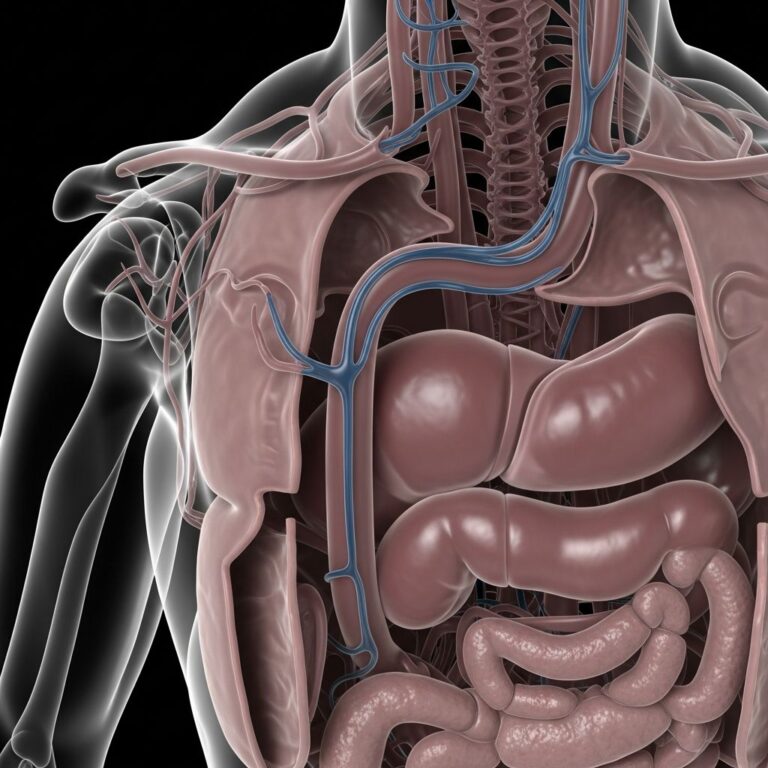
Celiac disease is an autoimmune disorder that affects approximately 1% of the population. In this condition, consuming gluten causes the immune system to attack the small intestine, mistakenly treating gluten as a harmful invader. This immune response damages the villi—small finger-like structures in the small intestine responsible for nutrient absorption—leading to villous atrophy and significantly reduced nutrient uptake.
The symptoms of celiac disease vary widely among individuals and can range from mild to severe. Common gastrointestinal symptoms include abdominal pain, bloating, diarrhea, constipation, and malabsorption issues. Beyond the digestive tract, celiac disease can cause fatigue, anemia, bone loss, and in severe cases, complications affecting multiple organ systems. The condition is characterized by the presence of specific antibodies against tissue transglutaminase (tTG) and endomysium (EMA), which medical professionals use to diagnose the disease.
Non-Celiac Gluten Sensitivity
Distinct from celiac disease is non-celiac gluten sensitivity (NCGS), a condition that affects a significantly larger portion of the population—approximately six times more people than have celiac disease. Gluten sensitivity represents a different immune-mediated reaction compared to celiac disease. People with gluten sensitivity do not develop villous atrophy or produce antibodies to tTG or EMA. Instead, they may test positive for antibodies to gliadin and experience a different type of immune response characterized by activation of the innate immune system rather than the adaptive immune system.
Related Stories



Research indicates that in a population of individuals reporting abdominal symptoms after gluten consumption, the breakdown was revealing: only 9% had celiac disease, 8% had latent celiac disease, 20% had a cereal allergy, and 63% had neither celiac disease nor a classical allergy—suggesting gluten sensitivity as the cause. Individuals with gluten sensitivity experience similar digestive discomfort and symptoms to those with celiac disease but without the intestinal damage characteristic of the autoimmune condition.
Gluten Allergy
A wheat or gluten allergy is distinct from both celiac disease and gluten sensitivity. This IgE-mediated allergic reaction can cause immediate symptoms ranging from mild itching to severe anaphylaxis. True allergies to wheat or gluten are less common than gluten sensitivity or celiac disease but require similar avoidance strategies.
Beyond Gastrointestinal Effects: Neurologic and Psychiatric Manifestations
Recent research has expanded our understanding of gluten’s effects beyond the digestive system. Individuals with gluten-mediated disorders can experience neurologic and psychiatric symptoms that may be overlooked or attributed to other causes.
Neurologic Complications
Several neurologic conditions have been associated with gluten sensitivity and celiac disease. Gluten ataxia, a condition characterized by loss of coordination and balance, has been documented in gluten-sensitive individuals. Studies have demonstrated that patients with gluten ataxia and neuropathy experience significant relief of their symptoms after maintaining a gluten-free diet for one year. In fact, screening for celiac disease and gluten sensitivity is now considered beneficial for patients presenting with ataxias and neuropathies of unknown origin.
Additionally, some individuals with gluten-related disorders experience seizure activity. Research has shown that patients presenting with the triad of seizures, gluten sensitivity or celiac disease, and cortical calcifications demonstrated significant reduction in seizure activity after adopting a gluten-free diet. For optimal outcomes, the earlier an individual begins a gluten-free diet, the better managed their seizure activity tends to be.
Psychiatric Manifestations
Perhaps more surprising to many is the documented connection between gluten consumption and psychiatric symptoms. Historical research dating back to 1966 demonstrated that schizophrenia prevalence was lower in areas with lower grain consumption. Studies have shown that a gluten- and dairy-free diet improved schizophrenic symptoms in some patients, with those on a gluten-free diet transitioning to non-locked wards more quickly than those who continued consuming gluten.
In clinical trials examining the impact of gluten on psychiatric symptoms, researchers found significant improvements in psychopathology measures when patients adopted a gluten-free diet. One notable case study documented a patient with severe psychiatric symptoms who, after six months on a gluten-free diet, no longer showed hypoperfusion on brain imaging scans (SPECT), had her psychiatric symptoms resolve completely, and was able to discontinue antipsychotic medications—remaining symptom-free at one-year follow-up.
Who Should Avoid Gluten?
Medical Necessity for Gluten Avoidance
Individuals with diagnosed celiac disease must strictly avoid gluten consumption. Even trace amounts of gluten can trigger an immune response that damages the intestinal lining. For these individuals, gluten avoidance is not a lifestyle choice but a medical necessity. Attacks can sometimes be triggered by extremely small amounts of gluten, making vigilance essential.
Similarly, people with non-celiac gluten sensitivity must avoid gluten to prevent their symptoms and maintain quality of life. While the intestinal damage differs from celiac disease, the symptoms can be equally debilitating.
Gluten-Free as a Lifestyle Choice
In recent years, gluten-free living has become increasingly popular, with some individuals adopting the diet without a diagnosed medical condition. While it’s not inherently healthier for everyone to avoid gluten, some people report feeling better without it in their diet—potentially indicating an undiagnosed sensitivity. However, the trend has created both benefits and challenges. The positive aspect is increased availability of gluten-free products and restaurant options, benefiting those with medical necessity. The challenge lies in ensuring that those with genuine medical needs are taken seriously and accommodated properly in social and dining settings.
Managing a Gluten-Free Diet
Reading Labels and Hidden Gluten
One of the greatest challenges in maintaining a gluten-free diet is identifying hidden sources of gluten. Manufacturers sometimes use terms that obscure the presence of gluten in ingredient lists, making it extremely difficult to avoid the protein. Understanding that wheat-free does not mean gluten-free is crucial—other grains like barley and rye still contain gluten.
Individuals following a gluten-free diet must develop literacy in reading nutrition labels and understanding food manufacturing practices. Cross-contamination is another significant concern; foods prepared in shared facilities or using shared utensils may contain traces of gluten despite not containing gluten-containing ingredients.
Finding Gluten-Free Options
The expansion of gluten-free awareness has led to increased availability of safe options. Many food brands now offer gluten-free products, and restaurants are increasingly accommodating dietary restrictions. When dining out or purchasing processed foods, it’s important to verify that items are genuinely gluten-free and prepared to avoid cross-contamination. For those in institutional settings like college campuses or hospitals, dedicated gluten-free preparation areas and clearly labeled gluten-free options are becoming more common, though the situation varies by location.
Key Distinctions: Understanding the Differences
| Condition | Mechanism | Intestinal Damage | Antibodies Present | Prevalence |
|---|---|---|---|---|
| Celiac Disease | Autoimmune response | Yes (villous atrophy) | tTG, EMA antibodies | ~1% of population |
| Non-Celiac Gluten Sensitivity | Innate immune response | No | Anti-gliadin antibodies | ~6x more common than celiac |
| Wheat/Gluten Allergy | IgE-mediated allergic reaction | No | IgE antibodies to wheat proteins | Less common than sensitivity |
Frequently Asked Questions
Q: Is gluten bad for everyone?
A: No. For most people, gluten is a harmless protein that passes through the digestive system without causing problems. Only individuals with celiac disease, gluten sensitivity, or wheat allergies need to avoid it.
Q: Can gluten be found in non-grain products?
A: Yes. While gluten naturally occurs in wheat, barley, and rye, it can appear in unexpected products like salad dressings, soy sauce, vanilla extract, and various processed foods as a thickener or binder.
Q: What’s the difference between celiac disease and gluten sensitivity?
A: Celiac disease is an autoimmune condition that damages the small intestine and produces specific antibodies (tTG and EMA). Gluten sensitivity is a different immune response that doesn’t cause intestinal damage or produce the same antibodies.
Q: Can a gluten-free diet help with weight loss?
A: While some people report feeling better on a gluten-free diet, it’s not inherently a weight loss diet. Gluten-free products are sometimes higher in calories and sugar than their gluten-containing counterparts.
Q: How long does it take to feel better on a gluten-free diet?
A: This varies by individual. Some people notice symptom improvement within days or weeks, while others may take months to experience significant changes. For celiac disease, intestinal healing can take years of strict gluten avoidance.
Q: Can someone outgrow gluten sensitivity?
A: Celiac disease is a lifelong condition that cannot be outgrown. The same applies to wheat and gluten allergies. However, individuals should work with healthcare providers to confirm their specific condition and dietary needs.
References
- Neurologic and Psychiatric Manifestations of Celiac Disease and Gluten Sensitivity — National Center for Biotechnology Information (NCBI). 2012-09-10. https://pmc.ncbi.nlm.nih.gov/articles/PMC3641836/
- Misconceptions About Being Gluten-Free — Johns Hopkins Newsletter. 2015-09-01. https://www.jhunewsletter.com/article/2015/09/misconceptions-about-being-gluten-free
- Celiac Disease and Type 1 Diabetes — Johns Hopkins Guides. 2024. https://www.hopkinsguides.com/hopkins/view/Johns_Hopkins_Diabetes_Guide/547026/all/Celiac_Disease_and_Type_1_Diabetes
Similar Articles








Read full bio of medha deb