What Is a Gluten-Free Diet: Complete Guide
Understand gluten-free living: foods to eat, avoid, and how to manage celiac disease nutritionally.
Understanding Gluten and Why It Matters
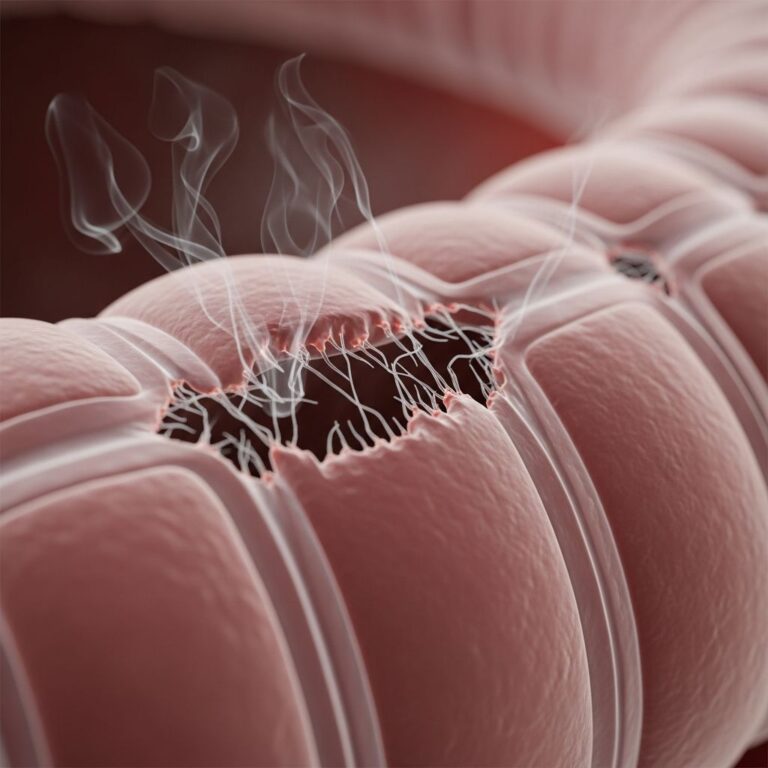
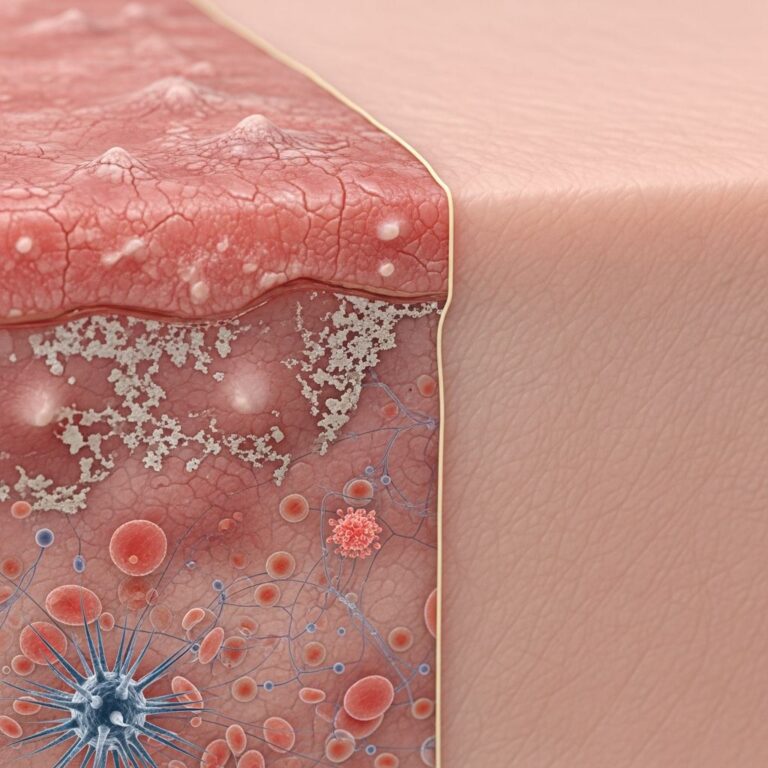
A gluten-free diet is a nutritional approach that completely eliminates gluten, a complex protein found primarily in three cereal grains: wheat, rye, and barley. For individuals diagnosed with celiac disease, non-celiac gluten sensitivity, or wheat allergy, avoiding gluten is not simply a dietary preference—it is a medical necessity that prevents serious health complications. Gluten triggers an immune response in people with celiac disease, damaging the small intestine and interfering with nutrient absorption. Understanding what gluten is and where it hides in foods is the first step toward successfully managing a gluten-free lifestyle.
The gluten-free market has experienced remarkable growth over the past decade, expanding from a niche category to a multibillion-dollar industry. This expansion reflects both increased diagnosis rates of celiac disease and growing awareness among the general population about gluten’s potential effects on health and wellness. However, it is crucial to distinguish between those who must avoid gluten for medical reasons and those who choose to do so for other reasons.
Common Foods That Contain Gluten
Understanding which foods naturally contain gluten is essential for anyone following a gluten-free diet. While wheat is the most obvious source, gluten appears in many unexpected places throughout the food supply. Being vigilant about reading labels and understanding food preparation methods can help prevent accidental gluten consumption.
Obvious Sources of Gluten
The primary grains containing gluten include wheat, rye, and barley. Foods made from these grains that contain gluten include:
- Bread, rolls, and other baked goods made with wheat flour
- Pasta and noodles unless specifically labeled gluten-free
- Cereals and breakfast items containing wheat, barley, or rye
- Flour and flour-based products
- Cookies, cakes, and pastries made with wheat flour
- Beer and certain alcoholic beverages (beer is typically brewed from barley)
- Some sauces and gravies thickened with wheat flour
Hidden Sources of Gluten
Beyond obvious grain-based products, gluten can hide in processed foods, condiments, and unexpected items. These hidden sources often catch people off guard:
- Soy sauce and tamari (unless labeled gluten-free)
- Worcestershire sauce
- Salad dressings and marinades
- Processed meats and deli products containing fillers
- Seasoning blends and spice mixes
- Soup broths and bouillon cubes
- Sauces and condiments used as thickeners
- Some medications and supplements
- Lipstick and other cosmetic products
Naturally Gluten-Free Foods You Can Enjoy
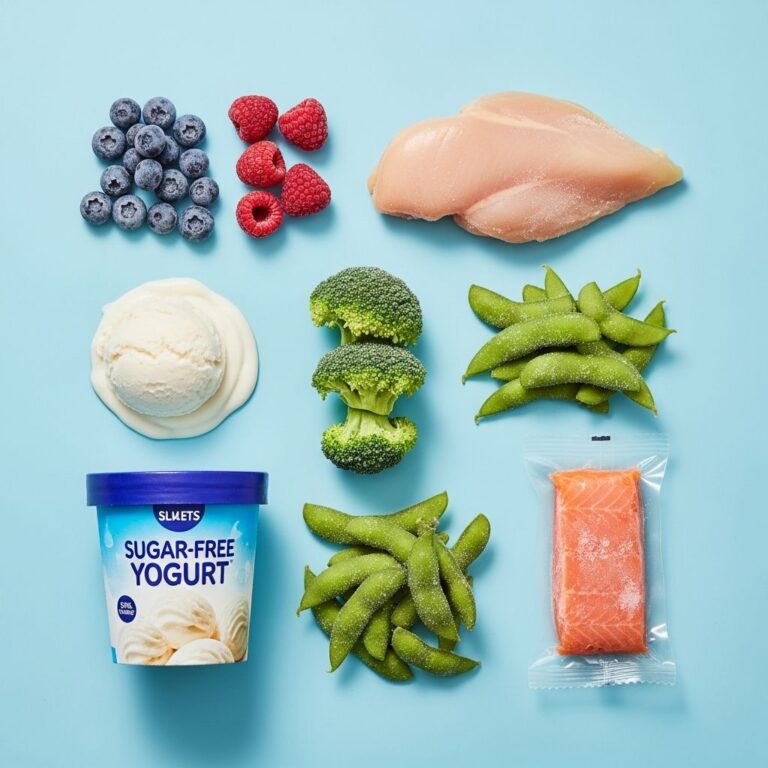
The good news for those following a gluten-free diet is that many whole, unprocessed foods are naturally gluten-free. Fresh foods form the foundation of a healthy gluten-free lifestyle and provide essential nutrients without the worry of hidden gluten contamination.
Proteins and Dairy
Building your diet around naturally gluten-free protein sources ensures you receive adequate nutrition while remaining safely gluten-free:
- Fresh fish and seafood
- Poultry (chicken, turkey, duck)
- Meats (beef, pork, lamb)
- Eggs
- Milk and cheese
- Yogurt (plain, unsweetened varieties)
- Legumes (beans, lentils, peas)
- Nuts and seeds
Fruits and Vegetables
All fresh fruits and vegetables are naturally gluten-free and should form a significant portion of your daily intake:
Related Stories



- All fresh fruits (apples, bananas, berries, citrus, etc.)
- All fresh vegetables (spinach, broccoli, carrots, peppers, etc.)
- Potatoes (in all forms)
- Sweet potatoes
Grains and Starches
While wheat, rye, and barley must be avoided, many other grains and starchy foods are naturally gluten-free:
- Rice and rice products
- Corn and corn products
- Potatoes and potato starch
- Quinoa
- Amaranth
- Millet
- Tapioca
- Certified gluten-free oats (oats are naturally gluten-free but often contaminated during processing)
Gluten-Free Alternatives and Substitutes
Living gluten-free does not mean giving up your favorite foods. The expansion of the gluten-free market has created numerous alternatives to traditional gluten-containing products, making it easier than ever to maintain a varied and enjoyable diet.
Bread and Grain Alternatives
Specialty gluten-free bread, pasta, and grain products are now widely available in most supermarkets:
- Gluten-free bread made from rice flour, almond flour, or other alternative flours
- Gluten-free pasta made from corn, rice, quinoa, or chickpea flour
- Gluten-free cereals
- Gluten-free baked goods and desserts
Flour Substitutes for Baking
If you enjoy baking, numerous gluten-free flour options allow you to create delicious homemade treats:
- Rice flour
- Almond flour
- Coconut flour
- Chickpea flour
- Tapioca flour
- Cornmeal
- Pre-made gluten-free flour blends
Reading Labels and Identifying Hidden Gluten
Successfully maintaining a gluten-free diet requires becoming proficient at reading food labels and identifying potential gluten sources. Manufacturers must clearly label when products contain major allergens, but gluten labeling can be tricky because it is not always obvious which products contain it.
What to Look For on Labels
When shopping, examine labels carefully for these indicators of gluten content:
- The word “wheat” in the ingredient list
- References to barley, rye, or their derivatives
- Malt or malt flavoring (typically derived from barley)
- Statements like “may contain wheat” or “processed in a facility with wheat”
- Look for certified gluten-free labels from recognized organizations
Certified Gluten-Free Products
Many manufacturers now certify their products as gluten-free, providing reassurance to consumers. These certifications typically ensure that products contain less than 20 parts per million (ppm) of gluten, the standard threshold established by the FDA for labeling foods as gluten-free.
Nutritional Considerations for a Gluten-Free Diet
While eliminating gluten is necessary for managing celiac disease, individuals following a gluten-free diet must pay careful attention to ensuring they receive adequate nutrition. Some nutrients are naturally found in gluten-containing whole grains, so careful planning is needed to prevent deficiencies.
Potential Nutritional Challenges
When first transitioning to a gluten-free diet, some individuals may experience nutritional gaps:
- Fiber: Many gluten-free grain products contain less fiber than their wheat counterparts, so consuming adequate vegetables, fruits, and legumes is important
- Iron: Many wheat products are enriched with iron, so individuals following a gluten-free diet should consume iron-rich foods like red meat, poultry, beans, and fortified gluten-free products
- B Vitamins: Thiamine, riboflavin, niacin, and folate are often found in enriched wheat products; consuming whole grains and fortified gluten-free alternatives helps meet these needs
- Calcium and Vitamin D: Dairy products and fortified alternatives provide these essential nutrients
Strategies for Maintaining Good Nutrition
A well-planned gluten-free diet can be completely nutritious and provide all necessary vitamins and minerals:
- Focus on whole, unprocessed foods
- Include a variety of colorful fruits and vegetables daily
- Choose gluten-free whole grains and fortified grain products
- Include adequate protein from various sources
- Consider working with a registered dietitian familiar with gluten-free nutrition
- Discuss potential need for supplementation with your healthcare provider
Cross-Contamination: An Important Consideration
For individuals with celiac disease, even tiny amounts of gluten can trigger an immune response and damage the intestine. Cross-contamination—the unintended introduction of gluten-containing foods into gluten-free foods—is a significant concern both in food manufacturing and in home kitchens.
Preventing Cross-Contamination at Home
Practical steps can minimize the risk of accidental gluten exposure in your kitchen:
- Use separate cutting boards, toasters, and cooking utensils for gluten-free foods
- Store gluten-free foods on separate shelves
- Use clean hands and wash surfaces thoroughly after handling gluten-containing foods
- Use dedicated condiment jars to prevent bread crumbs or other gluten sources from contaminating them
- Thoroughly clean cookware and baking sheets between preparing gluten-containing and gluten-free foods
Restaurant and Social Eating
Eating out presents additional challenges, but clear communication can help:
- Inform servers and kitchen staff about your gluten-free needs
- Ask how foods are prepared and what ingredients are used
- Request that gluten-free meals be prepared separately from gluten-containing foods
- Choose restaurants experienced in handling dietary restrictions
- Keep quick gluten-free snacks available when traveling
Transitioning to a Gluten-Free Lifestyle
Making the switch to a gluten-free diet can feel overwhelming initially, but with planning and education, most people adapt successfully. The key is taking it one step at a time and gradually building knowledge about which foods are safe.
Starting Your Gluten-Free Journey
These steps can help ease your transition:
- Learn to read food labels carefully
- Stock your kitchen with naturally gluten-free whole foods
- Gradually replace favorite gluten-containing foods with gluten-free alternatives
- Experiment with new recipes and gluten-free products
- Connect with others following a gluten-free diet for support and recipes
- Work with a dietitian to ensure nutritional adequacy
Shopping for Gluten-Free Foods
Shopping for gluten-free products has become increasingly convenient. Most supermarkets now dedicate shelf space to gluten-free products, and online retailers offer extensive selections. Specialty shops and health food stores also cater to gluten-free consumers with comprehensive product offerings.
Where to Shop
- Traditional supermarkets with dedicated gluten-free sections
- Health food stores and specialty markets
- Online retailers offering delivery services
- Farmers markets for fresh, naturally gluten-free produce
Frequently Asked Questions About Gluten-Free Diets
Q: Is oatmeal gluten-free?
A: Oats are naturally gluten-free; however, they are often contaminated with wheat, barley, or rye during growing and processing. Certified gluten-free oats have been tested and verified to contain less than 20 ppm of gluten, making them safe for most people with celiac disease. Always choose certified gluten-free oats.
Q: Can I eat pizza on a gluten-free diet?
A: Yes, you can enjoy pizza using gluten-free crust alternatives. Many pizzerias now offer gluten-free crusts made from alternative flours. You can also make pizza at home using gluten-free flour blends or purchase pre-made gluten-free crusts from grocery stores.
Q: Are all soy sauces gluten-free?
A: Traditional soy sauce contains wheat and is not gluten-free. However, tamari is a wheat-free soy sauce alternative that is gluten-free. Always check labels to ensure your soy sauce or tamari is certified gluten-free.
Q: How long does it take to feel better after starting a gluten-free diet?
A: Many people with celiac disease notice symptom improvement within days to weeks of eliminating gluten. However, intestinal healing takes longer, typically several months to a year or more, depending on the severity of initial damage.
Q: Is gluten-free food more expensive?
A: Specialty gluten-free products can be more expensive than conventional alternatives. However, focusing on naturally gluten-free whole foods like fruits, vegetables, meat, and beans can keep costs down. As the gluten-free market expands, prices continue to become more competitive.
Q: Can I lose weight on a gluten-free diet?
A: Weight loss depends on overall calorie intake and food choices, not on gluten elimination itself. While some people lose weight after removing gluten due to improved digestion and nutrient absorption, a gluten-free diet does not automatically lead to weight loss. Focus on whole foods and portion control for weight management.
Q: What should I do if I accidentally consume gluten?
A: If you have celiac disease and consume gluten, you may experience symptoms ranging from mild digestive discomfort to severe gastrointestinal distress. The intestinal damage from gluten occurs regardless of symptoms. Ensure strict adherence to your gluten-free diet and contact your healthcare provider if you have concerns about accidental exposure.
Conclusion
A gluten-free diet is a medical necessity for individuals with celiac disease and beneficial for those with non-celiac gluten sensitivity or wheat allergy. While it requires vigilance and planning, living gluten-free is entirely manageable and increasingly convenient. By understanding which foods contain gluten, learning to read labels, focusing on naturally gluten-free whole foods, and taking steps to prevent cross-contamination, you can maintain a healthy, satisfying gluten-free lifestyle. Working with healthcare professionals and registered dietitians can help ensure you receive proper nutrition while avoiding gluten. With the expanding array of gluten-free products now available and growing awareness among restaurants and food manufacturers, living gluten-free has never been easier or more enjoyable.
References
- Dietary Changes for Celiac Disease — Johns Hopkins Medicine. 2019-11-19. https://www.hopkinsmedicine.org/health/conditions-and-diseases/celiac-disease/dietary-changes-for-celiac-disease
- Eating, Diet, and Nutrition for Celiac Disease — National Institute of Diabetes and Digestive and Kidney Diseases (NIDDK), U.S. Department of Health and Human Services. https://www.niddk.nih.gov/health-information/digestive-diseases/celiac-disease/eating-diet-nutrition
- Celiac Disease Pathogenesis — Crowe, S.E. United European Gastroenterology Journal. 2020-03-01. https://doi.org/10.1177/2050640620908460
- Gluten-Free Foods — Celiac Disease Foundation. https://celiac.org/gluten-free-living/gluten-free-foods/
- Overview and Pathogenesis of Celiac Disease — Kagnoff, M.F. Gastroenterology, vol. 128, no. 4. 2005-04-01. https://doi.org/10.1053/j.gastro.2005.02.008
- Celiac Disease: From Pathophysiology to Treatment — Parzanese, I., et al. World Journal of Gastrointestinal Pathophysiology, vol. 8, no. 2. 2017-05-15. https://doi.org/10.4291/wjgp.v8.i2.27
Similar Articles








Read full bio of medha deb