What Is Hemodynamics? Understanding Blood Flow
Learn how hemodynamics affects your cardiovascular health and blood circulation.
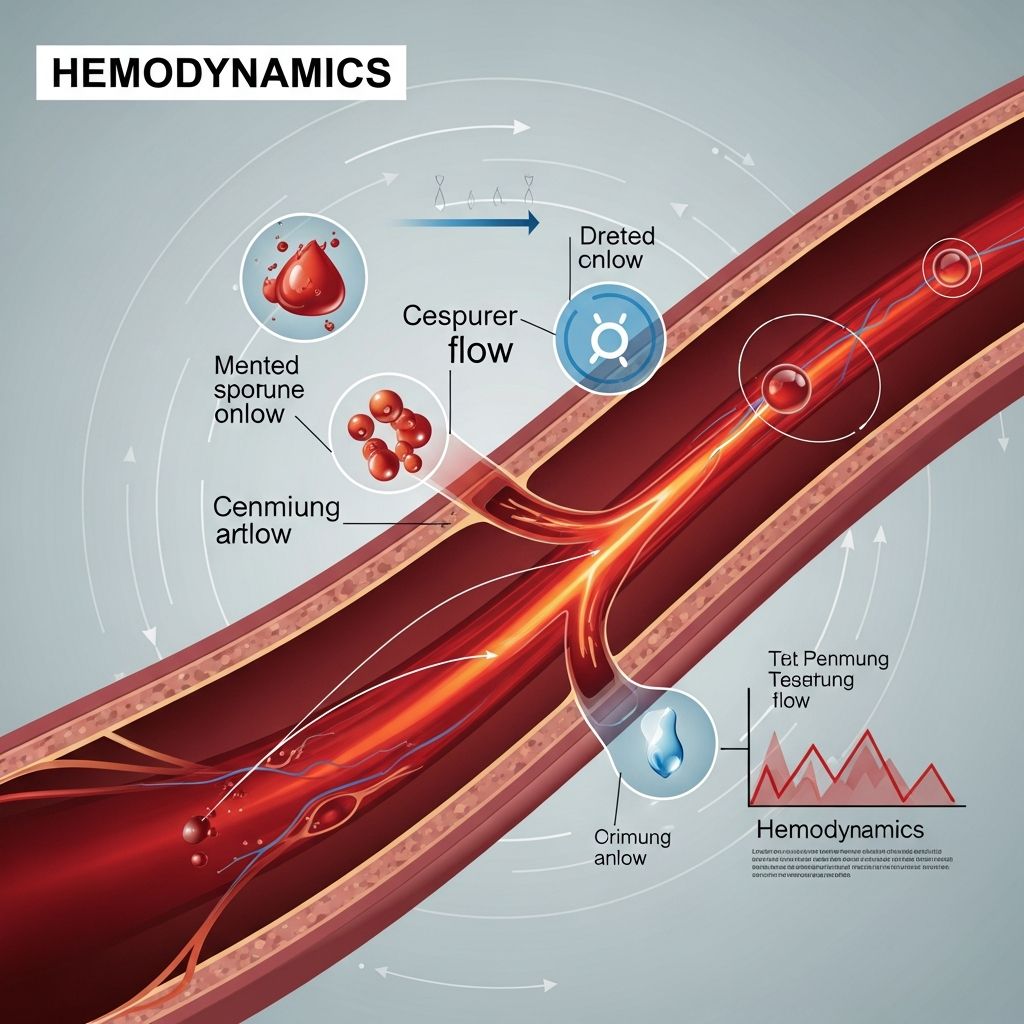
Hemodynamics is the study of how blood flows through your blood vessels and the factors that influence this movement. Your circulatory system constantly works to deliver oxygen and nutrients to every cell, tissue, and organ in your body. When hemodynamics function optimally, your cardiovascular system operates efficiently. However, when various factors disrupt this flow, it can lead to serious health complications that require medical intervention and management.
Understanding the Basics of Hemodynamics
At its core, hemodynamics examines the mechanics of blood circulation. Your heart acts as a pump, propelling blood through an intricate network of arteries, capillaries, and veins. The efficiency of this system depends on multiple interconnected factors working in harmony. Blood pressure, heart rate, vessel elasticity, and the viscosity of blood all play crucial roles in determining how effectively oxygen and nutrients reach your tissues.
The primary job of your circulatory system is to transport blood containing oxygen and vital nutrients to all of your body’s cells, tissues, and organs. When hemodynamics are compromised, this essential function becomes difficult and inefficient. Understanding these principles helps explain why certain cardiovascular conditions develop and how treatments can restore healthy blood flow.
Key Factors That Affect Your Blood Flow
Several interconnected elements determine how well blood moves through your circulatory system. These factors work together to maintain adequate perfusion—the delivery of blood to tissues—and must remain balanced for optimal cardiovascular health.
Heart Function and Cardiac Output
Your heart’s ability to pump blood effectively is fundamental to hemodynamics. Cardiac output, measured as the amount of blood your heart pumps per minute, directly impacts how much oxygen-rich blood reaches your tissues. When your heart weakens due to disease or damage, cardiac output decreases, reducing the body’s oxygen supply. This can trigger compensatory mechanisms that may initially maintain adequate perfusion but can eventually lead to organ dysfunction.
Blood Pressure and Vascular Resistance
Blood pressure represents the force exerted by blood against vessel walls as it circulates. Vascular resistance refers to the friction blood encounters as it flows through vessels. High blood pressure makes it harder for your heart to pump blood efficiently, requiring your heart to work overtime. Over time, this increased workload can damage the heart and blood vessels, creating a cycle of deteriorating hemodynamics.
Vessel Elasticity and Structure
The condition of your blood vessels significantly affects hemodynamics. Healthy arteries are elastic and can expand to accommodate blood flow, then contract to maintain pressure. When vessels become rigid or develop plaque buildup, they lose this flexibility, increasing resistance and compromising blood flow throughout your body.
Blood Viscosity and Composition
The thickness of your blood influences how easily it flows through vessels. Blood viscosity depends on factors like red blood cell count, plasma composition, and hydration status. Abnormalities in blood cell counts or clotting factors can alter viscosity and disrupt normal hemodynamic patterns.
Why Hemodynamics Matter for Your Health
Related Stories



Understanding hemodynamics is essential for maintaining cardiovascular health. When you comprehend how factors like high blood pressure affect your heart’s workload, it becomes clear why doctors recommend medications that relax blood vessels and reduce strain on your heart. By giving blood more room to flow, these treatments lower blood pressure and improve overall hemodynamics. This knowledge empowers patients to make informed decisions about their health and adhere to treatment plans.
Hemodynamic assessment helps healthcare providers evaluate your cardiovascular status comprehensively. Rather than focusing on blood pressure alone, physicians consider the entire picture of how your blood circulates. This holistic approach enables more accurate diagnoses and personalized treatment strategies tailored to your specific hemodynamic profile.
Conditions That Affect Hemodynamics
Any cardiovascular condition that impairs blood flow affects your hemodynamics. Several common conditions disrupt normal hemodynamic patterns and require medical management:
Heart Failure
When the heart cannot pump blood effectively, hemodynamics deteriorate rapidly. Heart failure can develop gradually or acutely, leading to reduced cardiac output and increased pressure backup in the lungs and systemic circulation. This condition requires careful hemodynamic monitoring to guide treatment decisions.
Coronary Artery Disease
Narrowed or blocked coronary arteries reduce blood supply to the heart muscle itself, compromising cardiac function and overall hemodynamic performance. This can trigger acute myocardial infarction (heart attack), a hemodynamic emergency requiring immediate intervention.
Valvular Heart Disease
Leaky or stenotic heart valves disrupt normal blood flow patterns. A leaking valve means not all blood gets where it’s supposed to go, creating hemodynamic inefficiency. Valvular dysfunction can develop from infection, degenerative changes, or congenital abnormalities.
Pulmonary Embolism
Blood clots in the lungs obstruct pulmonary blood flow, creating acute hemodynamic stress on the right heart and causing severe symptoms. This potentially life-threatening condition requires emergency assessment and treatment.
Hypertension and Hypotension
Both abnormally high and low blood pressure disrupt hemodynamic balance. Chronic hypertension damages blood vessels and strains the heart, while hypotension can cause inadequate tissue perfusion and organ dysfunction.
Cardiogenic Shock
Severe cardiac dysfunction can lead to cardiogenic shock, where the heart cannot pump enough blood to maintain adequate tissue perfusion and organ function. This critical condition requires intensive hemodynamic monitoring and aggressive intervention to prevent multiple organ failure.
Symptoms of Hemodynamic Problems
When hemodynamics become compromised, your body signals distress through various symptoms. Recognizing these warning signs prompts timely medical evaluation:
- Shortness of breath, especially during exertion or when lying flat
- Chest pain or discomfort
- Fainting or syncope episodes
- Dizziness or lightheadedness
- Fatigue and weakness
- Swelling in legs, ankles, or abdomen
- Rapid or irregular heartbeat
- Confusion or altered mental status
- Cold extremities or pale skin
Diagnostic Tests for Hemodynamic Assessment
Healthcare providers use various tests to measure and evaluate your hemodynamics. These diagnostic tools provide detailed information about blood flow and heart function, enabling accurate diagnosis and treatment planning.
Non-Invasive Hemodynamic Testing
Echocardiography uses ultrasound to visualize heart structure and function, revealing valve problems and measuring cardiac output. Electrocardiography (EKG) records electrical activity, detecting arrhythmias and ischemia. Blood pressure monitoring measures systemic perfusion pressure, while pulse oximetry assesses oxygen saturation levels.
Invasive Hemodynamic Monitoring
For critically ill patients or those requiring detailed assessment, invasive monitoring provides granular hemodynamic data. Pulmonary artery catheterization measures right atrial pressure, pulmonary artery pressures, and cardiac output directly. These measurements guide management of complex conditions like cardiogenic shock by providing information about right and left heart function, enabling providers to optimize inotropic support, assess device dependency, and evaluate the need for advanced therapies.
Hemodynamic Tilt Testing
Hemodynamic monitoring, also known as hemodynamic tilt testing or technetium hemodynamic testing, uses nuclear imaging to assess blood circulation. This specialized test helps identify causes of syncope and circulation disorders by measuring how much blood your heart pumps and how well it travels through blood vessels.
Cardiac Catheterization
This procedure involves threading a catheter through blood vessels to the heart, allowing direct measurement of pressures and blood flow. Coronary angiography reveals vessel blockages, while right and left heart catheterization assess chamber pressures and cardiac function comprehensively.
Clinical Applications of Hemodynamic Monitoring
Hemodynamic assessment has become increasingly important in guiding treatment decisions for patients with acute and chronic cardiovascular conditions. In cardiogenic shock, complete hemodynamic profiling helps identify the underlying cause—whether from acute myocardial infarction, acute heart failure, post-surgical complications, or other etiologies—and directs specific interventions.
Hemodynamic monitoring enables ongoing communication among interdisciplinary teams regarding management strategies. Information from hemodynamic assessment guides decisions about inotropic and vasoactive agent selection and titration, choice of advanced mechanical circulatory support devices, consideration for revascularization or other interventions, optimization of mechanical ventilation parameters, and assessment of fluid status for diuretic or renal replacement therapy.
How Hemodynamic Data Guides Treatment
Your provider uses hemodynamic information to create personalized treatment plans addressing your specific condition. If testing reveals a leaking heart valve, your provider may recommend repair or replacement surgery. If results show improved blood flow after starting new medications, your current treatment plan continues. If results demonstrate inadequate response, your provider may adjust medications, recommend additional procedures, or refer you to specialists.
Treatment decisions based on hemodynamic data are more precise and effective than approaches based on clinical signs and symptoms alone. Hemodynamic-guided management helps optimize outcomes and reduce complications in patients with heart failure, acute coronary syndromes, and cardiogenic shock.
Is Blood Pressure the Same as Hemodynamics?
No. Blood pressure is only part of what your provider considers when evaluating your hemodynamics. While blood pressure measures the force exerted by blood against vessel walls, hemodynamics encompasses a much broader assessment of cardiovascular function. Your provider evaluates cardiac output, vascular resistance, tissue perfusion, organ function, and numerous other factors when assessing your complete hemodynamic status. A patient may have normal blood pressure but abnormal hemodynamics due to reduced cardiac output or maldistribution of blood flow, while another patient with elevated blood pressure might have compensatory mechanisms maintaining adequate tissue perfusion.
Managing Your Hemodynamics
Several lifestyle modifications and medical interventions can improve hemodynamics:
- Regular aerobic exercise strengthens your heart and improves vascular function
- Maintaining a healthy weight reduces cardiac workload
- Limiting sodium intake helps control blood pressure
- Managing stress through relaxation techniques reduces sympathetic activation
- Avoiding smoking and excessive alcohol consumption preserves vessel elasticity
- Taking prescribed medications as directed optimizes hemodynamic parameters
- Attending follow-up appointments allows providers to monitor hemodynamic trends
Understanding Your Test Results
After hemodynamic testing, your provider should provide results within 10 to 14 days. You may need to take new or different medications based on findings. Your provider may refer you to other specialists—such as cardiologists, cardiac surgeons, or pulmonologists—to help manage your care. Additional testing may be ordered depending on initial results to obtain a complete hemodynamic assessment.
Frequently Asked Questions About Hemodynamics
Q: What happens during hemodynamic testing?
A: Hemodynamic testing procedures vary depending on the type ordered. Non-invasive tests like echocardiography use ultrasound or nuclear imaging without needles. Invasive tests involve catheter placement through blood vessels, with the main discomfort being the IV needle insertion. The procedure takes 30 minutes to several hours depending on complexity.
Q: Can hemodynamics be normal with heart disease?
A: Early-stage heart disease may not significantly alter hemodynamics at rest. However, hemodynamic abnormalities typically develop as disease progresses. Serial hemodynamic testing detects changes over time, enabling early intervention before severe dysfunction develops.
Q: How often should hemodynamics be monitored?
A: Monitoring frequency depends on your condition severity and treatment response. Acute conditions like cardiogenic shock require continuous hemodynamic monitoring. Chronic conditions may require periodic reassessment to guide therapy adjustments.
Q: Are there risks associated with hemodynamic testing?
A: Non-invasive testing carries minimal risk. Invasive procedures carry small risks including bleeding, infection, or vessel damage, but complications are uncommon in experienced centers with appropriate patient selection and monitoring.
Q: Can I prevent hemodynamic problems?
A: Yes. Maintaining healthy blood pressure, regular exercise, avoiding smoking, managing stress, limiting sodium, and maintaining healthy weight all support optimal hemodynamics. Managing chronic conditions like diabetes and high cholesterol also preserves hemodynamic function.
References
- Hemodynamic-based Assessment and Management of Cardiogenic Shock — National Institutes of Health, National Center for Biotechnology Information. 2024-10-25. https://pmc.ncbi.nlm.nih.gov/articles/PMC11588170/
- What Is Hemodynamics? — Cleveland Clinic. 2024. https://my.clevelandclinic.org/health/body/24013-hemodynamics
- Hemodynamic Monitoring — Cleveland Clinic. 2024. https://my.clevelandclinic.org/health/diagnostics/17094-hemodynamic-test
- Impact of Body Position on Hemodynamic Measurements During Exercise — National Institutes of Health, National Center for Biotechnology Information. 2024. https://pmc.ncbi.nlm.nih.gov/articles/PMC10784616/
- Hemodynamically, the Kidney is at the Heart of Cardiorenal Syndrome — Cleveland Clinic Journal of Medicine. 2018. https://www.ccjm.org/content/85/3/240
Similar Articles








Read full bio of Sneha Tete