What Is Histamine? Functions, Receptors & Health Effects
Understanding histamine: how this vital immune chemical regulates allergies, inflammation, and body functions.
Understanding Histamine: What It Is and Why It Matters
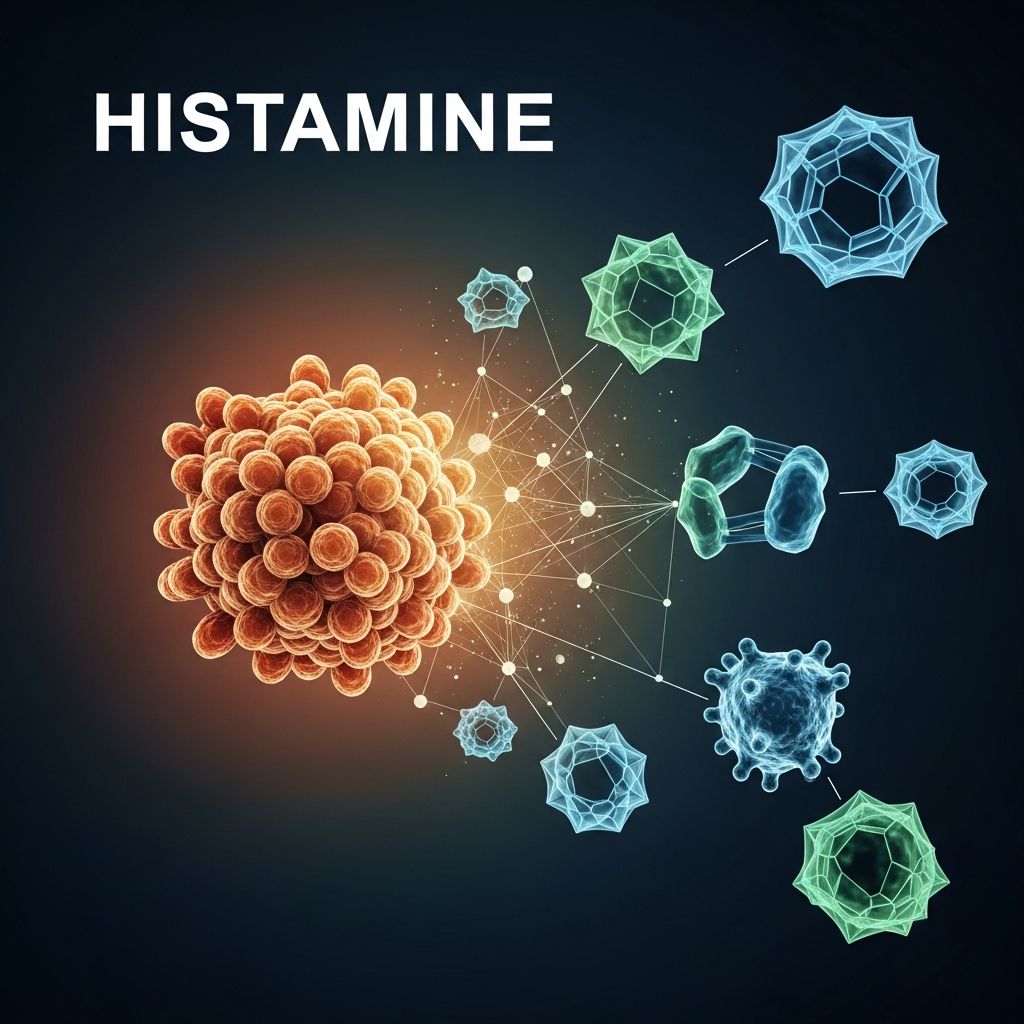
Histamine is a chemical messenger that your immune system produces and releases throughout your body. While most people associate histamine primarily with allergic reactions and the sneezing, itching, and congestion that accompany them, this important compound plays numerous critical roles in maintaining overall health and bodily function. Your body stores histamine in specialized cells and releases it in response to various triggers, affecting everything from your stomach acid production to your sleep-wake cycle.
Understanding what histamine is and how it functions can help you better comprehend allergic reactions, inflammatory responses, and conditions like histamine intolerance. Whether you experience seasonal allergies or have been diagnosed with a histamine-related condition, learning about this chemical’s multiple roles in your body is essential for managing your health effectively.
Where Histamine Is Stored in Your Body
Your body doesn’t produce histamine on demand; instead, it stores this chemical in specialized cells located throughout your body, ready to be released when needed. The primary storage locations for histamine are:
Mast Cells
Mast cells are a type of white blood cell that serves as your body’s primary histamine warehouse. These cells are present in connective tissues throughout your body, with particularly high concentrations in areas that interface with the external environment. You’ll find significant numbers of mast cells in your:
– Skin and subcutaneous tissues- Respiratory tract and lungs- Gastrointestinal tract- Around blood vessels- In mucous membranes
Basophils
Basophils represent another type of white blood cell that stores and releases histamine. Unlike mast cells, which remain in tissues, basophils circulate freely in your bloodstream. When your body encounters a trigger—whether an allergen, injury, or stress—both mast cells and basophils can release their stored histamine into surrounding tissues and the bloodstream.
The Four Types of Histamine Receptors
Histamine’s effects on your body depend entirely on which type of receptor it binds to. Researchers have identified four distinct histamine receptors, each triggering different physiological responses. Understanding these receptors helps explain why histamine can cause such varied symptoms depending on where it’s released and which receptors it activates.
H1 Receptors: Allergies and Beyond
H1 receptors are distributed throughout your body and are primarily responsible for the classic allergy symptoms you experience. When histamine binds to H1 receptors, it triggers:
– Itching and hives- Nasal congestion and sneezing- Watery eyes- Throat tightness- Wheezing and difficulty breathing
However, H1 receptors do more than just mediate allergic responses. They also help regulate sleep-wake cycles, appetite, body temperature, and pain perception. This is why antihistamine medications that target H1 receptors often cause drowsiness as a side effect—they interfere with the normal regulation of your sleep-wake cycle.
H2 Receptors: Stomach Acid and Cardiac Function
Related Stories



H2 receptors are concentrated primarily in the cells lining your stomach that produce gastric acid, as well as in smooth muscle cells and heart cells. When histamine activates H2 receptors, it leads to:
– Increased stomach acid production- Relaxation of smooth muscles- Changes in heart rate and blood pressure- Increased blood vessel permeability
This is why H2-receptor blockers are used to treat acid reflux and ulcers—they prevent histamine from stimulating excessive acid production in your stomach.
H3 Receptors: Brain Function and Neurotransmitter Regulation
H3 receptors are primarily found in neurons throughout your central nervous system and play a crucial role in maintaining the blood-brain barrier. These receptors regulate the release of histamine itself as well as other important neurotransmitters, including:
– Dopamine (involved in motivation and pleasure)- Norepinephrine (related to alertness and stress response)- Acetylcholine (essential for memory and learning)- Serotonin (affecting mood and well-being)
Because H3 receptors influence these critical neurotransmitters, they have significant effects on cognitive function, memory, appetite regulation, and emotional state.
H4 Receptors: Immune and Inflammatory Response
H4 receptors are the most recently discovered receptor type and are primarily involved in immune cell migration and inflammatory responses. These receptors play important roles in coordinating your body’s immune response and managing inflammation throughout your system.
Histamine’s Diverse Roles Beyond Allergies
While histamine is famous for its role in allergic reactions, this chemical messenger performs numerous essential functions that keep your body operating smoothly. These functions include:
Sleep Regulation
Histamine plays a crucial role in maintaining your circadian rhythm and promoting wakefulness. During the day, histamine levels naturally rise, helping you stay alert and focused. As evening approaches, histamine levels decline, allowing you to feel sleepy. This is why H1-receptor antagonists (antihistamines) often cause drowsiness—they interfere with this natural wakefulness-promoting mechanism.
Appetite Control
Histamine helps regulate your appetite and food intake. It acts on specific brain regions involved in hunger and satiety, helping to signal when you’ve eaten enough. Problems with histamine signaling can contribute to appetite dysregulation.
Gastric Acid Production
Through H2 receptors, histamine stimulates the production of stomach acid necessary for proper digestion. This acid breaks down food and activates digestive enzymes, making nutrient absorption possible.
Inflammation and Immune Response
Histamine regulates your body’s inflammatory response, helping to control how intensely and for how long inflammation persists. This is essential for fighting infections and healing injuries, though excessive histamine release can lead to problematic inflammation.
Blood Vessel Function
Histamine affects blood vessel permeability and diameter, influencing blood flow and blood pressure regulation. During allergic reactions, histamine causes blood vessels to dilate and become more permeable, leading to the characteristic swelling and flushing associated with allergies.
Sexual Function
Histamine plays a role in sexual arousal and response in both men and women, contributing to the physiological changes that occur during sexual activity.
Histamine’s Role in Allergic Conditions
Histamine plays a central role in several allergic and inflammatory conditions, including:
– Allergic rhinitis (hay fever)- Urticaria (hives)- Angioedema (swelling of deeper skin layers)- Allergic asthma- Food allergies- Drug allergies- Anaphylaxis (severe allergic reaction)
In these conditions, exposure to allergens triggers mast cells and basophils to rapidly release large amounts of histamine, causing the characteristic symptoms of an allergic reaction. Understanding this mechanism has led to the development of antihistamine medications that block histamine’s effects on specific receptors.
Understanding Histamine Intolerance
While histamine is essential for normal body function, problems arise when histamine accumulates to excessive levels in your system. Histamine intolerance occurs when you have abnormally high levels of histamine in your body that your system cannot adequately process. This condition differs from a true allergy, which involves an immune system reaction to a specific substance.
What Causes Histamine Intolerance
Histamine intolerance develops when your body cannot break down histamine efficiently. The primary enzyme responsible for histamine breakdown is diamine oxidase (DAO). Several factors can impair DAO function or reduce its levels:
– Genetic variations affecting enzyme production- Certain medications (antihistamines, antidepressants, NSAIDs, diuretics)- Underlying gastrointestinal conditions like Crohn’s disease or IBS- Nutritional deficiencies (particularly B vitamins)- Hormonal imbalances, particularly elevated estrogen
Symptoms of Histamine Intolerance
When histamine accumulates in your system, you may experience a variety of symptoms, including:
– Headaches and migraines- Flushing and facial redness- Itching and hives- Nasal congestion or runny nose- Digestive issues (bloating, diarrhea, constipation)- Fatigue and brain fog- Anxiety and mood changes- Tachycardia (rapid heart rate)- Low blood pressure- Joint pain and inflammation
Managing Histamine Intolerance
Healthcare providers recommend several approaches to manage histamine intolerance, including medications and dietary modifications. Antihistamine medications can help reduce symptoms by blocking histamine’s effects on receptors. Additionally, following a low-histamine diet—which limits foods naturally high in histamine and those that may inhibit DAO enzyme function—can help reduce symptom severity. However, it’s important to note that histamine intolerance is a complex condition, and management should be overseen by healthcare professionals.
Medications for Managing Histamine Levels
Several medication classes can help manage histamine levels and reduce associated symptoms:
Antihistamines
First-generation antihistamines like diphenhydramine cross the blood-brain barrier and often cause drowsiness. Second-generation antihistamines like cetirizine and fexofenadine are more selective for peripheral H1 receptors and cause less drowsiness.
H2-Receptor Blockers
Medications like famotidine and ranitidine block H2 receptors and are used to reduce stomach acid production, providing relief from acid reflux and ulcers.
Mast Cell Stabilizers
These medications prevent mast cells from releasing histamine in the first place, addressing the problem at its source rather than just blocking histamine’s effects.
Frequently Asked Questions
Q: Is histamine intolerance the same as a food allergy?
A: No. A food allergy involves an immune system reaction that can be detected through testing, while histamine intolerance is caused by the accumulation of histamine in your system due to poor breakdown. The conditions have different causes and require different management approaches.
Q: Can histamine intolerance develop suddenly?
A: Yes, histamine intolerance can develop suddenly or gradually, depending on the underlying cause. Changes in enzyme function, new medications, hormonal shifts, or the development of gastrointestinal conditions can all trigger its onset.
Q: What foods are highest in histamine?
A: Fermented foods, aged foods, cured meats, aged cheeses, and certain beverages like alcohol and vinegar tend to have high histamine levels. Fresh, unprocessed foods generally contain less histamine.
Q: Can vitamins help with histamine intolerance?
A: Yes. Vitamins B6 and B12 support the methylation process that helps break down histamine. Vitamin C acts as a natural antihistamine and enhances DAO enzyme activity. However, supplementation should be discussed with your healthcare provider.
Q: How is histamine intolerance diagnosed?
A: Diagnosis typically involves a trial elimination diet lasting four to eight weeks combined with symptom tracking. DAO enzyme levels can be measured, though this alone isn’t sufficient for diagnosis since other conditions can also lower DAO activity.
References
- What Is Histamine? — Cleveland Clinic. 2024. https://my.clevelandclinic.org/health/articles/24854-histamine
- Low Histamine Diet: What It Is — Cleveland Clinic Health. 2024. https://health.clevelandclinic.org/low-histamine-diet
- Histamine Intolerance: Causes, Symptoms & Treatment — Cleveland Clinic. 2024. https://my.clevelandclinic.org/health/diseases/histamine-intolerance
- The Low Histamine Diet — Cleveland Clinic Podcasts. 2024. https://my.clevelandclinic.org/podcasts/butts-and-guts/the-low-histamine-diet
- Appropriate Use of Second-Generation Antihistamines — Cleveland Clinic Journal of Medicine. 2007. https://www.ccjm.org/content/ccjom/67/5/372.full.pdf
- Antihistamine Types & Side Effects — Cleveland Clinic. 2024. https://my.clevelandclinic.org/health/treatments/antihistamines
Similar Articles








Read full bio of Sneha Tete