Holiday Heart Syndrome: Christmas Impact
Discover holiday heart syndrome risks from festive binge drinking and learn how to safeguard your heart this Christmas season.
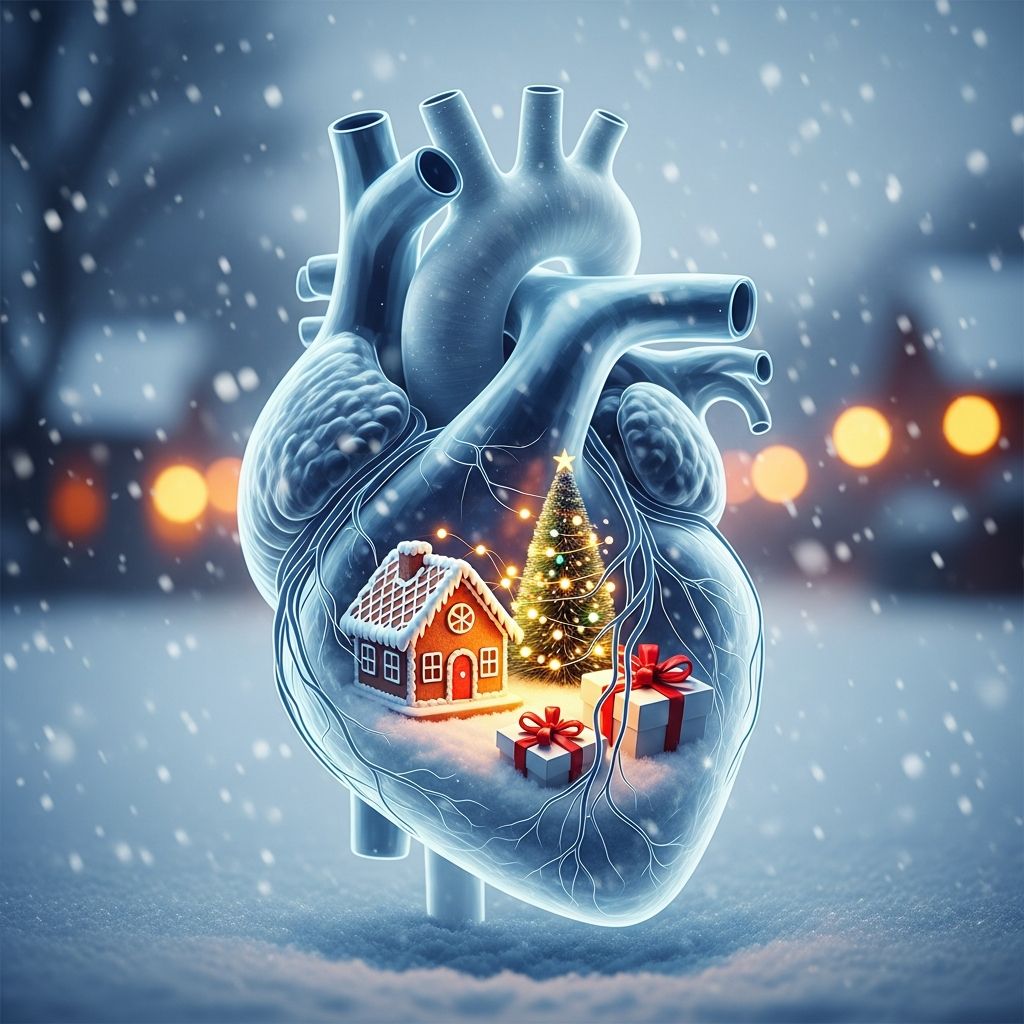
Holiday heart syndrome refers to acute cardiac arrhythmias, primarily atrial fibrillation, triggered by excessive alcohol consumption during holiday periods like Christmas. This condition, first identified in 1978, often affects even those without prior heart disease after binge drinking episodes common in festive celebrations.
What is holiday heart syndrome?
Holiday heart syndrome is a temporary disturbance in heart rhythm, most commonly manifesting as atrial fibrillation (AFib), following heavy alcohol intake. It earned its name from increased emergency room visits during December and January due to alcohol-related heart rhythm issues. Atrial fibrillation involves rapid, irregular quivering of the heart’s upper chambers (atria), disrupting efficient blood pumping and potentially leading to blood clots, stroke, or heart failure if prolonged.
Unlike chronic heart conditions, holiday heart syndrome typically resolves within 24 hours but can recur in about 26% of cases within a year. It highlights alcohol’s direct toxic effects on the heart, even in occasional drinkers. Surveys indicate 44% of U.S. drinkers binge (5+ drinks in one session), spiking during holidays.
Symptoms of holiday heart syndrome
Symptoms often emerge hours after binge drinking, during the ‘hangover phase,’ and include:
- Palpitations: Sensations of a racing, fluttering, pounding, or skipping heartbeat, the hallmark symptom.
- Shortness of breath: Difficulty breathing, worsening with activity or at rest.
- Chest pain or discomfort: Pressure, tightness, or pain, which may mimic a heart attack.
- Dizziness or lightheadedness: Feeling faint or unsteady, raising fall risks.
- Fatigue: Unusual tiredness or weakness beyond holiday exhaustion.
Other signs include anxiety, sweating, syncope (fainting), or precordial pain. Complications can escalate to stroke, cardiac arrest, dilated cardiomyopathy, rhabdomyolysis, or acute kidney injury. Seek immediate care if symptoms persist beyond a few hours or include severe chest pain, as AFib raises stroke risk fivefold.
Causes of holiday heart syndrome
The primary trigger is binge drinking, defined as 5+ standard drinks for men or 4+ for women in one sitting. Alcohol disrupts heart function through multiple mechanisms:
- Electrolyte imbalances: Diuretic effect causes dehydration and loss of potassium/magnesium, essential for heart electrical signals.
- Direct cardiotoxicity: Ethanol and acetaldehyde damage heart cells, alter calcium handling, and provoke oxidative stress.
- Autonomic nervous system shifts: Initial sympathetic surge (racing heart) followed by parasympathetic rebound promotes arrhythmias.
- Mechanical changes: Reduced left atrial emptying fraction facilitates AFib.
Additional holiday factors amplify risks: high-sodium meals causing fluid retention, caffeine/stimulants, sleep deprivation, stress, and overeating. Even non-regular drinkers face danger from one heavy session.
Risk factors for holiday heart syndrome
Anyone can develop it post-binge, but certain groups are vulnerable:
| Risk Factor | Description |
|---|---|
| Age 65+ | Aging hearts are less resilient to alcohol’s effects. |
| High blood pressure | Exacerbates arrhythmia triggers. |
| Obesity, diabetes, sleep apnea | Underlying conditions strain cardiac function. |
| Family history of AFib | Genetic predisposition. |
| High-salt diet/dehydration | Common in holiday feasts. |
| Stress, poor sleep, travel | Festive chaos disrupts rhythm. |
Christmas amplifies exposure: parties, mulled wine, champagne toasts, and disrupted routines create a ‘perfect storm’.
How could holiday heart syndrome affect your Christmas?
During Christmas, symptoms can derail celebrations: sudden palpitations mid-dinner, dizziness while decorating, or chest pain ruining family gatherings. ER visits peak, straining healthcare and causing anxiety. Long-term, recurrent episodes heighten stroke/heart failure risks, turning holiday cheer into health crises. For 26%, it signals future vulnerability. Prevention ensures joyful, not jittery, festivities.
Related Stories



Diagnosis of holiday heart syndrome
Doctors diagnose via:
- Electrocardiogram (ECG): Confirms AFib or other arrhythmias.
- Blood tests: Check electrolytes, cardiac enzymes, alcohol levels.
- Echocardiogram: Assesses heart structure/function.
- History: Recent binge drinking key clue.
Rule out mimics like heart attack or thyroid issues.
Treatment for holiday heart syndrome
Most cases self-resolve in 24 hours with rest, hydration, electrolytes. Interventions include:
- Rate/rhythm control: Beta-blockers, cardioversion for persistent AFib.
- Anticoagulants: Prevent clots if AFib >48 hours.
- Hospital monitoring: For complications.
Abstinence from alcohol is crucial; recurrence drops with moderation.
Preventing holiday heart syndrome this Christmas
Safeguard your heart with these strategies:
- Moderate alcohol: Limit to 1-2 drinks; alternate with water.
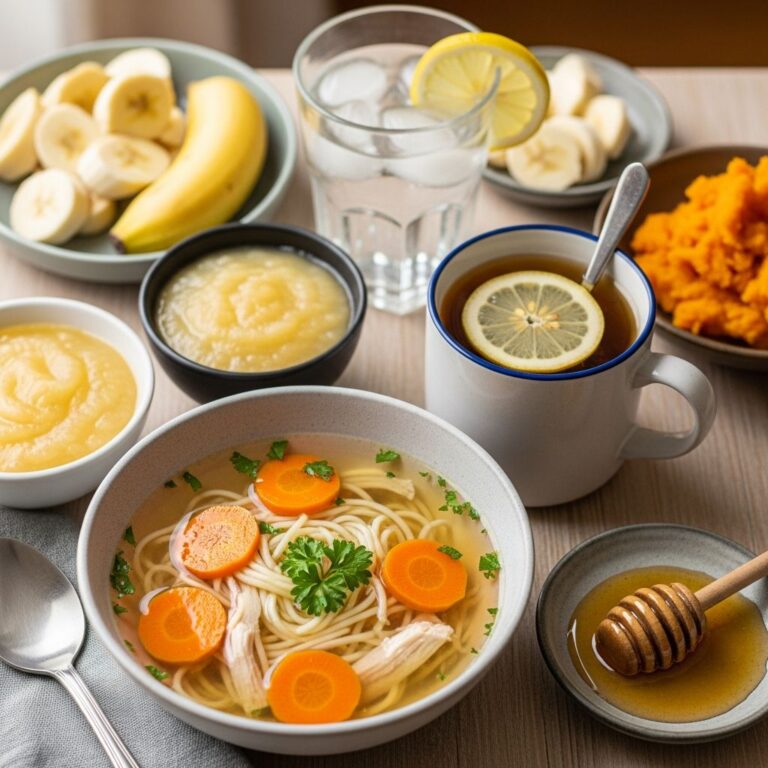
- Hydrate: Drink water between beverages; eat potassium-rich foods (bananas, spinach).
- Balanced eating: Avoid salty/fatty feasts; choose veggies, lean proteins.
- Prioritize sleep/rest: Maintain 7-9 hours nightly.
- Manage stress: Practice mindfulness, short walks.
- Monitor if at-risk: Wearable heart monitors; consult doctor pre-holidays.
Designate drivers, plan alcohol-free activities like games or walks to keep celebrations heart-safe.
Frequently asked questions
Can holiday heart syndrome happen to non-drinkers?
Primarily linked to alcohol, but extreme stress, dehydration, or caffeine overload can mimic in rare cases. Alcohol is the dominant trigger.
How long does holiday heart syndrome last?
Typically 24 hours; 26% recur within a year. Seek care if >24 hours.
Is holiday heart syndrome dangerous?
Usually benign short-term, but untreated AFib risks stroke/heart failure. ER evaluation advised.
Does it only happen at Christmas?
No, any binge occasion (New Year, vacations); holidays spike cases.
Can I prevent it while enjoying Christmas drinks?
Yes: Sip slowly, hydrate, eat first, limit intake.
References
- Holiday Heart Syndrome: Risks and Prevention — Stony Brook Medicine. 2023. https://health.stonybrookmedicine.edu/holiday-heart-syndrome-risks-and-prevention/
- Holiday heart syndrome — Wikipedia (citing primary sources). 2024-01-10. https://en.wikipedia.org/wiki/Holiday_heart_syndrome
- Holiday Heart Syndrome: Why Your Heart Might Be Working Overtime This Season — Houston Methodist. 2025-12. https://www.houstonmethodist.org/blog/articles/2025/dec/holiday-heart-syndrome-why-your-heart-might-be-working-overtime-this-season/
- Holiday Heart Symptoms: How Alcohol, Stress, and Fatigue Affect Your Heart — Columbia Cardiology. 2024. https://www.columbiacardiology.org/news/holiday-heart-syndrome
- Holiday heart syndrome: What is it? How can you prevent it? — UAB News. 2023. https://www.uab.edu/news/news-you-can-use/holiday-heart-syndrome-what-is-it-how-can-you-prevent-it
- Holiday Heart Syndrome: Symptoms & Treatment — Cleveland Clinic. 2024. https://my.clevelandclinic.org/health/diseases/holiday-heart-syndrome
Similar Articles








Read full bio of medha deb