What Is Homeostasis: Functions & Body Systems
Understanding homeostasis: how your body maintains internal balance for optimal health.
What Is Homeostasis?
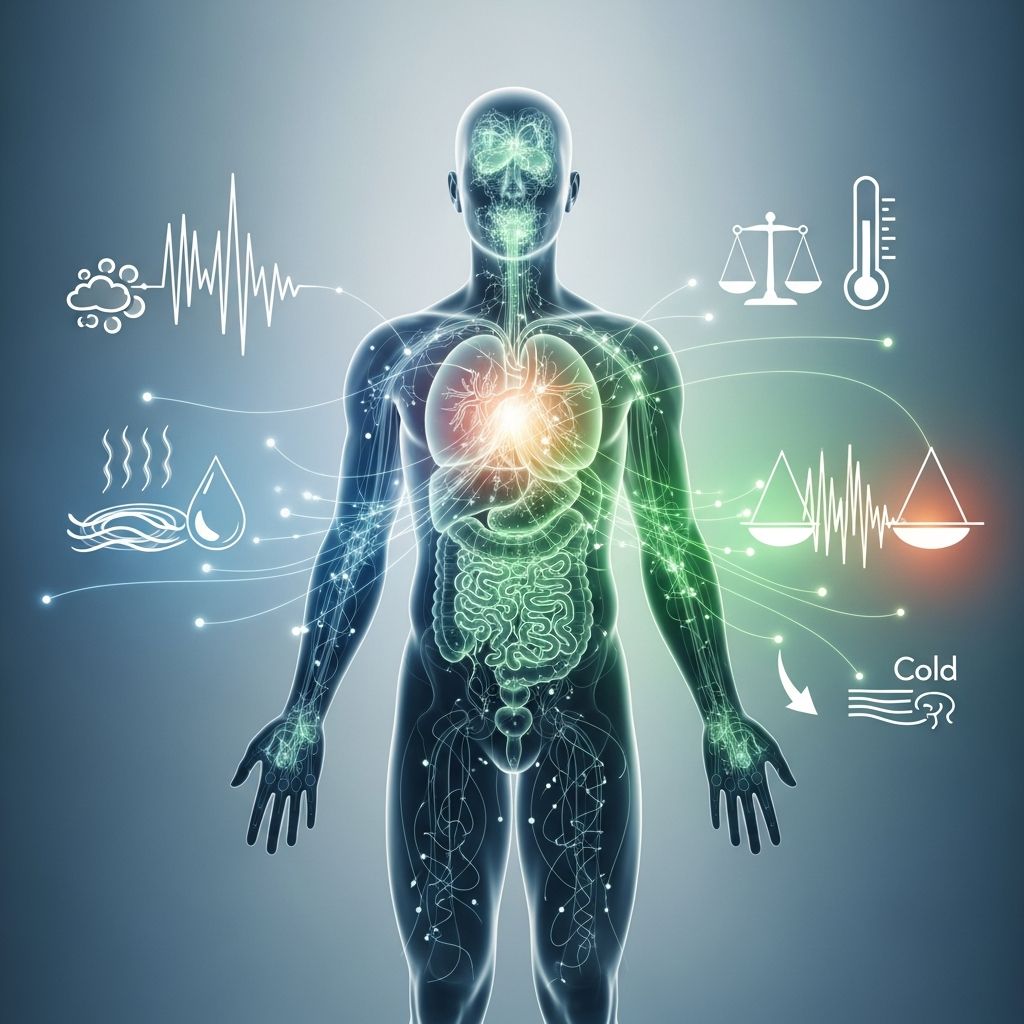
Homeostasis is how your body systems regulate and maintain themselves to keep your internal environment balanced and functioning optimally. When homeostatic processes work correctly, it becomes easier for your body to function at its best. Homeostasis also helps your body adjust conditions to keep things balanced and assists in recovery from injuries and illnesses. Your body works best when its internal environment—including things like temperature, oxygen levels, blood sugar, and water balance—remains within a specific, optimal range.
The concept of homeostasis represents a dynamic equilibrium, meaning your body is constantly making small adjustments to maintain stability rather than achieving a fixed state. If homeostasis is successful, life continues; if it fails, it can result in disaster or death of the organism. Think of it as your body’s internal balancing act, continuously working to keep all systems functioning harmoniously despite external changes and challenges.
Why Balance Matters for Your Body
Balance is absolutely critical because too much of even the most essential things can be harmful. For example, water and oxygen are vital for survival, yet there are dangerous conditions associated with excess amounts. Drinking too much water too quickly can cause hyponatremia, a dangerous condition where sodium levels in your blood become too diluted. Similarly, breathing pure oxygen for extended periods can cause oxygen toxicity, and both of these conditions can be deadly. This demonstrates why your body has sophisticated regulatory systems to maintain precise balance across all physiological variables.
Your body continuously monitors and adjusts numerous parameters to maintain this delicate equilibrium, ensuring that nothing reaches harmful extremes while keeping all essential elements within life-sustaining ranges.
How Homeostasis Works in Your Body
Homeostatic processes are automatic and regulated by a specific part of your brain called the hypothalamus. This remarkable structure serves as your body’s primary control center for maintaining internal stability. There are two main mechanisms through which homeostasis operates in your body:
Negative Feedback
Negative feedback is the most important homeostatic mechanism, and it’s important to understand that “negative” in this context doesn’t mean bad. Instead, it describes a process where your body senses a change and works to counteract or reverse that unwanted change. Most homeostatic processes in your body rely on negative feedback loops. For example, when your body temperature rises above normal, your hypothalamus detects this change and triggers cooling mechanisms like perspiration and increased blood circulation to the skin. Conversely, when temperature drops, your body generates heat through muscle contractions and reduced skin circulation. These feedback loops continuously monitor conditions and make adjustments to restore balance.
Positive Feedback
While less common than negative feedback, positive feedback mechanisms also play important roles in homeostasis. These processes amplify changes to drive systems toward completion of a specific outcome, such as during blood clotting or childbirth, where the process accelerates until a goal is achieved.
Recovery from Illness and Injury
When you get hurt or sick, your body adjusts its homeostatic processes so you can recover. This is why you experience a fever with infections—your body deliberately raises its temperature to help fight off pathogens. Similarly, your blood clots when you have a bleeding wound as part of your body’s homeostatic response to restore balance and prevent dangerous fluid loss. These are examples of your body’s intelligent adaptation mechanisms working to restore equilibrium during challenging circumstances.
Related Stories



When Homeostasis Goes Wrong
Chronic conditions develop when something goes wrong and your homeostatic processes can’t adjust enough to compensate for it. Understanding these failures helps explain many common health problems:
Common Homeostatic Failures
High blood pressure (hypertension) occurs when your body can’t keep pressure within a healthy range. Osteoporosis develops when your bones lose calcium faster than your body can replace it, representing a failure in bone tissue homeostasis. Diabetes occurs when your body cannot maintain proper blood sugar levels. Some diseases happen specifically because homeostatic processes malfunction and actually make conditions worse rather than better. When these regulatory systems fail, medical intervention often becomes necessary to help restore balance to affected systems.
The Nervous System and Homeostasis
Your nervous system plays a crucial role in maintaining homeostasis by balancing its own activity using two subsystems that do opposite jobs. Both subsystems are part of your autonomic nervous system, which operates largely outside your conscious awareness:
Sympathetic and Parasympathetic Systems
The sympathetic nervous system prepares your body for action, increasing heart rate and blood pressure during stress or exercise. The parasympathetic nervous system promotes rest and recovery, slowing heart rate and supporting digestion. These opposing systems work together to maintain nervous system balance and overall homeostasis. When you face a stressful situation, your sympathetic system activates; once the threat passes, your parasympathetic system helps your body return to a calm state.
Skeletal System and Bone Homeostasis
Your skeletal system constantly goes through a maintenance cycle of breaking down and replacing old bone tissue. This continuous remodeling process requires adequate vitamin D and calcium to function properly. However, this maintenance process naturally slows down as you age. If you lose bone tissue faster than your body can replace it, you can develop conditions like osteopenia or osteoporosis, representing a breakdown in skeletal homeostasis. Maintaining proper nutrition and physical activity throughout life supports healthy bone homeostasis and helps prevent age-related bone loss.
Respiratory System Homeostasis
Your respiratory system helps maintain multiple types of homeostasis in your body. Two key examples include oxygen and carbon dioxide balance, where your lungs adjust breathing rate to maintain proper levels of both gases. The respiratory system also assists in pH balance by regulating carbon dioxide levels, which directly affects blood acidity. When you exercise and your muscles produce more carbon dioxide, your breathing rate automatically increases to eliminate excess carbon dioxide and maintain proper blood pH.
Endocrine System and Hormonal Homeostasis
Your endocrine system supports homeostasis for multiple body systems. This works partly because your endocrine system creates many key hormones, which function as chemical messengers. These hormones tell your body systems when to start or stop certain processes. Examples include your digestive system, metabolism, and the male and female reproductive systems. The endocrine system works closely with the hypothalamus to release hormones that regulate blood pressure, blood sugar, body temperature, and countless other vital functions.
Muscular System and Temperature Homeostasis
Your muscular system relies on and supports homeostasis in multiple ways. One important example is how your muscles constantly break down and rebuild themselves, maintaining their function and strength over time. Your muscles are also critically important for temperature homeostasis, especially when they generate heat to keep you warm. When your body temperature drops, your muscles contract involuntarily (shivering) to produce heat and raise your core temperature back to normal. Additionally, muscles consume glucose and produce metabolic byproducts, directly affecting blood sugar and metabolic homeostasis.
Temperature Regulation and the Hypothalamus
Body temperature regulation is controlled by the hypothalamus, a region in your brain that serves as your body’s thermostat. Feedback about body temperature is carried through the nervous system to the brain and results in compensatory adjustments in breathing rate, blood sugar levels, and metabolic rate. Heat loss in humans is aided by reduced activity, perspiration, and heat-exchange mechanisms that permit larger amounts of blood to circulate near the skin surface. Heat loss is reduced by insulation, decreased circulation to the skin, and cultural modifications such as wearing clothing, seeking shelter, or using external heat sources. The range between high and low body temperature levels constitutes the homeostatic plateau—the “normal” range that sustains life, typically around 37°C (98.6°F). As either extreme is approached, corrective action through negative feedback returns the system to the normal range.
Blood Pressure and Circulatory Homeostasis
The circulatory system plays important roles in homeostasis beyond temperature regulation. Baroreceptors—pressure-sensitive receptors in blood vessels that respond to stretching—relay blood pressure information back to the brain. The circulatory system also transports hormones secreted by the hypothalamus and the thyroid gland to regulate the body’s metabolism and maintain homeostasis throughout all systems.
Metabolism and Energy Homeostasis
Metabolism represents how your body turns food and drink into energy to keep you alive and functioning. It’s made up of all the chemical processes happening in your cells that maintain homeostasis. Your metabolic rate adjusts based on activity level, temperature needs, and energy demands. When your body needs more energy, your metabolic rate increases; when energy demands decrease, metabolism slows accordingly. This dynamic adjustment of metabolism helps maintain homeostasis across all energy-requiring processes in your body.
Frequently Asked Questions
Q: What role does the hypothalamus play in homeostasis?
A: The hypothalamus is the main control center for homeostasis in your body. It monitors various physiological variables like temperature, blood sugar, and water balance, then triggers appropriate responses through the nervous and endocrine systems to maintain balance. It acts as your body’s primary thermostat and regulatory hub.
Q: How do negative feedback loops maintain homeostasis?
A: Negative feedback loops detect when a physiological variable moves away from its set point and trigger corrective mechanisms to bring it back to normal. For example, when body temperature rises, your body responds with cooling mechanisms like sweating. When it drops, your body generates heat. This continuous cycle maintains stability.
Q: What happens when homeostasis fails?
A: When homeostatic mechanisms fail or become insufficient, chronic conditions can develop. Examples include hypertension (inability to regulate blood pressure), diabetes (inability to regulate blood sugar), and osteoporosis (inability to maintain bone density). Medical intervention may be needed to help restore balance.
Q: Can too much of something essential be harmful?
A: Yes, absolutely. Even vital substances like water and oxygen can become harmful in excessive amounts. Drinking too much water too quickly can cause hyponatremia, while breathing pure oxygen for extended periods can cause oxygen toxicity. This demonstrates why precise homeostatic balance is essential.
Q: How does your body recover from illness using homeostasis?
A: When you’re sick or injured, your body adjusts its homeostatic processes to support recovery. For example, fever during infection helps fight pathogens, and blood clotting in response to wounds prevents dangerous fluid loss. These are homeostatic adaptations designed to restore your body to health.
References
- Homeostasis | Definition, Function, Examples, & Facts — Britannica. 2024. https://www.britannica.com/science/homeostasis
- What Is Homeostasis? — Cleveland Clinic. 2025-02-11. https://my.clevelandclinic.org/health/articles/homeostasis
- Homeostasis and Feedback Loops — Khan Academy. https://www.khanacademy.org/science/hs-bio/x230b3ff252126bb6:from-cells-to-organisms/x230b3ff252126bb6:homeostasis/a/homeostasis-and-feedback-loops
- Hypothalamus: What It Is, Function, Conditions & Disorders — Cleveland Clinic. https://my.clevelandclinic.org/health/body/22566-hypothalamus
- Hormones: What They Are, Function & Types — Cleveland Clinic. https://my.clevelandclinic.org/health/articles/22464-hormones
- Endocrine System: What It Is, Function, Organs & Diseases — Cleveland Clinic. https://my.clevelandclinic.org/health/body/21201-endocrine-system
- Metabolism: What It Is, How It Works & Disorders — Cleveland Clinic. https://my.clevelandclinic.org/health/body/21893-metabolism
Similar Articles








Read full bio of Sneha Tete