Intermittent Fasting: 5 Methods, Benefits, And Safety Tips
Explore intermittent fasting: a popular eating pattern that cycles between eating and fasting periods to support weight management and metabolic health.
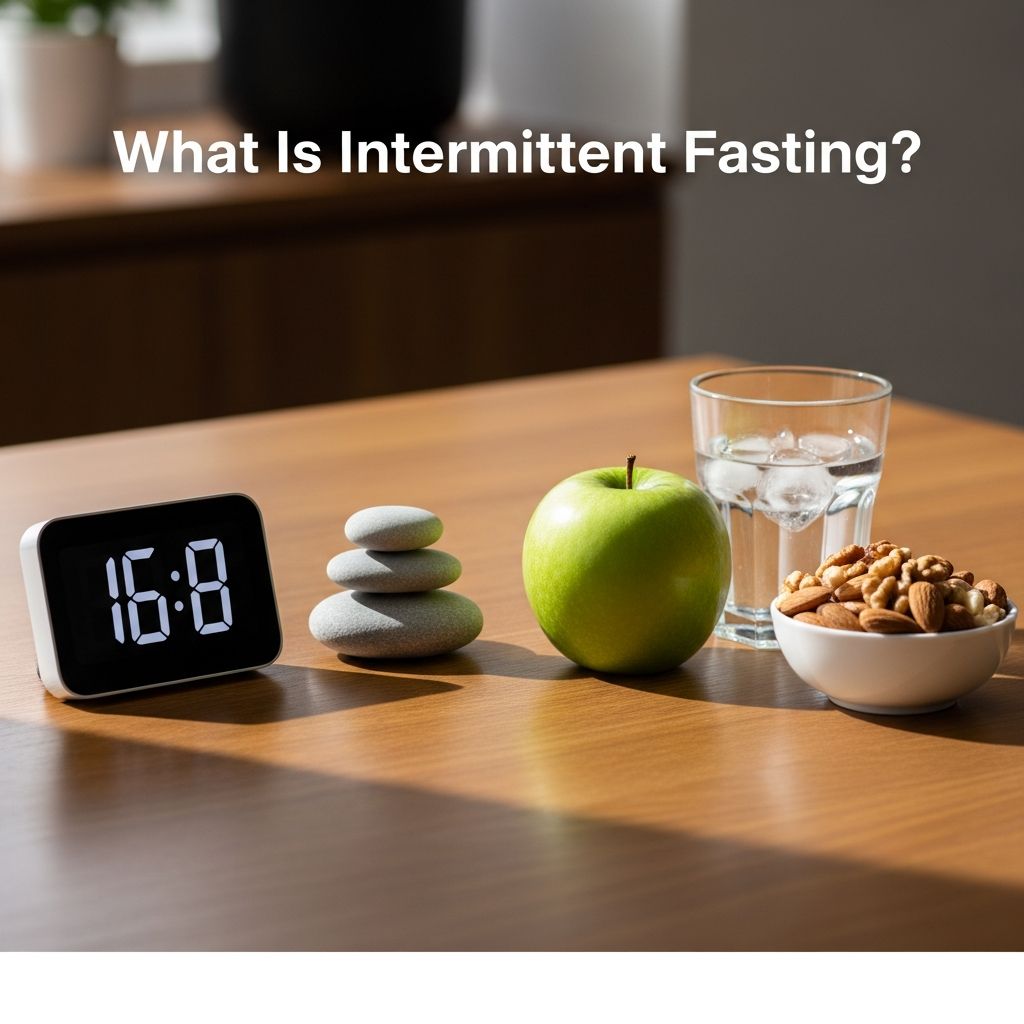
Intermittent fasting is an eating pattern that cycles between periods of eating and fasting, focusing on when you eat rather than what you eat. Unlike traditional diets that restrict specific foods or calories, intermittent fasting emphasizes timing to promote metabolic health, weight management, and cellular repair processes.
Proponents claim it accelerates weight loss and lowers risks for chronic conditions like type 2 diabetes and heart disease by inducing a metabolic switch from glucose to fat burning during fasting windows. Research from institutions like Harvard and Mayo Clinic supports short-term improvements in blood sugar, cholesterol, and inflammation.
Types of Intermittent Fasting
Several methods exist, varying in fasting duration and frequency. The best approach depends on lifestyle, health status, and sustainability.
- 16/8 Method (Time-Restricted Eating): Fast for 16 hours and eat within an 8-hour window, such as noon to 8 p.m. Studies show this reduces calorie intake naturally, aiding weight loss equivalent to 250 calories daily.
- 5:2 Diet: Eat normally five days a week; restrict to 500-600 calories on two non-consecutive days. This mimics caloric restriction benefits without daily limits.
- Alternate-Day Fasting: Alternate full fasting days (or very low calories, ~500) with normal eating days. Effective for fat loss but challenging long-term.
- 24-Hour Fast (Eat-Stop-Eat): Fast for a full 24 hours once or twice weekly, e.g., dinner to dinner. Promotes autophagy and hormone shifts like increased growth hormone.
- Warrior Diet (20/4): Fast for 20 hours, eat one large meal in a 4-hour evening window. Emphasizes nutrient-dense foods during eating.
Early-day eating windows (ending by 6 p.m.) yield superior benefits for blood sugar and pressure compared to later ones.
How Intermittent Fasting Works
During fasting, the body depletes glycogen stores and shifts to burning fat for fuel, producing ketones. This metabolic switch enhances fat metabolism via elevated norepinephrine and growth hormone, preserving muscle while mobilizing fat.
Key mechanisms include:
- Reduced insulin levels, improving sensitivity and glucose uptake.
- Lower oxidative stress and inflammation, protecting cells from damage linked to cancer and heart disease.
- Autophagy: Cellular repair where damaged components are recycled, potentially slowing aging.
- Hormonal changes: Decreased ghrelin (hunger hormone), stabilizing appetite.
Fasting doesn’t boost calorie burn but curbs overall intake and evens hunger levels by minimizing blood sugar spikes.
Health Benefits of Intermittent Fasting
Research indicates multiple benefits, primarily from weight loss (4-10% over 4-24 weeks) and metabolic shifts. Benefits are comparable to continuous caloric restriction but often easier to adhere to.
| Benefit | Evidence | Source |
|---|---|---|
| Weight Loss & Fat Reduction | Reduces calories naturally; preserves lean mass via growth hormone. | |
| Improved Insulin Sensitivity | Lowers fasting glucose/insulin; aids type 2 diabetes management. | |
| Cardiovascular Health | Drops blood pressure 5-10%, LDL 15%, triglycerides 25%; raises HDL. | |
| Reduced Inflammation & Oxidative Stress | Lowers chronic inflammation markers; may extend longevity. | |
| Brain Health & Longevity | Improves biomarkers; enhances cognitive function via ketones. |
In T2DM patients, 12-month trials showed greater insulin reductions with IF than caloric restriction. Animal studies suggest preserved pancreatic function.
Is Intermittent Fasting Safe?
For healthy adults, short-term IF appears safe and beneficial. However, it’s not suitable for everyone. Risks include hypoglycemia in diabetics, malnutrition, dehydration, and muscle/bone loss without protein and exercise.
- Not Recommended For: Pregnant/breastfeeding women, those with eating disorders, underweight individuals, or certain medications.
- Monitor for side effects: Fatigue, irritability, headaches initially; these often subside.
Consult a doctor, especially if diabetic—adjust meds to avoid lows. Recent reviews emphasize protein-rich eating windows and resistance training to protect muscle/bone.
Related Stories



Getting Started with Intermittent Fasting
Begin gradually: Shorten eating windows over weeks. Focus on nutrient-dense foods: veggies, lean proteins, whole grains, healthy fats.
- Choose a method (e.g., 12/12 to start, progress to 16/8).
- Hydrate: Water, black coffee, tea during fasts.
- Break fasts gently: Avoid binges; prioritize balanced meals.
- Practice 5+ days/week for benefits; allow flexible ‘break’ days.
- Track progress: Weight, energy, blood markers.
Combine with exercise for optimal results. Sustainability trumps perfection.
Frequently Asked Questions
Is intermittent fasting better than calorie counting?
IF often leads to similar weight loss as calorie restriction but may improve adherence and metabolic flexibility. Insulin-lowering effects can be greater with IF.
Can I exercise while fasting?
Yes, many do; fasted workouts may enhance fat burn. Eat post-workout if energy dips.
Does IF slow metabolism?
No evidence; it may boost metabolic rate via norepinephrine. Weight loss drives any minor slowdown.
How soon do benefits appear?
Weight loss in weeks; metabolic improvements in days to months.
Is water allowed during fasting?
Yes, plus zero-calorie beverages. Hydration is key.
Can kids or elderly do IF?
Not generally recommended without medical supervision due to growth/nutrient needs.
Intermittent fasting offers a flexible path to health, backed by growing evidence. Personalize it and seek professional advice for best outcomes.
References
- The Health Benefits of Intermittent Fasting — Harvard T.H. Chan School of Public Health. 2023. https://hsph.harvard.edu/news/the-health-benefits-of-intermittent-fasting/
- The Science and Benefits of Intermittent Fasting: A Practical Guide — Eatr.com. 2024. https://eatr.com/special-diets/the-science-and-benefits-of-intermittent-fasting-a-practical-guide
- Intermittent Fasting: What are the Benefits? — Mayo Clinic. 2025-01-10. https://www.mayoclinic.org/healthy-lifestyle/nutrition-and-healthy-eating/expert-answers/intermittent-fasting/faq-20441303
- Beneficial Effects of Intermittent Fasting: A Narrative Review — National Center for Biotechnology Information (PMC). 2023-02-20. https://pmc.ncbi.nlm.nih.gov/articles/PMC9946909/
- Intermittent Fasting: Benefits, How It Works, and Is It Right for You? — UC Davis Health. 2022-02. https://health.ucdavis.edu/blog/good-food/intermittent-fasting-benefits-how-it-works-and-is-it-right-for-you/2022/02
- Intermittent Fasting — Academy of Nutrition and Dietetics (eatrightmn.org). 2018-04. https://www.eatrightmn.org/wp-content/uploads/2018/04/Intermittent-fasting-Lehrman.pdf
- What is Intermittent Fasting? — Academy of Nutrition and Dietetics. 2025. https://www.eatright.org/health/wellness/diet-trends/what-is-intermittent-fasting
Similar Articles








Read full bio of Sneha Tete