What Is Inulin and What Should I Eat to Get More of It?
Discover inulin, a powerful prebiotic fiber that boosts gut health, blood sugar control, and more—plus top food sources to add it to your diet.
Inulin is a type of
soluble dietary fiber
classified as a prebiotic, naturally found in many plants and known for feeding beneficial gut bacteria. This fermentable fiber passes undigested through the stomach and small intestine, reaching the colon where it supports microbiota balance, producing short-chain fatty acids (SCFAs) like butyrate that nourish colon cells and promote overall health.What Is Inulin?
Inulin consists of chains of fructose molecules linked together, making it a
fructan
—a type of carbohydrate not broken down by human digestive enzymes. Extracted primarily from chicory root, it forms a gel-like substance in water, aiding digestion by slowing nutrient absorption and adding bulk to stool. As afunctional fiber
, inulin is versatile: it’s tasteless, heat-stable, and used in foods to replace sugar or fat while boosting fiber content.Unlike insoluble fibers that speed transit, inulin’s solubility allows it to retain water, soften stool, and ferment gradually, minimizing gas compared to other prebiotics. Chemically, its degree of polymerization (DP) ranges from 2-60, with longer chains fermenting slower for sustained benefits.
Properties of Inulin
Inulin’s unique traits make it stand out among fibers:
- Soluble and Fermentable: Dissolves in water to form a viscous gel, slowing digestion and carbohydrate absorption while fermenting in the colon to produce SCFAs like acetate, propionate, and butyrate.
- Prebiotic Effect: Selectively stimulates growth of beneficial bacteria such as Bifidobacterium and Lactobacillus, balancing the gut microbiome and crowding out pathogens.
- Low-Calorie Sweetener: Provides about 1.5 kcal/g, suitable for sugar replacement without spiking blood sugar.
- Stability: Withstands high temperatures and acidic conditions, ideal for baking and beverages.
These properties position inulin as a key ingredient in functional foods, enhancing texture and nutrition without altering flavor.
Health Benefits of Inulin
Research highlights inulin’s wide-ranging effects, supported by clinical studies:
- Digestive Health: Promotes regular bowel movements, reduces constipation by increasing stool frequency and softness, and eases bloating by fostering healthy microbiota.
- Blood Sugar Control: Slows glucose absorption, improves insulin sensitivity, and stabilizes levels—beneficial for type 2 diabetes management.
- Weight Management: Enhances satiety via gel formation, reduces calorie intake, and influences fat metabolism for better body composition.
- Mineral Absorption: Acidifies the colon during fermentation, boosting uptake of calcium, magnesium, and iron, supporting bone density.
- Immune Support: Strengthens gut barrier, modulates inflammation, and enhances defense against infections via microbiota balance.
- Other Benefits: May lower cholesterol, reduce colon cancer risk, and alleviate depression symptoms through gut-brain axis effects.
A PubMed review confirms inulin’s role in lipid regulation, anti-inflammation, and cardiometabolic improvements.
Who Should Eat More Inulin?
Certain groups benefit most:
- Individuals with
low-fiber diets
needing microbiota support from limited plant intake. - Those managing
weight or diabetes
, leveraging satiety and glycemic control. - People with
digestive issues
like constipation or IBS, for gentler relief. - Women in
menopause or pregnancy
, for enhanced calcium/magnesium absorption. - Anyone seeking
immune or bone health
boosts amid modern diets low in prebiotics.
Foods High in Inulin
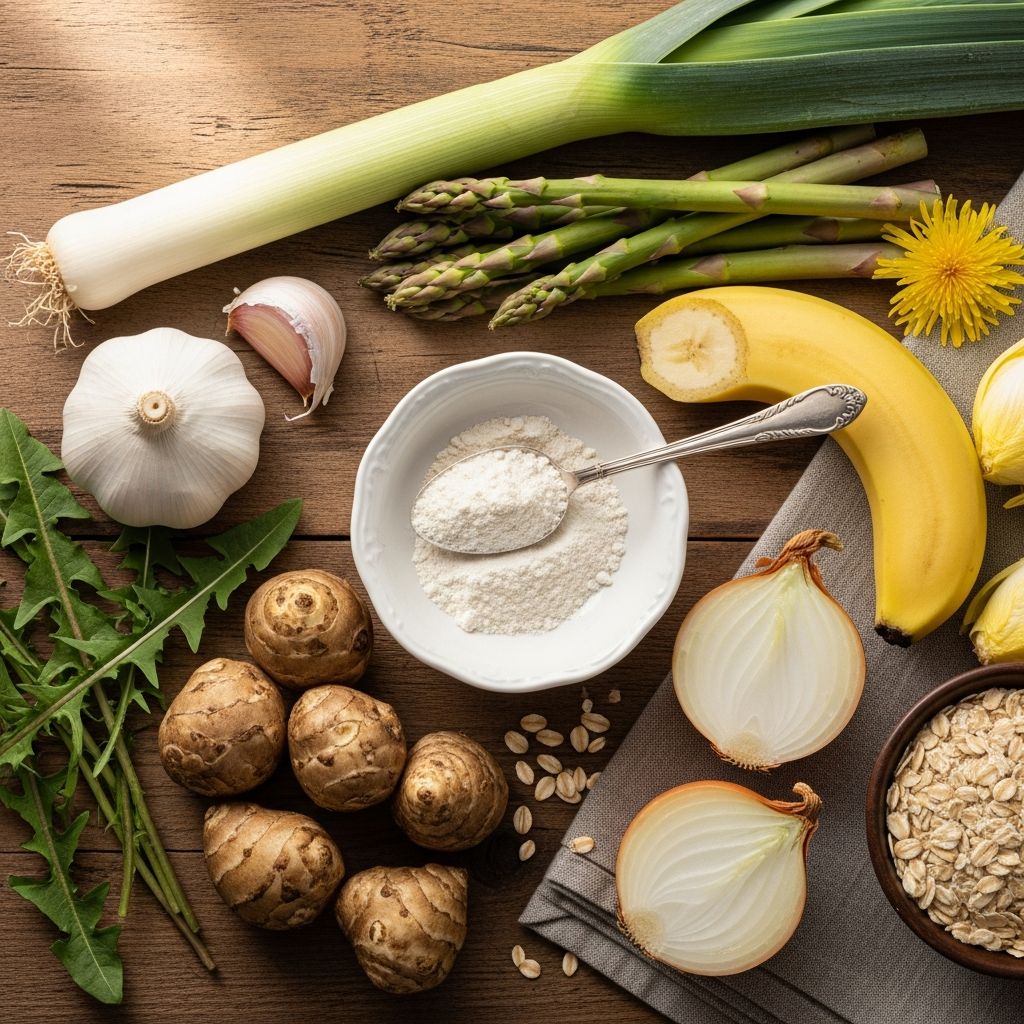
Inulin occurs naturally in over 36,000 plants, especially those in the onion, garlic, and chicory families. Aim for 5-10g daily from foods:
| Food | Inulin Content (per 100g) | Serving Ideas |
|---|---|---|
| Chicory Root | 15-20g | Roast as coffee substitute or add to salads. |
| Jerusalem Artichoke | 16-20g | Roast, puree in soups, or eat raw in salads. |
| Garlic | 9-16g | Raw in dressings, roasted, or in stir-fries. |
| Onions | 1-10g | Cooked in meals, caramelized, or raw sliced. |
| Asparagus | 2-3g | Grilled, steamed, or in risottos. |
| Bananas (slightly green) | 0.5-1g | Smoothies, baked goods, or fresh. |
| Leeks | 3-10g | Soups, sautés, or grilled. |
| Wheat (whole) | 1-4g | Breads, pastas, or cereals. |
Related Stories



These foods provide inulin alongside vitamins and antioxidants. Start with small portions to build tolerance.
Inulin Supplements: Pros and Cons
Powdered inulin (from chicory) offers 5-10g per scoop, convenient for smoothies or baking. Benefits include precise dosing and year-round access. However, supplements may cause more gas than food sources. Choose pure inulin-type fructans without additives. Consult a doctor for high doses (>20g/day).
Risks and Side Effects
Inulin is safe for most at 5-15g/day, but rapid intake can lead to bloating, gas, or diarrhea due to fermentation. Those with FODMAP sensitivities or SIBO should introduce slowly with ample water. Rare allergies exist; pregnant individuals should check with providers.
How to Add More Inulin to Your Diet
Daily Tips:
- Start breakfast with banana-oat smoothies.
- Add garlic/onions to every savory meal.
- Snack on raw Jerusalem artichokes or asparagus.
- Bake with whole wheat flour.
- Use chicory in teas or salads.
Gradually increase over weeks, pairing with probiotics for synergy. Track symptoms and aim for variety.
Frequently Asked Questions (FAQs)
What is inulin exactly?
Inulin is a soluble prebiotic fiber from plants like chicory, acting as food for gut bacteria without being digested.
Can inulin help with weight loss?
Yes, it promotes fullness, regulates metabolism, and supports microbiota changes linked to fat loss.
Is inulin good for diabetes?
It slows sugar absorption and improves insulin sensitivity, aiding blood sugar control.
What foods are highest in inulin?
Chicory root, Jerusalem artichokes, garlic, and onions top the list.
Are there side effects to inulin?
Possible gas or bloating at high doses; start low and hydrate well.
Can I take inulin supplements?
Yes, but food sources are ideal; supplements suit those needing higher amounts.
References
- Inulin: properties and benefits — NDL Pro-Health. 2023. https://ndlprohealth.com/en-us/blogs/tips/inulin-properties-and-benefits
- Inulin: properties and health benefits — PubMed (Nutr Res Rev). 2023-03-08. https://pubmed.ncbi.nlm.nih.gov/36876591/
- Health Benefits of Inulin — Healthline. 2023-12-06. https://www.healthline.com/health/food-nutrition/top-inulin-benefits
- Inulin (a prebiotic fiber): Health benefits and risks — Medical News Today. 2023. https://www.medicalnewstoday.com/articles/318593
- Prebiotic Type Spotlight: Inulin — Prebiotic Association. 2023. https://prebioticassociation.org/prebiotic-type-spotlight-inulin/
- Inulin – Uses, Side Effects, and More — WebMD. 2023. https://www.webmd.com/vitamins/ai/ingredientmono-1048/inulin
Similar Articles








Read full bio of Sneha Tete