What Is Lactic Acid? Understanding Production and Function
Discover how lactic acid works in your body and when buildup becomes a health concern.
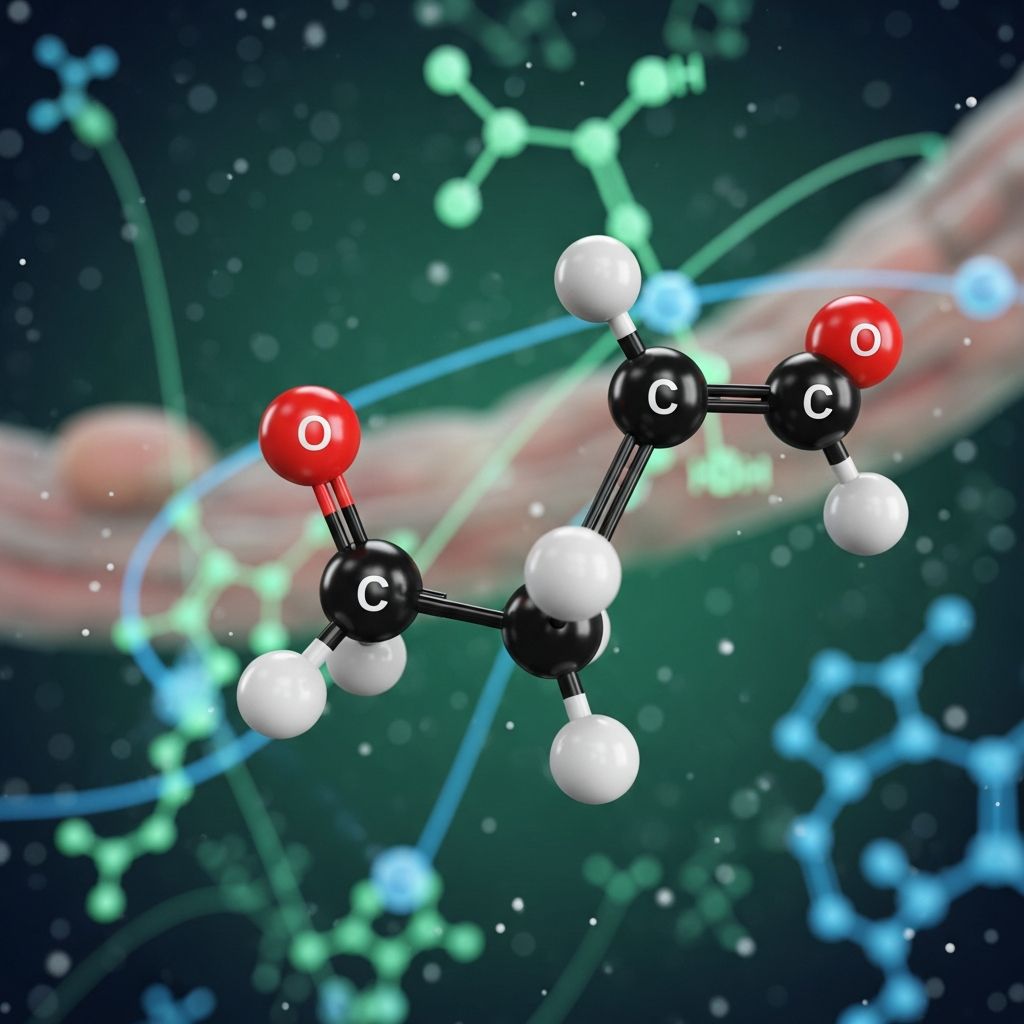
What Is Lactic Acid?
Lactic acid is a chemical compound your body produces naturally when your cells break down carbohydrates for energy. This process occurs constantly throughout your day, whether you’re resting, exercising, or performing daily activities. The chemical is often referred to interchangeably as lactate in medical and scientific contexts, though technically lactate is the ionized form of lactic acid. Understanding this fundamental metabolic byproduct helps clarify common misconceptions about exercise performance and muscle fatigue.
Your body generates lactic acid primarily through a metabolic pathway called anaerobic glycolysis, which occurs when cells require energy rapidly and oxygen availability is limited. Unlike many waste products your body eliminates, lactic acid actually serves important functions and is recycled by your liver and other tissues. The presence of lactic acid is not inherently harmful—it only becomes problematic when levels accumulate to excessive degrees, a condition known as lactic acidosis.
How Your Body Produces Lactic Acid
Lactic acid production is fundamentally tied to how your body generates energy from glucose and other carbohydrates. When your cells need ATP (adenosine triphosphate), the energy currency of the cell, they break down glucose through a process called glycolysis. This process yields pyruvate, which can take different metabolic pathways depending on oxygen availability.
In aerobic conditions—when oxygen is plentiful—pyruvate enters mitochondria and is completely oxidized through the citric acid cycle and electron transport chain. However, when oxygen becomes limited or energy demand spikes suddenly, pyruvate is converted to lactate through an enzyme called lactate dehydrogenase. This conversion allows glycolysis to continue producing ATP even without adequate oxygen, a critical adaptation during intense exercise or when tissues experience reduced blood flow.
The primary sites of lactate production are muscle cells and red blood cells, which lack mitochondria and therefore rely heavily on anaerobic glycolysis. During rest, your body produces approximately 1 to 2 millimoles of lactate per liter of blood. This baseline production increases substantially during physical activity, reaching levels several times higher during intense exercise.
The Role of Lactic Acid in Exercise
For decades, popular fitness culture blamed lactic acid accumulation for the burning sensation and muscle soreness experienced during and after intense exercise. This widespread misconception led many athletes and fitness enthusiasts to believe that lactate was a toxic metabolic waste that caused muscle fatigue. Modern exercise physiology has thoroughly debunked this myth.
Research demonstrates that lactic acid accumulation is not the primary cause of acute muscle fatigue or the delayed-onset muscle soreness (DOMS) that develops one to three days after intensive training. Instead, lactate serves as an important fuel source. During exercise, your muscles produce lactate, which circulates to the liver and other tissues where it’s converted back to glucose through gluconeogenesis—a process called the Cori cycle. This mechanism helps sustain energy availability during prolonged activity.
The burning sensation felt during intense exercise actually results from a combination of factors including hydrogen ion accumulation, inorganic phosphate accumulation, and neural feedback mechanisms—not lactate itself. The muscle soreness experienced after hard workouts stems from microtrauma to muscle fibers and the inflammatory response that follows, processes that are separate from lactate production and clearance.
Related Stories



How Your Body Clears Lactic Acid
Your body has efficient mechanisms for managing lactic acid levels, ensuring that lactate doesn’t accumulate to harmful concentrations during normal circumstances. The liver serves as the primary organ responsible for lactate clearance, removing approximately 70% of circulating lactate. Your kidneys handle the remaining clearance, along with contributions from other tissues including muscle, brain, and heart.
The liver converts lactate back to glucose through gluconeogenesis, regenerating fuel for continued energy production. This recycling system is remarkably efficient under normal conditions, maintaining blood lactate levels within a narrow, healthy range. During recovery from exercise, lactate clearance increases substantially, with levels typically returning to baseline within one hour of moderate activity or several hours after very intense exercise.
Several factors influence lactate clearance efficiency, including liver and kidney function, blood flow distribution, metabolic state, and the severity of the underlying condition causing lactate elevation. When these clearance mechanisms become impaired—such as in liver disease, kidney dysfunction, or severe sepsis—lactate can accumulate pathologically.
The Difference Between Normal Lactate and Lactic Acidosis
While normal lactic acid production and clearance are essential metabolic processes, lactic acidosis represents a serious medical condition where lactate accumulates to dangerous levels, causing blood pH to become excessively acidic. Normal blood lactate concentrations range from 0.5 to 2 millimoles per liter. Lactic acidosis typically develops when lactate exceeds 4 mmol/L, particularly when accompanied by acidemia (blood pH below 7.35).
The critical distinction is that normal lactic acid production during exercise—even intense exercise—does not cause lactic acidosis. The mythical “lactic acid buildup” from workouts is not a real medical concern. True lactic acidosis occurs in clinical contexts, typically in hospitalized patients with serious underlying conditions including sepsis, cardiogenic shock, severe hypoxemia, liver failure, or as a side effect of certain medications.
Types of Lactic Acidosis
Medical professionals classify lactic acidosis into two primary categories, each with distinct underlying causes and treatment approaches.
Type A Lactic Acidosis
Type A lactic acidosis develops when there is inadequate oxygen delivery to tissues—a condition called tissue hypoxia. This occurs due to impaired perfusion or oxygenation, creating a mismatch between oxygen supply and metabolic demand. Cells forced into anaerobic metabolism produce excessive lactate faster than the body can clear it. Conditions causing Type A lactic acidosis include cardiogenic shock, septic shock, severe pneumonia, cardiac arrest, severe anemia, and carbon monoxide poisoning. Type A lactic acidosis is generally more acute and severe, requiring immediate intensive medical intervention.
Type B Lactic Acidosis
Type B lactic acidosis occurs without tissue hypoxia and develops through various alternative mechanisms. This category includes three subcategories: Type B1 results from underlying diseases that impair lactate metabolism, including liver disease, malignancy, and mitochondrial disorders. Type B2 develops as a side effect of medications or toxins, particularly metformin (especially in patients with renal impairment), nucleoside reverse transcriptase inhibitors used in HIV treatment, linezolid antibiotics, propylene glycol, and cyanide exposure. Type B3 results from rare genetic deficiencies in enzymes required for lactate metabolism. Type B lactic acidosis often develops more gradually than Type A, though it can still pose serious health risks.
Symptoms and Clinical Manifestations
The symptoms of lactic acidosis vary depending on severity and underlying cause but typically include rapid or difficult breathing (as the body attempts to compensate for acidemia), nausea and vomiting, abdominal pain, muscle weakness, neurological symptoms including confusion or altered mental status, and in severe cases, loss of consciousness or cardiovascular collapse. However, symptoms overlap significantly with the underlying conditions causing lactic acidosis, making diagnosis challenging without laboratory testing.
In hospitalized patients, elevated lactate serves as both a marker of illness severity and a target for therapeutic intervention. The magnitude of lactate elevation correlates with mortality risk—higher lactate levels predict worse outcomes. Additionally, lactate clearance (the rate at which lactate levels normalize over time) provides critical prognostic information. Lactate clearance of at least 10% within 6 hours is associated with significantly lower mortality rates compared to nonclearance.
Diagnosis and Assessment
Lactic acidosis diagnosis requires laboratory confirmation through blood tests measuring serum or plasma lactate concentration along with assessment of blood pH. Modern point-of-care testing devices allow rapid lactate measurement in clinical settings, enabling faster diagnosis and treatment initiation. A single elevated lactate value provides less prognostic information than serial measurements assessing lactate clearance over time. Healthcare providers also evaluate arterial or venous blood gas analysis to confirm acidemia and assess oxygenation status, helping differentiate Type A from Type B lactic acidosis.
Additional diagnostic workup typically includes assessment of liver and kidney function, since these organs are essential for lactate clearance. Identifying the underlying cause—whether hypoxia, medication effect, liver disease, or other factors—guides specific treatment decisions.
Treatment Approaches
Treatment of lactic acidosis fundamentally depends on identifying and addressing the underlying cause. For Type A lactic acidosis, therapy focuses on improving tissue oxygen delivery and perfusion. Initial management includes intravenous fluid administration, oxygen therapy, and potentially blood transfusions if anemia contributes to hypoxemia. Vasopressor and inotropic medications may be necessary to support blood pressure and cardiac output. Addressing the primary cause—such as treating sepsis with antibiotics, managing cardiac dysfunction, or treating respiratory failure—is essential.
Type B lactic acidosis management differs based on the specific etiology. If medications are responsible, discontinuing the offending agent frequently allows lactate levels to normalize. For instance, stopping metformin in patients with renal dysfunction or substituting alternative antibiotics for linezolid may resolve the problem. Type B1 lactic acidosis requires treating the underlying disease causing metabolic dysfunction. Certain supportive measures, such as thiamine supplementation in patients with thiamine deficiency or treatment of HIV infection, may improve metabolic function.
All patients with lactic acidosis require intensive monitoring in acute care settings, with serial lactate measurements guiding response to therapy. Sodium bicarbonate administration for severe acidemia remains controversial and is used selectively in severe cases. Ultimately, prognosis depends on the underlying cause severity, treatment effectiveness, and how rapidly lactate levels normalize.
Prevention and Risk Reduction
For Type A lactic acidosis, prevention focuses on maintaining adequate tissue oxygenation and perfusion through management of underlying cardiovascular and respiratory conditions. Maintaining optimal nutrition, managing chronic diseases like diabetes and liver disease, and avoiding excessive alcohol consumption support metabolic health.
For Type B lactic acidosis, particular attention applies to patients taking medications associated with this complication. Metformin users should have regular kidney function monitoring, as metformin-associated lactic acidosis (MALA) risk increases substantially when renal function declines. Patients receiving nucleoside reverse transcriptase inhibitors or linezolid therapy require appropriate monitoring. Maintaining good liver and kidney function through healthy lifestyle choices reduces risk of metabolic complications.
Prognosis and Outcomes
The prognosis for lactic acidosis depends critically on the underlying cause and disease severity. Type A lactic acidosis associated with septic shock carries higher mortality rates than other forms. However, early recognition and effective treatment substantially improve outcomes. Type B lactic acidosis, particularly when caused by reversible factors like medication effects, often carries better prognosis with appropriate intervention. In general, higher blood lactate levels correlate with elevated mortality risk, but early and effective treatment frequently results in complete recovery.
Common Misconceptions About Lactic Acid
Despite decades of scientific evidence disproving the myth, many people still believe lactic acid causes the burning sensation during intense exercise or the muscle soreness afterward. This misconception has spawned countless commercial products claiming to reduce lactic acid. In reality, the burning sensation results from neural feedback and ion imbalances, while muscle soreness reflects structural muscle damage and inflammation. Post-exercise recovery techniques like stretching, massage, and adequate rest promote recovery through mechanical effects and psychological benefit, not by reducing lactate.
Another misconception conflates normal lactic acid production during exercise with the pathological condition of lactic acidosis. Athletic training, even at extremely high intensities, does not cause lactic acidosis in healthy individuals. Lactic acidosis is a medical emergency occurring in clinical contexts involving serious illness or medication effects, not an inevitable consequence of intense physical activity.
Frequently Asked Questions
Q: Does exercise cause lactic acidosis?
A: No, normal exercise does not cause lactic acidosis in healthy individuals. While intense exercise elevates lactate levels, these remain well within the physiological range and return to baseline during recovery. Lactic acidosis is a serious medical condition requiring underlying illness or medication effects, not simply intense physical activity.
Q: Can I reduce lactic acid accumulation during exercise?
A: Since lactate itself doesn’t cause the burning sensation or fatigue, products designed to “buffer” lactic acid won’t improve exercise performance. However, proper training, pacing, and recovery optimize metabolic efficiency and exercise capacity. Sodium bicarbonate loading has minor effects on high-intensity performance in some athletes through acid-base buffering mechanisms unrelated to lactate.
Q: What should I do if I have symptoms of lactic acidosis?
A: Seek immediate medical attention. Symptoms including rapid breathing, severe weakness, confusion, or nausea warrant emergency evaluation. Do not delay care—lactic acidosis is a medical emergency requiring laboratory confirmation and treatment of underlying causes.
Q: Is lactic acid dangerous for skin care products?
A: No, lactic acid used in topical skin care products is safe and beneficial. Applied to skin, lactic acid acts as an alpha-hydroxy acid (AHA) that gently exfoliates and improves skin appearance. The tiny amounts absorbed through skin don’t significantly affect blood lactate levels.
Q: Can metformin cause lactic acidosis?
A: Metformin can cause Type B2 lactic acidosis, particularly in patients with kidney dysfunction who cannot clear the medication effectively. People taking metformin should maintain regular kidney function monitoring. However, lactic acidosis is rare when metformin is used appropriately with normal kidney function.
References
- Lactic Acidosis: Clinical Implications and Management Strategies — Cleveland Clinic Journal of Medicine, Reddy AJ, Lam SW, Bauer SR, Guzman JA. September 2015. https://www.ccjm.org/content/82/9/615
- Lactic Acidosis: Symptoms, Causes, Treatment & What It Is — Cleveland Clinic. Last reviewed June 13, 2023. https://my.clevelandclinic.org/health/diseases/25066-lactic-acidosis
- Popular Skin Care Ingredients Explained — Cleveland Clinic Health. https://health.clevelandclinic.org/skin-care-ingredients-explained
- What Is Lactic Acid? — Cleveland Clinic. https://my.clevelandclinic.org/health/body/24521-lactic-acid
- Lactic Acidosis: Causes and Treatments — Cleveland Clinic Journal of Medicine, Gardner LB. March 1992;59(2):141-142. https://www.ccjm.org/content/59/2/141.3
Similar Articles








Read full bio of medha deb