Malnutrition: Complete Guide To Causes, Symptoms & Treatment
Understand malnutrition: causes, symptoms, risks, and prevention strategies for better health outcomes.
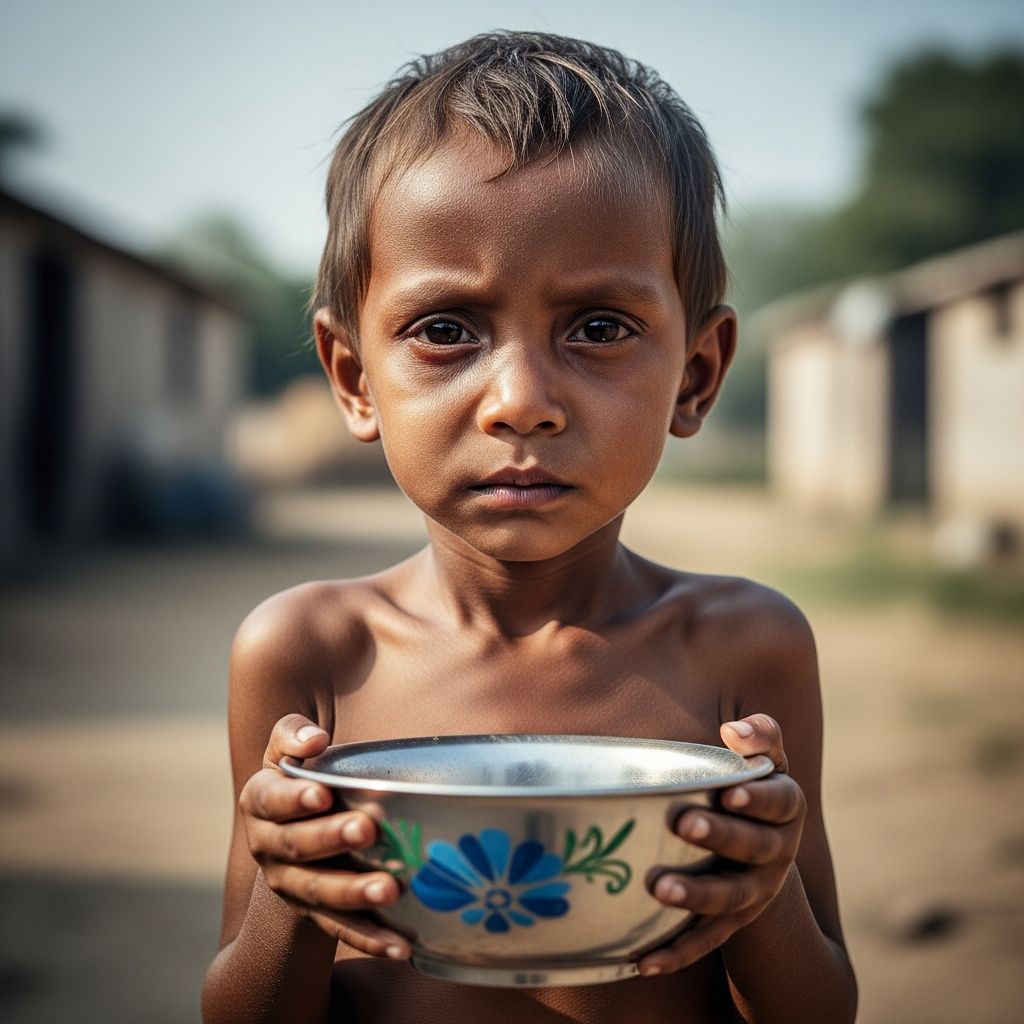
Malnutrition is a condition characterized by deficiencies, excesses, or imbalances in a person’s intake of energy and/or nutrients, impacting overall health and bodily functions. It encompasses both undernutrition, where the body lacks sufficient calories, proteins, or micronutrients, and overnutrition, leading to obesity or nutrient imbalances despite excess calories.
Types of Malnutrition
Malnutrition manifests in various forms, each with distinct health implications. Undernutrition results from inadequate intake of protein, calories, or micronutrients, causing wasting (low weight-for-height), stunting (low height-for-age), and underweight conditions. Overnutrition occurs from excessive consumption of calories, fats, or proteins, often resulting in overweight, obesity, and hidden micronutrient deficiencies.
- Undernutrition: Includes protein-energy malnutrition like kwashiorkor (protein deficiency with fluid retention and swollen abdomen) and marasmus (severe calorie deficiency leading to wasting).
- Micronutrient deficiencies: Lack of vitamins and minerals such as vitamin A (causing night blindness), iron (anemia), zinc (impaired immunity), and iodine (goiter).
- Overnutrition: High-calorie diets low in essential nutrients, contributing to obesity alongside deficiencies.
Symptoms of Malnutrition
Symptoms vary by type and severity but often include fatigue, weight changes, and weakened immunity. In undernutrition, common signs are unintentional weight loss, loss of fat and muscle mass, dry skin and hair, delayed wound healing, irritability, depression, and frequent infections.
Individuals may experience dizziness, low body weight, slow growth in children, brittle nails, and swelling in extremities. Overnutrition symptoms are subtler, such as metabolic issues despite obesity, including insulin resistance and vitamin deficiencies from poor diet quality.
Symptoms in Adults
- Unintentional weight loss or low body weight
- Fatigue, weakness, and dizziness
- Reduced appetite and irritability
- Poor concentration, feeling cold, and depression
- Slow healing and frequent illnesses
Symptoms in Children
Children show faltering growth, low energy, irritability, anxiety, and developmental delays. Severe cases lead to stunted growth, behavioral issues, and learning difficulties.
| Symptom | Adults | Children |
|---|---|---|
| Weight/Growth | Loss, low weight | Faltering, stunting |
| Energy Levels | Fatigue, weakness | Low energy, tiring easily |
| Mood/Behavior | Irritability, depression | Anxiety, slow development |
| Immunity | Frequent infections | Slow recovery |
Causes of Malnutrition
Malnutrition arises from multiple factors, including inadequate dietary intake, absorption issues, and increased needs. Food insecurity, low income, and limited access contribute significantly. Medical conditions like digestive disorders (Crohn’s, celiac), chronic illnesses (cancer, HIV), and mental health issues reduce intake or absorption.
- Dietary factors: Unsuitable choices, low income, food access difficulties
- Health conditions: Malabsorption (e.g., pancreatic insufficiency), increased energy demands from illness
- Social/economic: Poverty, inability to cook or shop
- Other: Aging, dementia, or substance abuse affecting appetite
Risk Factors
Certain groups face higher risks. Older adults, due to reduced appetite or mobility issues; those with chronic diseases; and individuals in food-insecure households. Children in poverty or with infections, pregnant/lactating women, and hospitalized patients are vulnerable. Overnutrition risks rise with processed food consumption.
- Low socioeconomic status and food insecurity
- Chronic illnesses increasing metabolic demands
- Age-related factors in elderly
- Poor diet quality in obesity
Related Stories



Diagnosis
Diagnosis involves medical history, physical exams, and tools like BMI, weight loss tracking, and blood tests for nutrient levels. Screening tools assess risk in clinical settings. For children, growth charts monitor development.
Healthcare providers evaluate symptoms like fatigue or edema alongside lab tests for deficiencies (e.g., albumin, vitamins).
Treatment of Malnutrition
Treatment focuses on correcting imbalances via dietary changes, supplements, or medical nutrition therapy. Undernutrition requires gradual refeeding to avoid refeeding syndrome, starting with high-protein, nutrient-dense foods. Severe cases may need enteral or parenteral nutrition.
Overnutrition treatment involves balanced diets, exercise, and addressing deficiencies. Registered dietitians tailor plans. Monitoring prevents complications like electrolyte shifts.
- Dietary interventions: Nutrient-rich meals, oral supplements
- Medical support: Tube feeding or IV nutrition for absorption issues
- Lifestyle changes: For overnutrition, calorie control and micronutrient focus
Prevention
Prevention emphasizes balanced diets with diverse foods, ensuring access to nutritious options. Education on portion control combats overnutrition. Regular screening for at-risk groups and addressing social determinants like food security are key.
- Consume varied fruits, vegetables, proteins, and whole grains
- Monitor growth in children and weight in adults
- Seek early intervention for symptoms or risks
- Promote food security and nutrition education
Frequently Asked Questions (FAQs)
Q: What is the main cause of malnutrition?
A: Common causes include inadequate food access, poor diet, digestive disorders, and chronic illnesses that impair nutrient absorption or increase needs.
Q: Can you be malnourished if overweight?
A: Yes, overnutrition can lead to obesity with micronutrient deficiencies from low-quality, calorie-dense foods.
Q: How is malnutrition diagnosed?
A: Through physical exams, BMI, symptom assessment, and blood tests for nutrient levels.
Q: What are long-term effects of malnutrition?
A: Stunted growth in children, weakened immunity, organ damage, and higher morbidity/mortality risks.
Q: How to prevent malnutrition at home?
A: Eat balanced meals, stay hydrated, monitor weight, and consult professionals for persistent symptoms.
This comprehensive overview draws from authoritative sources to equip readers with knowledge on malnutrition. Early recognition and intervention are crucial for health.
References
- Malnutrition: Symptoms, causes, diagnosis, and treatment — Medical News Today. 2023-10-15. https://www.medicalnewstoday.com/articles/179316
- Malnutrition — MedlinePlus (U.S. National Library of Medicine). 2024-01-01. https://medlineplus.gov/malnutrition.html
- Malnutrition: Definition, Symptoms and Treatment — Healthline. 2023-11-20. https://www.healthline.com/nutrition/malnutrition
- Malnutrition: Symptoms and Treatment — Denver Health. 2019-09-01. https://www.denverhealth.org/blog/2019/09/malnutrition-symptoms-and-treatment
- Malnutrition: Definition, Causes, Symptoms & Treatment — Cleveland Clinic. 2023-08-10. https://my.clevelandclinic.org/health/diseases/22987-malnutrition
- Malnutrition – Symptoms — NHS. 2023-05-23. https://www.nhs.uk/conditions/malnutrition/symptoms/
- Malnutrition: causes and consequences — PMC (National Institutes of Health). 2016-06-30. https://pmc.ncbi.nlm.nih.gov/articles/PMC4951875/
- Malnutrition Fact Sheet — World Health Organization. 2024-05-01. https://www.who.int/news-room/fact-sheets/detail/malnutrition
Similar Articles








Read full bio of medha deb