Matcha: 7 Science-Backed Health Benefits
Discover the origins, health benefits, and uses of matcha, the nutrient-packed green tea powder gaining popularity worldwide.
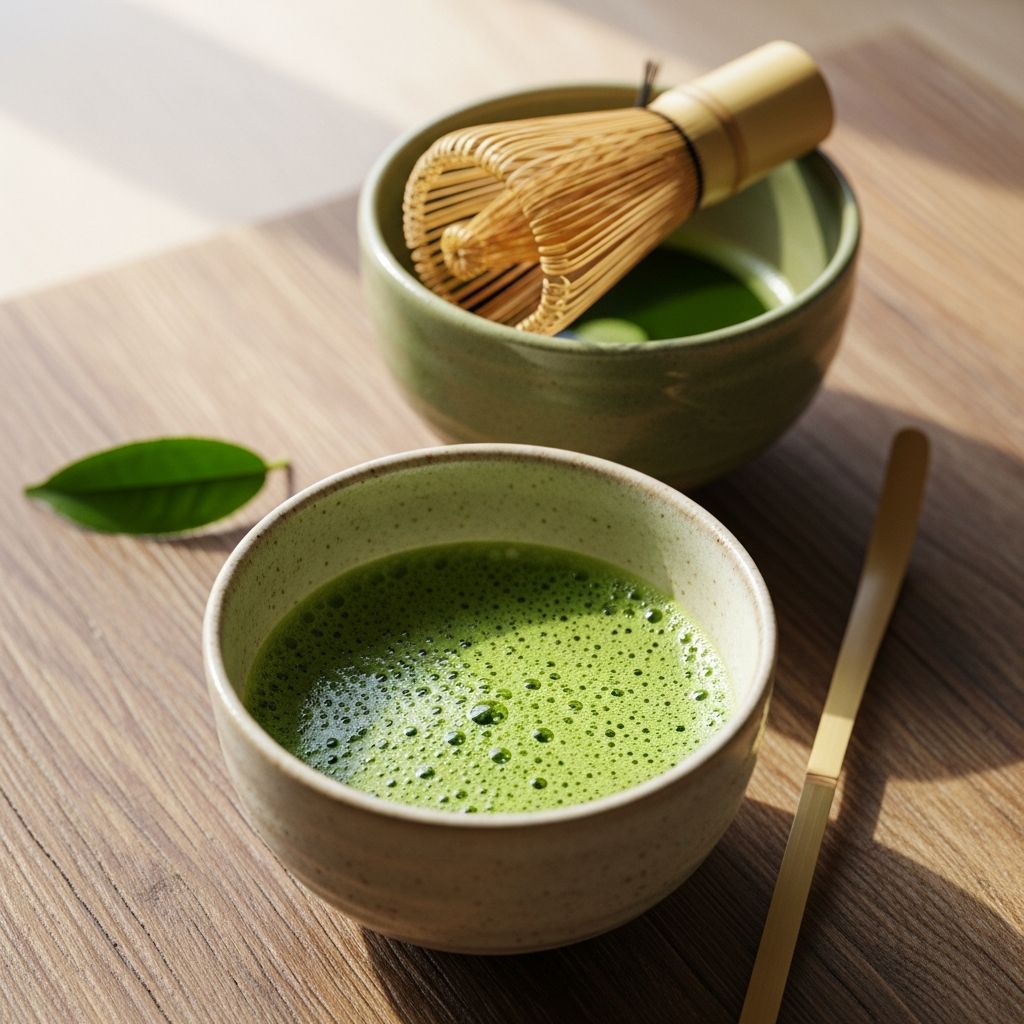
Matcha is a type of green tea made from the Camellia sinensis plant, but unlike traditional green teas where leaves are steeped and discarded, matcha involves consuming the entire ground leaf as a vibrant green powder. This method delivers a concentrated dose of nutrients, antioxidants, and caffeine, making it a superfood staple in wellness circles.
How Is Matcha Made?
Matcha production begins with tea plants grown in shade for three to four weeks before harvest, a process that boosts chlorophyll and amino acid levels like L-theanine, resulting in its signature umami flavor and deep green color. Harvested leaves, known as tencha, are de-stemmed, de-veined, and stone-ground into a fine powder using traditional granite mills. This labor-intensive process preserves nutrients and ensures a smooth texture without bitterness.
Matcha vs. Green Tea
While both derive from the same plant, matcha provides exponentially higher nutrient levels because you ingest the whole leaf rather than an infusion. Regular green tea extracts only water-soluble compounds during steeping, leaving behind fiber, vitamins, and most catechins. Matcha contains about three times more antioxidants than steeped green tea and delivers sustained energy from its caffeine-L-theanine synergy.
| Nutrient/Compound | Matcha (per 100g) | Green Tea (infusion) |
|---|---|---|
| Catechins (EGCG) | ~10g | Lower (shade growth boosts in matcha) |
| Dietary Fiber | 38.5g | Negligible |
| Caffeine | 3.2g | ~30-50mg per cup |
| L-Theanine | High (shade-grown) | Moderate |
This table highlights matcha’s nutritional superiority, supported by its unique cultivation and processing.
Nutrition Facts of Matcha
Matcha’s whole-leaf consumption makes it a nutritional powerhouse. Per 100g, it packs significant vitamins, minerals, fiber, and antioxidants. Key components include catechins like EGCG for anti-inflammatory effects, vitamins A, C, and E for immunity and skin health, and minerals such as calcium, potassium, magnesium, phosphorus, and iron for bone and muscle support.
- Antioxidants (Catechins): ~10g per 100g, with EGCG fighting free radicals and potentially reducing cancer risk.
- Dietary Fiber: 38.5g per 100g aids digestion and blood sugar control.
- Vitamins: A (beta-carotene for vision), C (immunity), E (cell protection).
- Minerals: Essential for vitality and oxygen transport.
- Caffeine + L-Theanine: 3.2g caffeine balanced by L-theanine for jitter-free focus.
Health Benefits of Matcha
Matcha’s nutrient density supports multiple health areas, backed by research primarily from animal and in vitro studies, with emerging human trials.
High in Antioxidants
Rich in catechins, matcha neutralizes free radicals, potentially lowering chronic disease risk. Shade growth yields three times more antioxidants when dissolved compared to green tea.
May Enhance Fat Burning
Catechins and caffeine boost metabolism and fat oxidation. Animal studies show matcha reduces weight gain on high-fat diets.
Could Help Protect the Liver
Antioxidants protect liver cells; rodent studies indicate reduced damage from toxins.
Promotes Heart Health
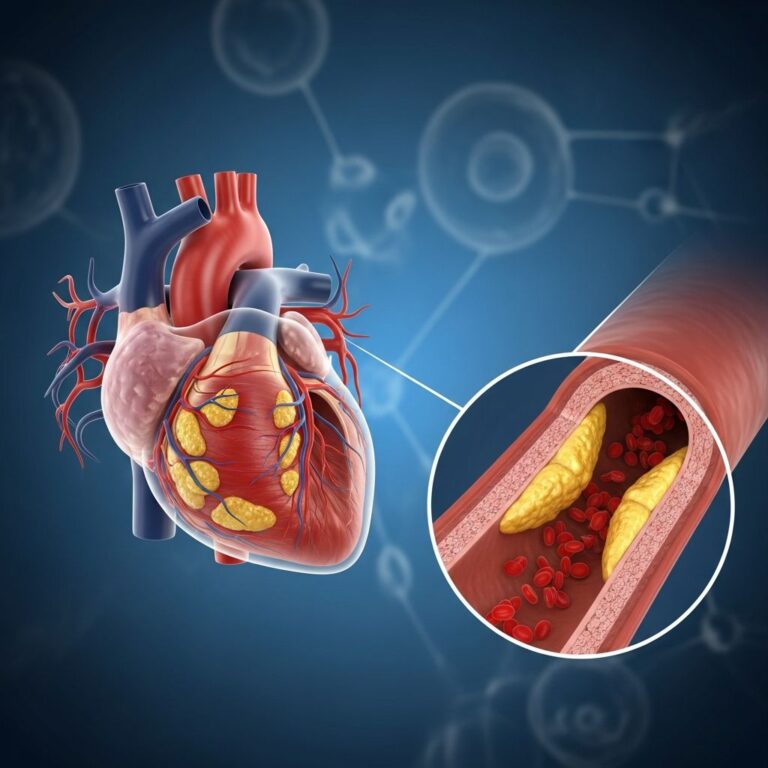
Matcha improves lipid profiles, reducing triglycerides, LDL, and total cholesterol while raising HDL. In mice on high-fat diets, it prevented weight gain, lowered blood glucose, and enhanced antioxidant enzymes like superoxide dismutase.
Related Stories



Boosts Brain Function
L-theanine and caffeine synergy improves attention, memory, and calm alertness. Some studies note upregulated BDNF for cognitive protection, though human results are mixed.
Potential Anti-Cancer Properties
EGCG disrupts cancer cell growth in lab and animal models, inhibiting viability and mitochondrial function in breast cancer cells.
Supports Detoxification and Metabolism
High chlorophyll aids toxin removal; catechins enhance fat burning and blood sugar regulation.
Matcha Dosage and Safety
A typical serving is 1-2g (½-1 tsp) daily, providing ~35mg caffeine. Limit to 2-4g to avoid excess caffeine (~70-140mg). Pregnant individuals should cap at 200mg caffeine daily. High-quality ceremonial grade minimizes lead concerns from soil.
Potential Downsides of Matcha
Matcha may contain trace heavy metals like lead due to plant absorption. Opt for Japanese sources tested for purity. Excess intake risks caffeine side effects: insomnia, anxiety, digestive upset. Those with iron deficiency should moderate use, as catechins inhibit absorption.
How to Use and Prepare Matcha
Traditional preparation: Sift 1-2g matcha into a bowl, add 2oz 175°F water, whisk vigorously into froth, then add more water or milk. Use non-boiling water to preserve nutrients.
- Hot tea or latte
- Smoothies, baked goods
- Ice cream, dressings
Choose stone-ground, vibrant green matcha from shaded Japanese plants for optimal nutrition.
Frequently Asked Questions (FAQs)
What is matcha made of?
Matcha is finely ground powder from shade-grown, de-veined green tea leaves (Camellia sinensis).
Is matcha better than green tea?
Yes, due to whole-leaf consumption delivering more antioxidants, fiber, and nutrients.
How much caffeine is in matcha?
About 35mg per gram, balanced by L-theanine for steady energy.
Can matcha help with weight loss?
Animal studies suggest it aids metabolism and reduces fat accumulation on high-fat diets.
Is matcha safe every day?
Yes, in moderation (2-4g/day); choose high-quality sources to minimize contaminants.
What’s the difference between culinary and ceremonial matcha?
Ceremonial is higher grade for drinking (smoother, vibrant); culinary for cooking (more bitter).
References
- Nutrition Facts of Matcha: A Deep Dive into the Green Superfood — Senbird Tea. 2023. https://senbirdtea.com/blogs/health/nutrition-facts-of-matcha-a-deep-dive-into-the-green-superfood
- The therapeutic potential of matcha tea: A critical review on human and animal studies — National Library of Medicine (PMC). 2022-12-21. https://pmc.ncbi.nlm.nih.gov/articles/PMC9792400/
- 7 Proven Health Benefits of Matcha Tea — Healthline. 2023-10-28. https://www.healthline.com/nutrition/7-benefits-of-matcha-tea
Similar Articles








Read full bio of Sneha Tete