Metabolic Syndrome: 5 Key Signs, Risks & Prevention Strategies
Understand metabolic syndrome: a cluster of conditions raising risks for type 2 diabetes and cardiovascular disease, with lifestyle changes key to prevention.
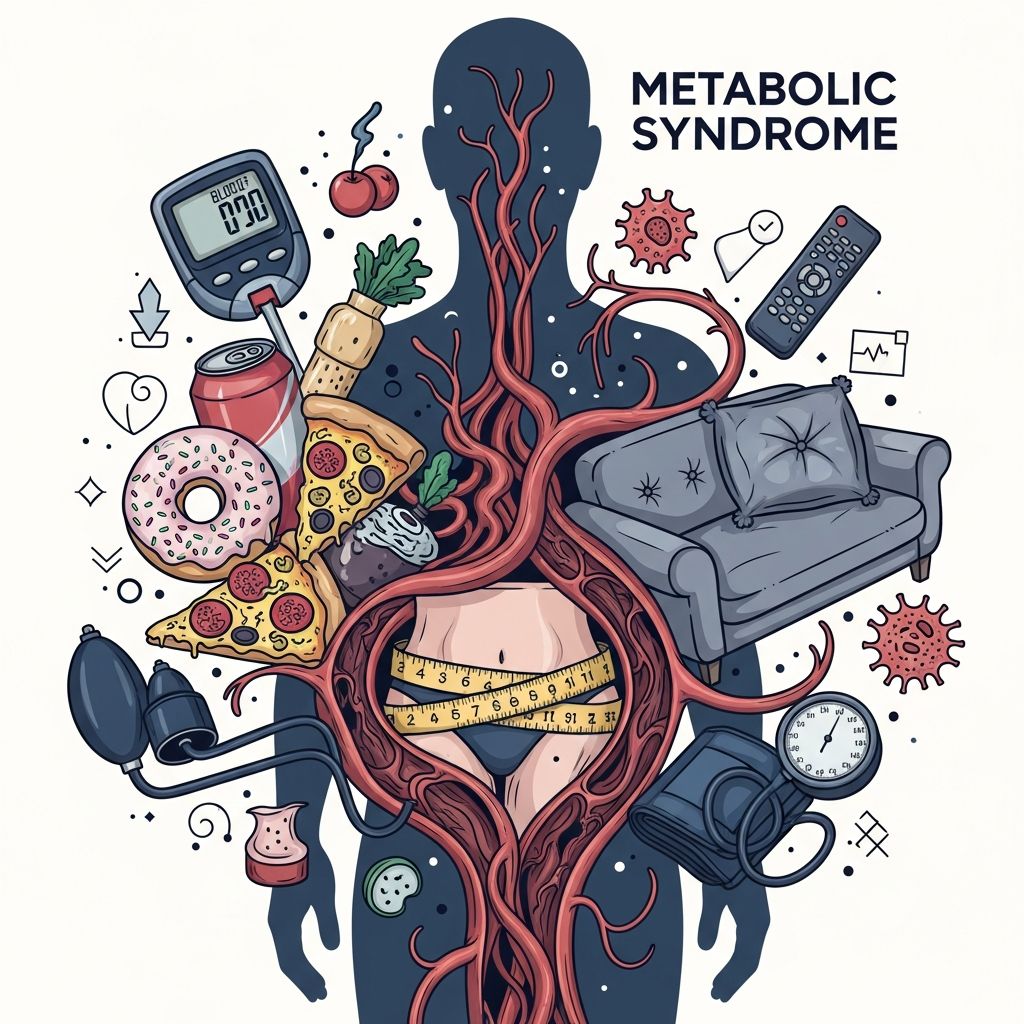
Metabolic syndrome is a cluster of interconnected health conditions that significantly elevate the risk of developing
type 2 diabetes
andcardiovascular disease (CVD)
, including heart attacks and strokes. It encompasses central obesity, insulin resistance, hypertension, elevated blood glucose, and dyslipidemia, affecting up to one-third of adults in some populations and driven by factors like obesity and sedentary lifestyles.Understanding metabolic syndrome
Metabolic syndrome, sometimes called syndrome X, refers to a group of metabolic disorders characterized by
central obesity
(excess fat around the waist) and disturbances in how the body processes energy. These include impaired glucose tolerance, high triglycerides, low HDL cholesterol, and elevated blood pressure, all stemming from underlying insulin resistance where cells fail to respond properly to insulin, leading to high blood sugar.The syndrome was first described in the late 1980s by Gerald Reaven as insulin resistance syndrome, highlighting its role in linking obesity, diabetes, and heart disease. Today, it’s recognized globally, with prevalence rising alongside obesity rates—one quarter of the world population may be affected. Professionals use it to identify high-risk individuals for targeted interventions like lifestyle modifications.
Is metabolic syndrome serious?
Yes, metabolic syndrome is a serious condition that doubles the risk of cardiovascular events and increases all-cause mortality by 1.5 times. Beyond type 2 diabetes and CVD, it associates with severe complications such as fatty liver disease (metabolic dysfunction-associated steatotic liver disease), certain cancers (liver, colorectal, breast), gout, polycystic ovarian syndrome, hypogonadism, and inflammatory skin conditions like psoriasis.
Inflammation serves as a final common pathway, where obesity-induced oxidative stress activates pro-atherogenic processes leading to atherosclerosis and tissue damage. Even one component raises risks, but three or more define the syndrome, amplifying dangers like stroke and heart failure. Early detection and management can prevent progression.
Who gets metabolic syndrome and why?
Metabolic syndrome affects those with overweight or obesity, particularly abdominal fat accumulation, alongside insulin resistance, physical inactivity, genetics, and aging. Incidence surges with rising obesity, impacting diverse groups but more prevalent in adults over 50 and certain ethnicities.
Key contributors include:
- Insulin resistance: Primary driver, where muscles, fat, and liver cells ignore insulin, forcing the pancreas to overproduce it.
- Central obesity: Waist circumference exceeding 40 inches in men or 35 inches in women signals visceral fat that releases inflammatory cytokines.
- Sedentary lifestyle and poor diet: High calorie intake with low activity promotes fat storage and metabolic dysfunction.
- Genetics and age: Family history and advancing age impair metabolic efficiency.
These factors create a vicious cycle, exacerbating each other and heightening disease risk.
How common is it?
Metabolic syndrome is increasingly prevalent, affecting up to 34% of U.S. adults and a quarter of the global population, paralleling obesity epidemics. In the UK and elsewhere, rates climb with urbanization and dietary shifts toward processed foods. Sedentary behavior compounds the issue, making it a public health crisis.
Metabolic syndrome – the five signs
Diagnosis requires at least
three of five key criteria
, though definitions vary slightly (e.g., NCEP ATP III, IDF, WHO). Common signs include:| Criteria | Threshold |
|---|---|
| Large waist circumference | Men ≥40 inches (102 cm); Women ≥35 inches (88 cm) |
| High triglycerides | ≥150 mg/dL (1.7 mmol/L) or on treatment |
| Low HDL cholesterol | Men <40 mg/dL (1.03 mmol/L); Women <50 mg/dL (1.29 mmol/L) or on treatment |
| High blood pressure | ≥130/85 mmHg or on treatment |
| High fasting blood sugar | ≥100 mg/dL (5.6 mmol/L) or on treatment |
Related Stories



These reflect metabolic derangements; a healthcare provider assesses via measurements and blood tests.
What are the symptoms of metabolic syndrome?
Metabolic syndrome is often asymptomatic, earning its ‘silent’ reputation, though high blood sugar may cause increased thirst, frequent urination, fatigue, or blurred vision. Central obesity is visible, and associated conditions like fatty liver might cause abdominal discomfort. Regular screening is vital as risks build undetected.
How is metabolic syndrome diagnosed?
No single test diagnoses it; clinicians use clinical exams and labs to check for ≥3 criteria. This includes waist measurement, blood pressure, fasting lipids, and glucose. Tools like HOMA-IR assess insulin resistance. Multiple criteria exist, but harmonized definitions aid consistency.
Metabolic syndrome treatment and prevention
Treatment emphasizes
lifestyle changes
as the cornerstone, aiming for 7-10% weight loss via 500-1000 calorie daily reduction, heart-healthy diets (whole grains, fruits, vegetables, fish), and ≥150 minutes weekly moderate exercise.Key strategies:
- Diet: Low saturated fats, high fiber; Mediterranean-style recommended.
- Exercise: Aerobic plus resistance training to boost insulin sensitivity.
- Weight management: Target BMI reduction to reverse components.
- Medications: Statins for lipids, antihypertensives, metformin for glucose if needed.
Programs like supervised exercise and education enhance adherence. It’s reversible with sustained efforts.
Metabolic syndrome – FAQs
Can metabolic syndrome be reversed?
Yes, lifestyle changes like weight loss and exercise can reverse it, reducing risks significantly.
What causes metabolic syndrome?
Primarily insulin resistance, obesity, inactivity, genetics, and age.
Is metabolic syndrome the same as diabetes?
No, but it greatly increases type 2 diabetes risk; it’s a precursor cluster.
How do I know if I have metabolic syndrome?
See a doctor for waist, BP, and blood tests; ≥3 criteria confirm it.
What diet is best for metabolic syndrome?
Heart-healthy, low-sat fat, high in produce and whole grains.
References
- What is Metabolic Syndrome? — American Heart Association. 2023. https://www.heart.org/en/health-topics/metabolic-syndrome/about-metabolic-syndrome
- Metabolic syndrome – Symptoms, diagnosis and treatment — BMJ Best Practice. 2024-10-15. https://bestpractice.bmj.com/topics/en-us/212
- Metabolic Syndrome: What It Is, Causes, Symptoms & Treatment — Cleveland Clinic. 2023-11-01. https://my.clevelandclinic.org/health/diseases/10783-metabolic-syndrome
- What is metabolic syndrome? — Patient.info. 2022-01-27. https://patient.info/features/diabetes/what-is-metabolic-syndrome
- Metabolic syndrome: pathophysiology, management, and modulation — National Center for Biotechnology Information (PMC). 2018-05-18. https://pmc.ncbi.nlm.nih.gov/articles/PMC5933580/
- Metabolic syndrome – Symptoms & causes — Mayo Clinic. 2023. https://www.mayoclinic.org/diseases-conditions/metabolic-syndrome/symptoms-causes/syc-20351916
Similar Articles








Read full bio of medha deb