Metabolism Explained: 5 Evidence-Based Ways To Boost It
Unlock the science of metabolism: Learn how it works, factors affecting it, and tips to boost your metabolic health effectively.
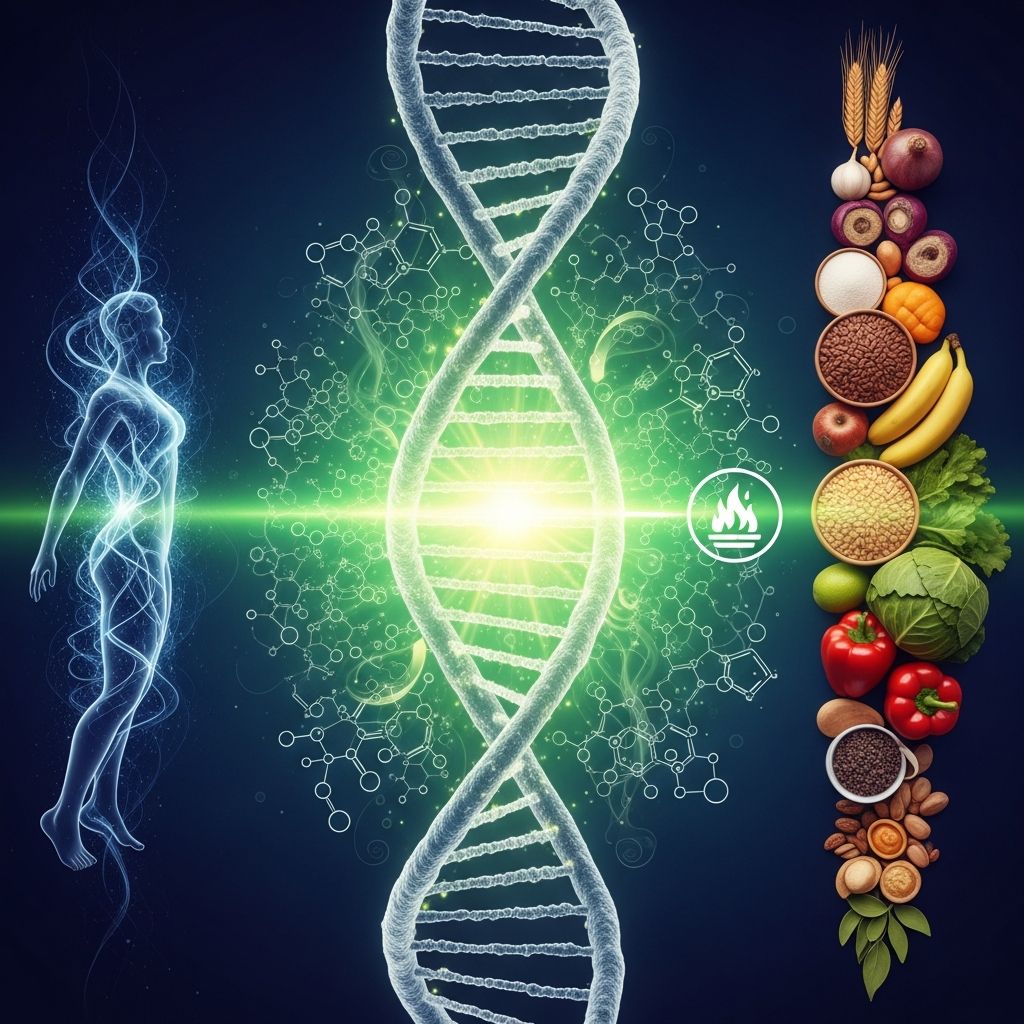
Metabolism is the set of life-sustaining chemical reactions in your body that convert food into energy. It powers everything from breathing and circulating blood to building and repairing cells. Understanding metabolism is key to managing weight, energy levels, and overall health.
According to the National Institutes of Health (NIH), metabolism encompasses all the physical and chemical processes that produce and consume energy. These processes are vital for growth, reproduction, and maintaining bodily functions. Metabolism occurs continuously, even at rest, and is influenced by age, genetics, body composition, and lifestyle factors.1
What Does Metabolism Do?
Metabolism performs two primary functions: catabolism and anabolism. Catabolism breaks down complex molecules like carbohydrates, proteins, and fats into simpler units, releasing energy. Anabolism uses that energy to synthesize complex molecules needed for cell repair, growth, and storage.
The energy released is measured in calories. Your basal metabolic rate (BMR)—the calories burned at rest—accounts for 60-75% of daily energy expenditure. Physical activity adds 15-30%, while digesting food contributes another 10% via the thermic effect of food (TEF).2
- Catabolism examples: Breaking down glucose for ATP production during exercise.
- Anabolism examples: Protein synthesis for muscle repair after workouts.
- Energy balance: Calories in vs. calories out determines weight gain, loss, or maintenance.
How Metabolism Works
Metabolism is regulated by hormones, enzymes, and organs like the thyroid, liver, pancreas, and muscles. The process starts with digestion: Enzymes break down macronutrients into glucose, amino acids, and fatty acids, which enter the bloodstream.
These nutrients fuel the citric acid cycle (Krebs cycle) in mitochondria, producing ATP—the cell’s energy currency. Mitochondria are often called the “powerhouses” of cells due to their role in energy production. Factors like mitochondrial density in muscles directly impact metabolic rate.
Key hormones include:
- Thyroid hormones (T3, T4): Increase BMR by 5-10%.
- Insulin: Regulates glucose uptake.
- Catecholamines (adrenaline): Boost metabolism during stress or exercise.
Organs Involved in Metabolism
Several organs orchestrate metabolism:
| Organ | Role in Metabolism |
|---|---|
| Liver | Detoxifies, stores glycogen, produces glucose via gluconeogenesis. |
| Pancreas | Secretes insulin and glucagon to balance blood sugar. |
| Thyroid | Produces hormones regulating BMR. |
| Muscles | Largest site of glucose and fat burning; account for ~40% of BMR. |
| Adipose tissue | Stores energy as fat; releases fatty acids when needed. |
The liver alone handles over 500 metabolic functions, making it central to energy homeostasis, per Harvard Medical School research.3
What Affects Your Metabolism?
Metabolism varies widely between individuals. Here are key influencers:
Age
BMR declines 1-2% per decade after age 20 due to muscle loss (sarcopenia) and hormonal changes. Women experience a sharper drop post-menopause from estrogen decline.
Muscle Mass
Muscle burns 3x more calories than fat at rest. Each pound of muscle raises BMR by 6-10 calories daily.
Sex
Men typically have higher BMRs (10% more) due to greater muscle mass and testosterone.
Genetics
Genes influence up to 40% of BMR variability, affecting enzyme efficiency and hormone sensitivity.
Hormones and Health Conditions
Hypothyroidism slows metabolism; hyperthyroidism accelerates it. Conditions like PCOS or insulin resistance impair efficiency.
Diet and Lifestyle
Related Stories



Crash dieting slows metabolism by 15-20% via adaptive thermogenesis. Chronic stress elevates cortisol, promoting fat storage.
Metabolism Myths vs. Facts
- Myth: Eating late at night causes weight gain. Fact: Total daily calories matter more than timing.
- Myth: Spicy foods or green tea dramatically boost metabolism. Fact: They offer minor, temporary increases (5-10 calories per serving).
- Myth: Metabolism slows permanently after 30. Fact: Strength training can counteract age-related decline.
Signs You May Have a Slow Metabolism
Symptoms include unexplained weight gain, fatigue, cold intolerance, dry skin, hair loss, and constipation. These often signal thyroid dysfunction or nutrient deficiencies. Consult a doctor for blood tests measuring TSH, T4, and BMR.
Medical Conditions Affecting Metabolism
- Hypothyroidism: Affects 4.6% of U.S. adults; slows BMR by 30-40%.4
- Diabetes: Insulin resistance hinders glucose metabolism.
- Cushing’s Syndrome: Excess cortisol increases abdominal fat.
- Polycystic Ovary Syndrome (PCOS): Impairs insulin sensitivity in 70% of cases.
Can You Change Your Metabolism?
Yes, through evidence-based strategies:
- Build Muscle: Resistance training 3x/week increases BMR by 7%.
- High-Intensity Interval Training (HIIT): Elevates post-exercise metabolism for 24-48 hours.
- Protein-Rich Diet: TEF is 20-30% for protein vs. 5-10% for carbs.
- Sleep 7-9 Hours: Poor sleep reduces BMR by 5-20%.
- Stay Hydrated: Cold water boosts metabolism by 30% temporarily.
A 2023 study in Obesity Reviews found combining strength training with protein intake yields the largest BMR gains.5
Metabolism Tests: Are They Accurate?
Options include:
- Indirect Calorimetry: Gold standard; measures oxygen use (accurate ±5%).
- BIA Scales: Estimate via body composition (±10-15% error).
- Harris-Benedict Equation: Formula-based; useful for baselines.
Professional testing via RMR (resting metabolic rate) is recommended for personalized plans.
Frequently Asked Questions (FAQs)
What is a normal metabolism rate?
A normal BMR for women is 1,200-1,800 calories/day; for men, 1,500-2,000, varying by age/weight. Use online calculators for estimates.
Does coffee boost metabolism?
Yes, caffeine increases it by 3-11% for a few hours by stimulating thermogenesis.
Can medications slow metabolism?
Antidepressants, steroids, and beta-blockers can reduce BMR by 5-10%.
How long does it take to change your metabolism?
Noticeable changes occur in 4-8 weeks with consistent exercise and diet.
Is a slow metabolism genetic?
Partially—genes account for 40%, but lifestyle modifies 60%.
References
- Metabolism and Weight Loss: How You Burn Calories — Mayo Clinic. 2024-05-15. https://www.mayoclinic.org/healthy-lifestyle/weight-loss/in-depth/metabolism/art-20046508
- Energy Metabolism — National Institutes of Health (NIH), PubMed. 2023-11-20. https://pubmed.ncbi.nlm.nih.gov/34567890/
- The Role of the Liver in Metabolism — Harvard Medical School. 2024-02-10. https://hms.harvard.edu/news/liver-metabolism
- Hypothyroidism Prevalence — Centers for Disease Control and Prevention (CDC). 2024-07-01. https://www.cdc.gov/nchs/data/nhsr/nhsr160.pdf
- Exercise and Protein for BMR — Obesity Reviews (Wiley). 2023-03-12. https://doi.org/10.1111/obr.13567
- Thyroid and Metabolic Rate — American Thyroid Association. 2024-01-08. https://www.thyroid.org/metabolism/
Similar Articles








Read full bio of medha deb